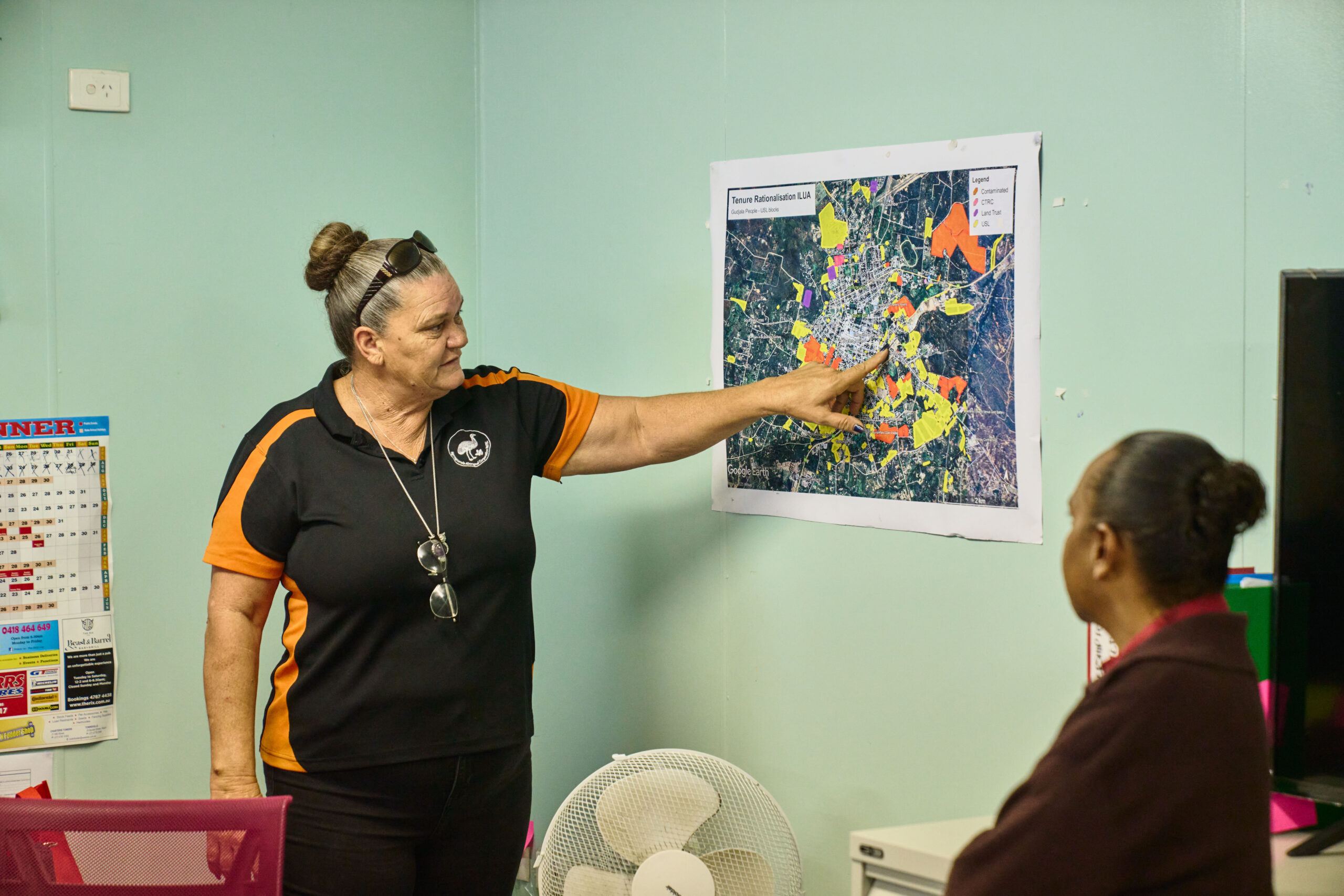
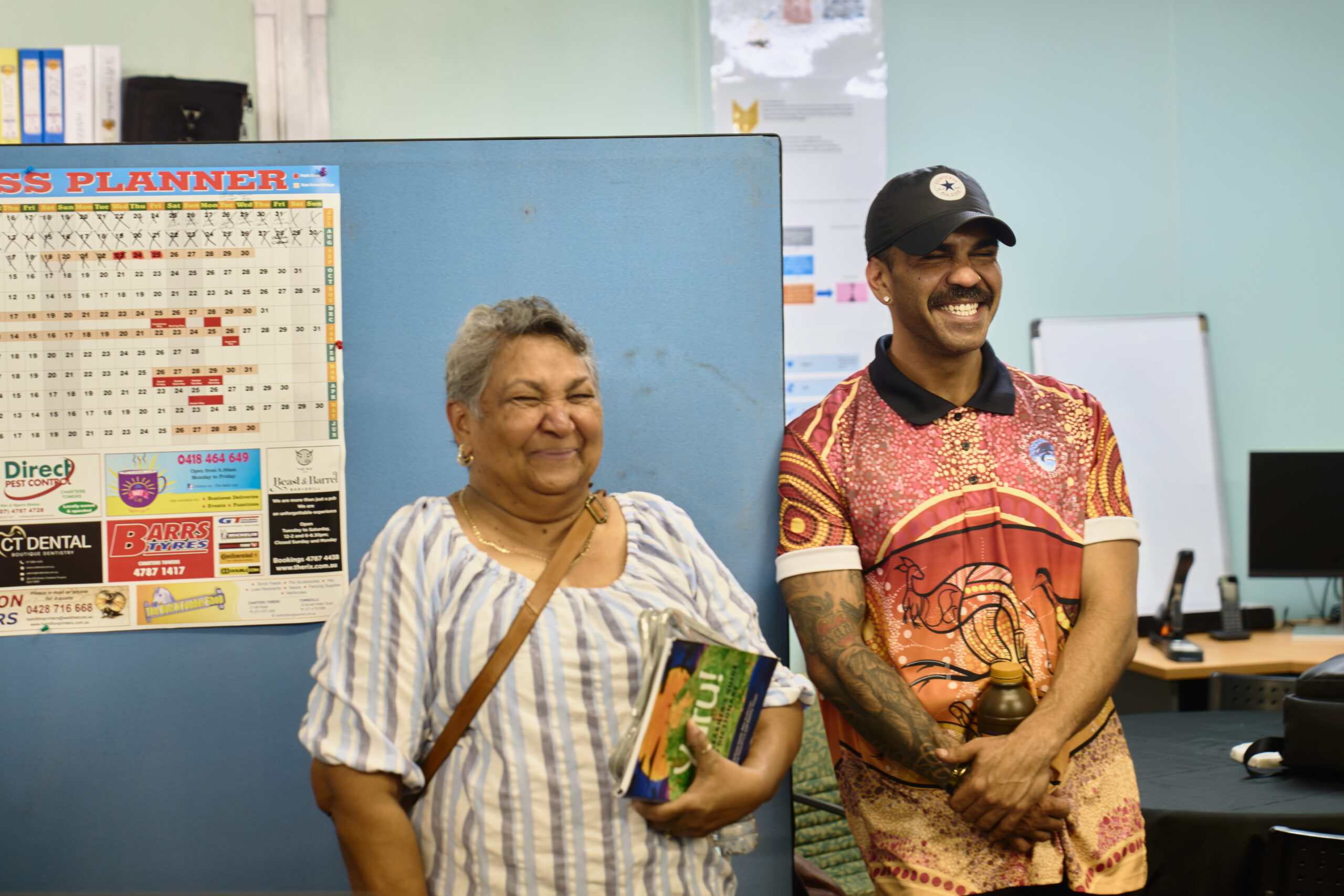
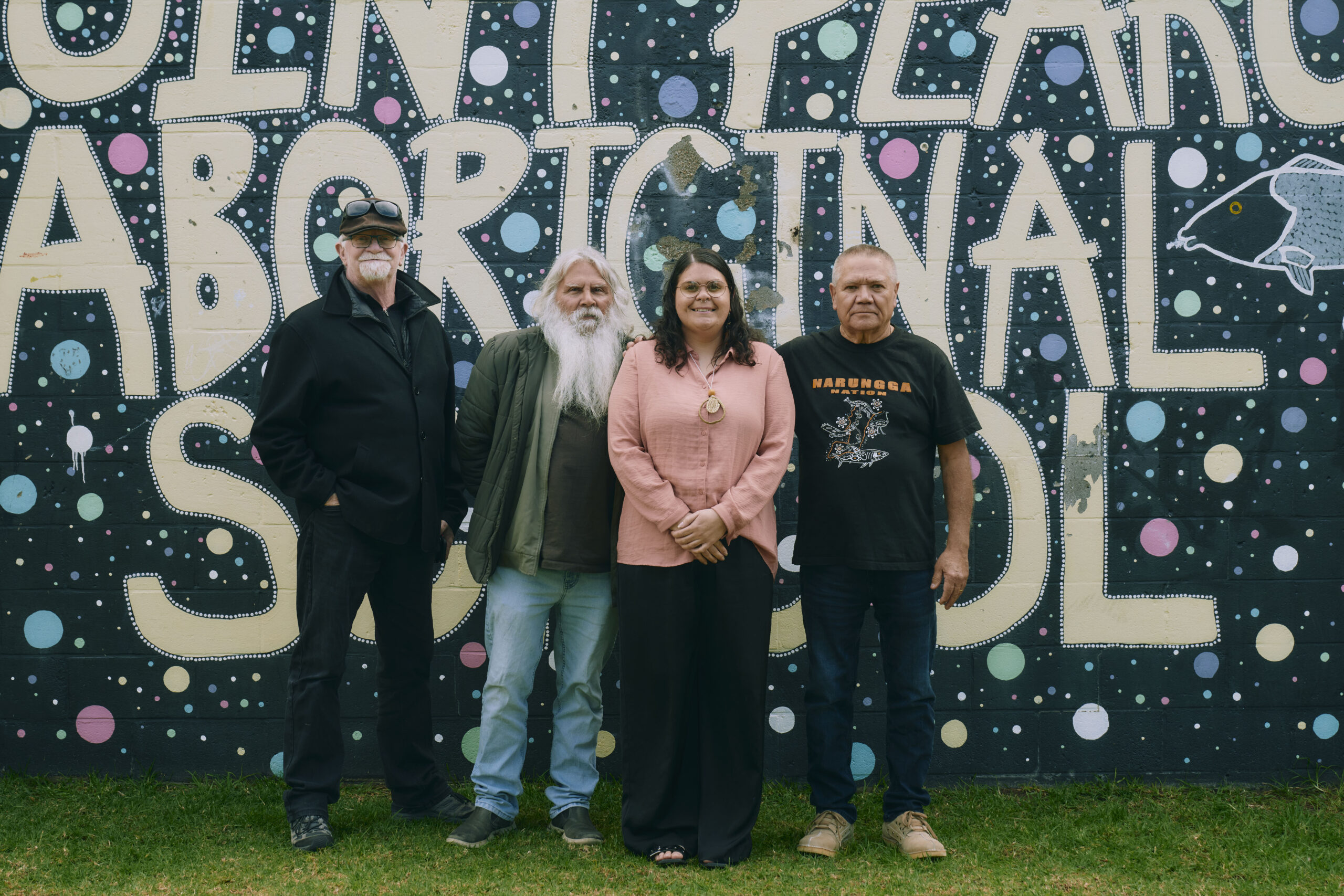
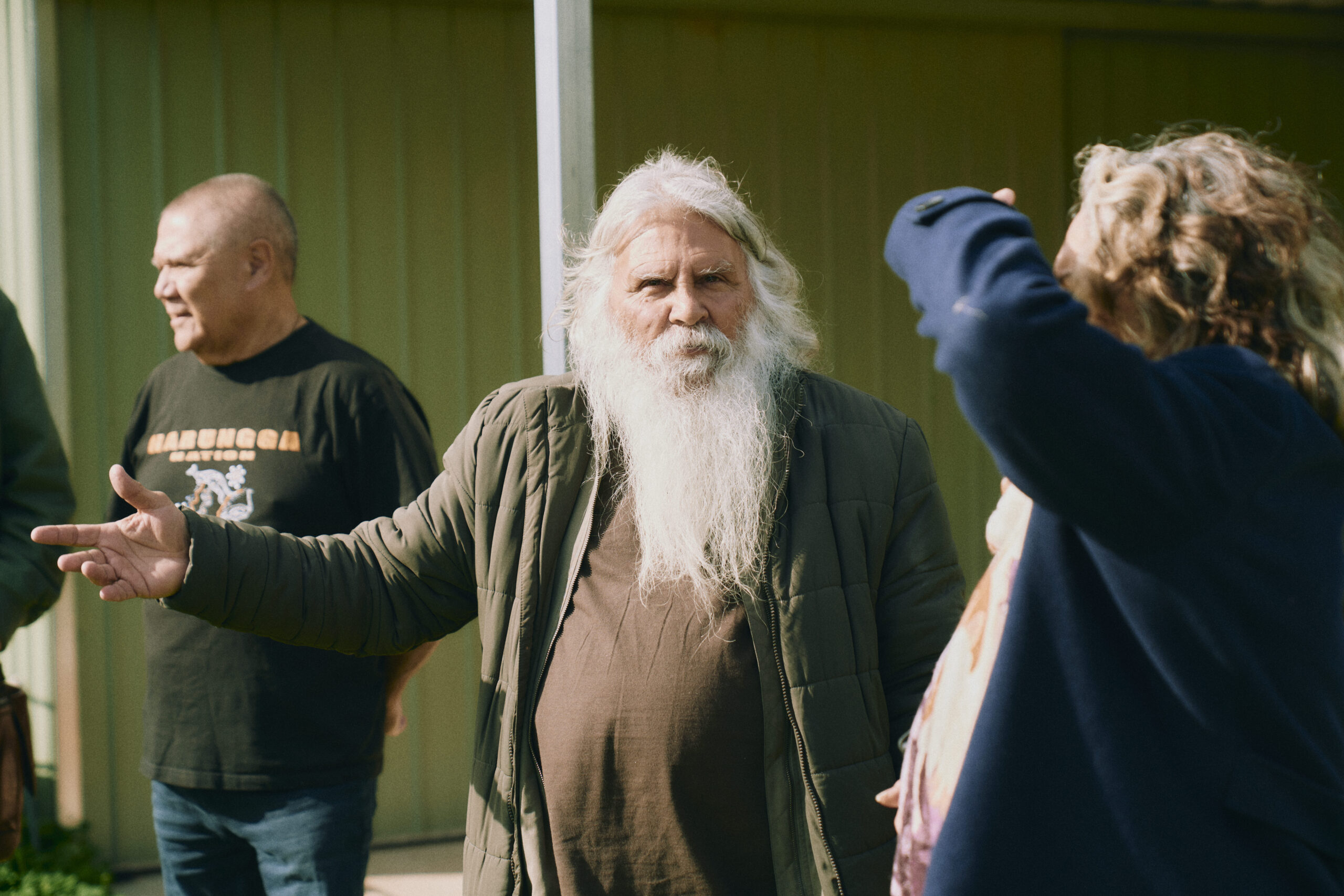
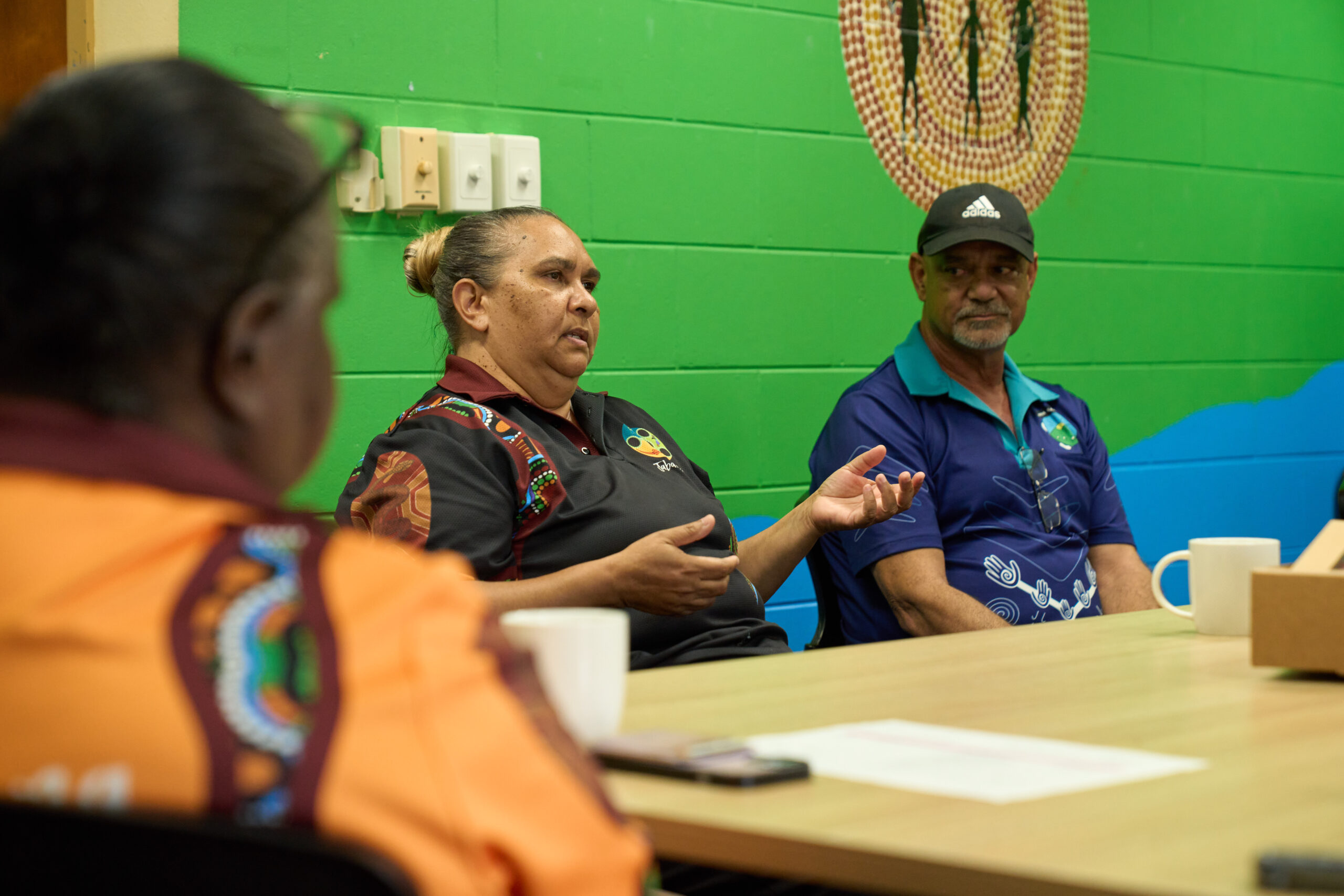
A community-driven yarning circle, an all-Blak literary festival, and an experienced Traditional Owner corporation: meet Australia’s Indigenous Governance Award winners for 2026.
The Indigenous Governance Awards celebrate and showcase outstanding Aboriginal and Torres Strait Islander organisations whose success is derived from effective and innovative governance models that are built from Aboriginal and Torres Strait Islander culture and ways of doing and being.
Reconciliation Australia and the Australian Indigenous Governance Institute are proud to reveal the winners of the Indigenous Governance Awards 2026, announced at the Indigenous Governance Awards Gala on Thursday 5 November in Tarntanya/Adelaide.
Indigenous Governance Awards 2026 Winners
Category 1: Outstanding examples of governance in Indigenous-led non-incorporated initiatives or projects
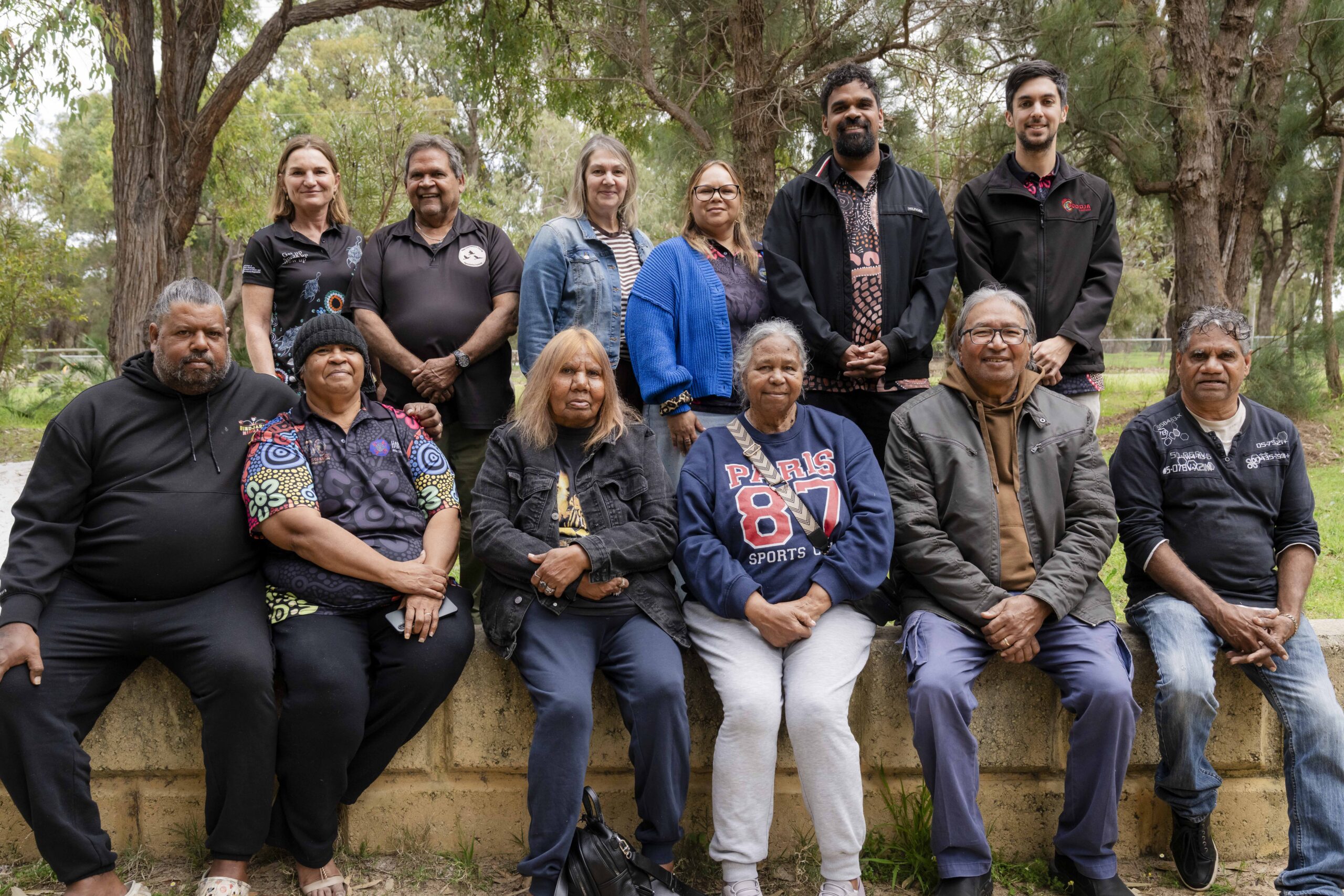
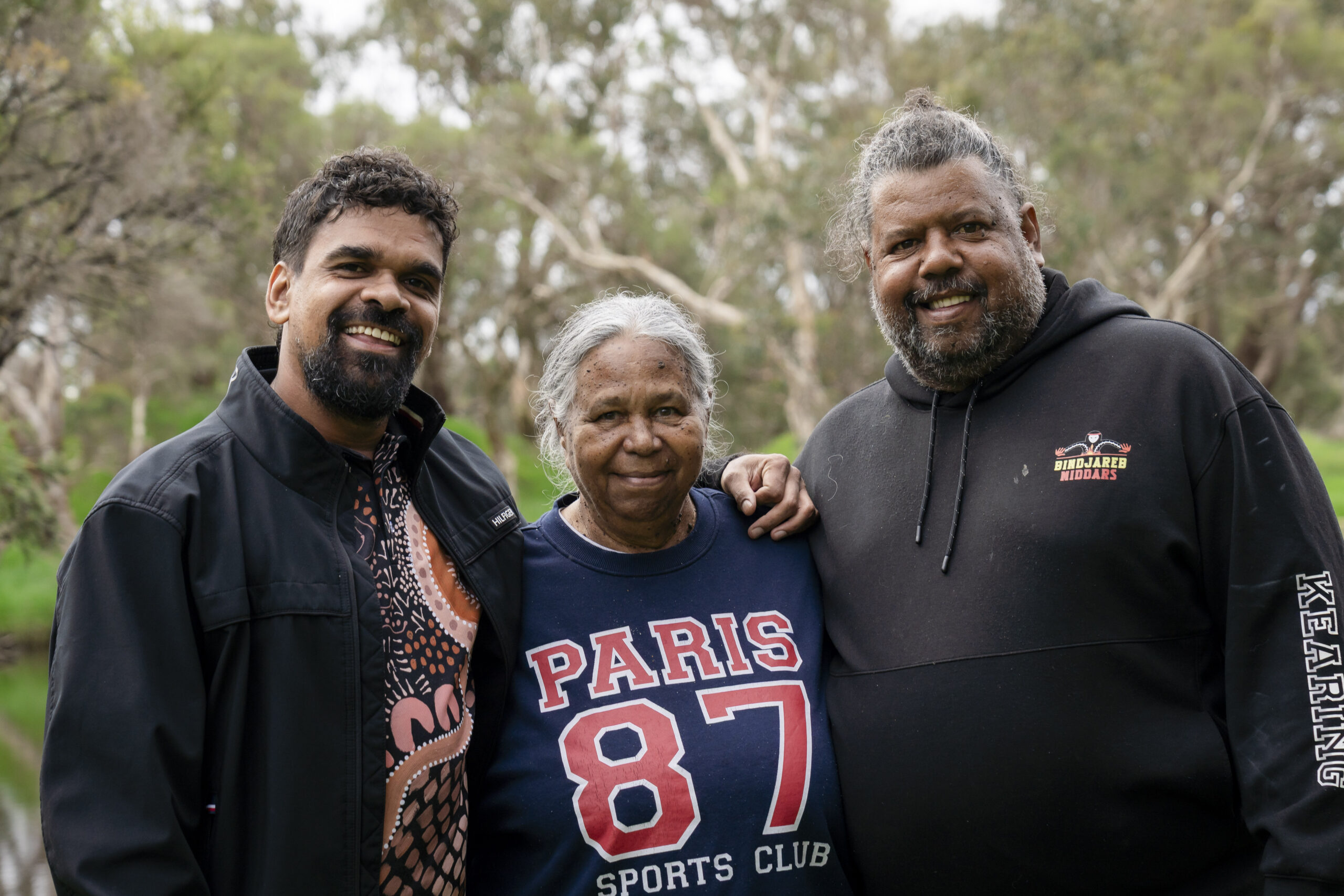
Winner: Bindjareb Djilba Kaadadjan Bidi Yarning Circle (WA)
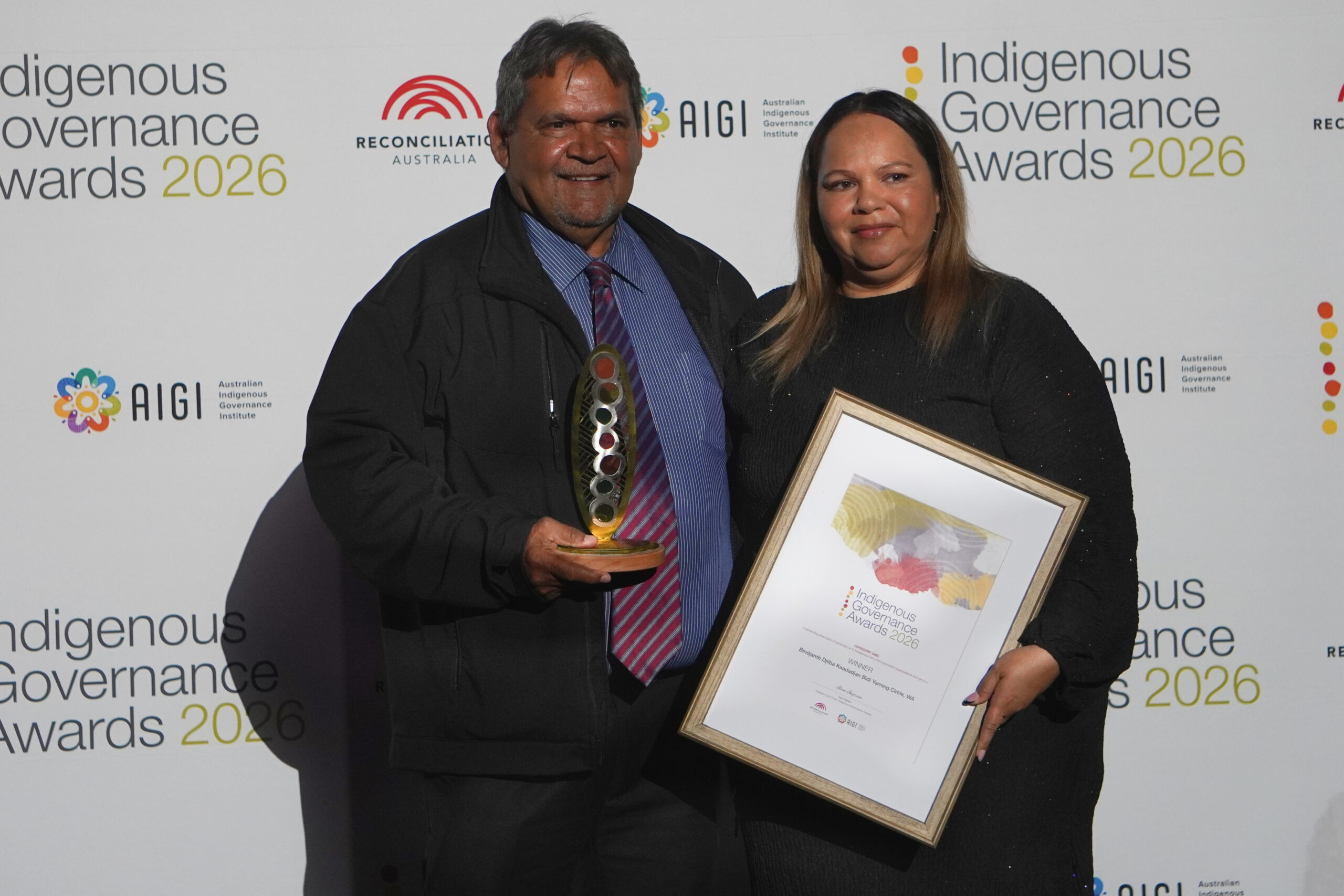
Formed to address the declining health of the Bindjareb Djilba (Peel-Harvey Estuary), the region’s three Aboriginal Community Controlled Organisations united to form a powerful Bindjareb Noongar voice working closely with the WA government and other local stakeholders in regional governance.
Category 2: Outstanding examples of governance in Indigenous-led non-incorporated initiatives or projects
Winner: Blak & Bright First Nations Literary Festival Limited (Vic)
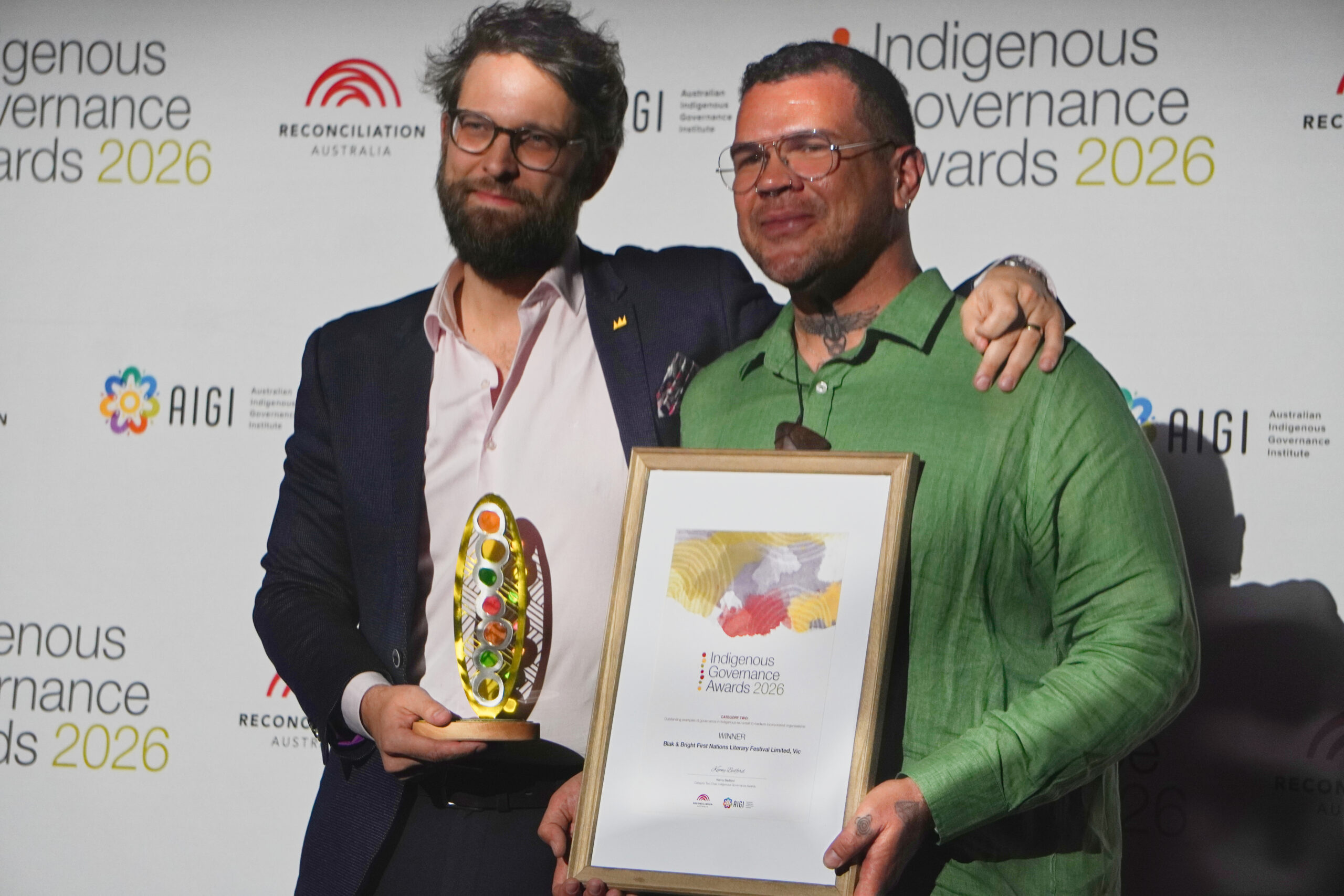
Created to address the absence of a dedicated platform led by and for First Nations writers and storytellers, Blak & Bright has grown into a national First Nations literary organisation delivering programming that deepens industry relationships and creates consistent opportunities for First Nations storytellers and audiences.
Other finalists in Category 2
Category 2: Outstanding examples of governance in Indigenous-led non-incorporated initiatives or projects
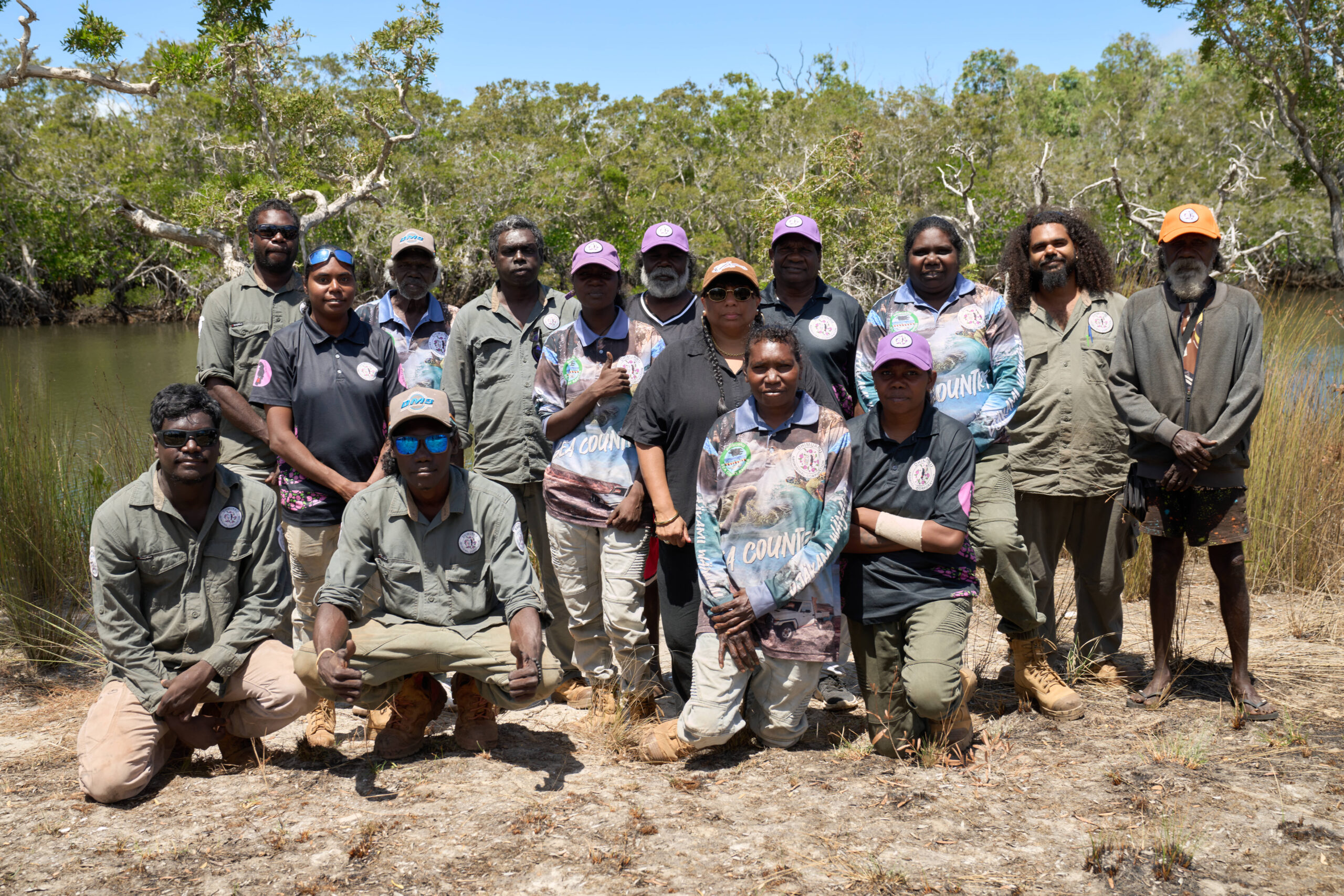
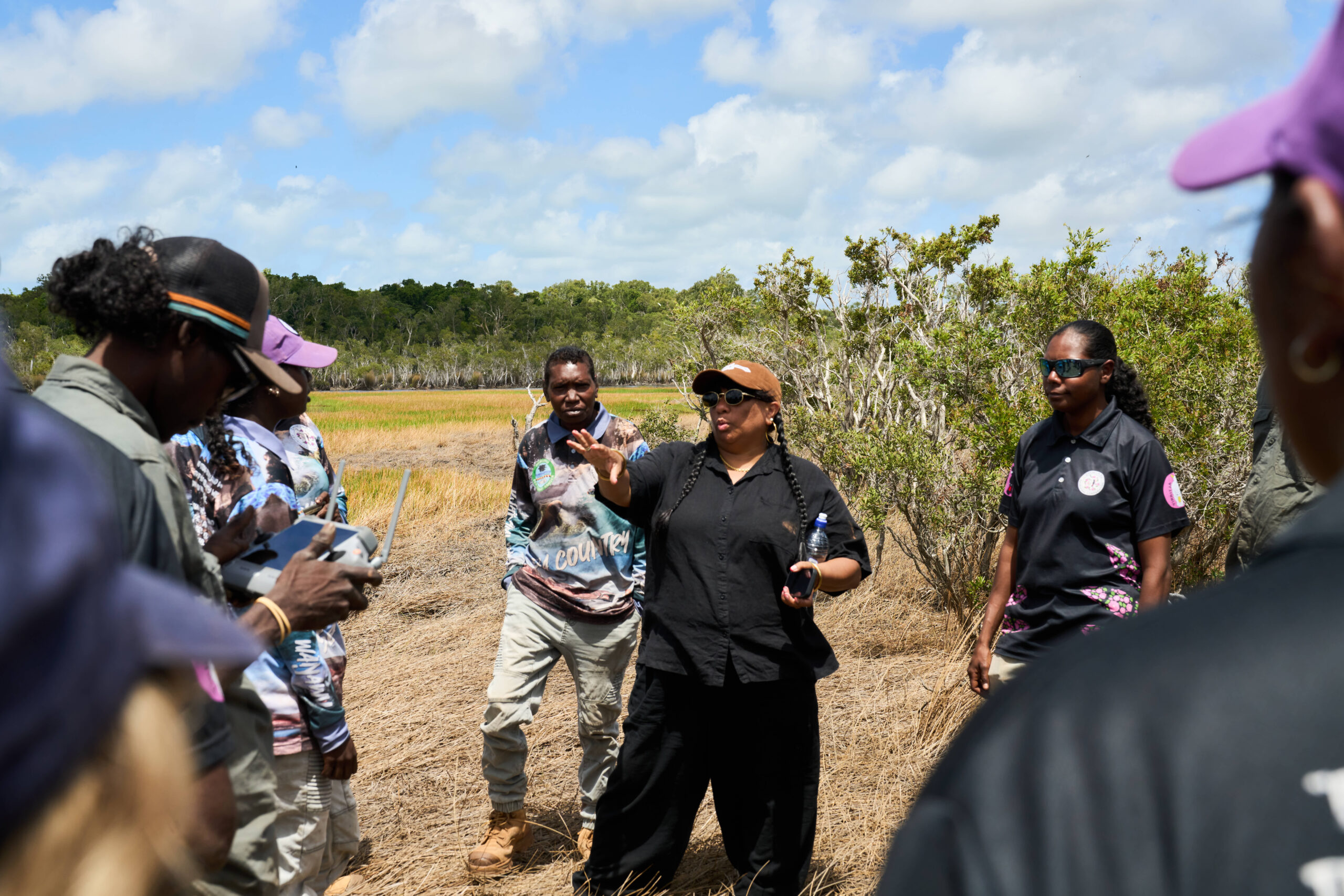
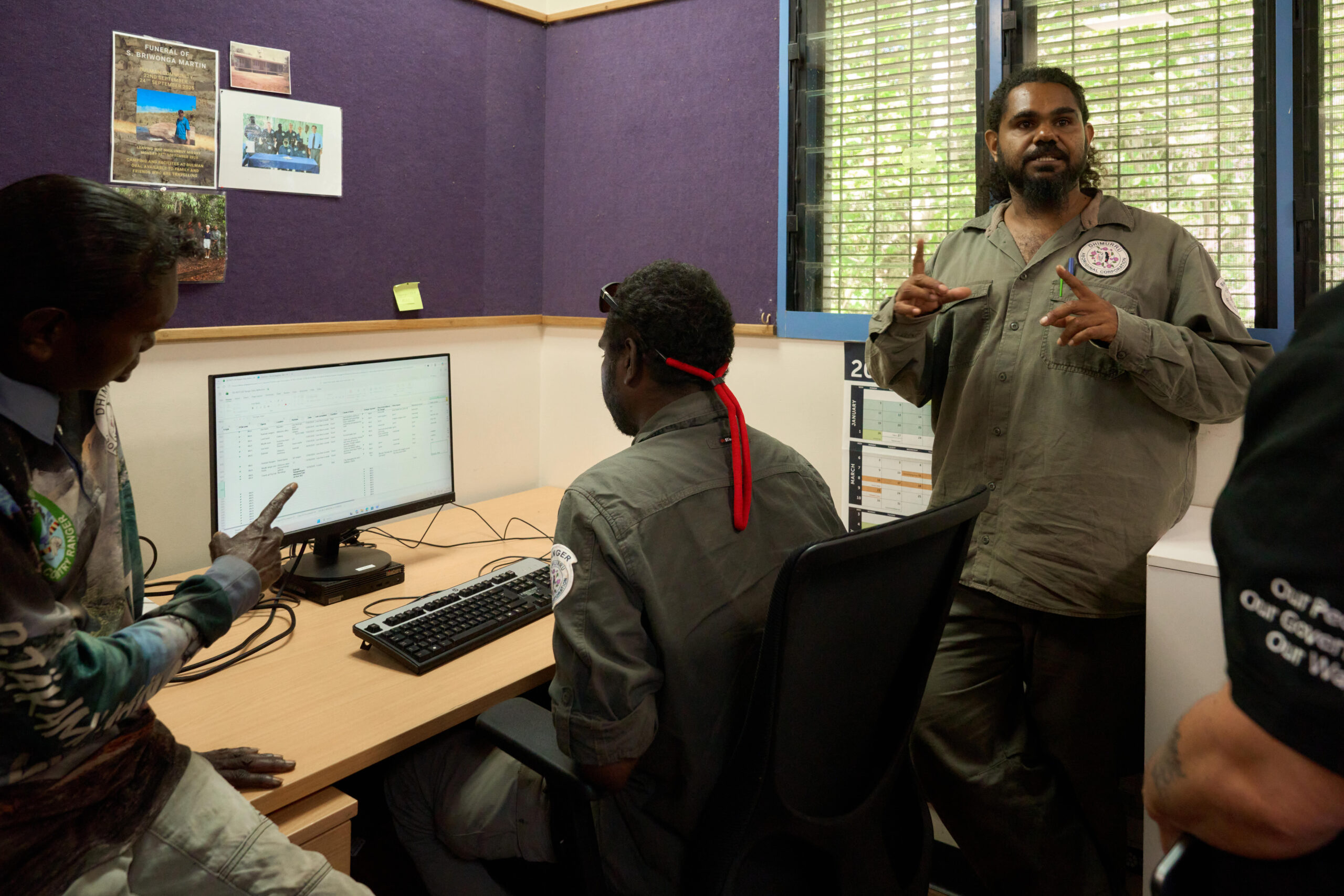
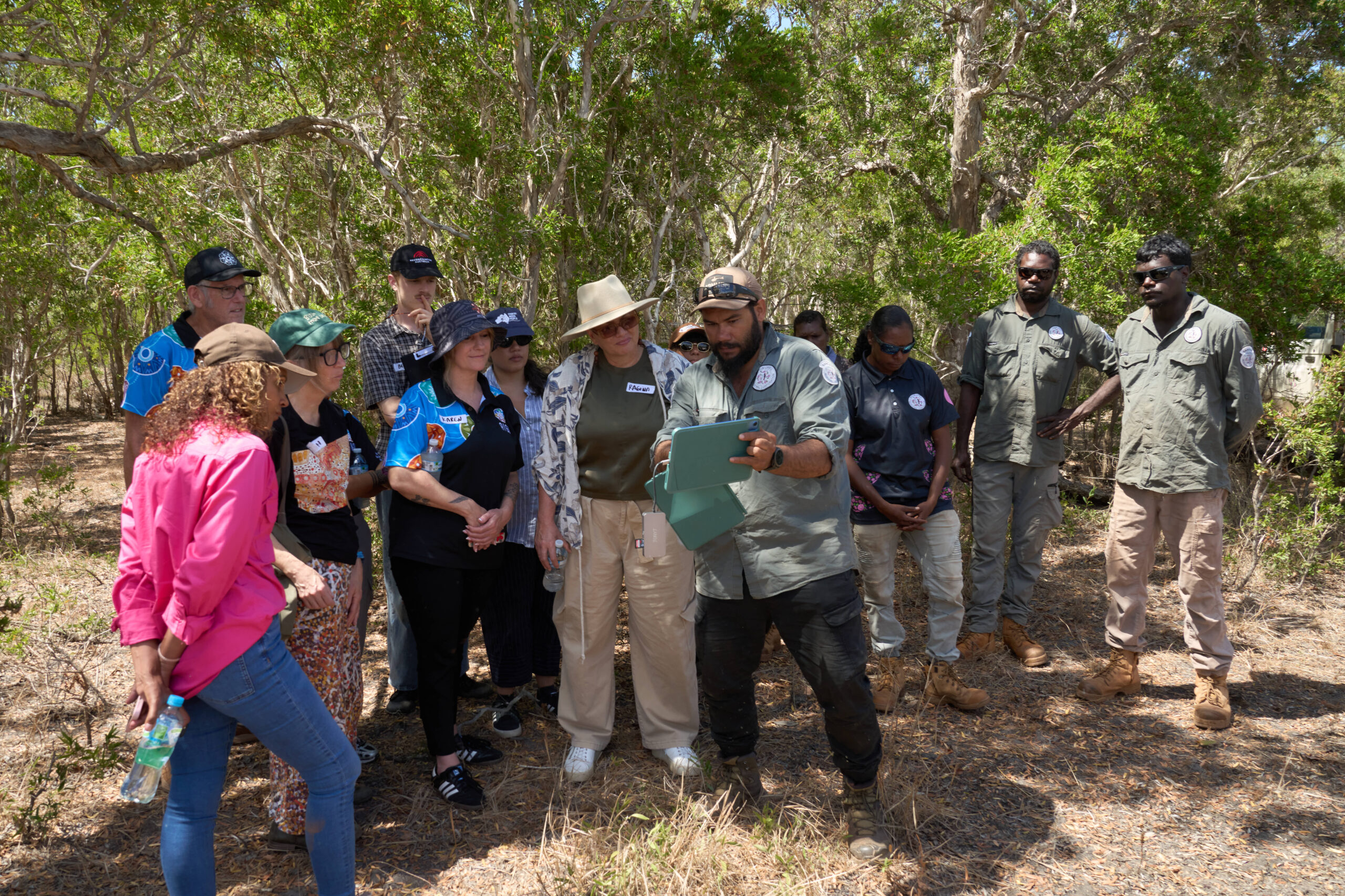
Winner: Dhimurru Aboriginal Corporation (NT)
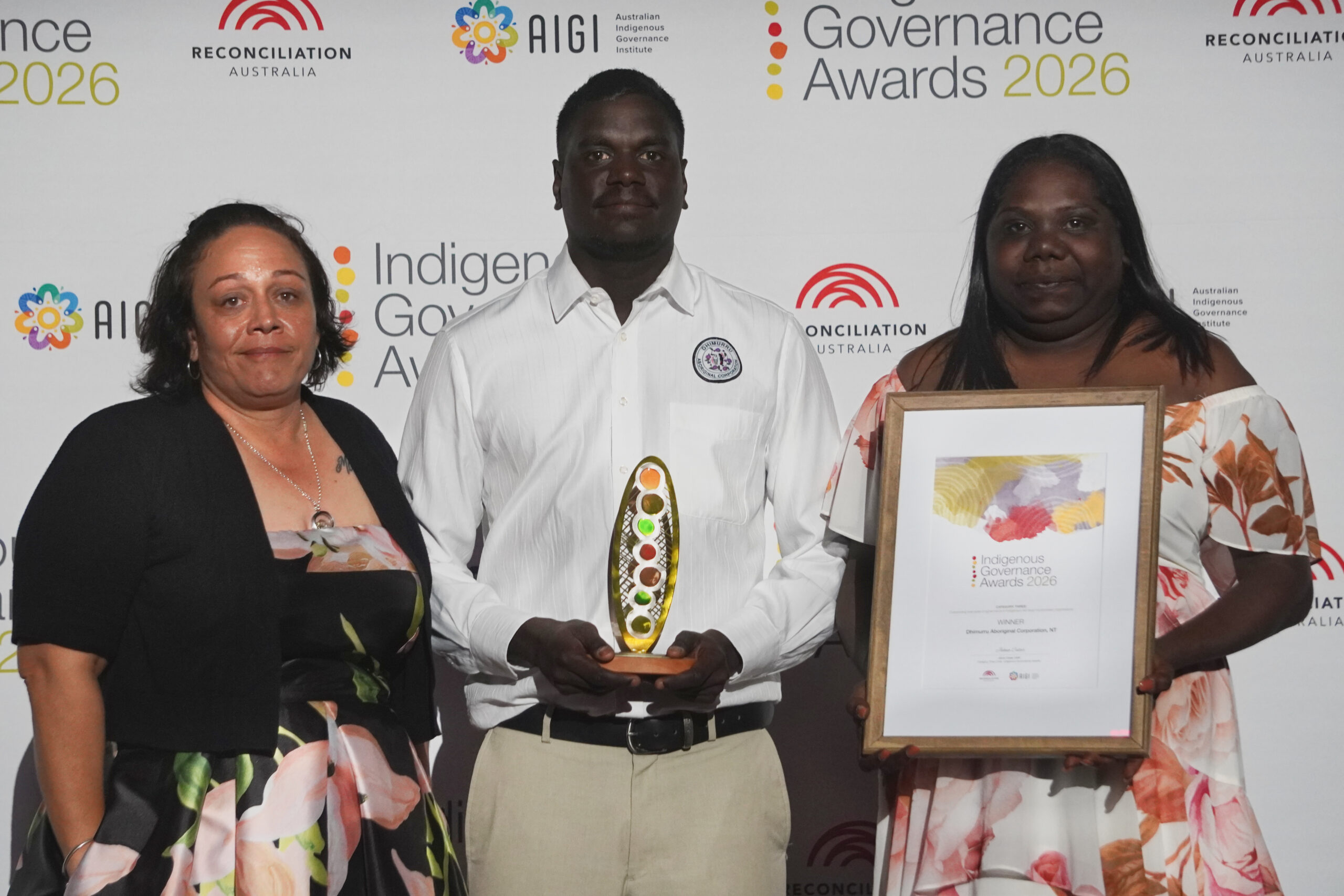
Established in 1992 by Yolŋu Traditional Owners in northeast Arnhem Land in response to increasing external pressure on Country, Dhimurru governs under a kinship-based system grounded in Yolŋu Gurruṯu, where authority and responsibility are determined through relationships to Country and clan.
Other finalist in Category 3
Reconciliation Australia and the Australian Indigenous Governance Institute congratulate all applicants for their extraordinary efforts and for the generous invitation to learn about their work. They also express their sincere appreciation to the judging panel, whose time, expertise, knowledge and guidance has been invaluable throughout the awards judging process.
Australian Indigenous Governance Institute CEO Ragina Rogers said:
‘The Indigenous Governance Awards recognise more than organisational achievement. They celebrate the ways our people bring together culture, community knowledge and contemporary governance practices to make decisions that reflect who they are, what they value and where they want to go.
‘Each finalist demonstrates that strong Indigenous governance is grounded in self-determination, cultural authority and accountability to community. Their achievements are a powerful reminder that when our people lead, our communities thrive.’
‘We celebrate the strength, leadership and determination of Aboriginal and Torres Strait Islander peoples and organisations who are shaping their own futures through strong governance.
Reconciliation Australia CEO Karen Mundine said:
‘Every one of the 60 organisations that applied for this year’s awards are honing unique methods of governance, driven by their Culture and community priorities.
‘Their work shows what is possible when people push through the structural barriers created by racism and unsuitable western structures – to create economic and governance vehicles that do the things that need to be done, in the cultural way they need to be done.
‘Each of the finalists demonstrates an impressive capacity to bridge cultural and bureaucratic worlds without compromising integrity, to create something entirely new that all Australians can learn from.
They are meeting their specific needs in ways that mainstream systems and approaches have struggled to address.’