At its heart, reconciliation is about strengthening relationships between Aboriginal and Torres Strait Islander peoples and non-Indigenous peoples, for the benefit of all Australians.
For Aboriginal and Torres Strait Islander peoples, Australia’s colonial history is characterised by devastating land dispossession, violence, and racism. Over the last half-century, however, many significant steps towards reconciliation have been taken.
Reconciliation is an ongoing journey that reminds us that while generations of Australians have fought hard for meaningful change, future gains are likely to take just as much, if not more, effort.
In a just, equitable and reconciled Australia, Aboriginal and Torres Strait Islander children will have the same life chances and choices as non-Indigenous children, and the length and quality of a person’s life will not be determined by their racial background.
…a reconciled Australia is one where our rights as First Australians are not just respected but championed in all the places that matter…
Kirstie Parker, Co-Chair
The five dimensions of reconciliation
Our vision of reconciliation is based on and measured against five dimensions: race relations, equality and equity, historical acceptance, institutional integrity and unity.
These five dimensions do not exist in isolation, but are interrelated. Reconciliation cannot be seen as a single issue or agenda; the contemporary definition of reconciliation must weave all of these threads together. For example, greater historical acceptance of the wrongs done to Aboriginal and Torres Strait Islander peoples can lead to improved race relations, which in turn leads to greater equality and equity.
Race Relations
All Australians understand and value Aboriginal and Torres Strait Islander and non-Indigenous cultures, rights and experiences, which results in stronger relationships based on trust and respect and that are free of racism.
Goal: Positive two-way relationships built on trust and respect exist between Aboriginal and Torres Strait Islander and non-Indigenous Australians throughout society.
Equality and Equity
Aboriginal and Torres Strait Islander peoples participate equally in a range of life opportunities and the unique rights of First Nations peoples are recognised and upheld.
Goal: First Nations people participate equally and equitably in all areas of life – i.e. we have closed the gap – their distinctive individual and collective rights and cultures are universally recognised and respected, and they are self-determining.
Historical Acceptance
All Australians understand and accept the wrongs of the past and their impact on Aboriginal and Torres Strait Islander peoples. Australia makes amends for past policies and practices ensures these wrongs are never repeated.
Goal: There is widespread acceptance of our nation’s history and agreement that the wrongs of the past will never be repeated— there is truth, justice, healing and historical acceptance.
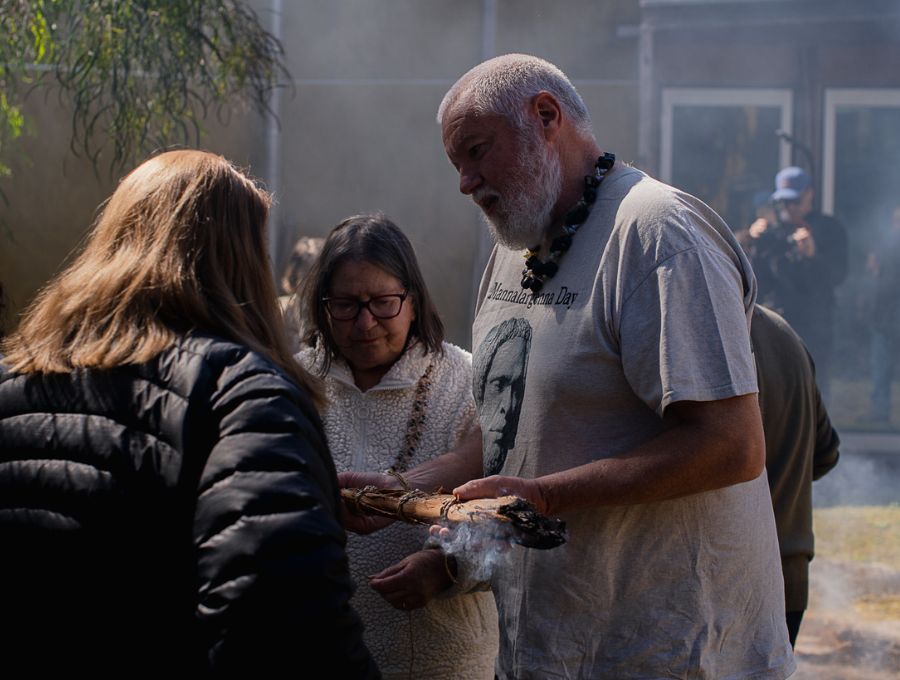
Institutional Integrity
The active support of reconciliation by the nation’s political, business and community structures.
Goal: Our political, business and community institutions actively support all dimensions of reconciliation.
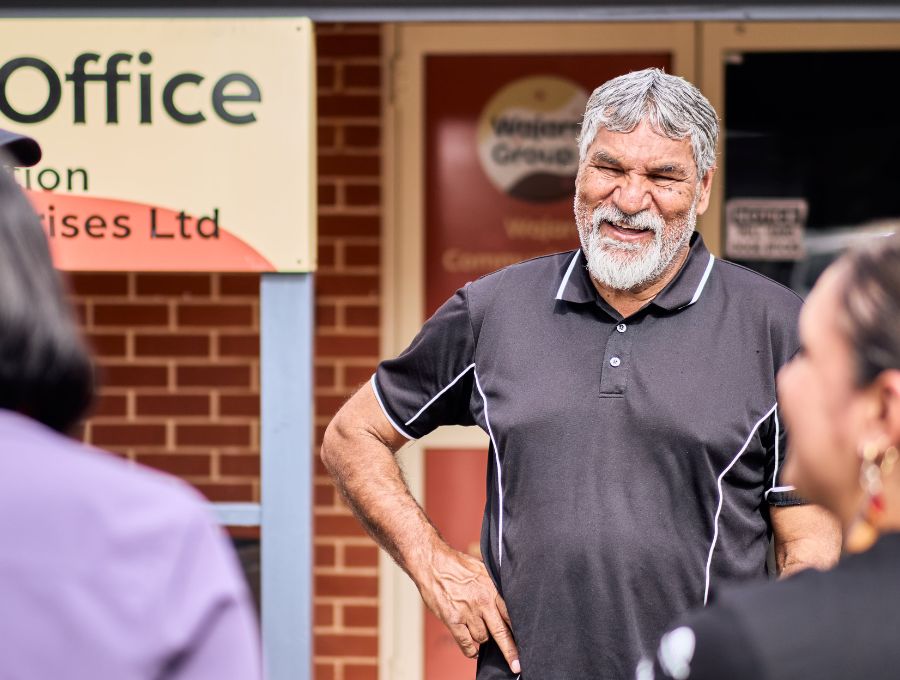
Unity
An Australian society that values and recognises Aboriginal and Torres Strait Islander cultures and heritage as a proud part of a shared national identity.
Goal: Aboriginal and Torres Strait Islander histories, cultures and rights are a valued and recognised part of a shared national identity and, as a result, there is national unity.
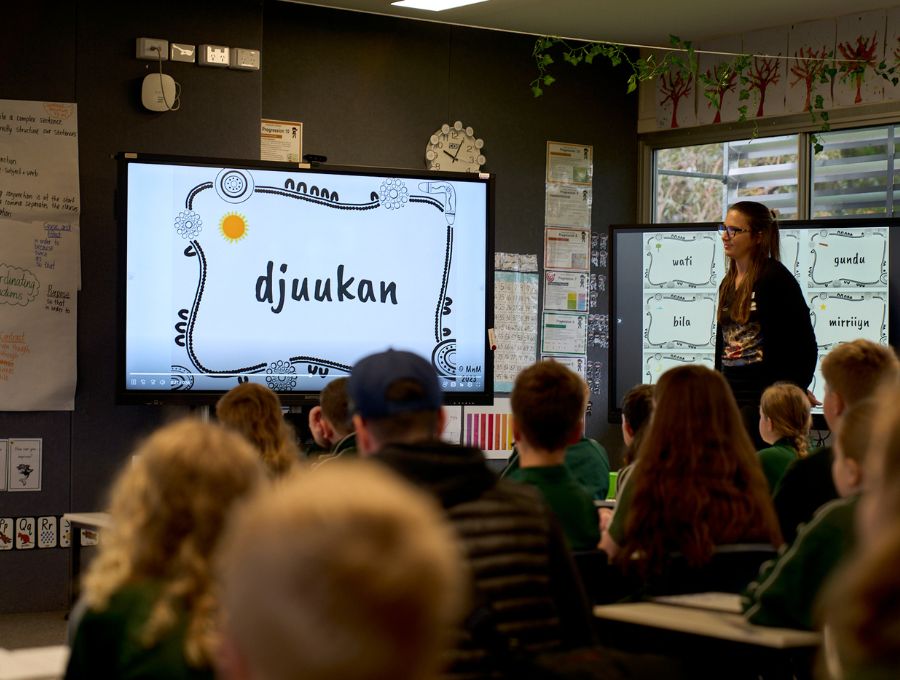
Reconciliation must transcend Australian political theatre and promote a sense of national unity…
Patrick Dodson