Choirs

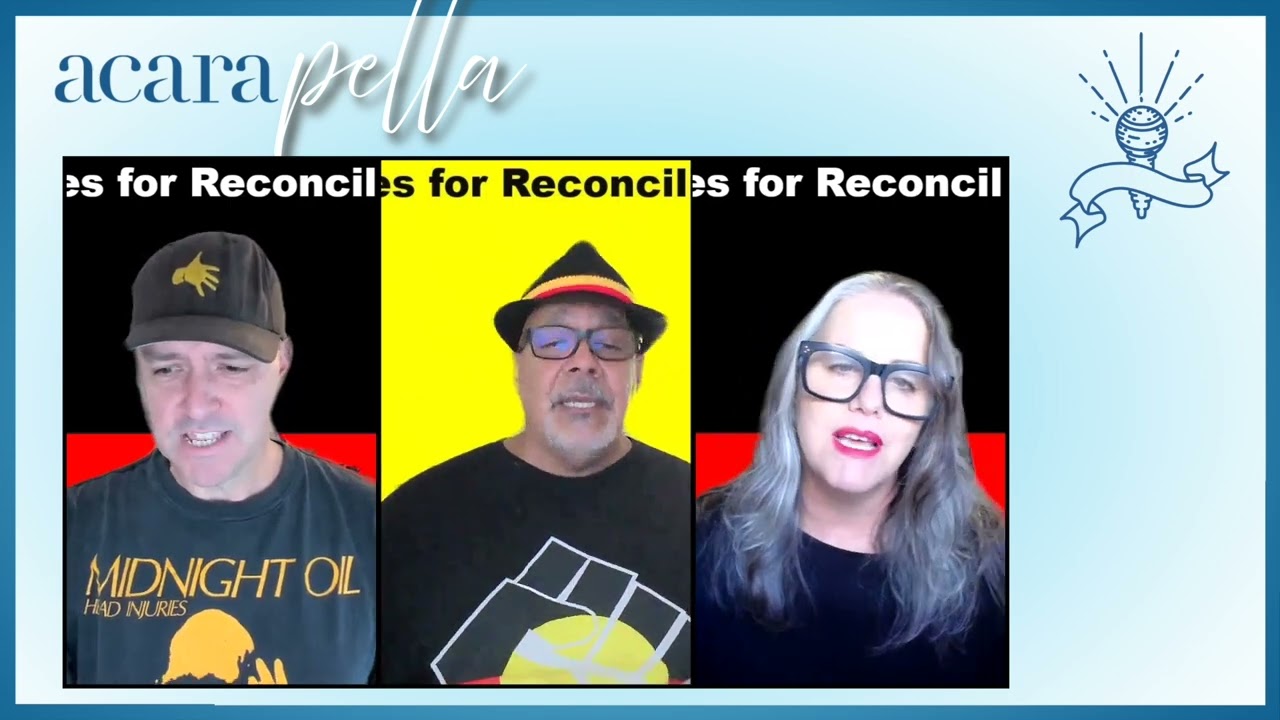
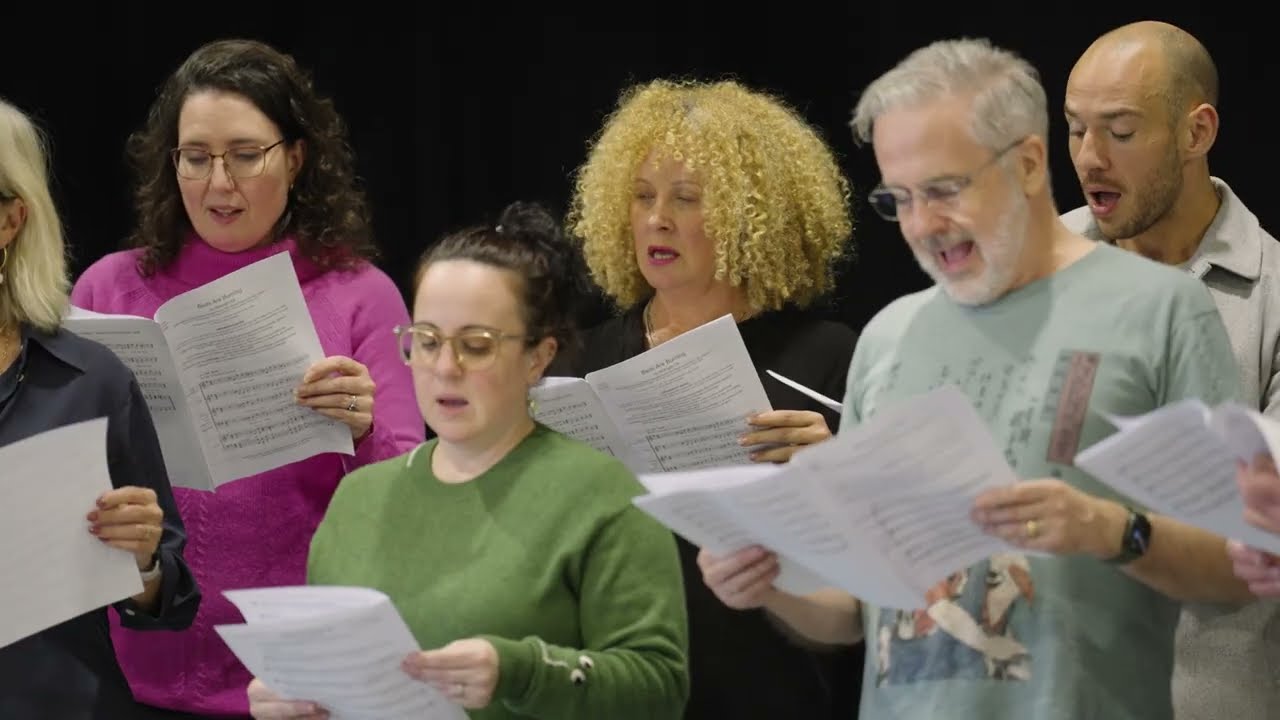
The Voices for Reconciliation 2026 song is the classic land rights anthem Beds Are Burning by Midnight Oil.

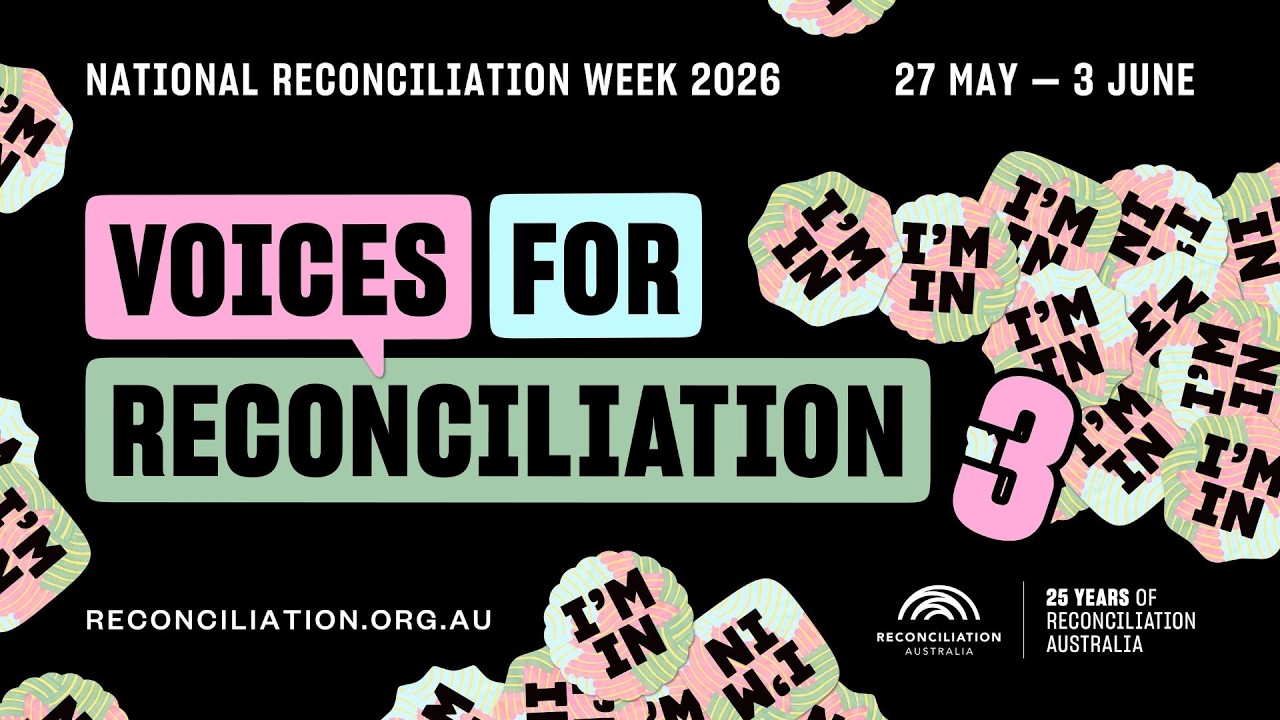
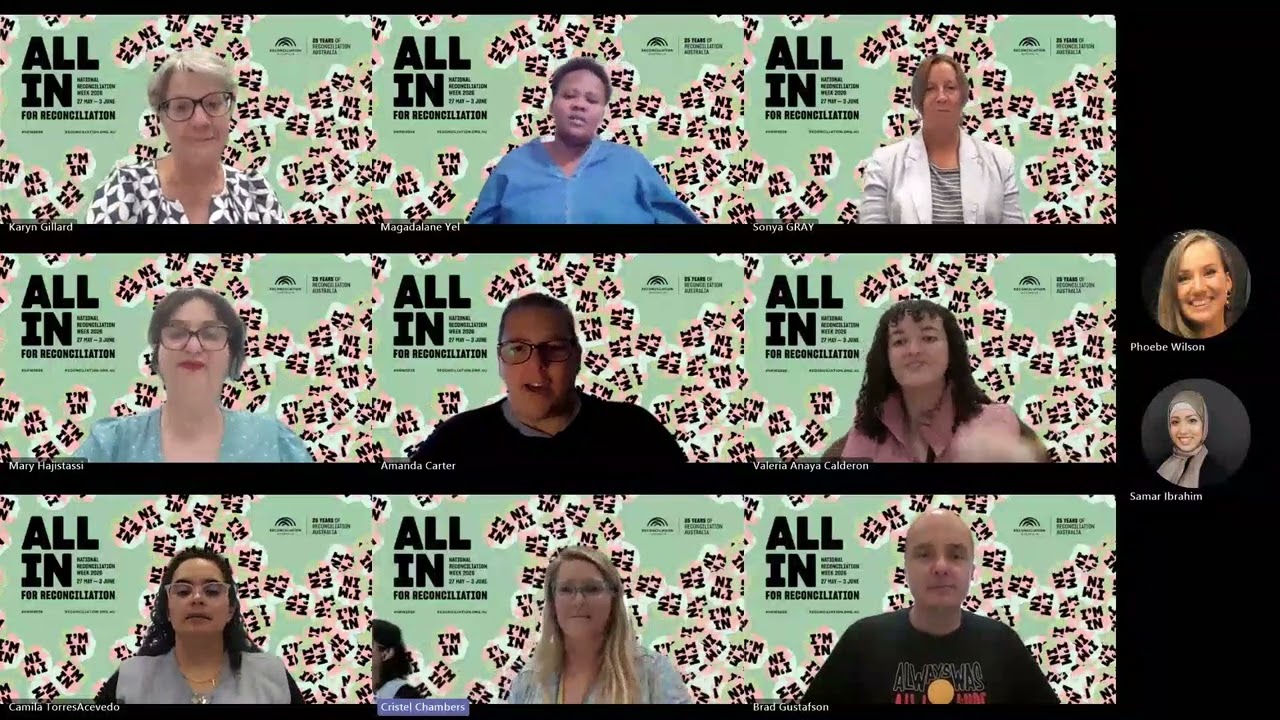
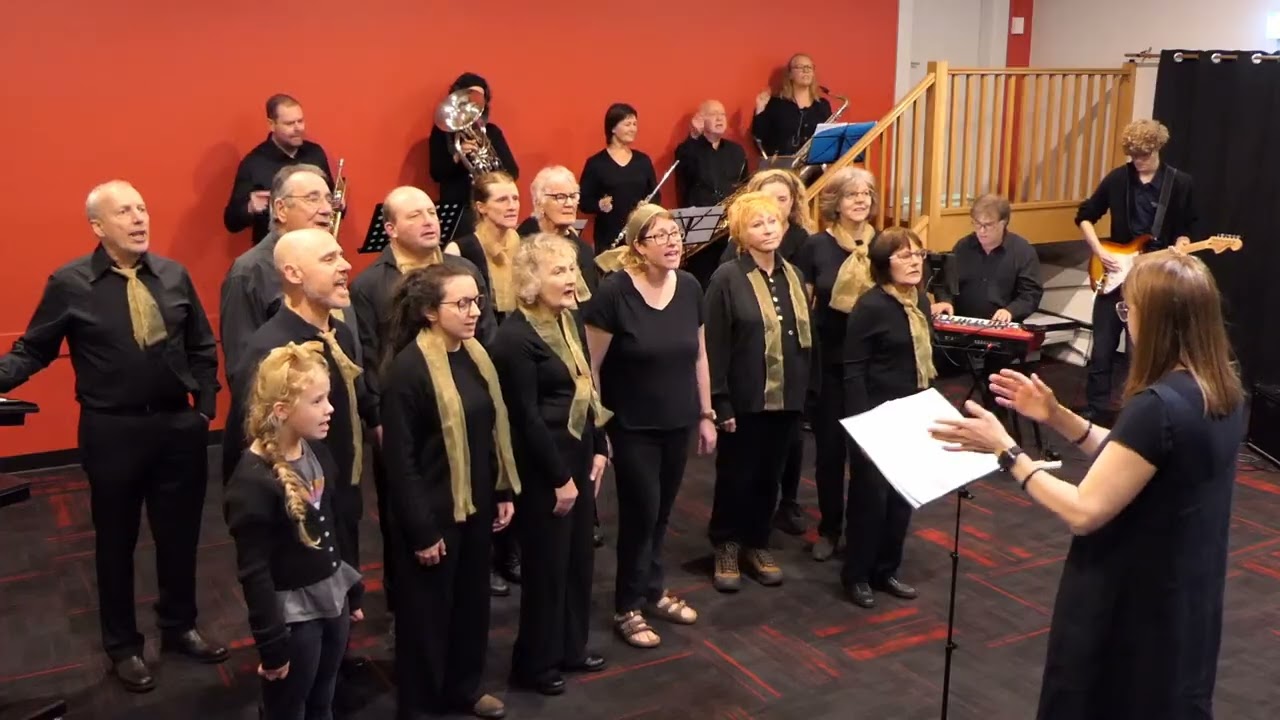
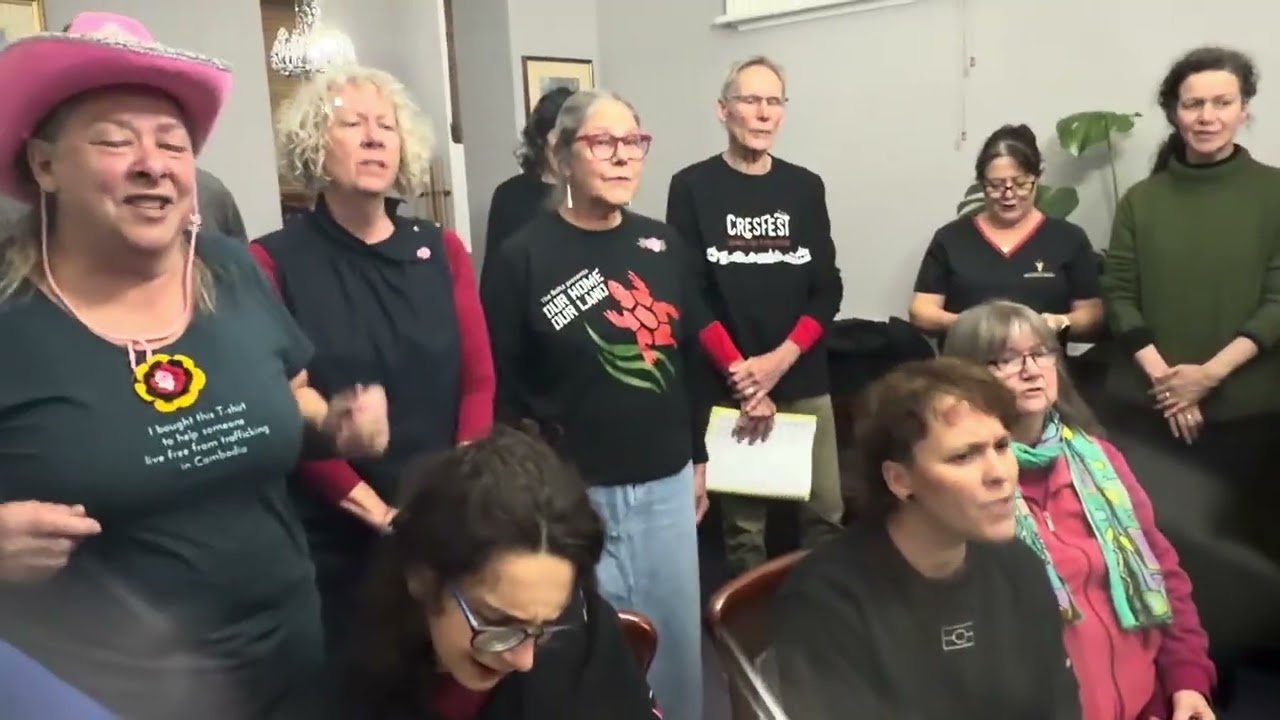
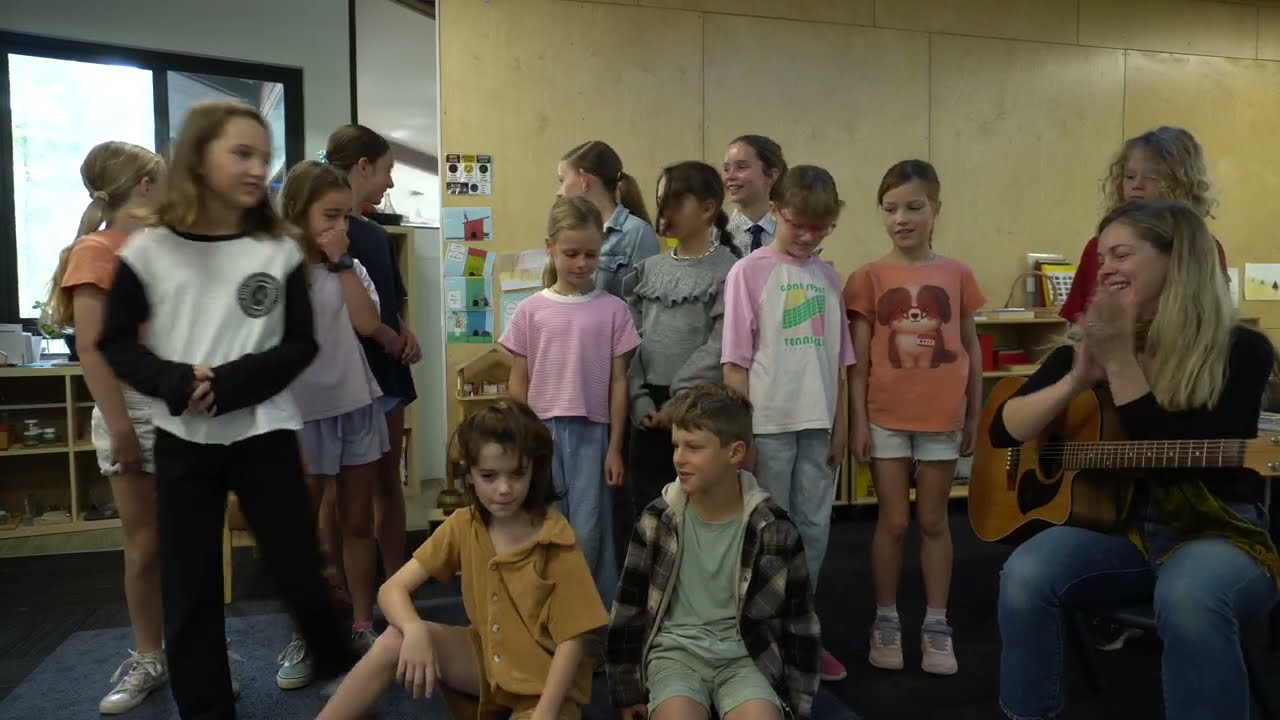
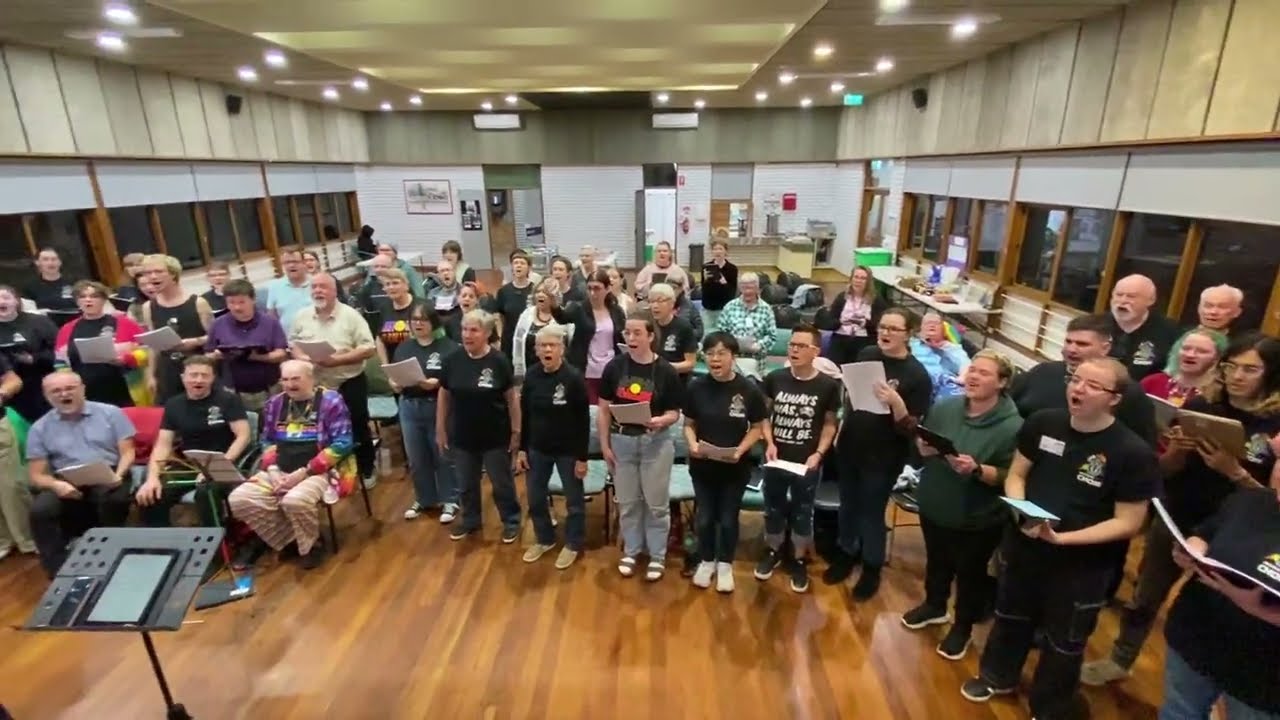
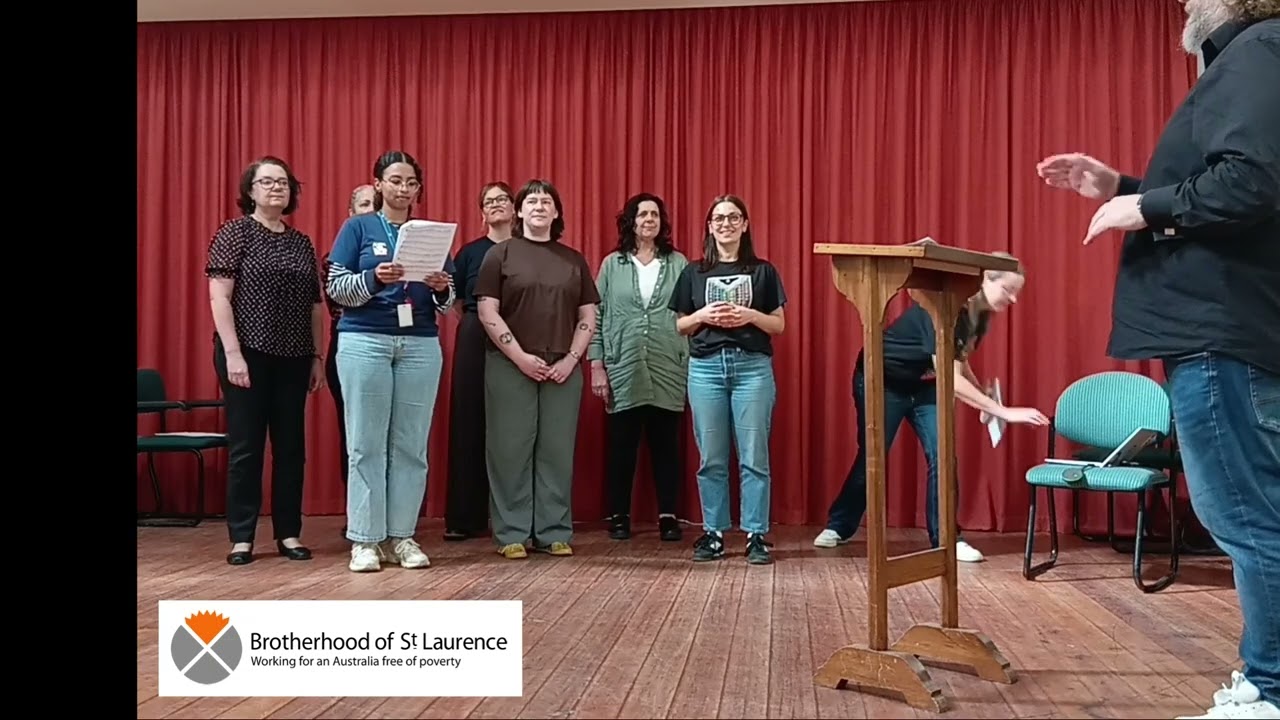
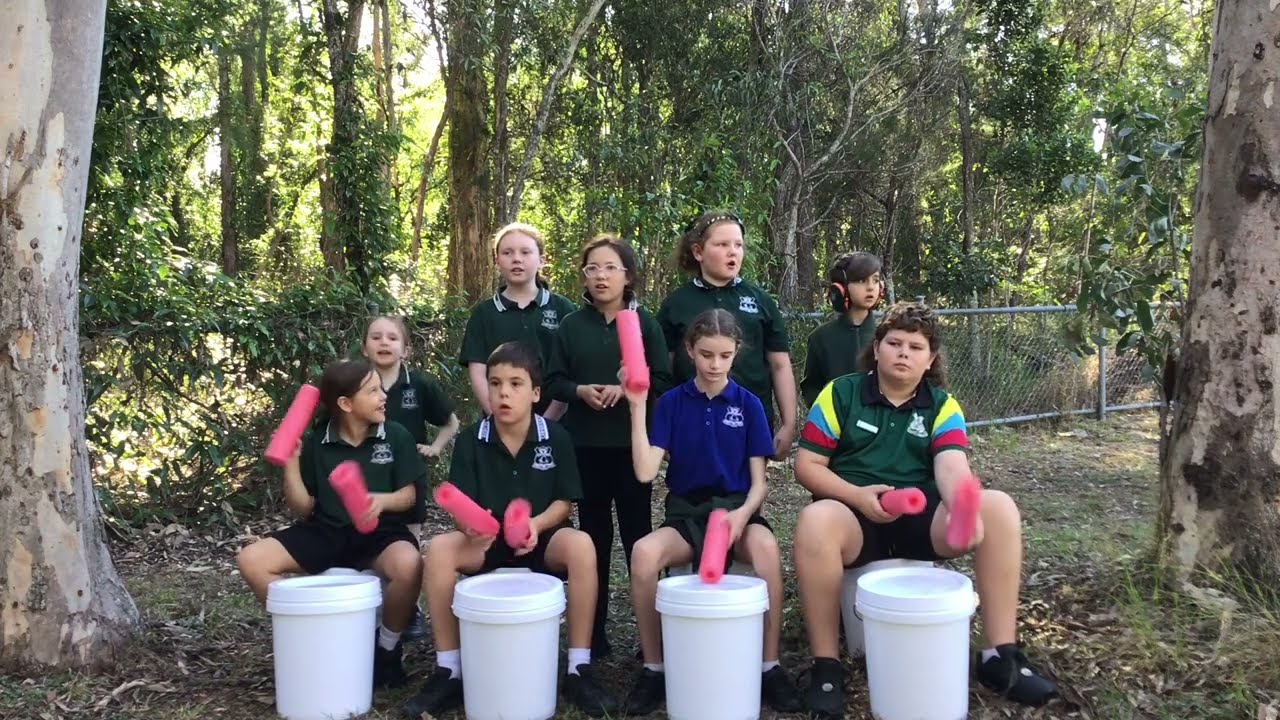
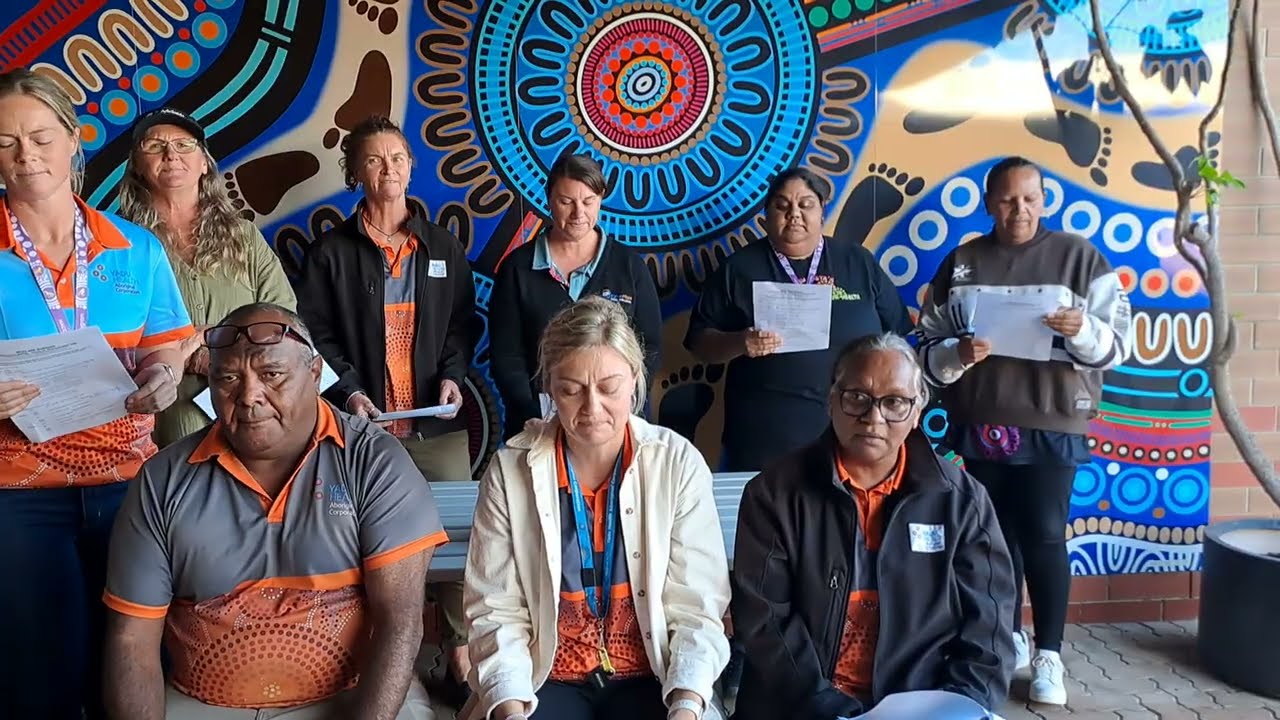
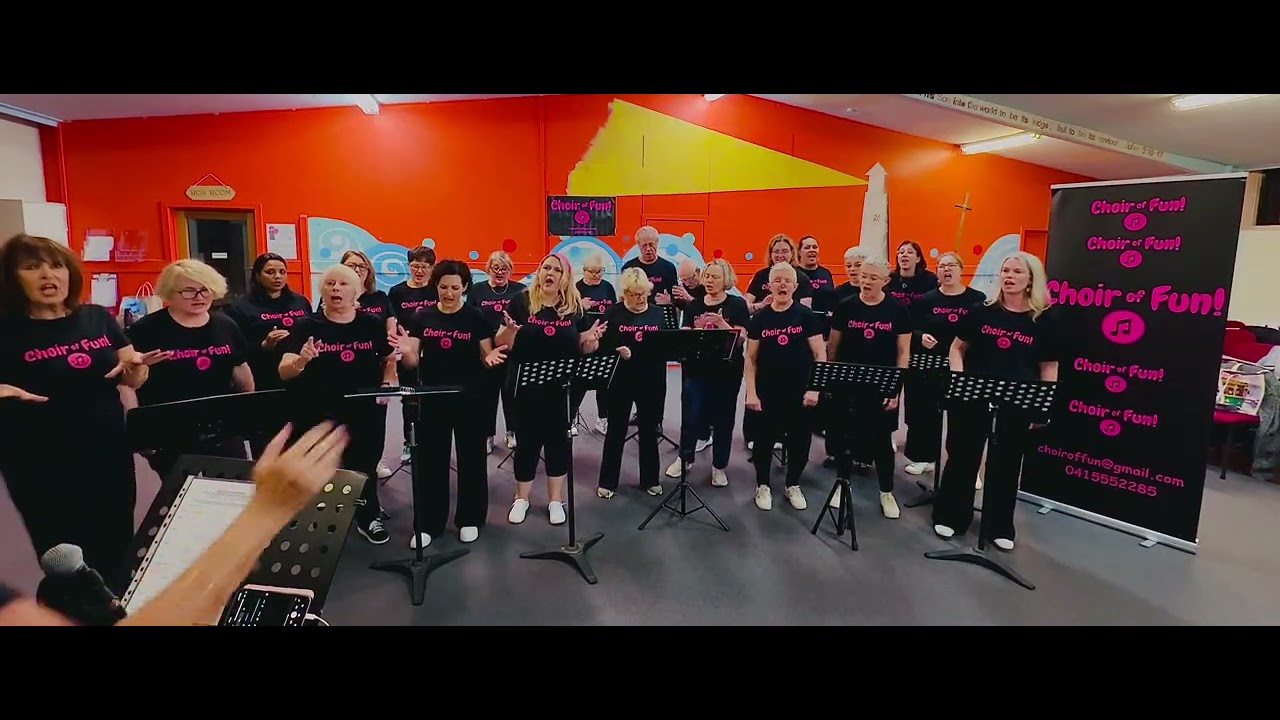
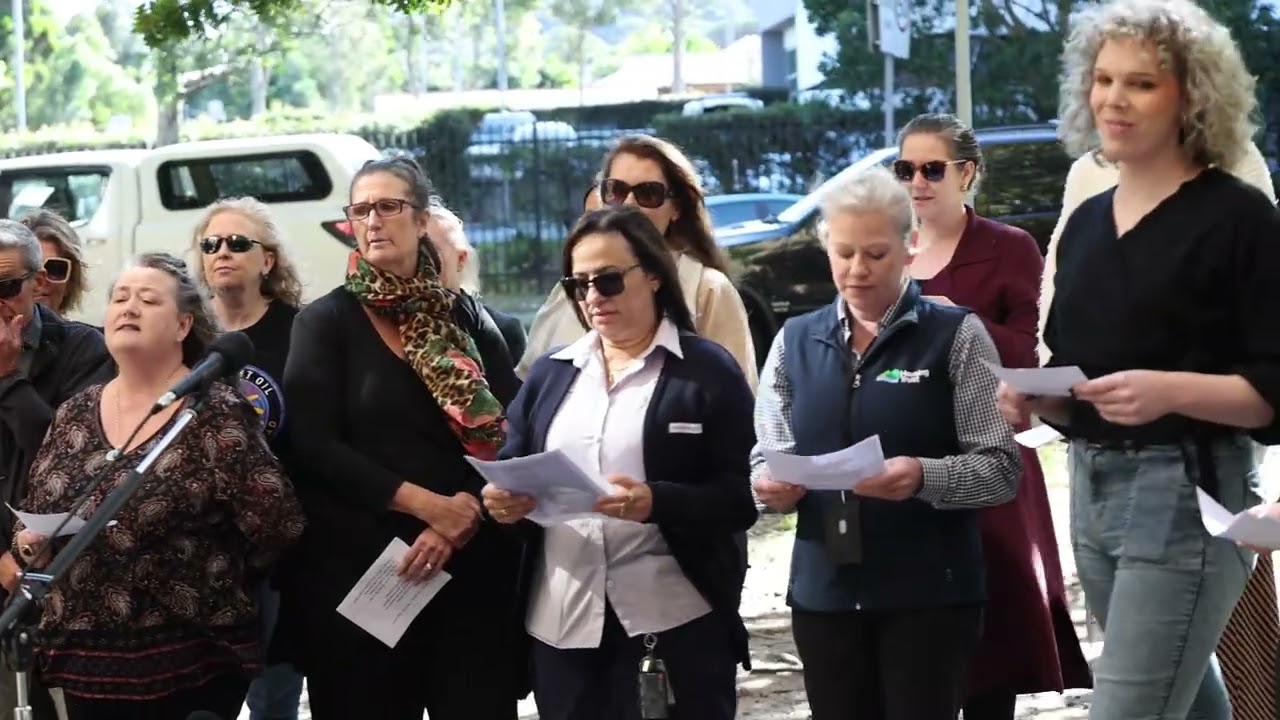
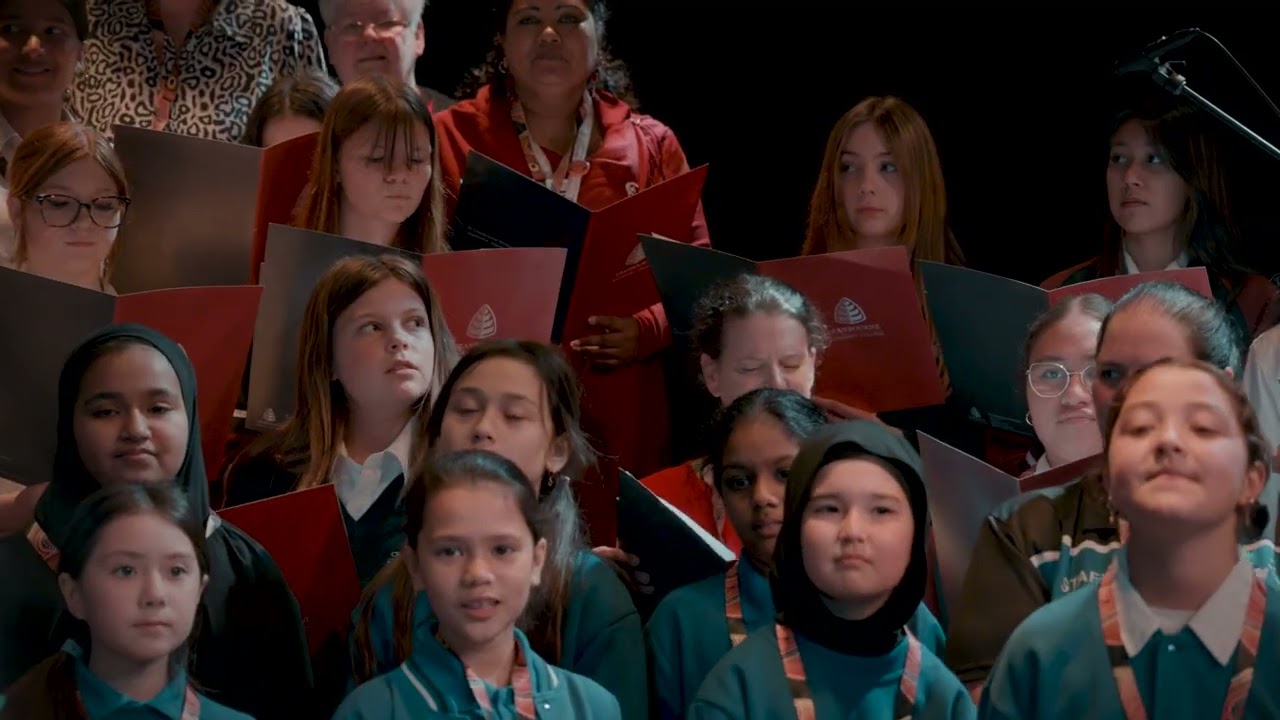
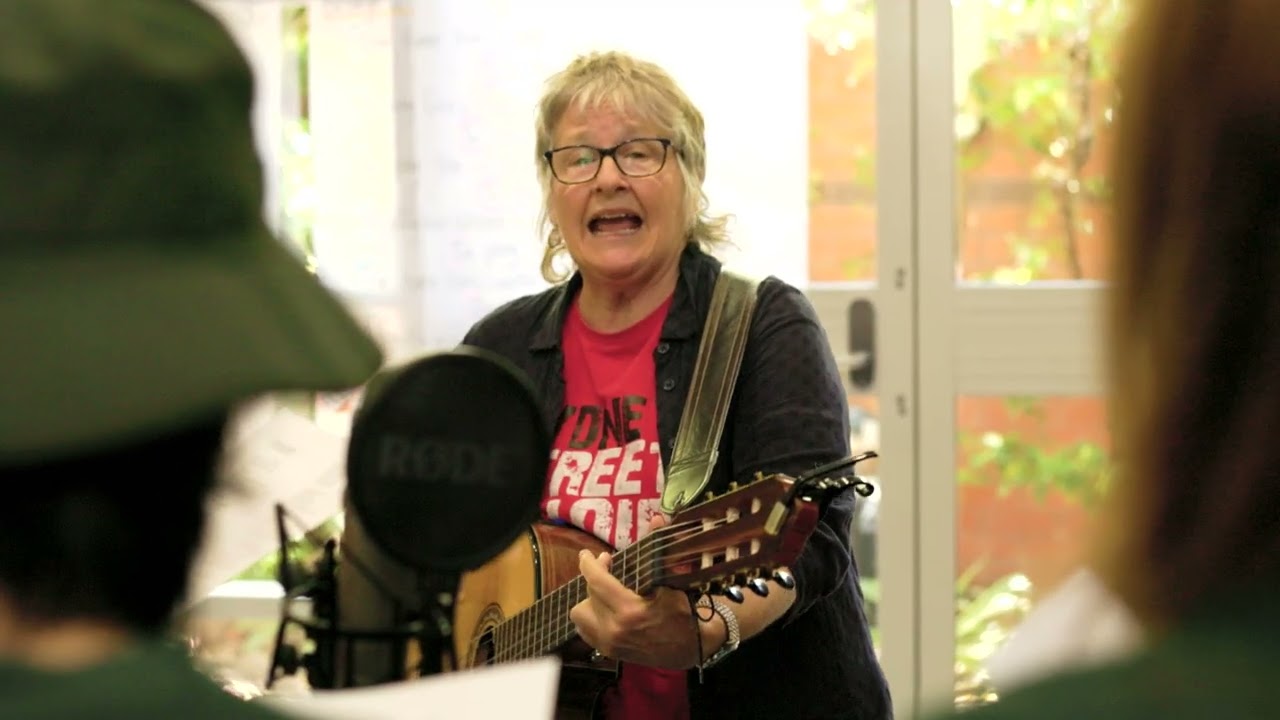
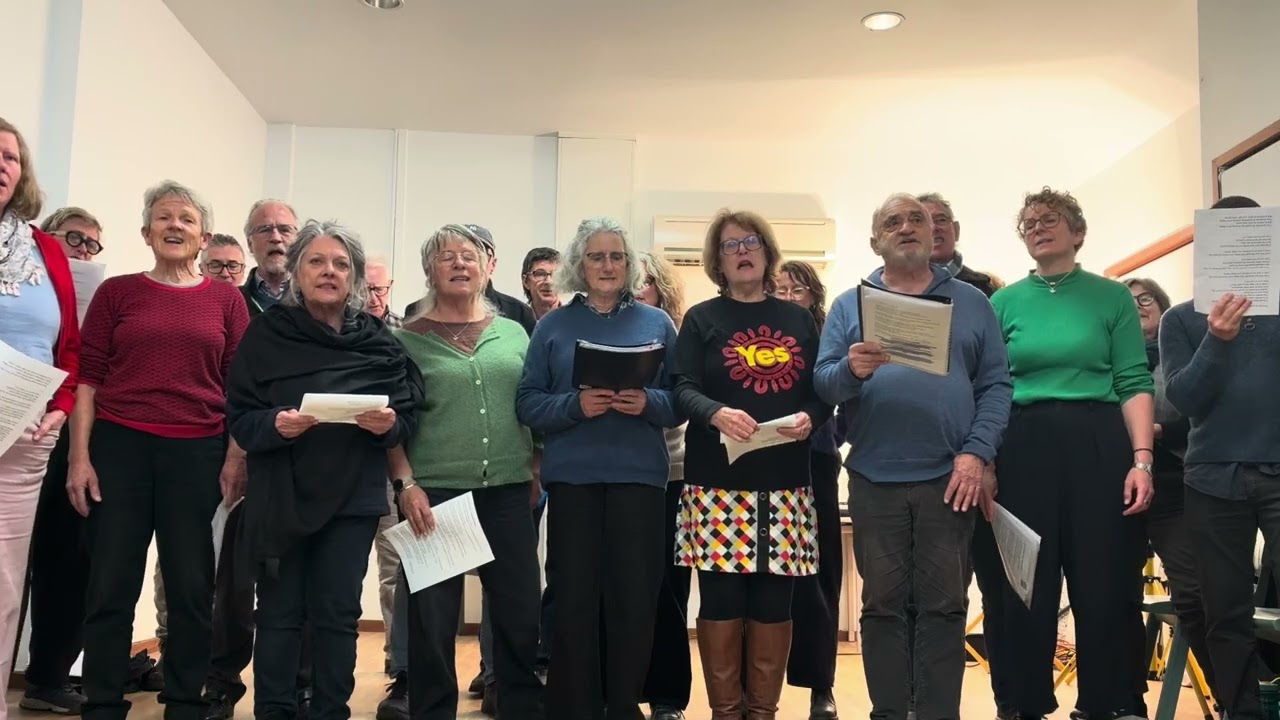
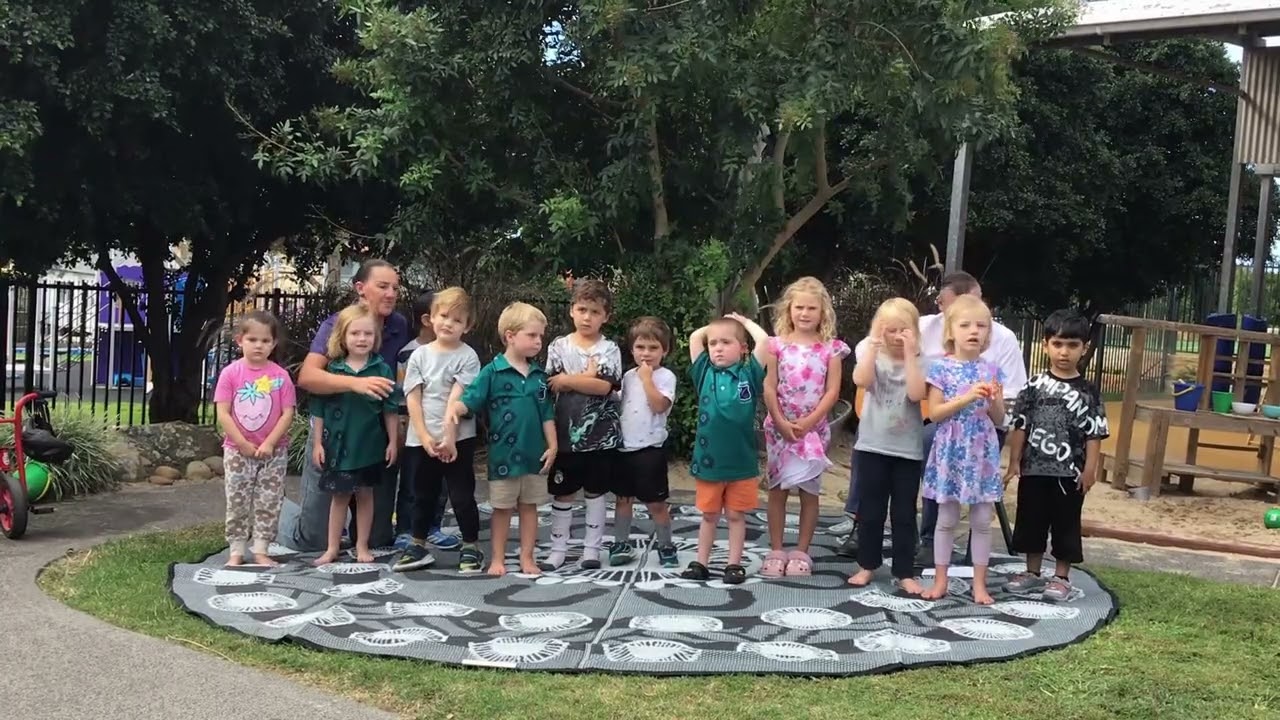
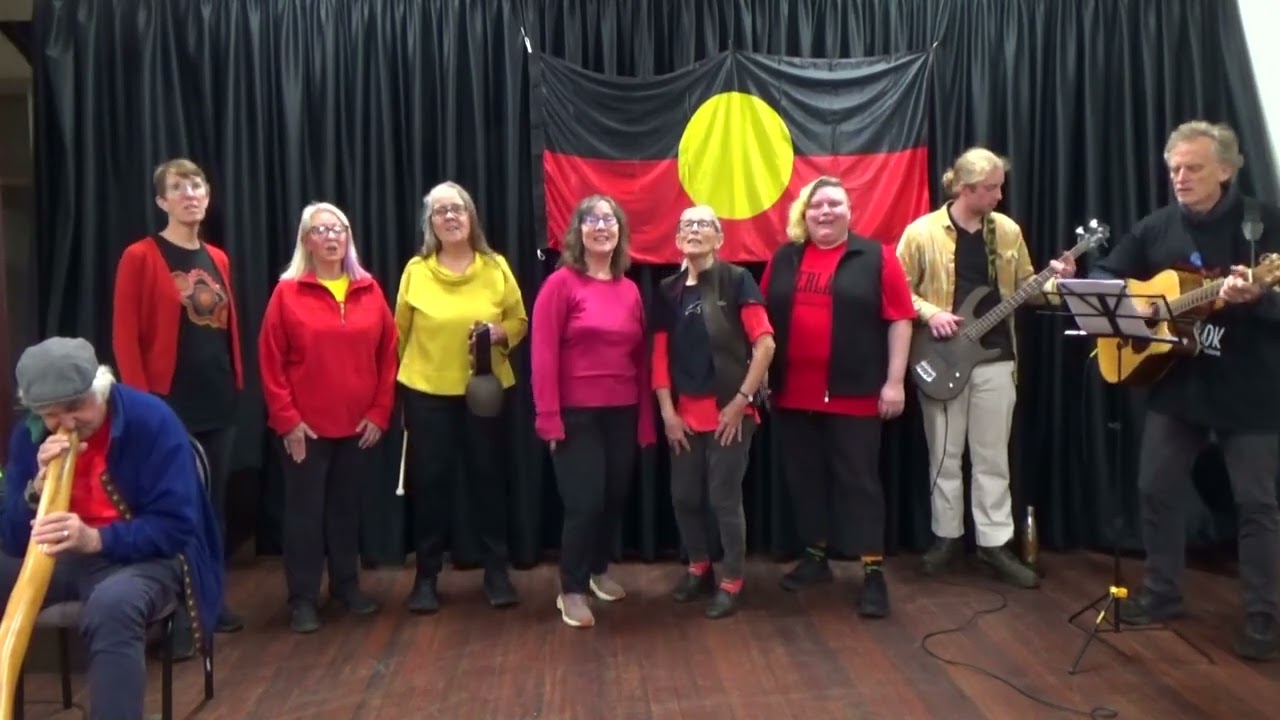
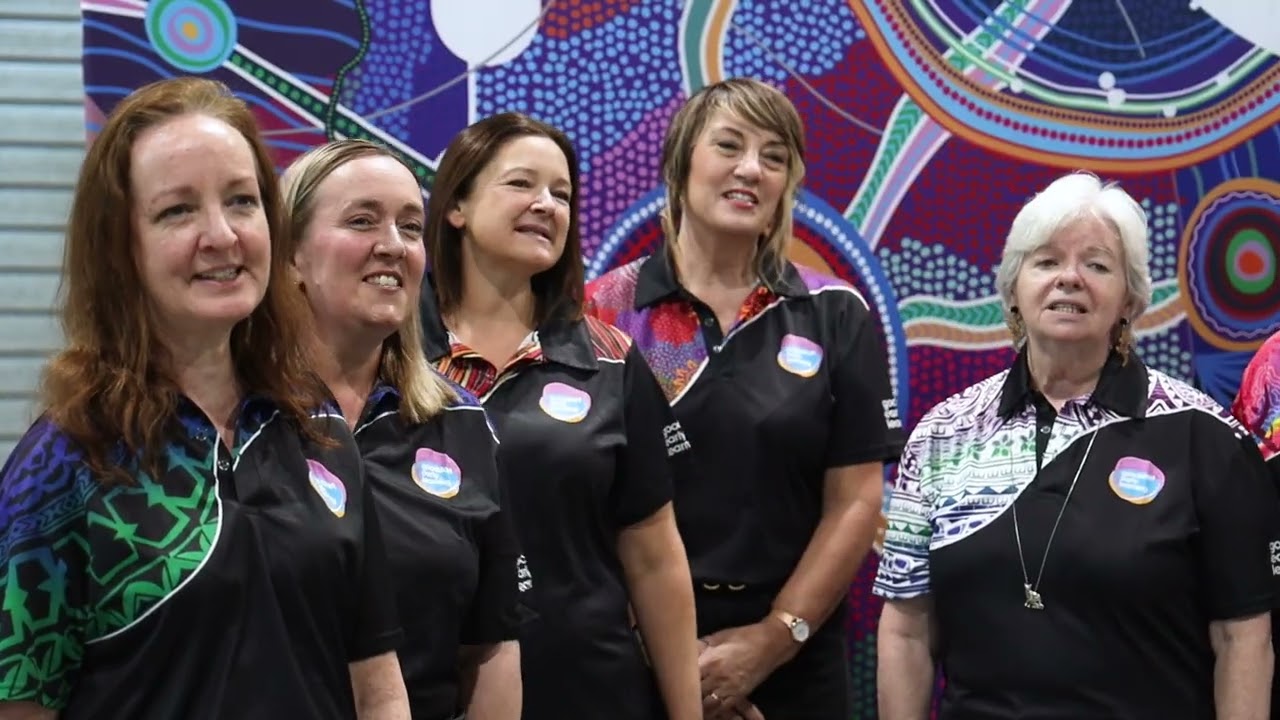
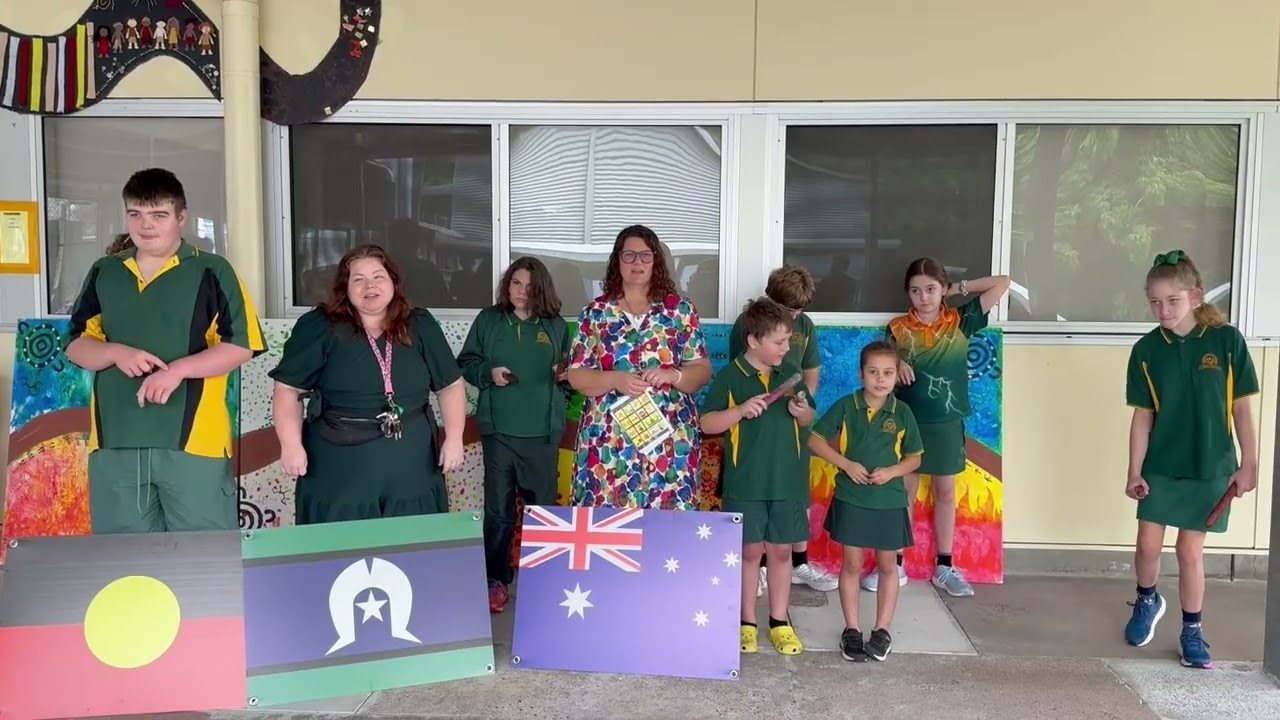
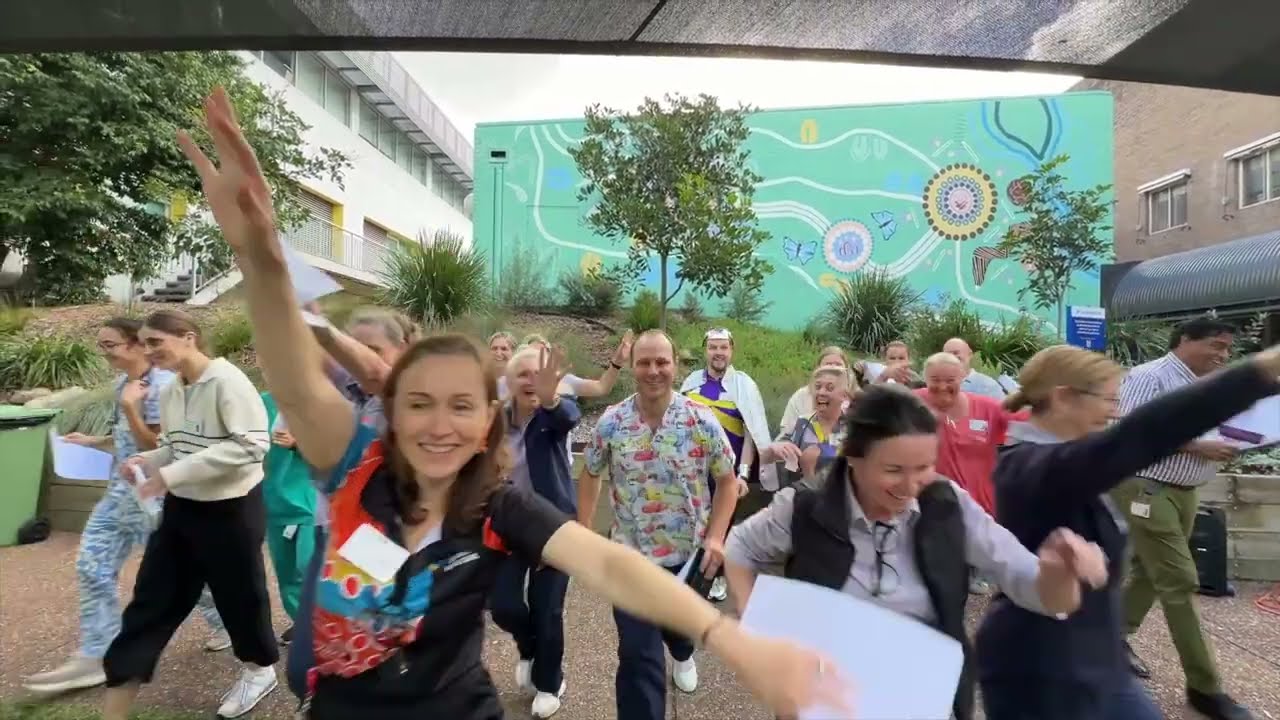
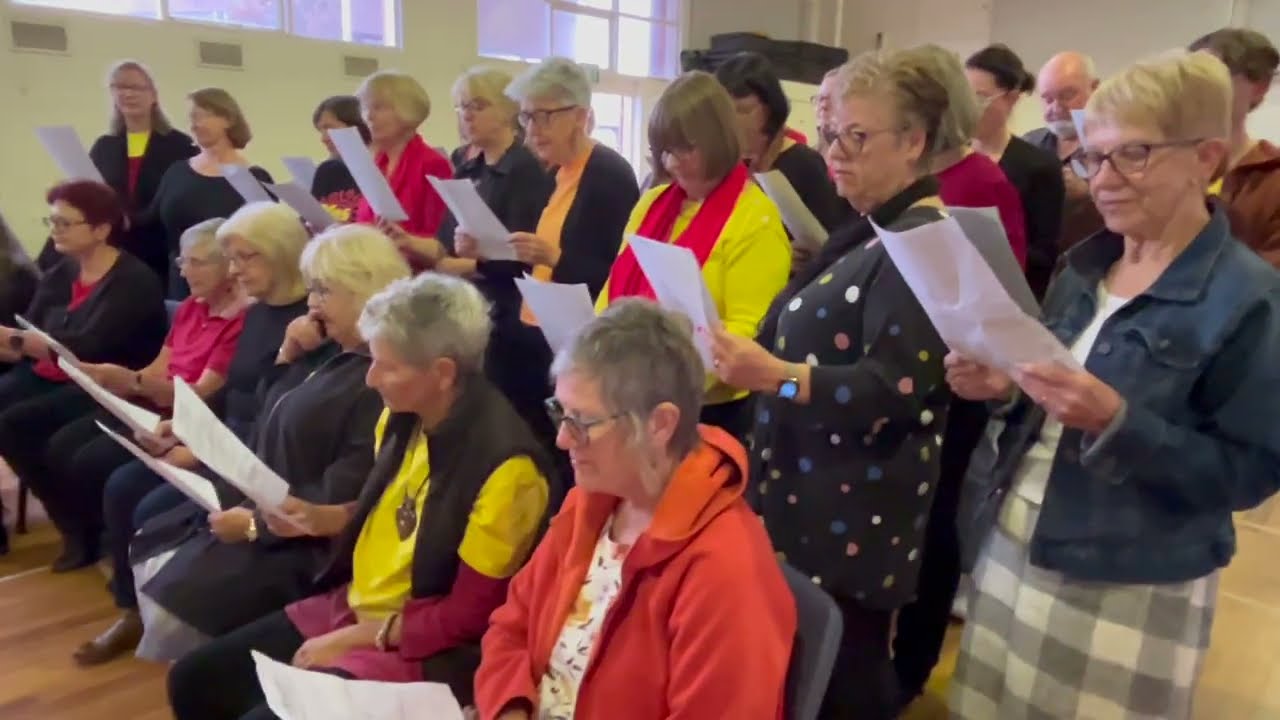
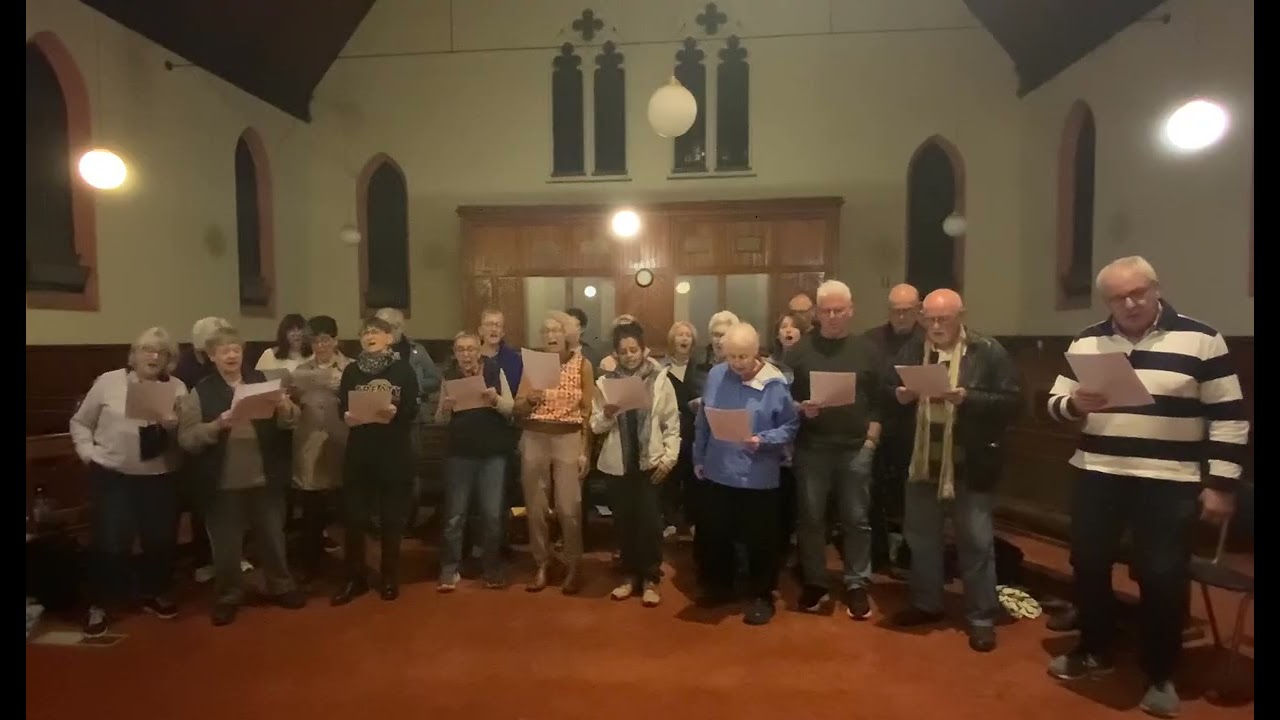
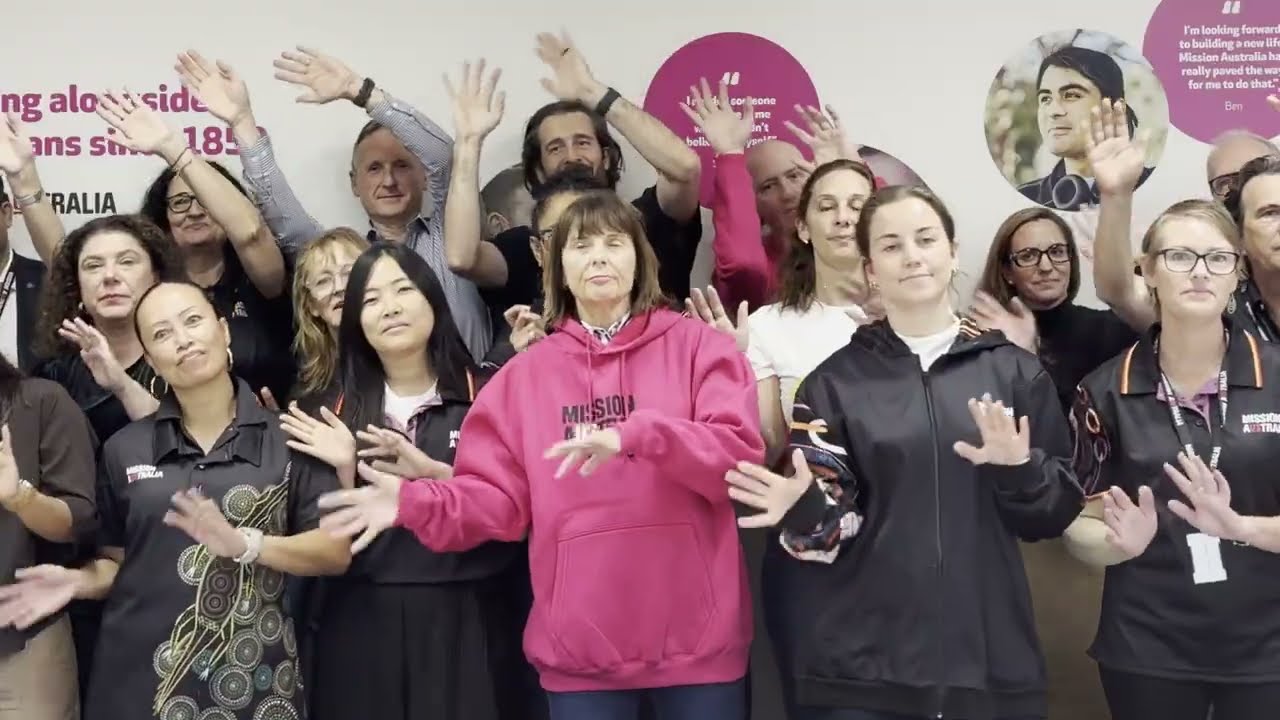
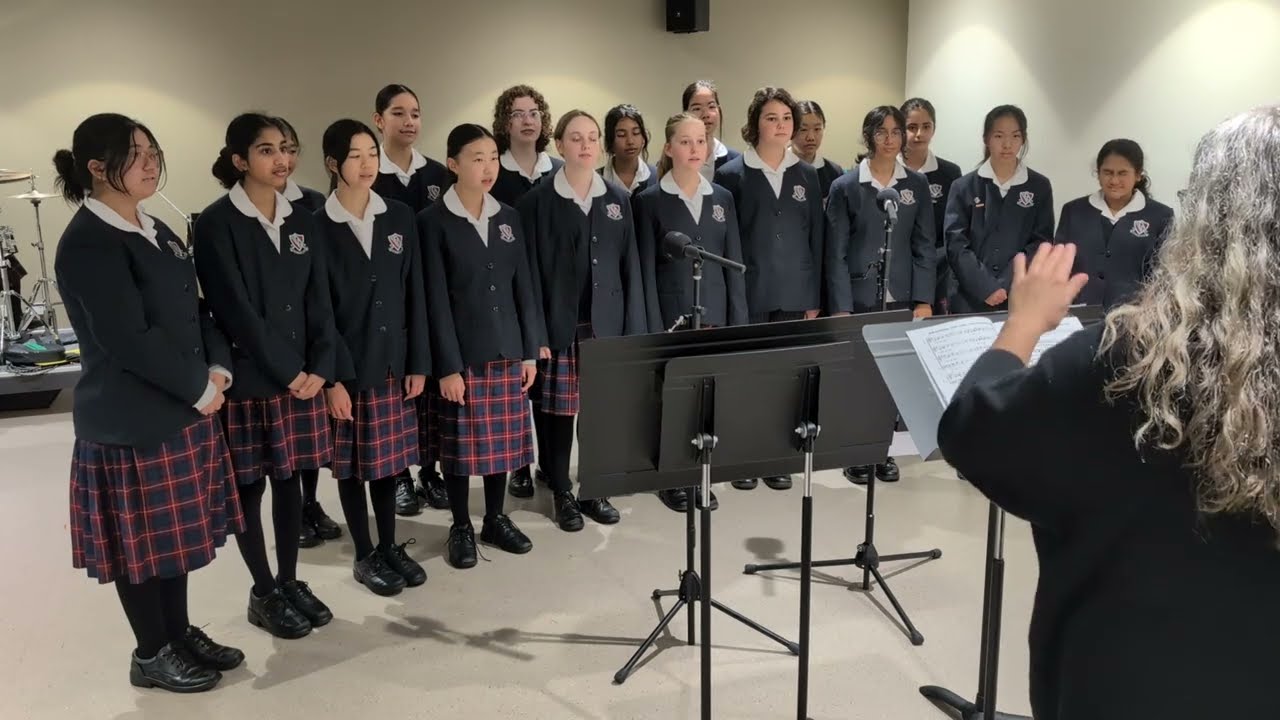
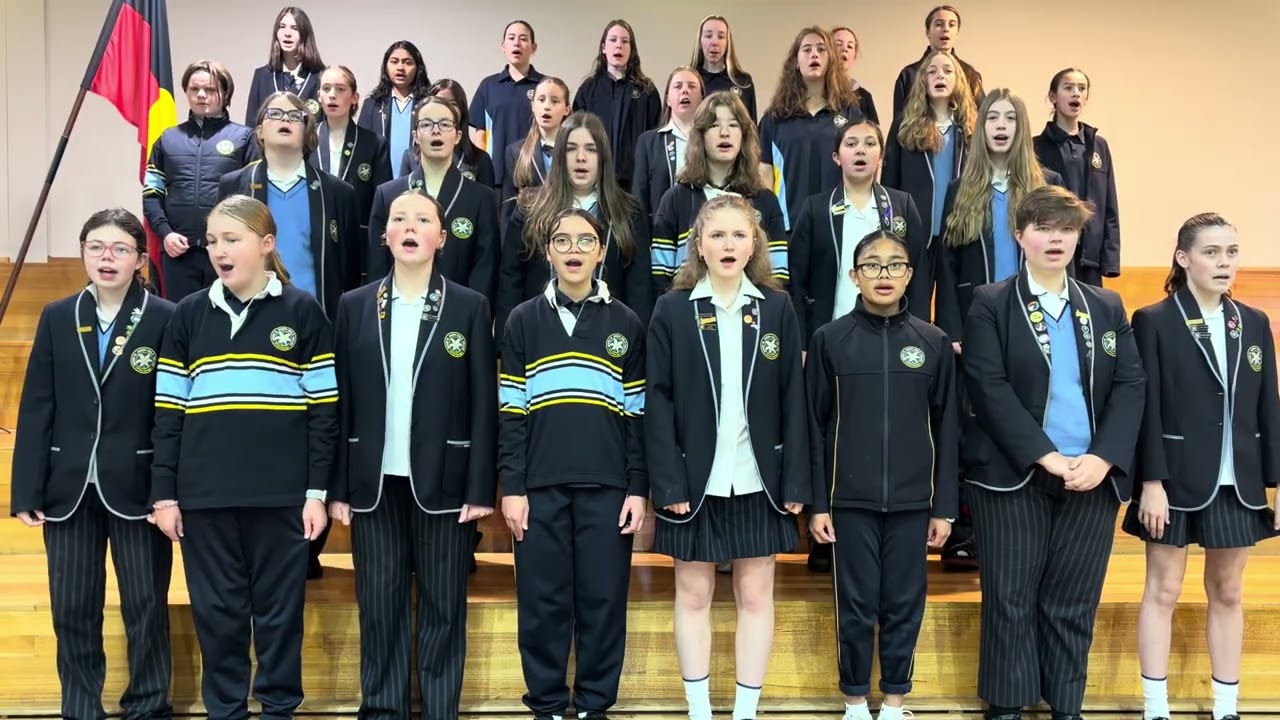
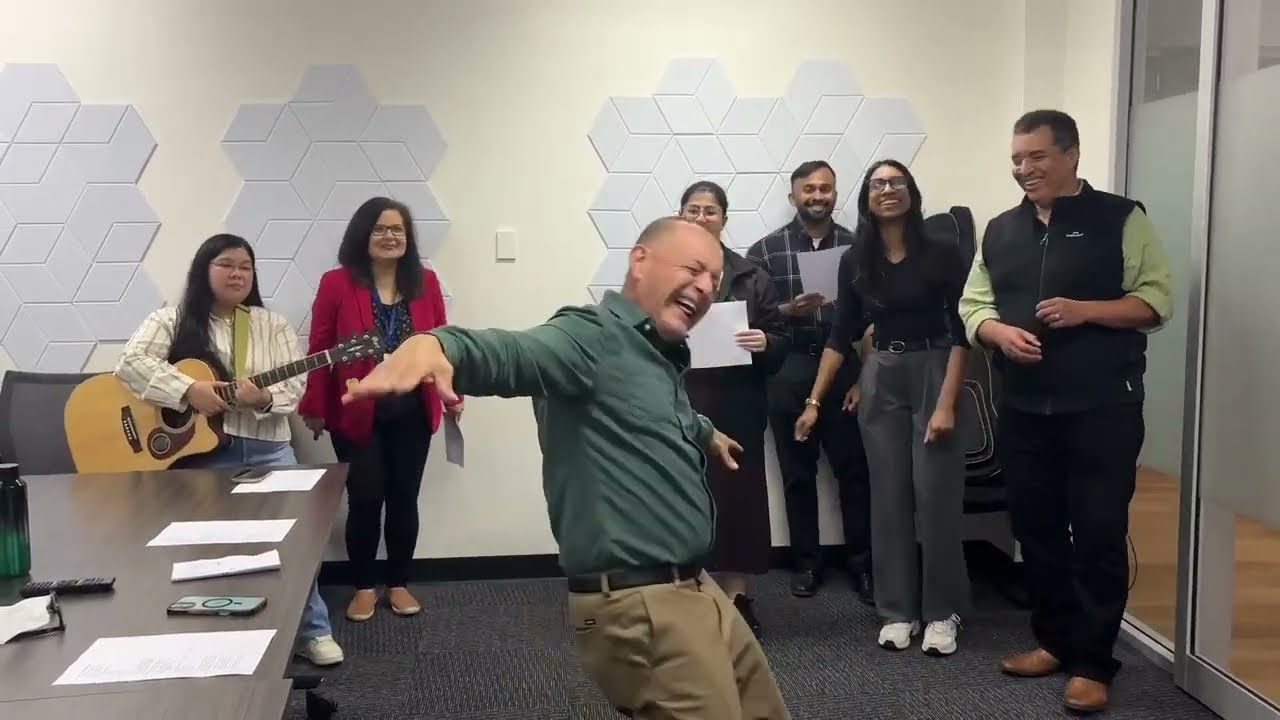
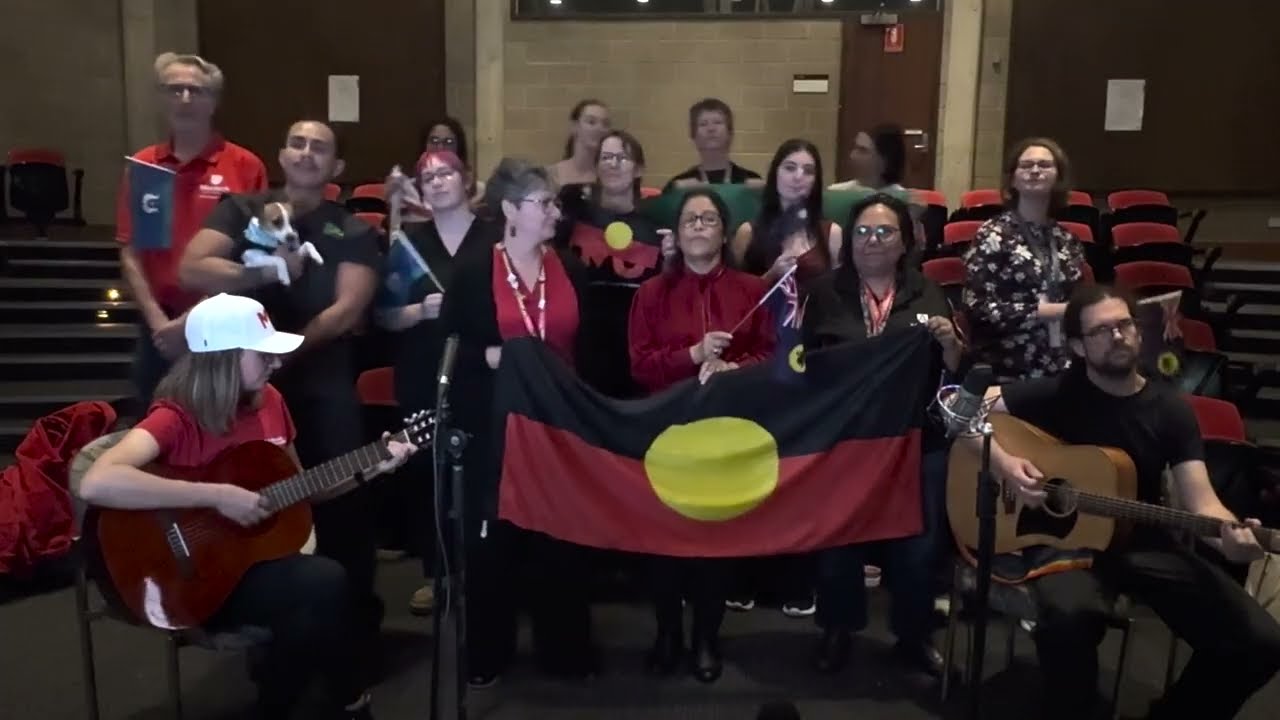
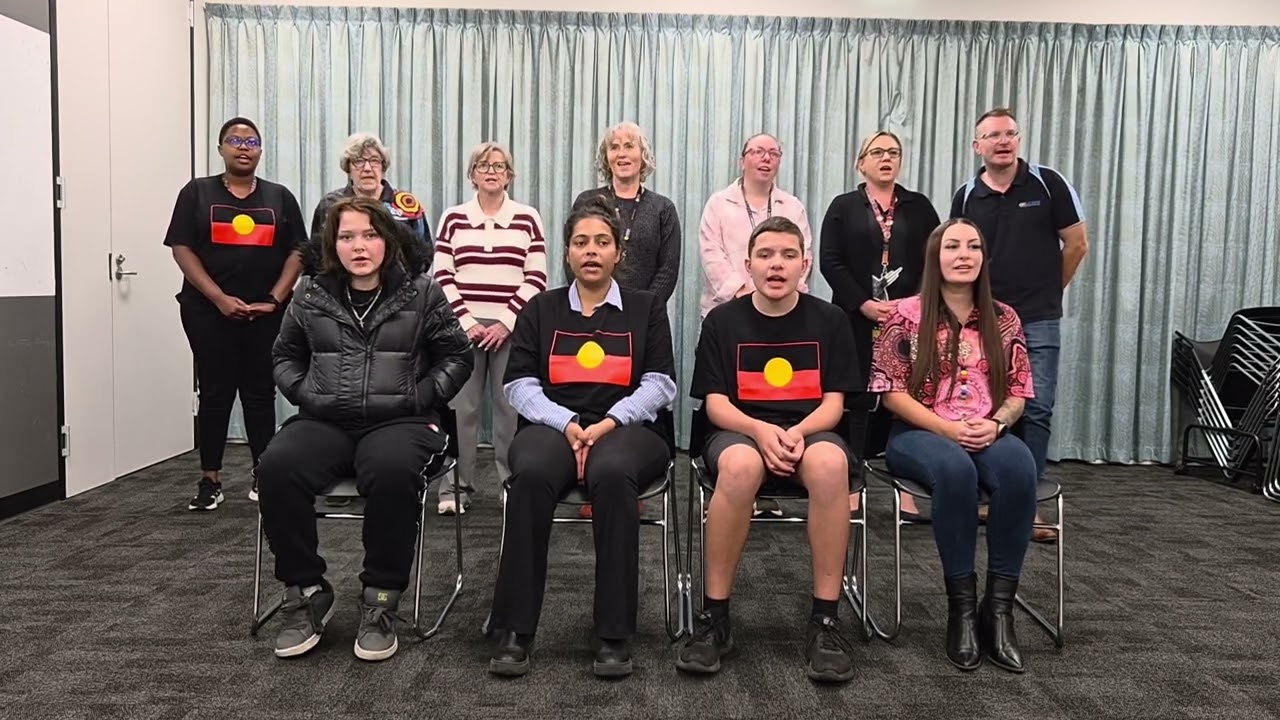
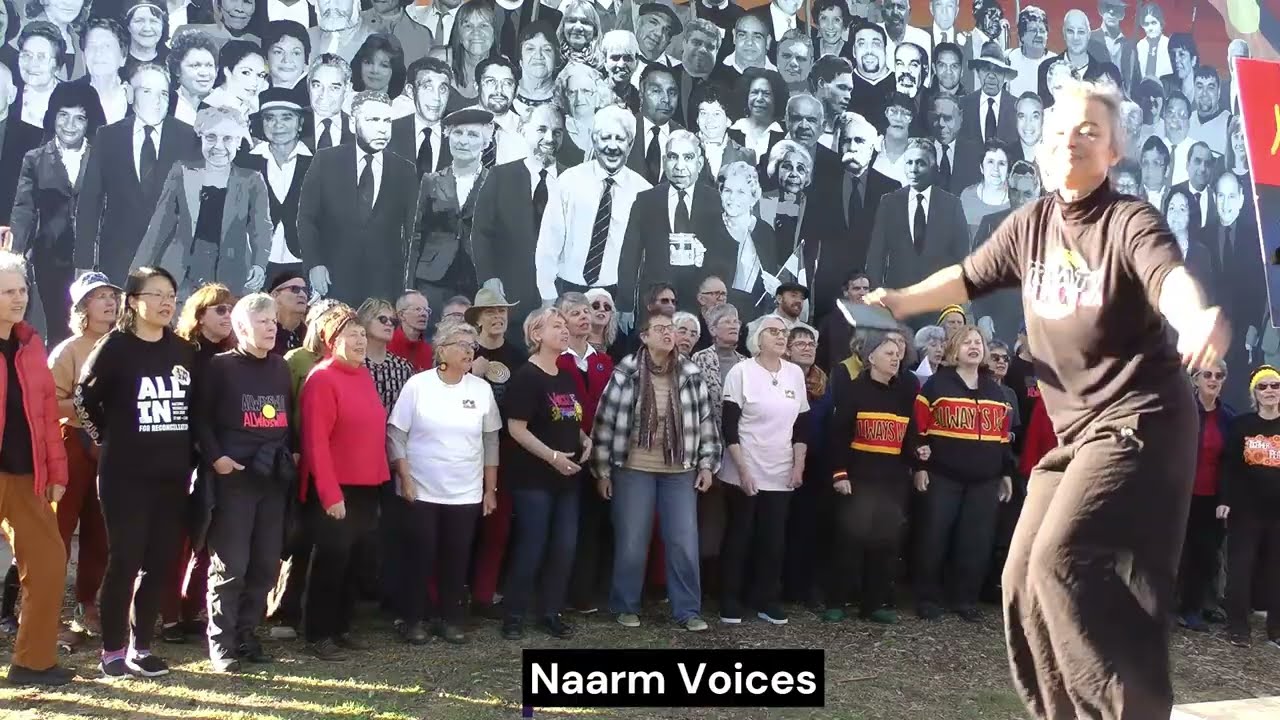
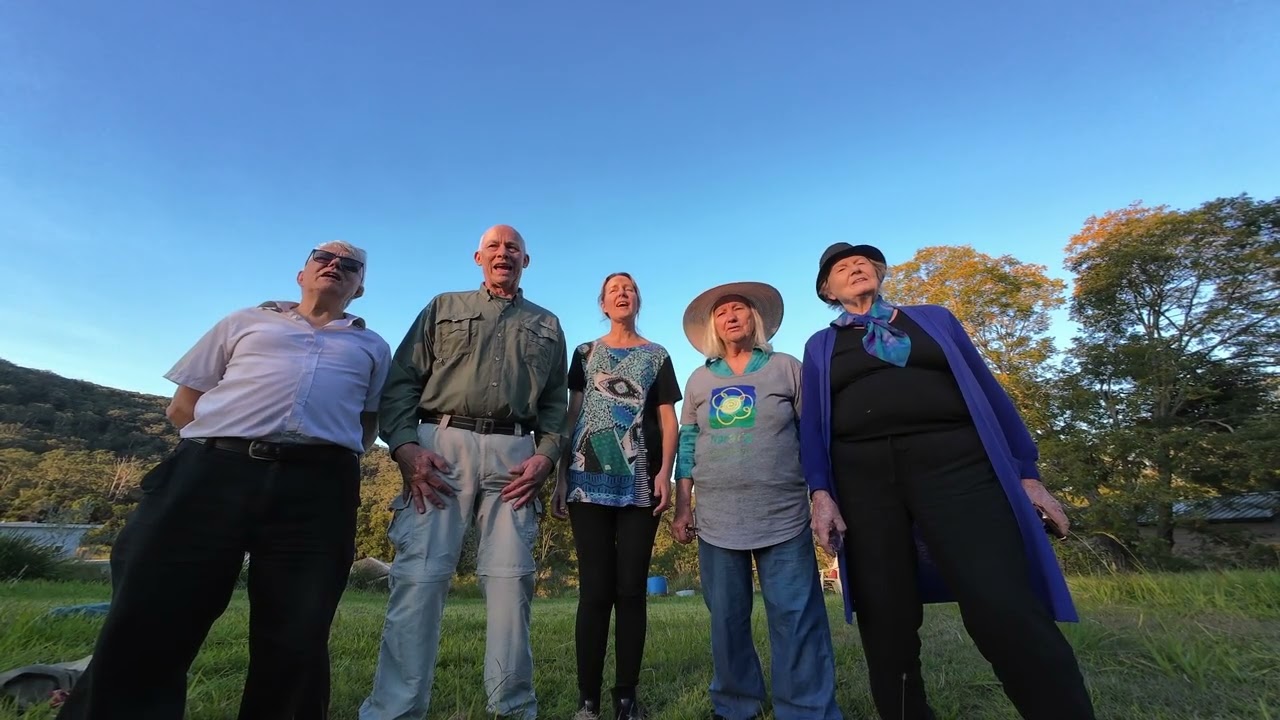
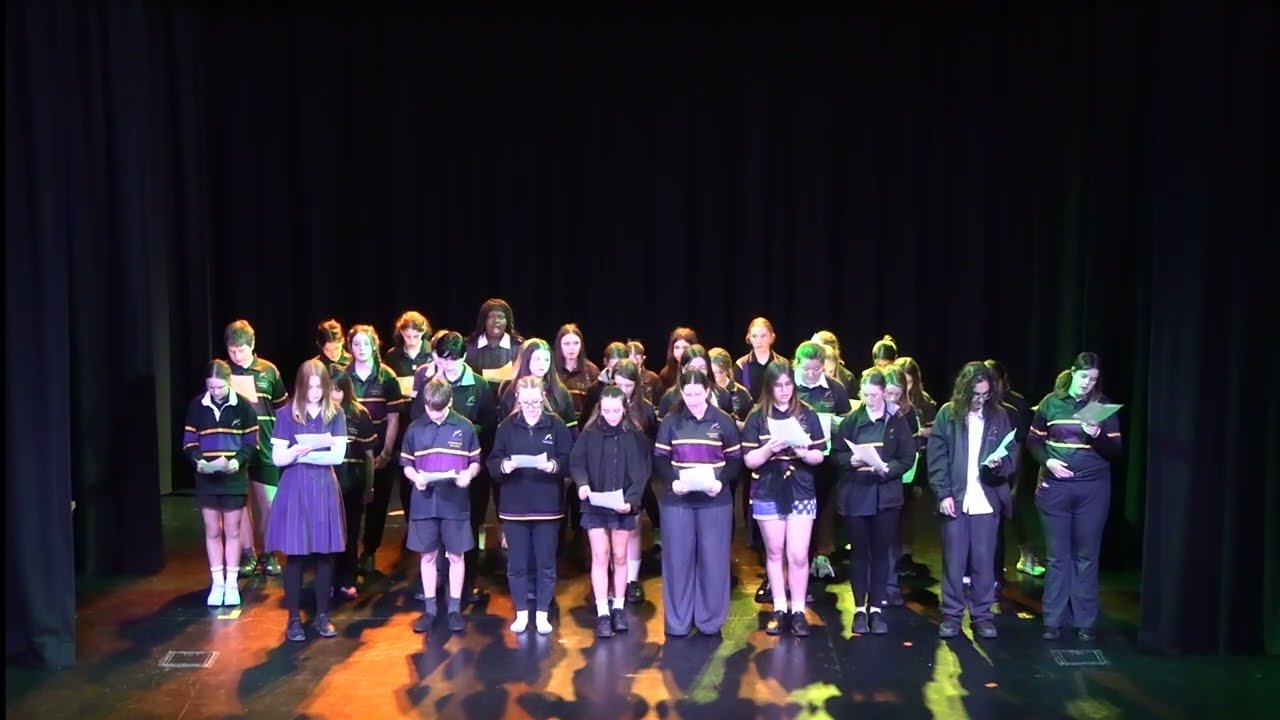
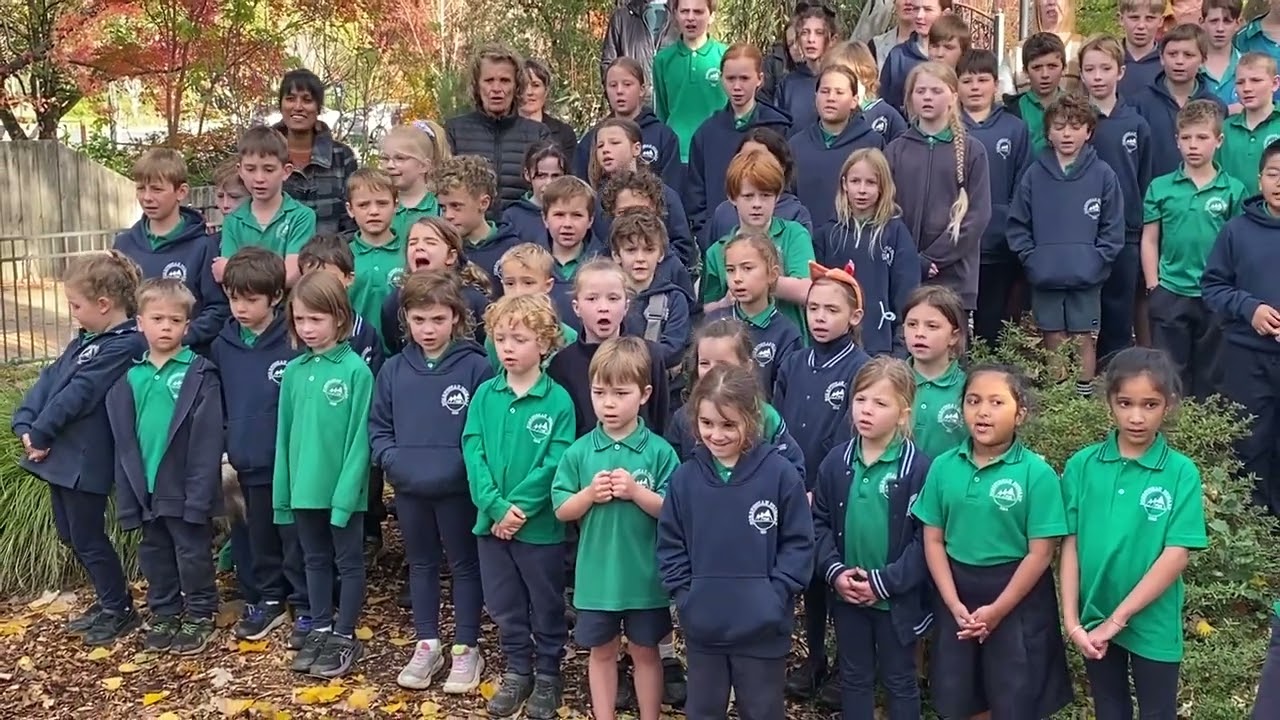
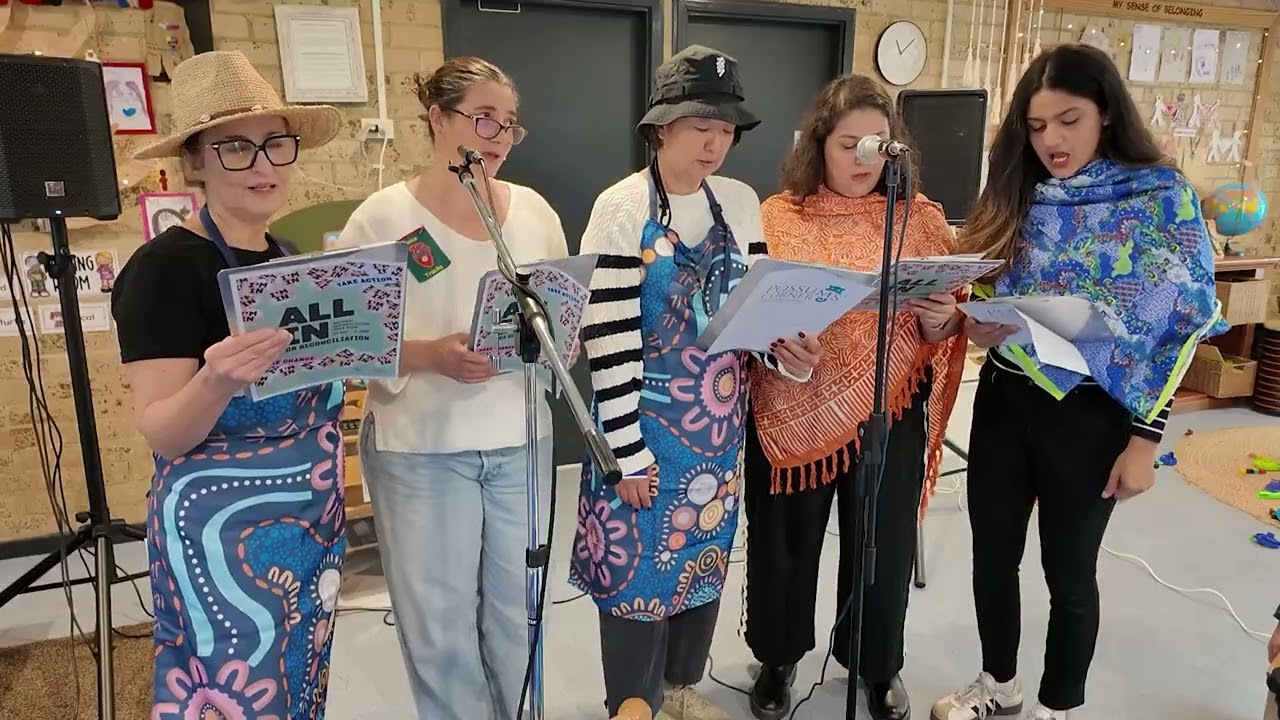
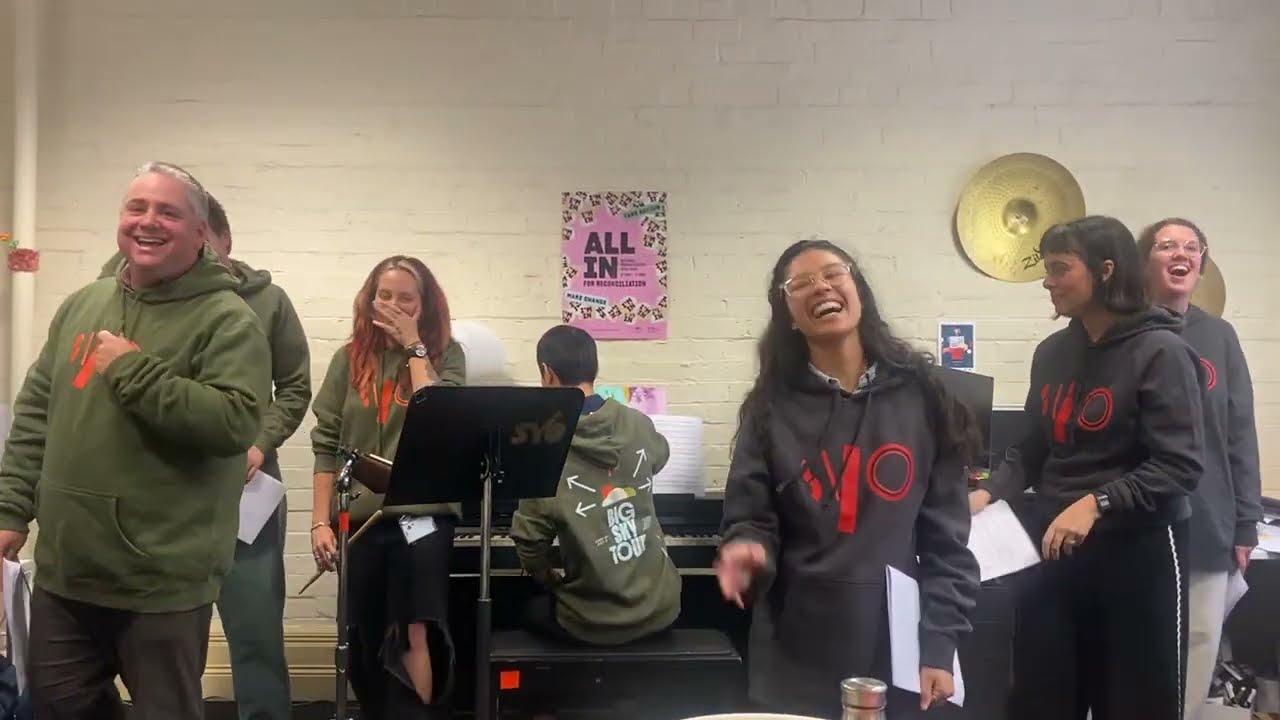
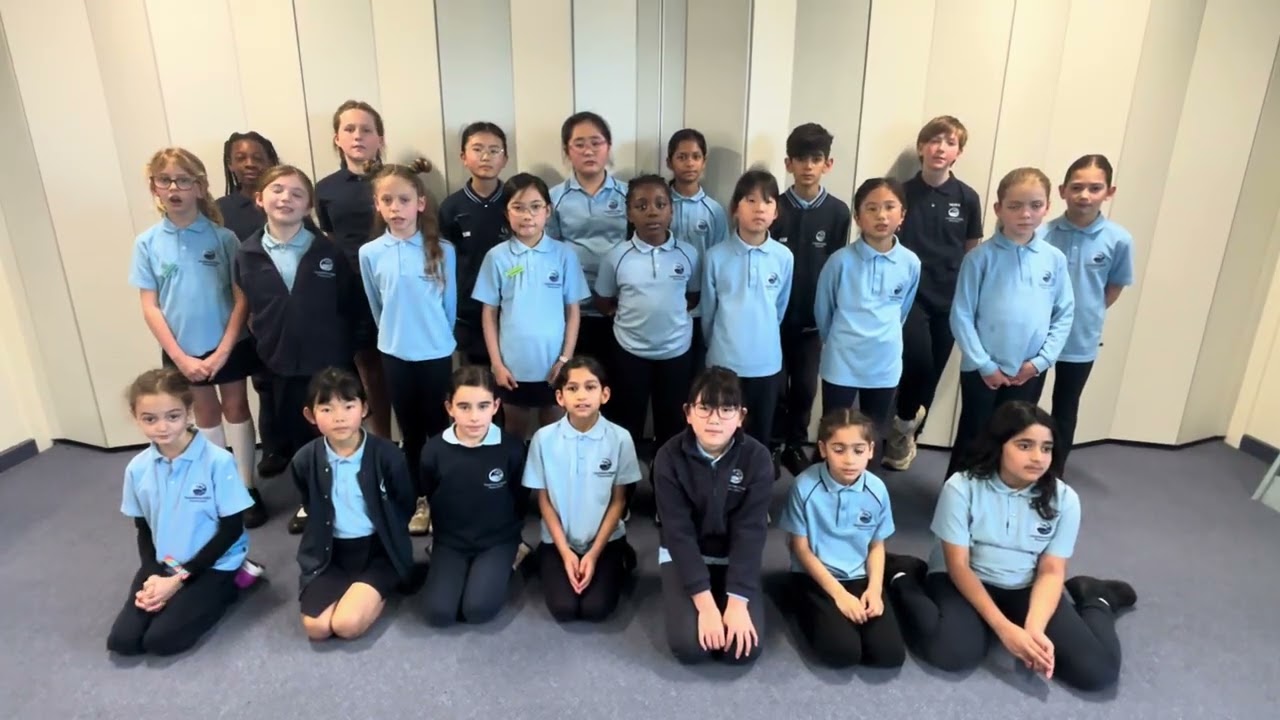
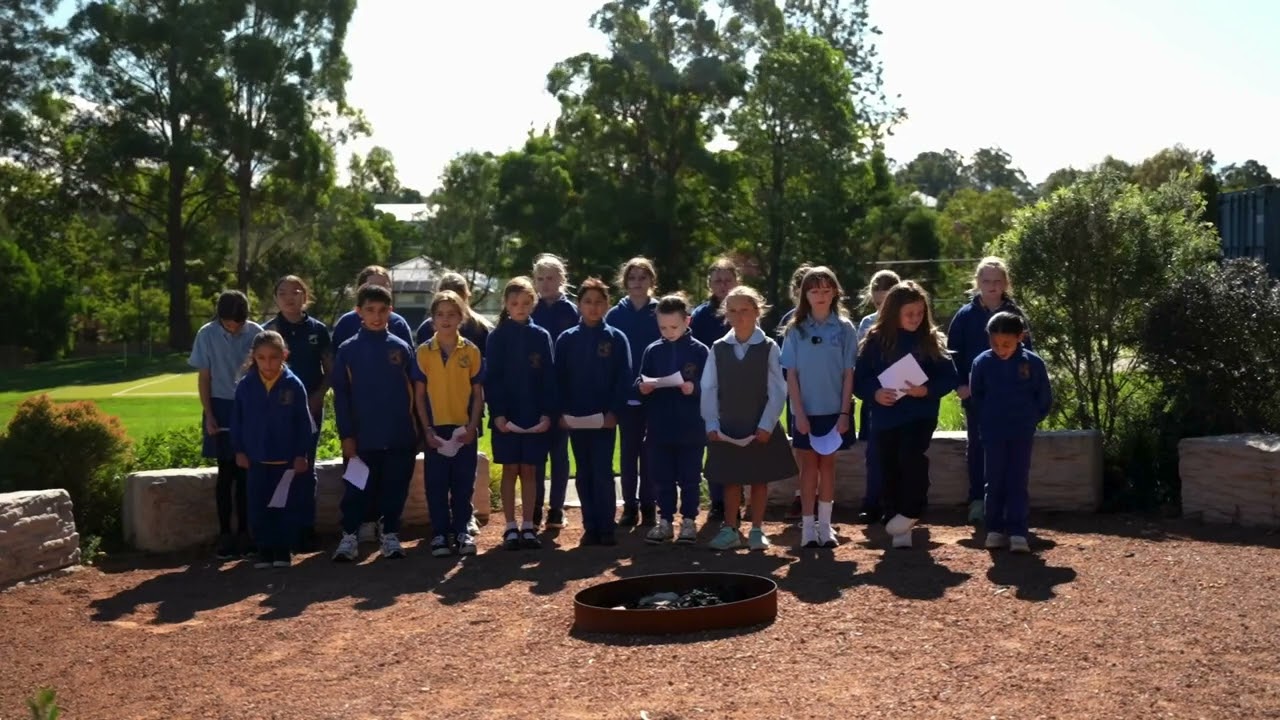
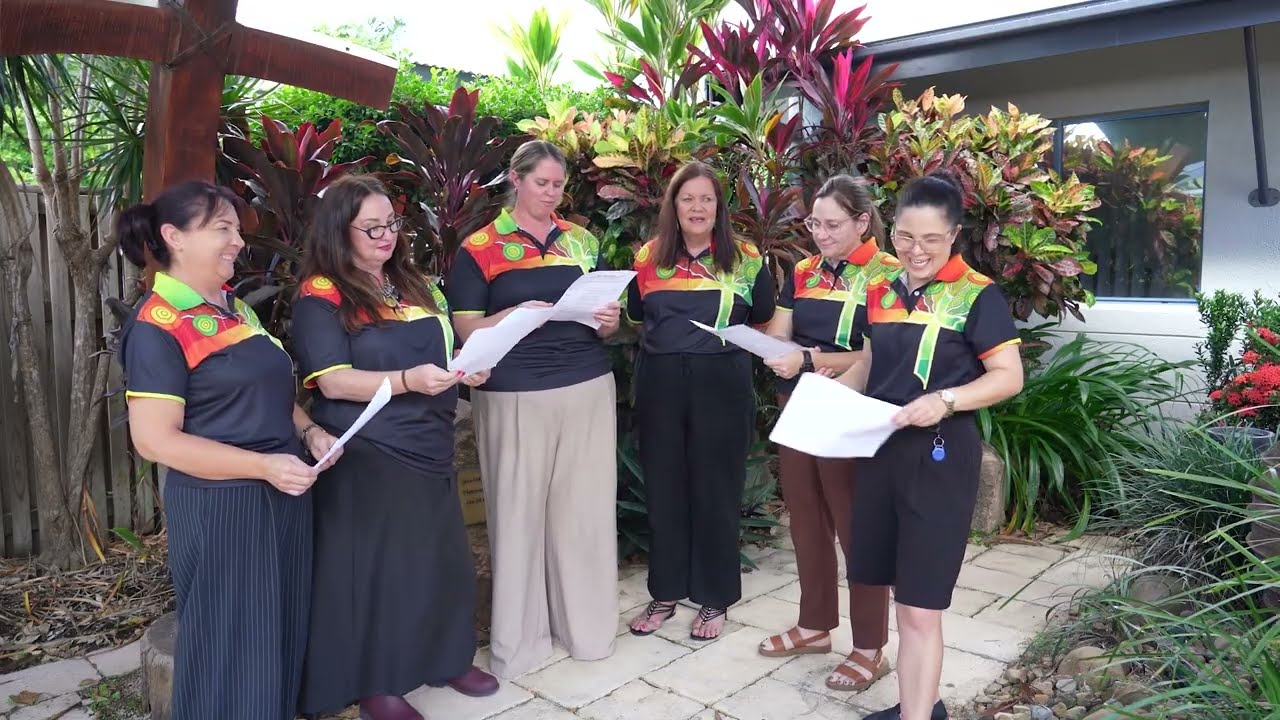
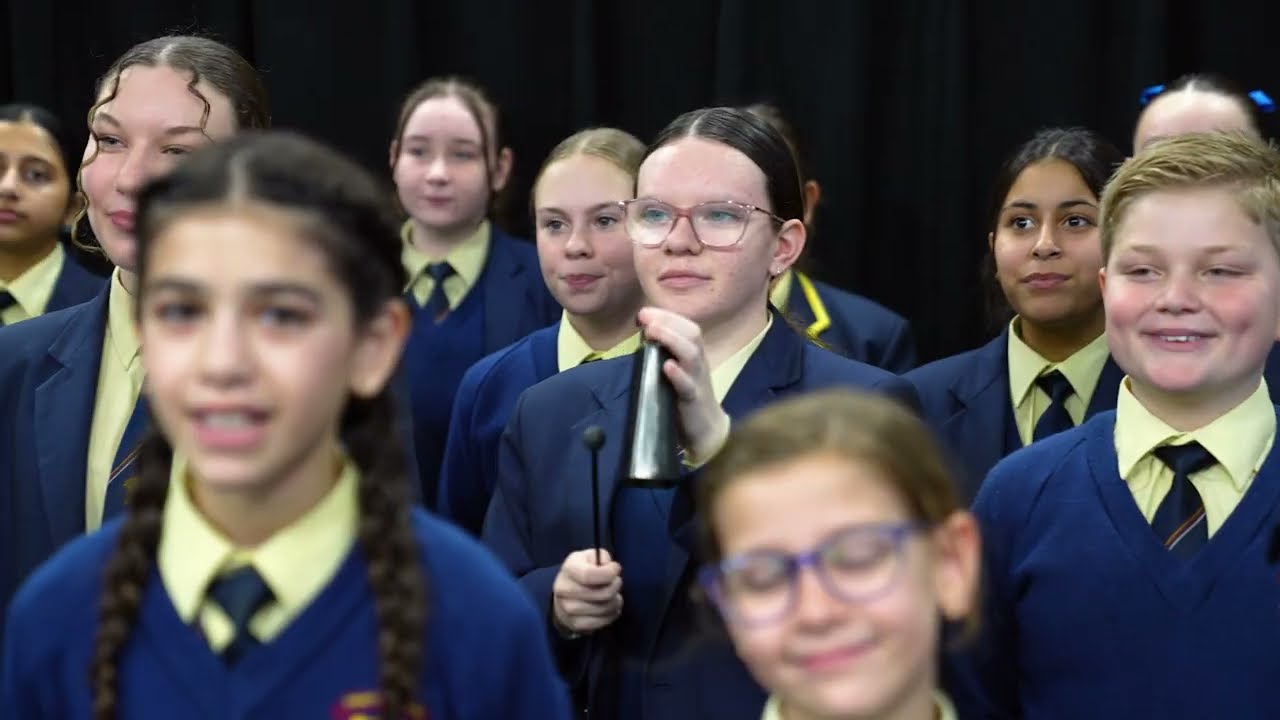
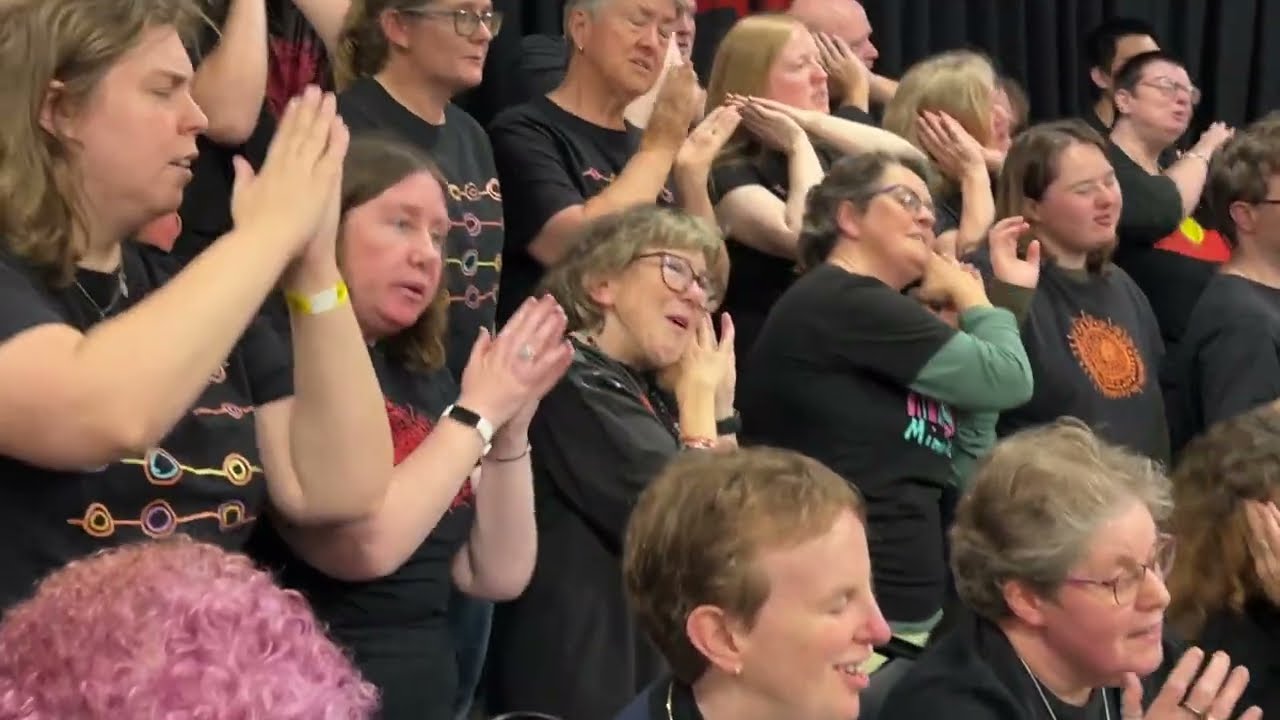
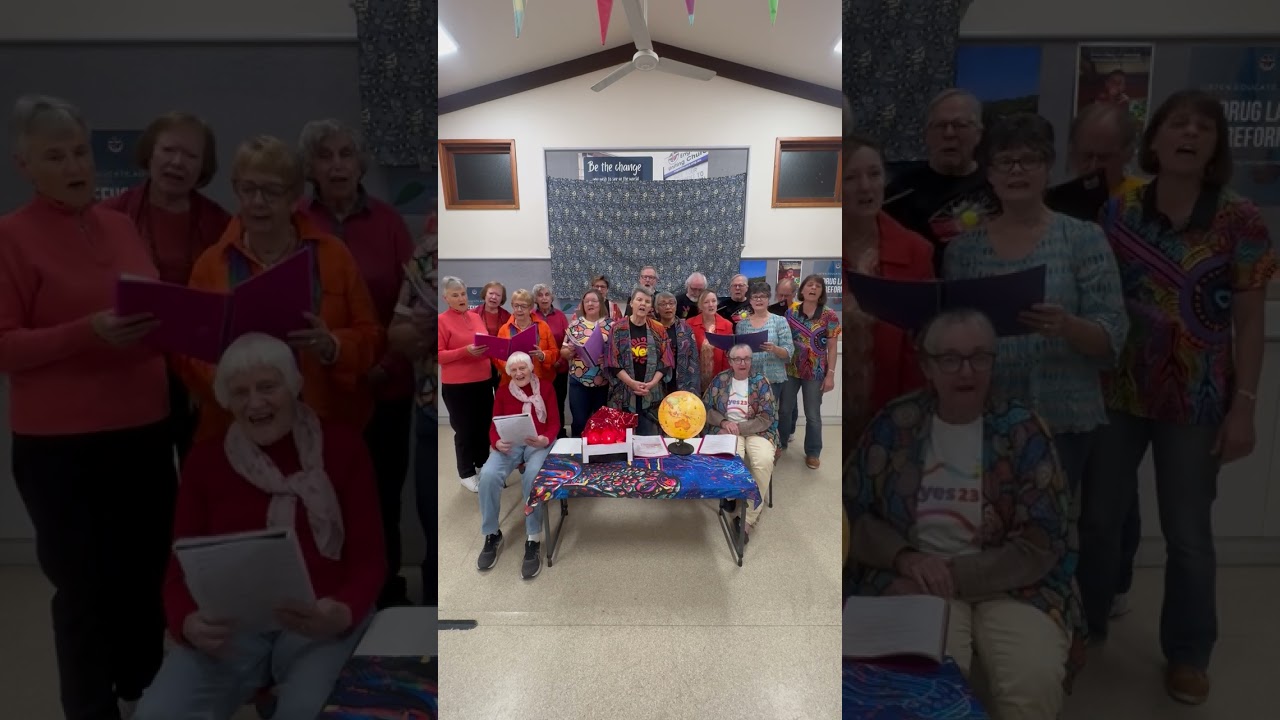
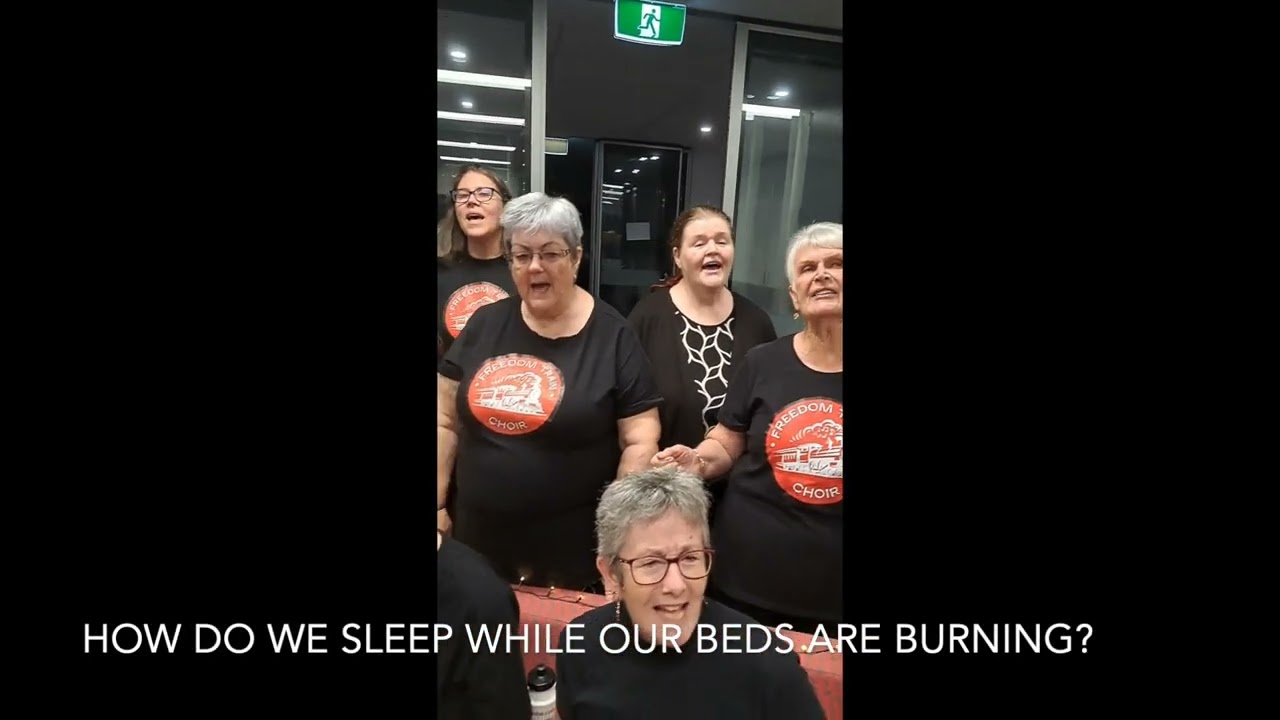
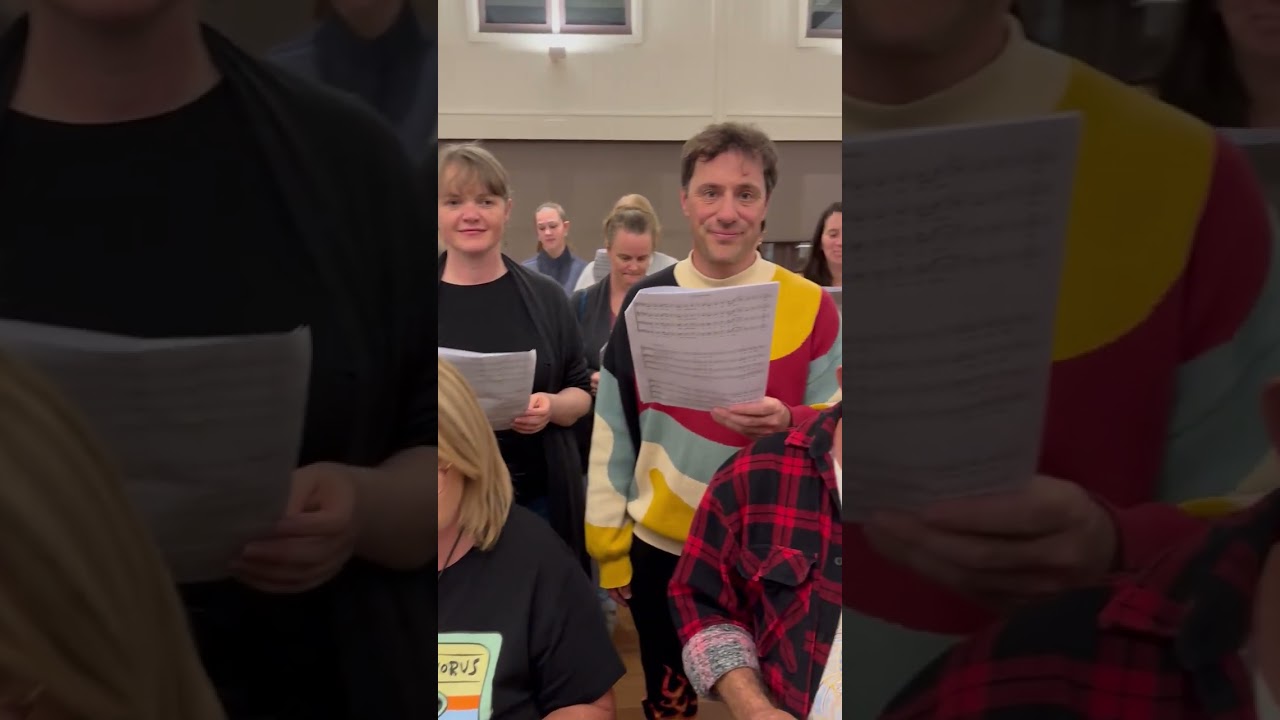
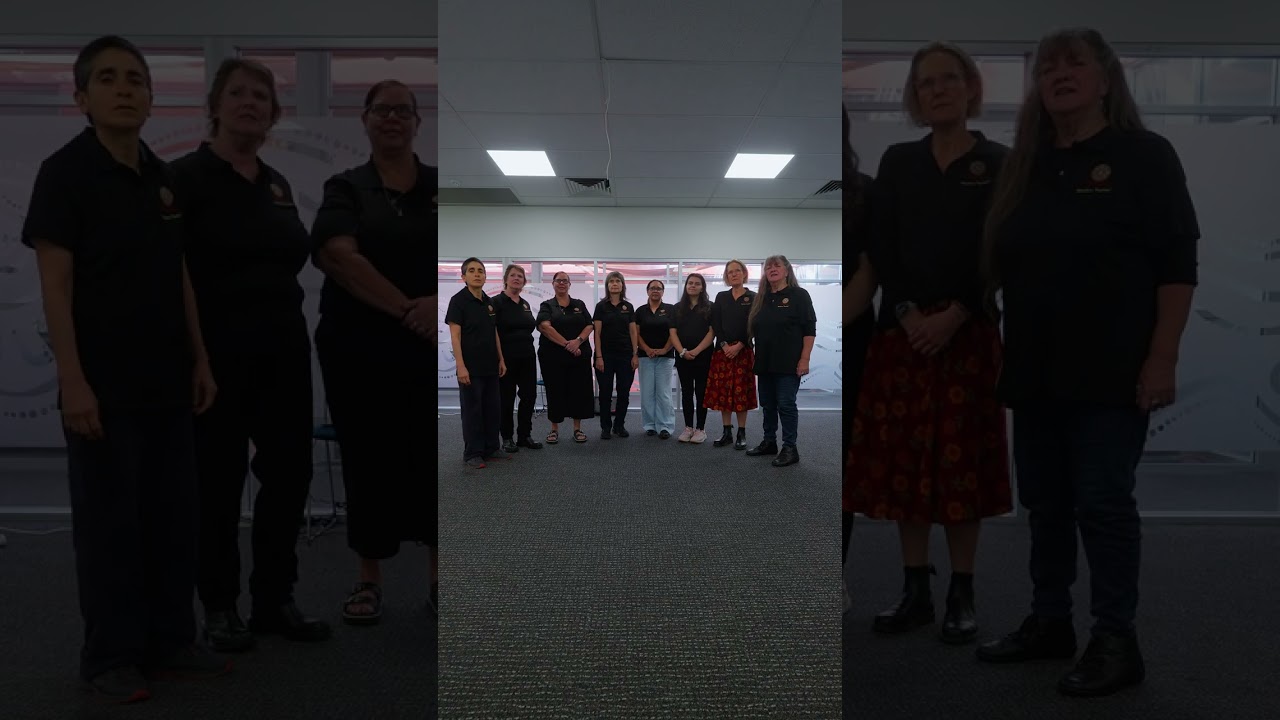
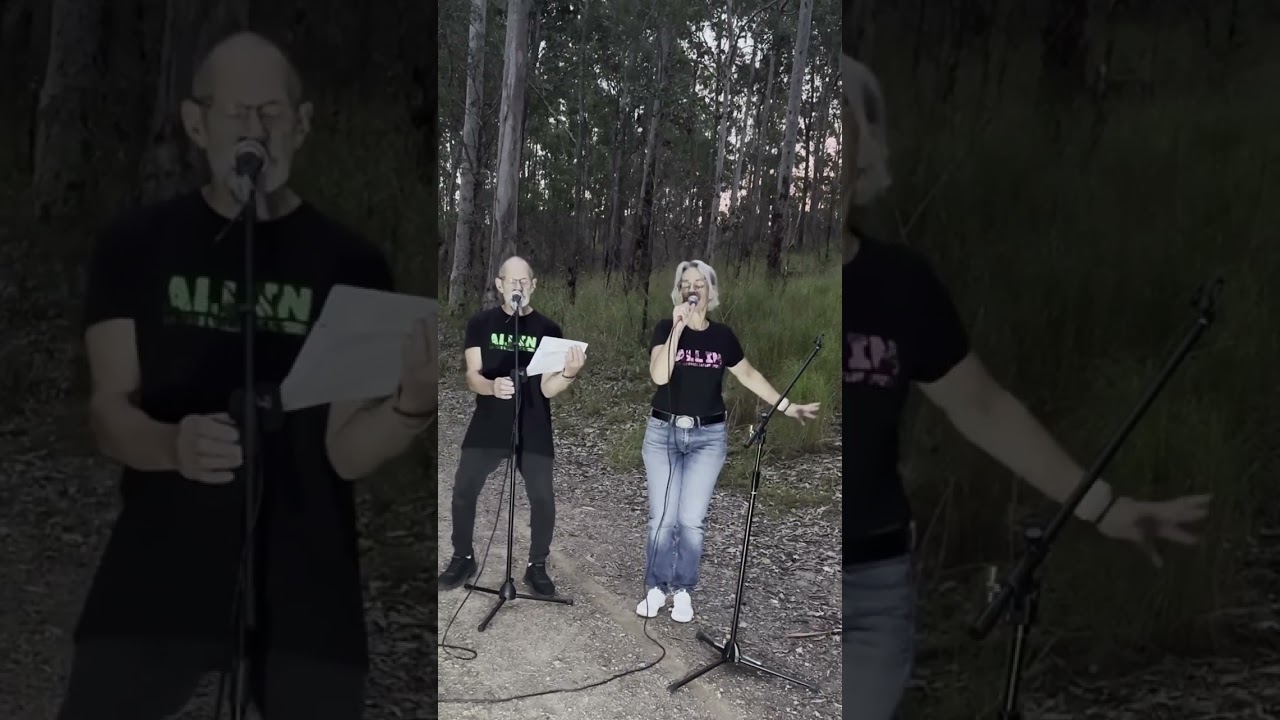
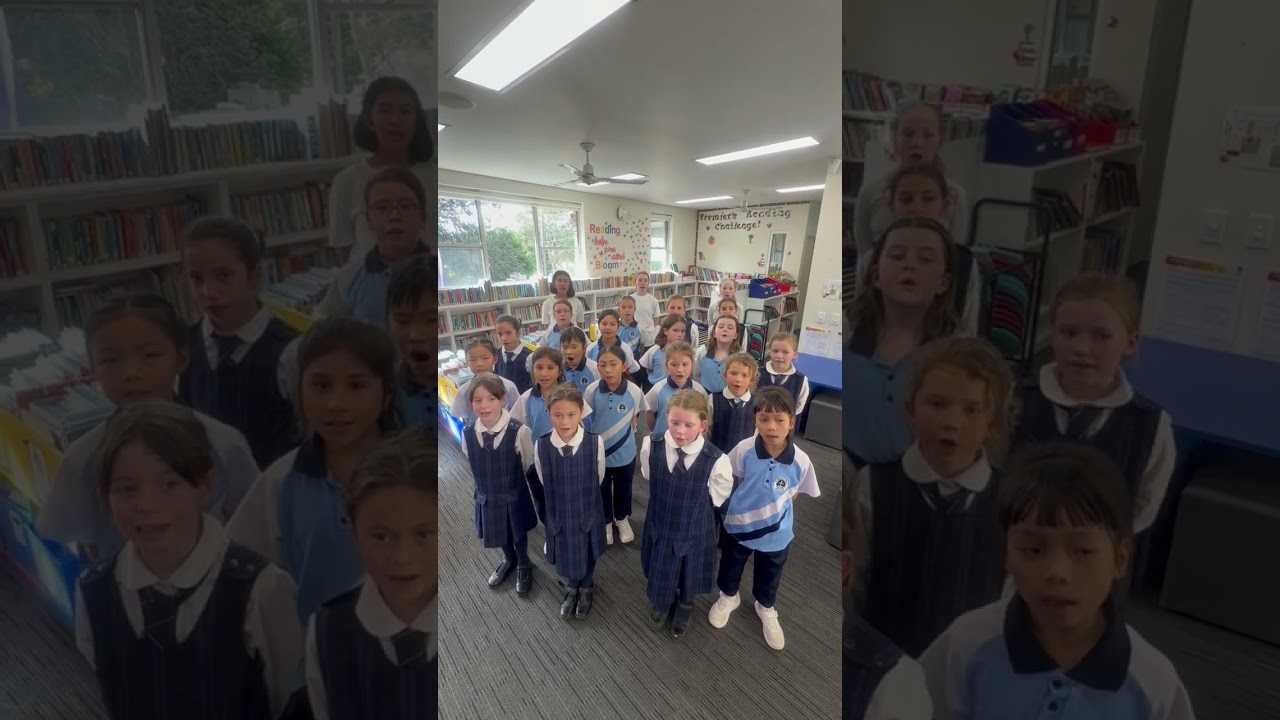
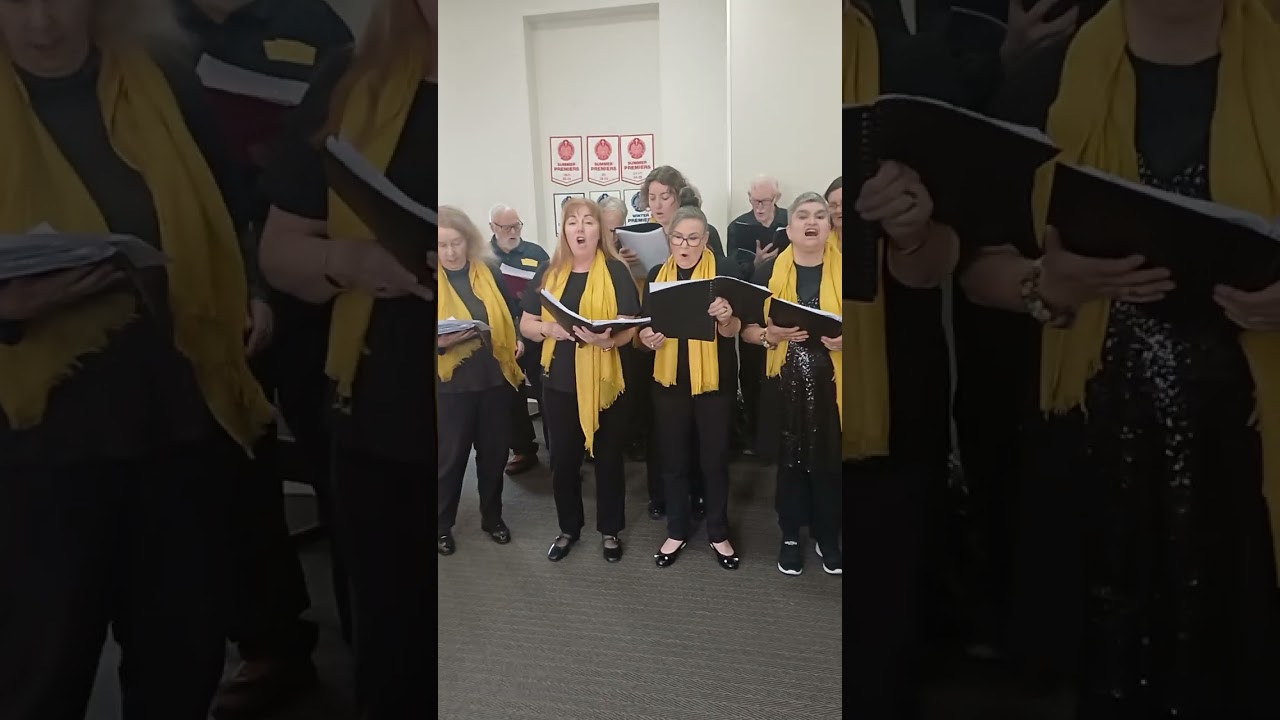
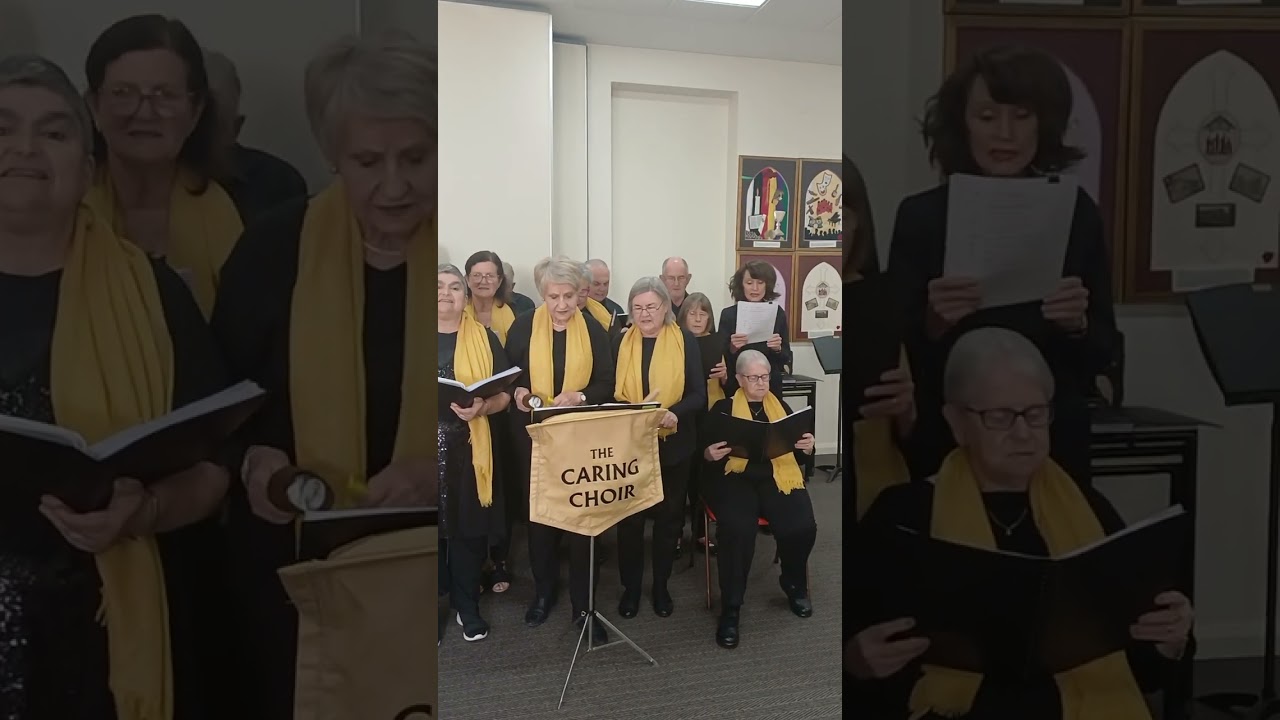
Reconciliation Australia is calling on choirs across the country to come together in song to contribute to National Reconciliation Week 2026.

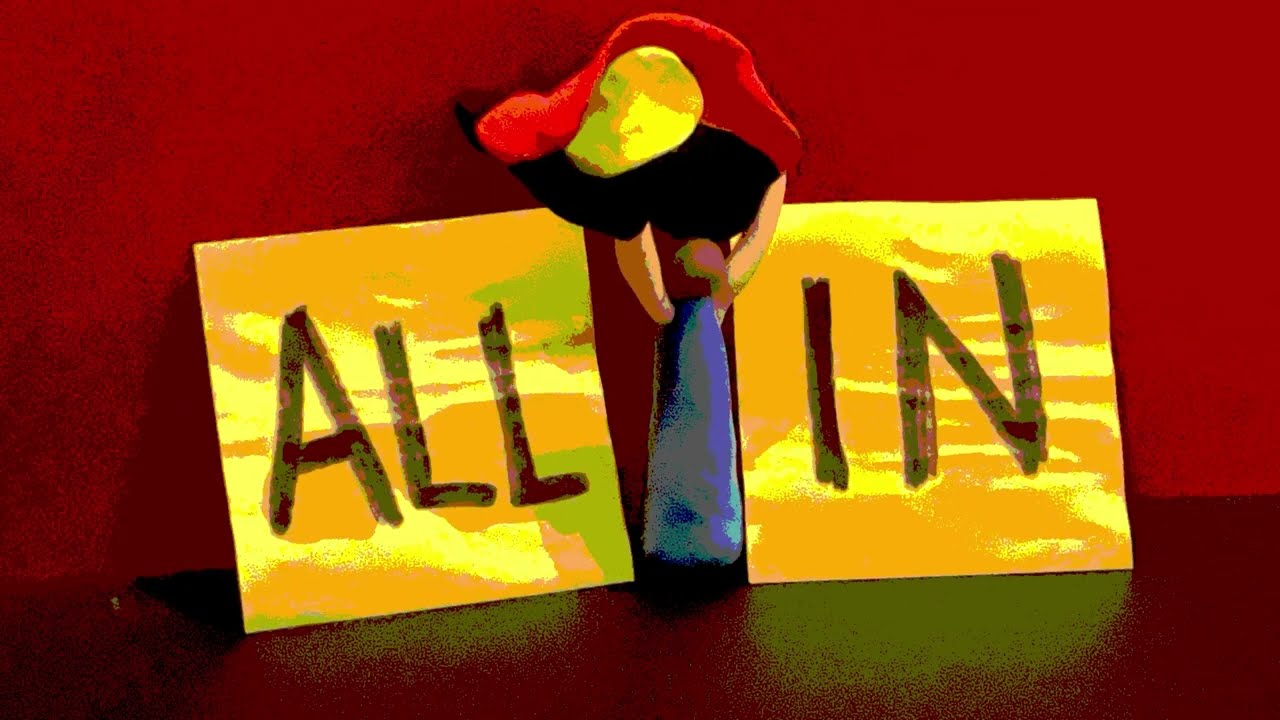
The theme for NRW 2026 is All In, a call for all Australians to commit wholeheartedly to reconciliation every single day.

Beds Are Burning is a timeless call to action to be All In for justice and reconciliation, and for all Australians to know our history.

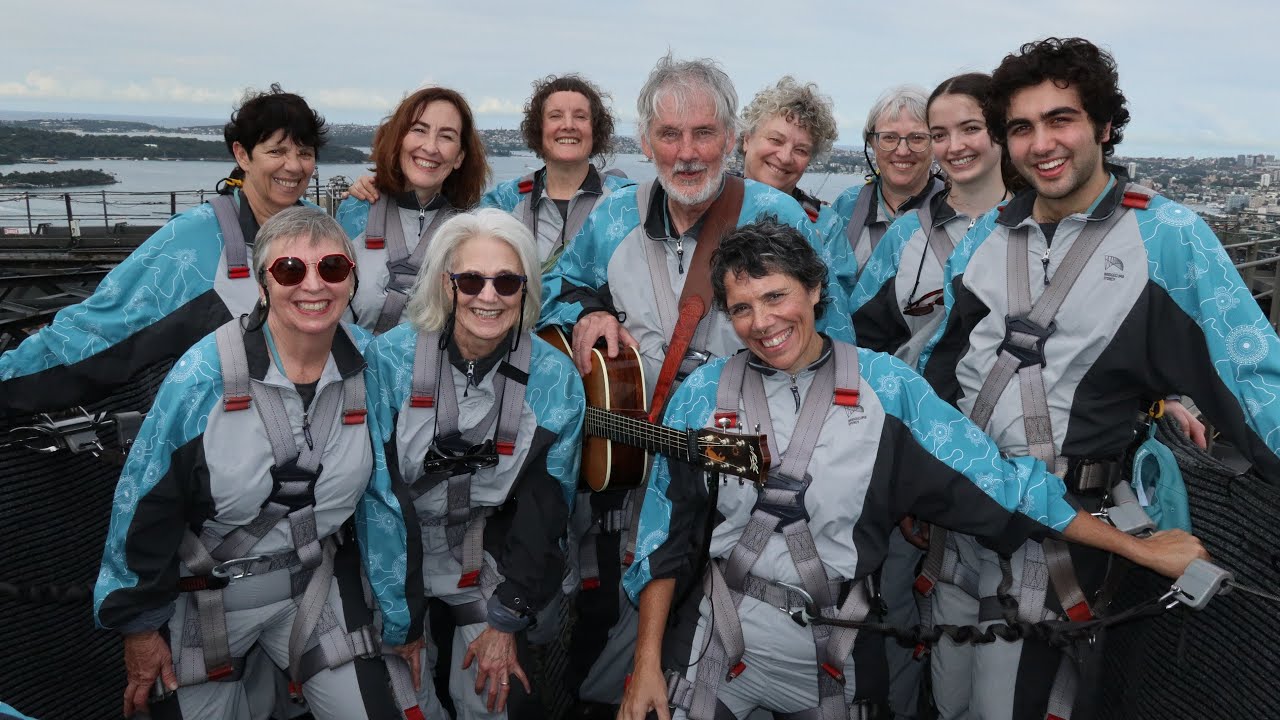
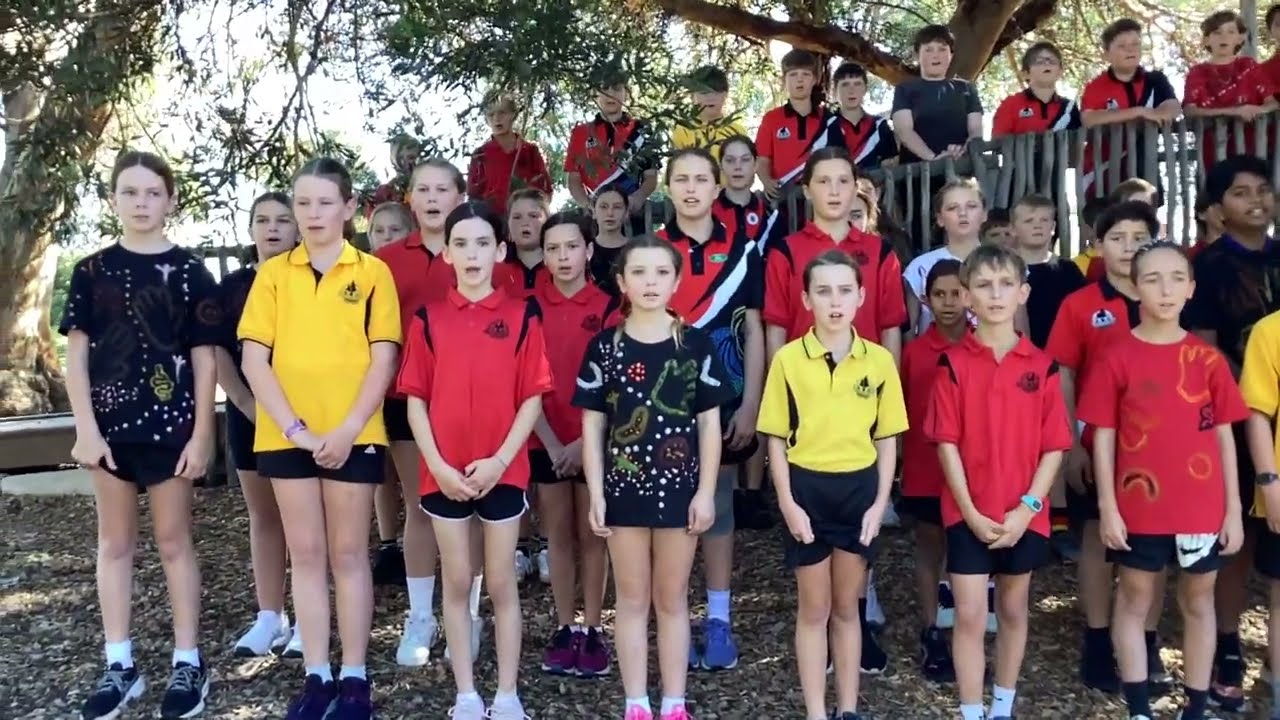
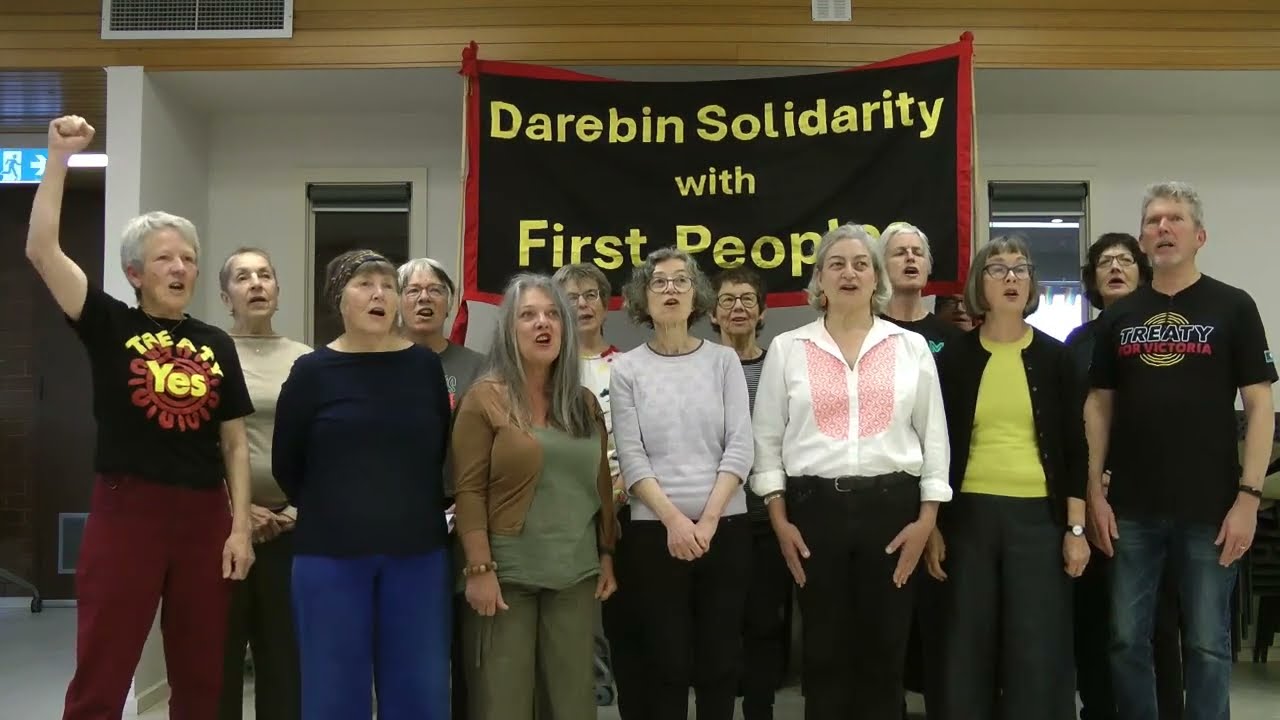
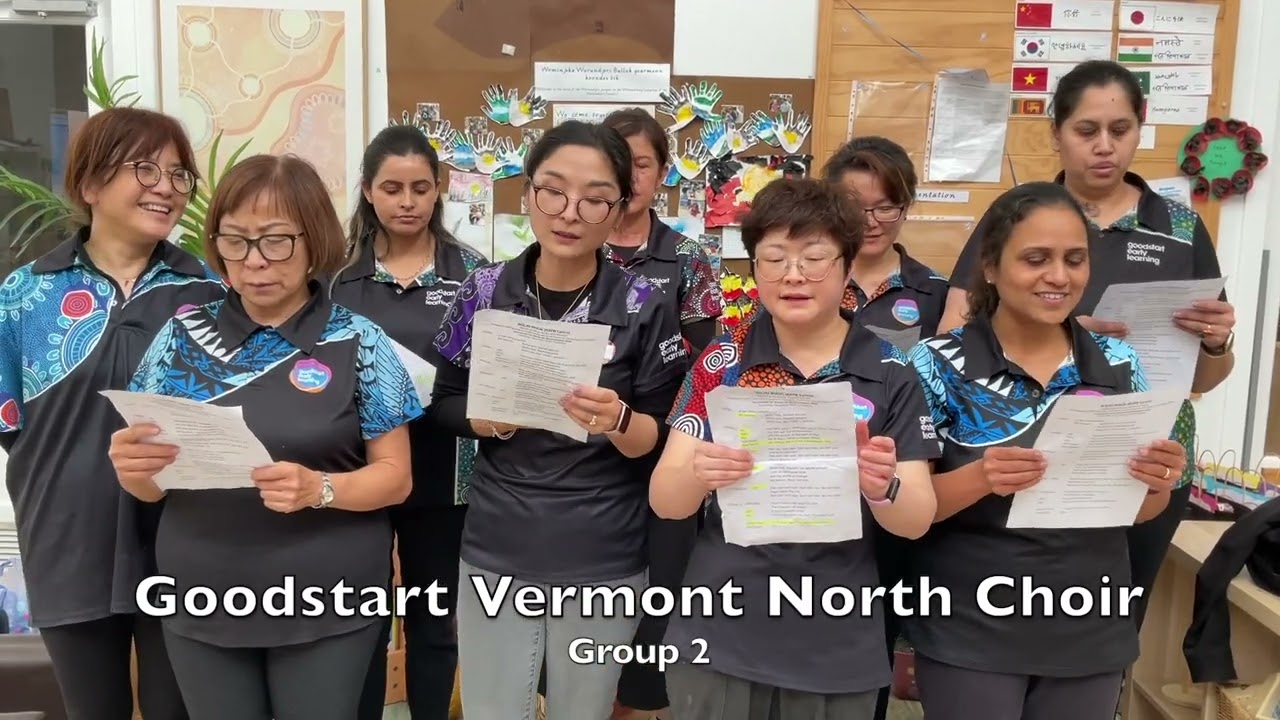
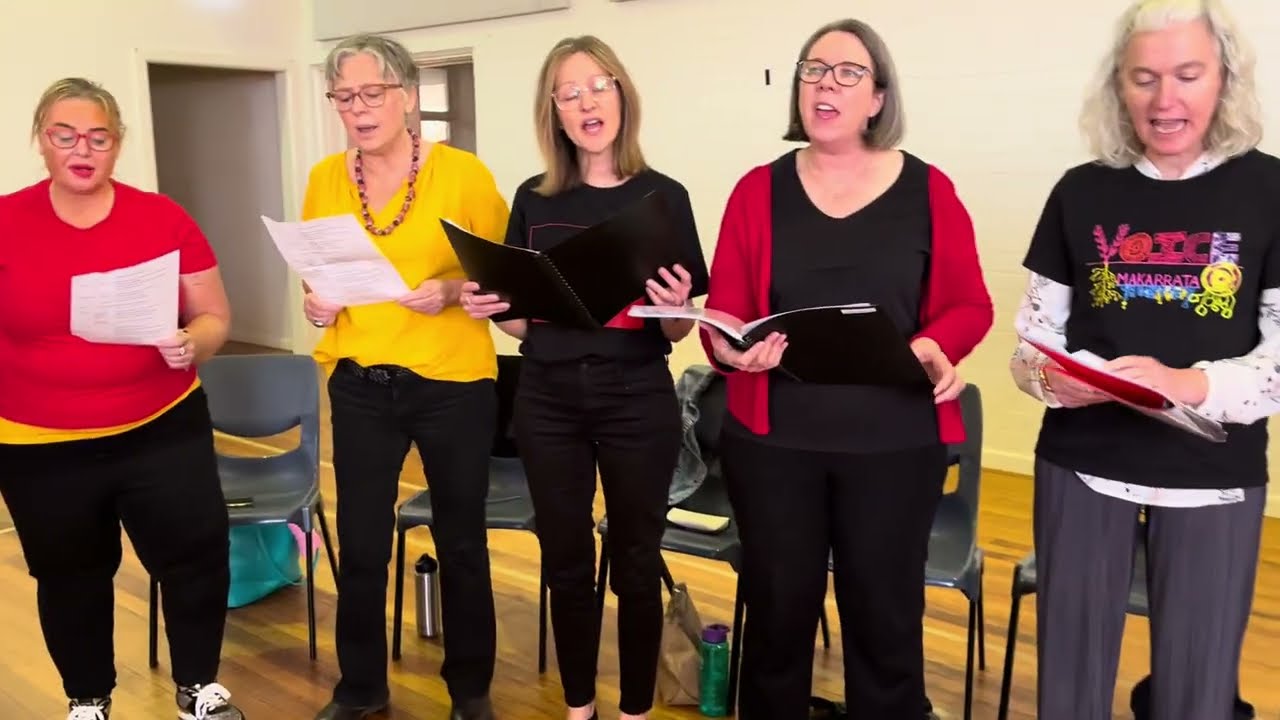
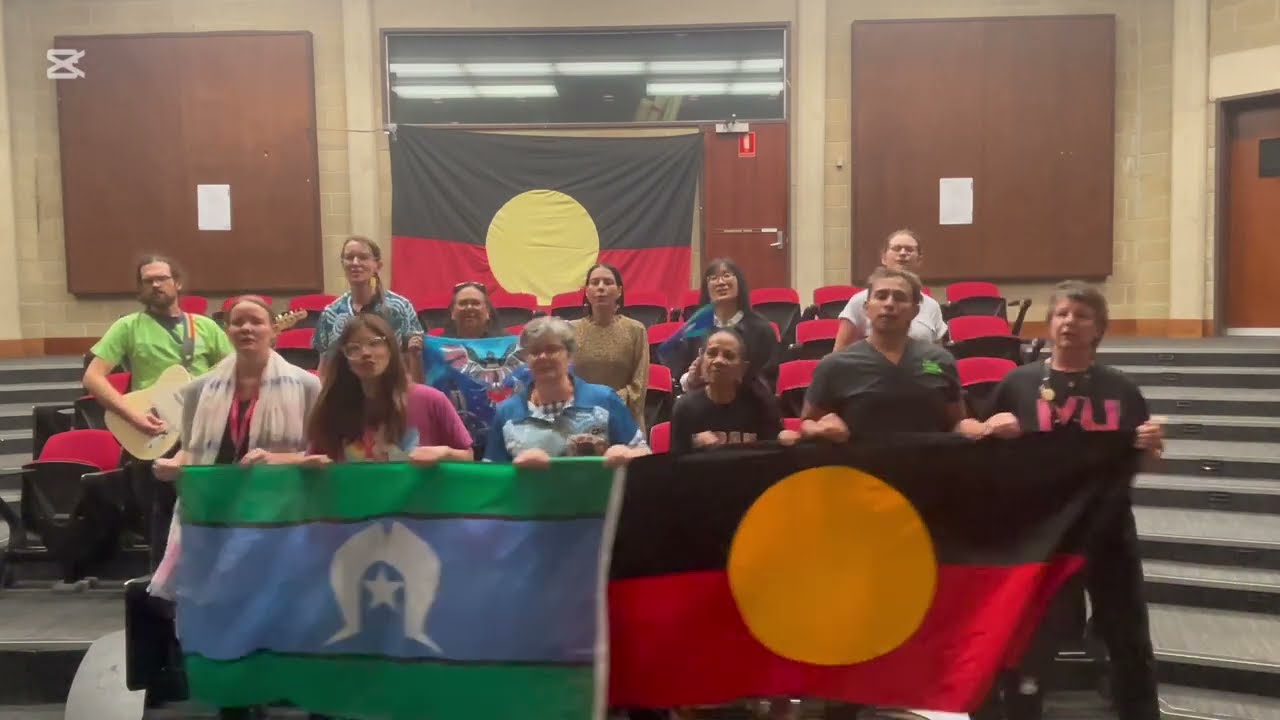
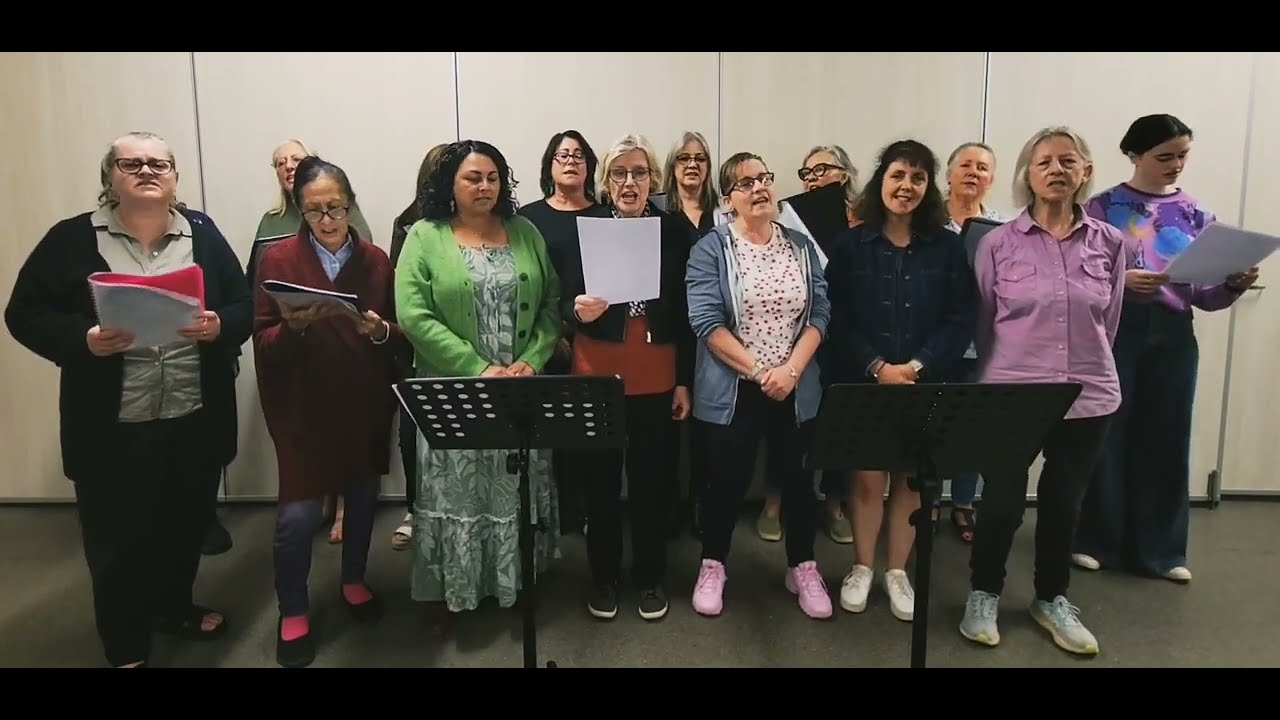
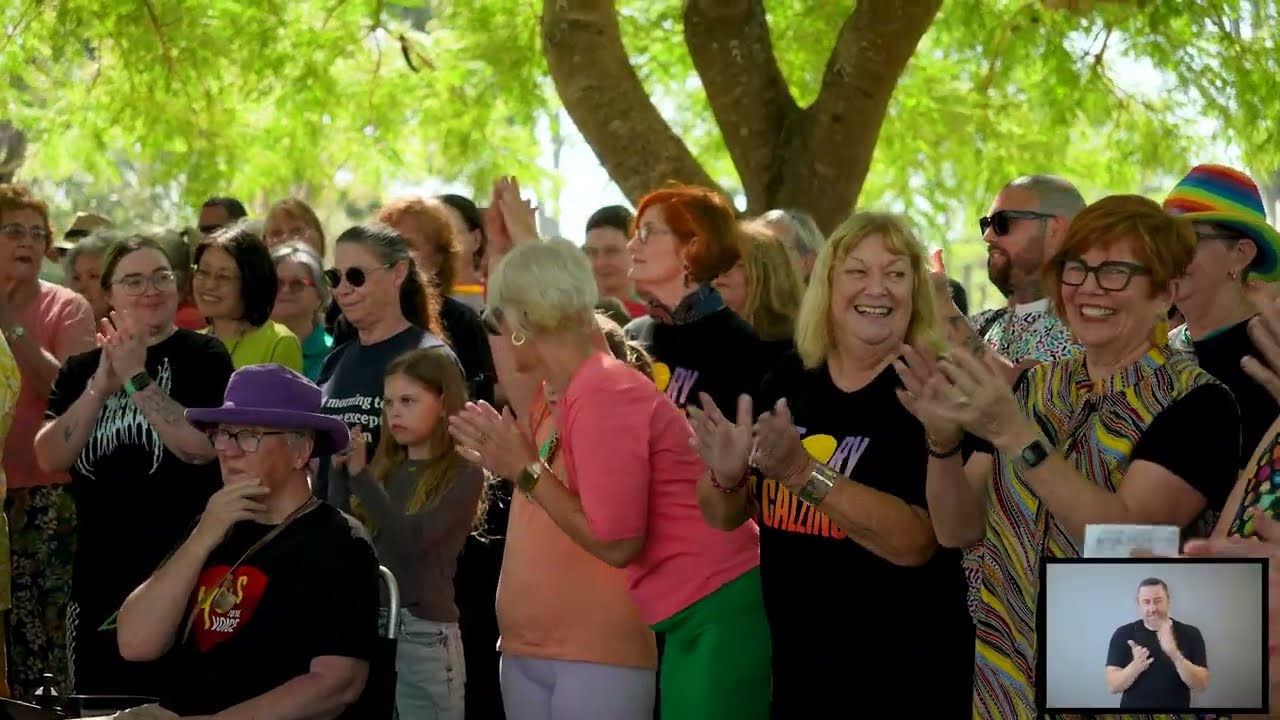
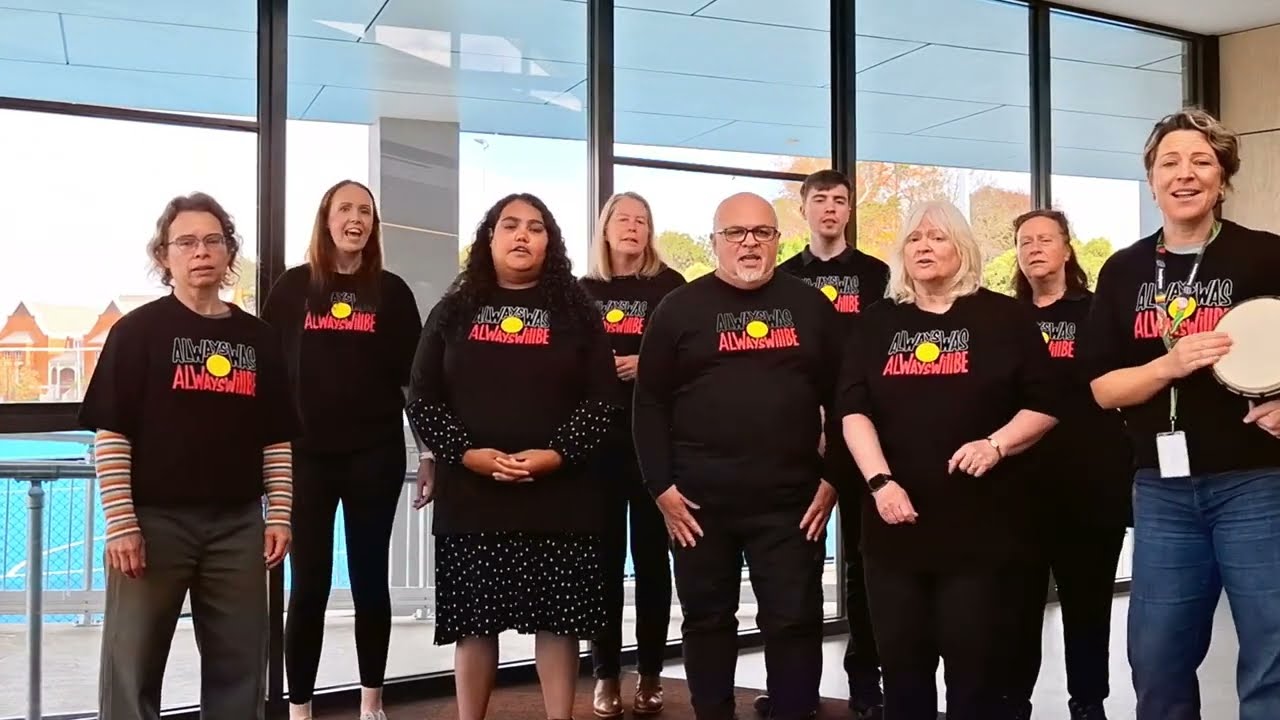
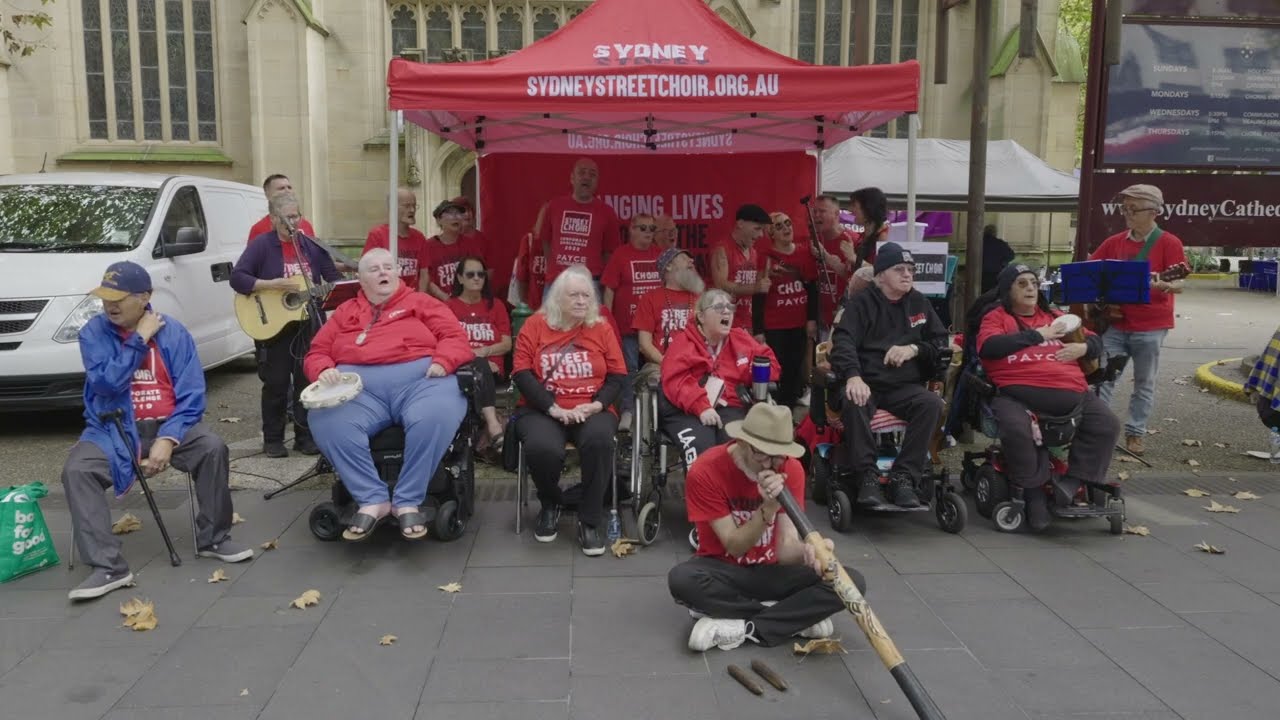
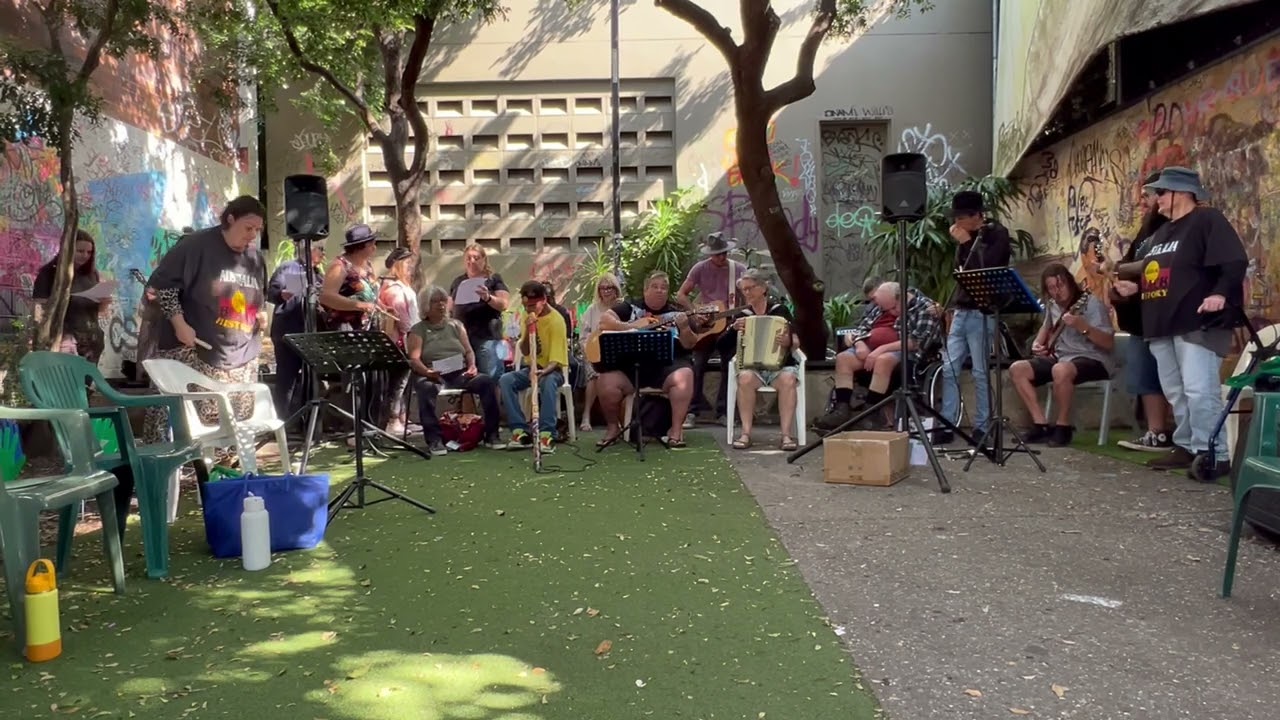
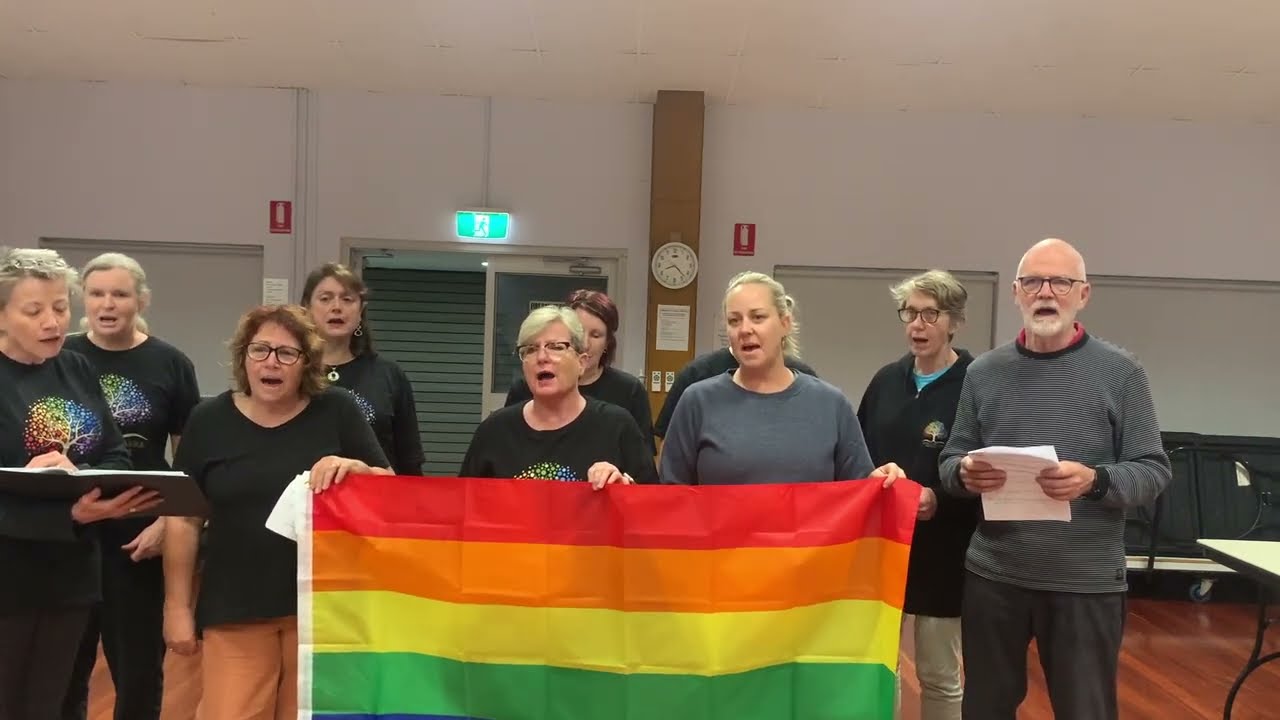
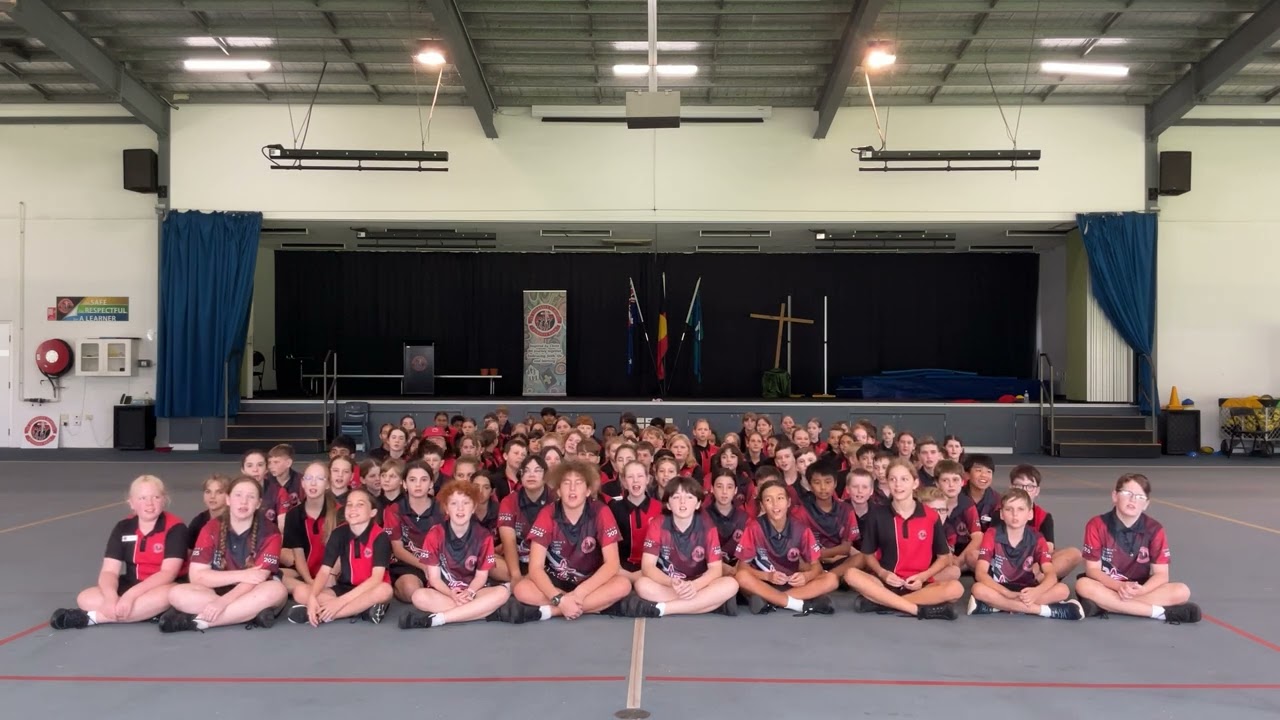
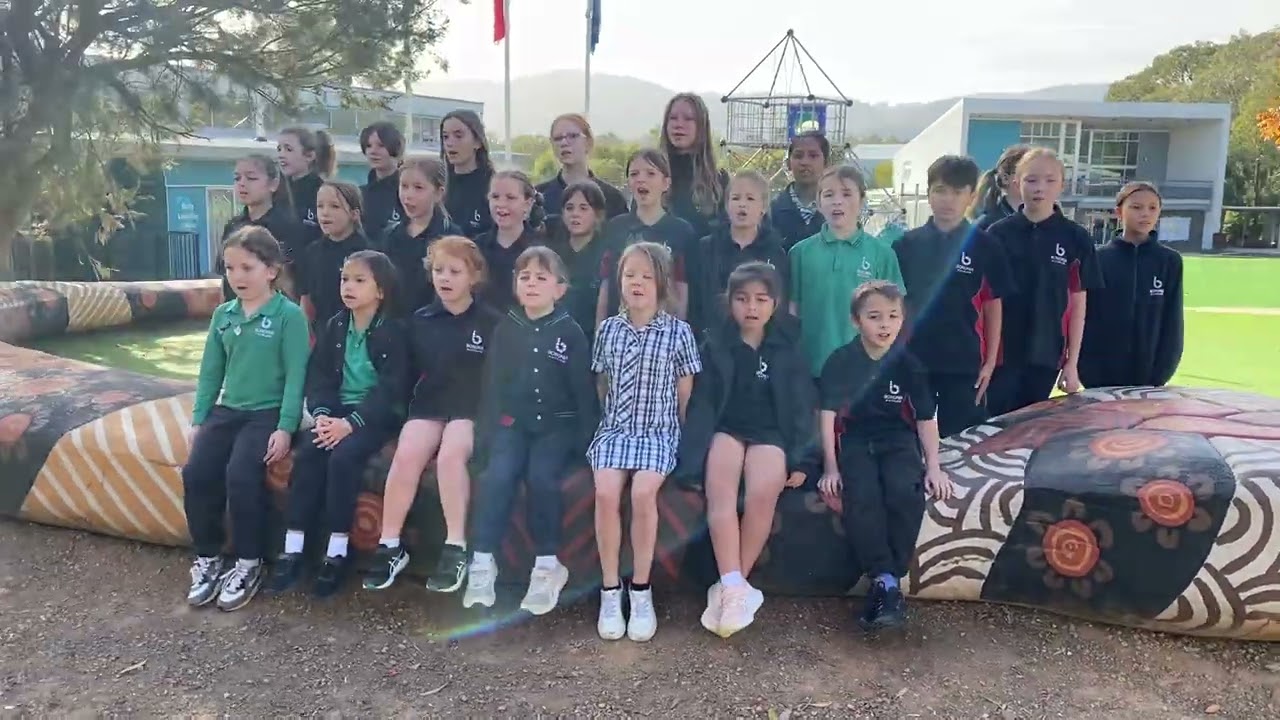
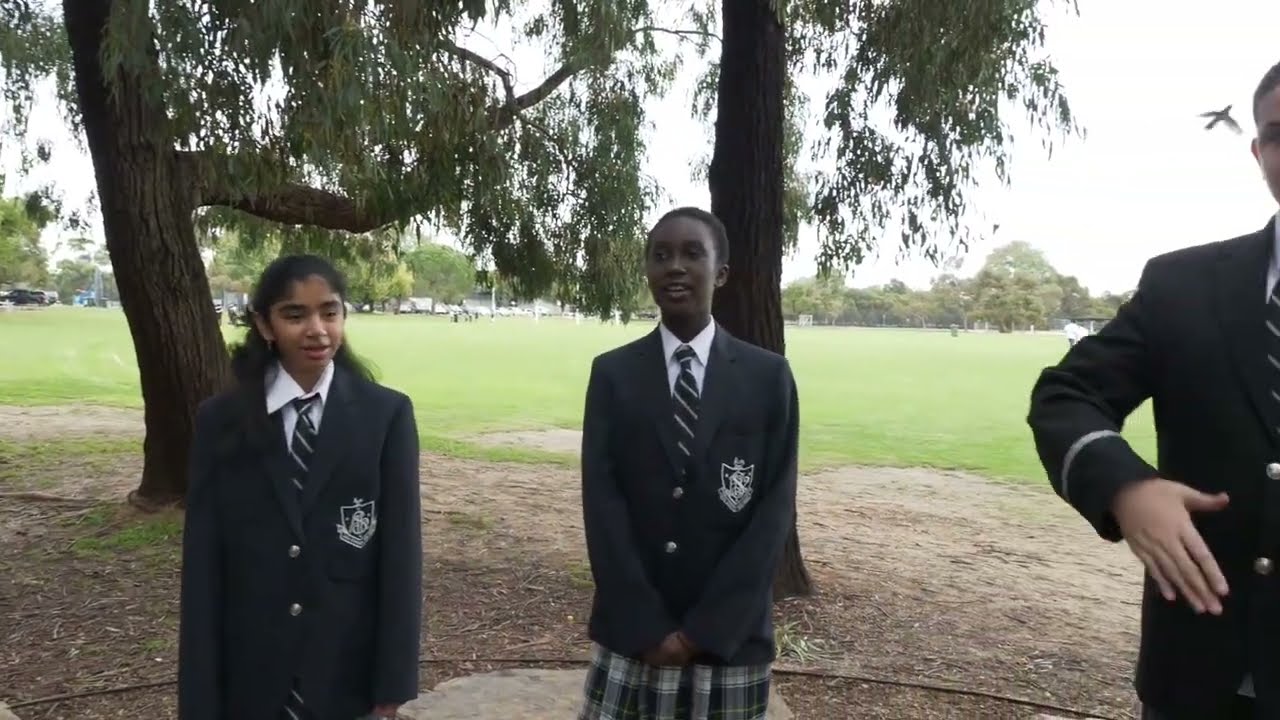
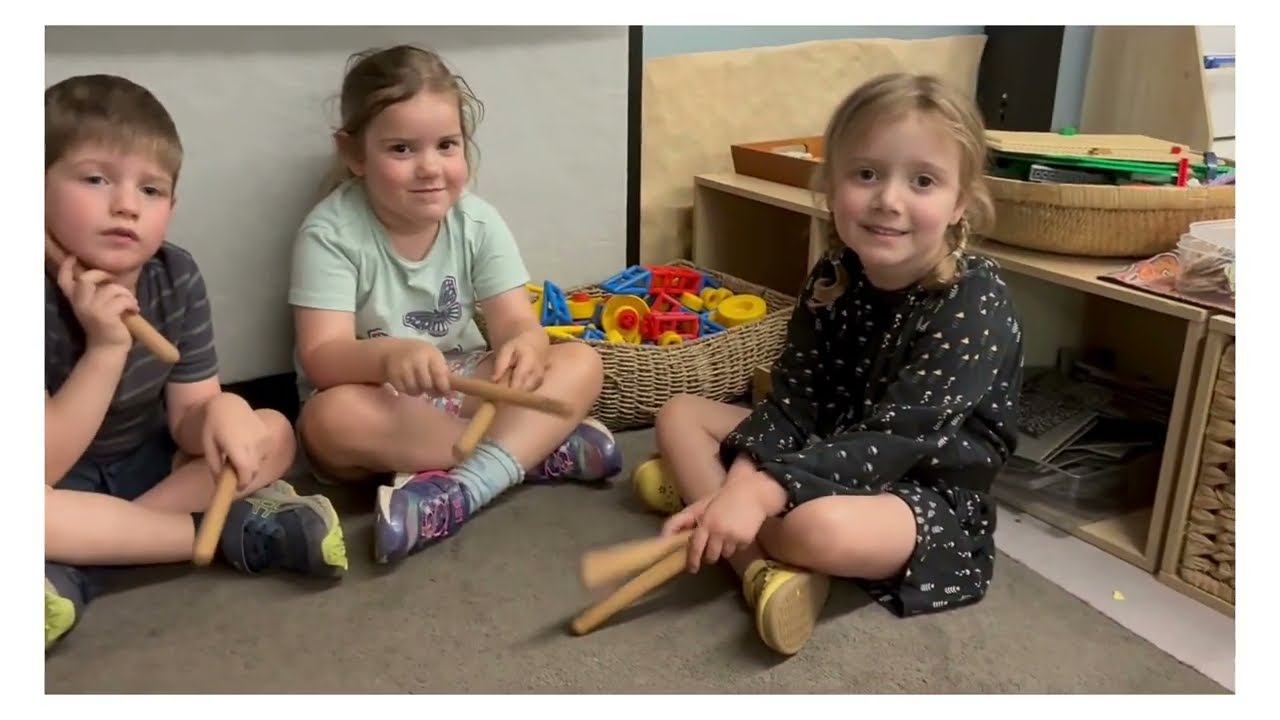
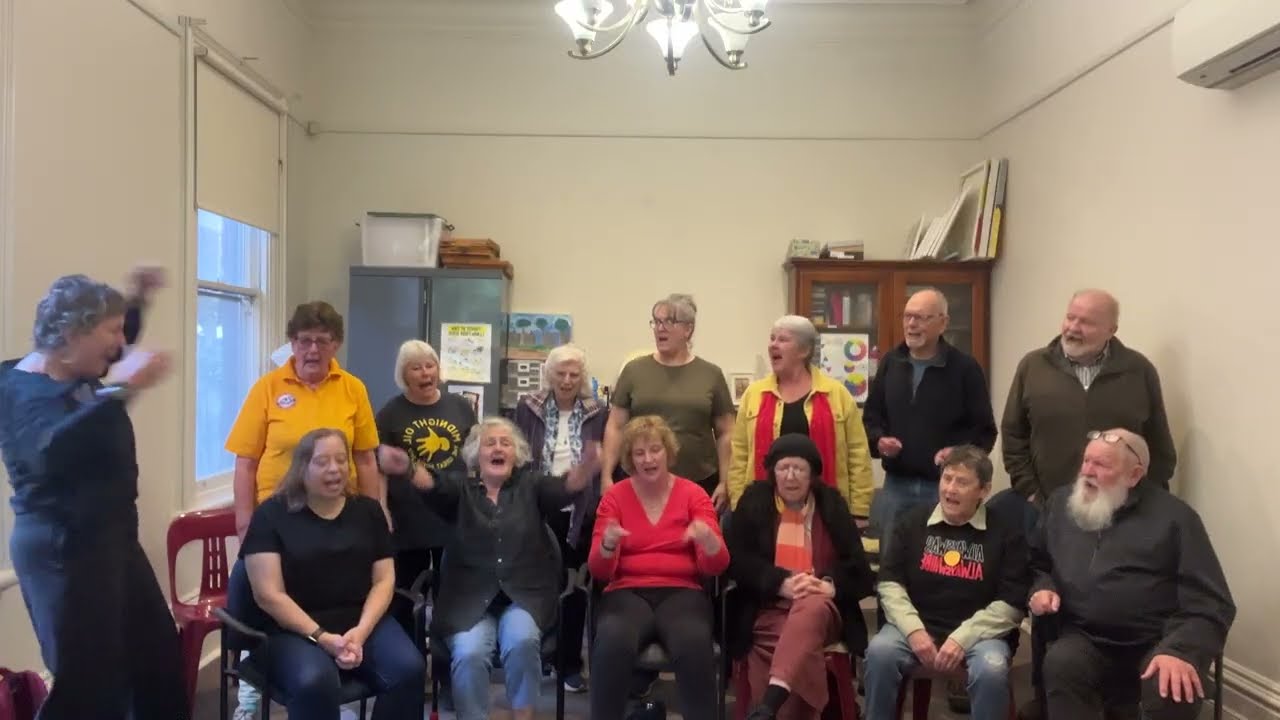
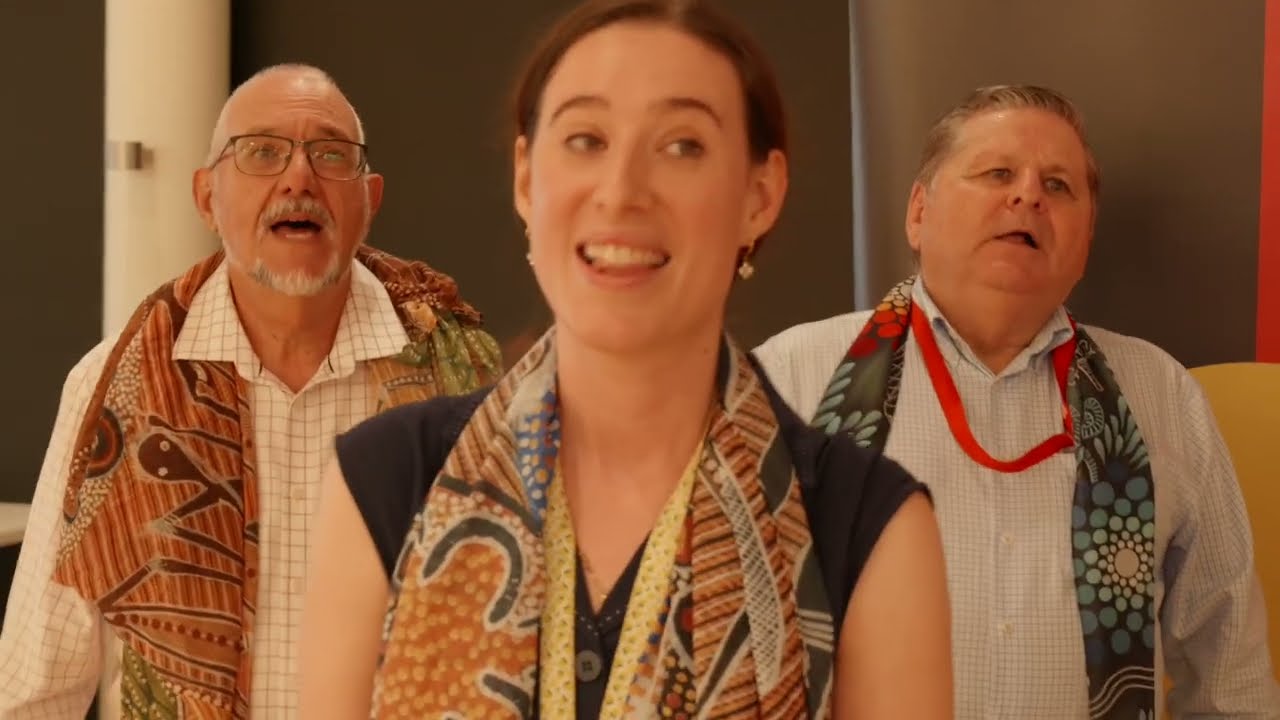
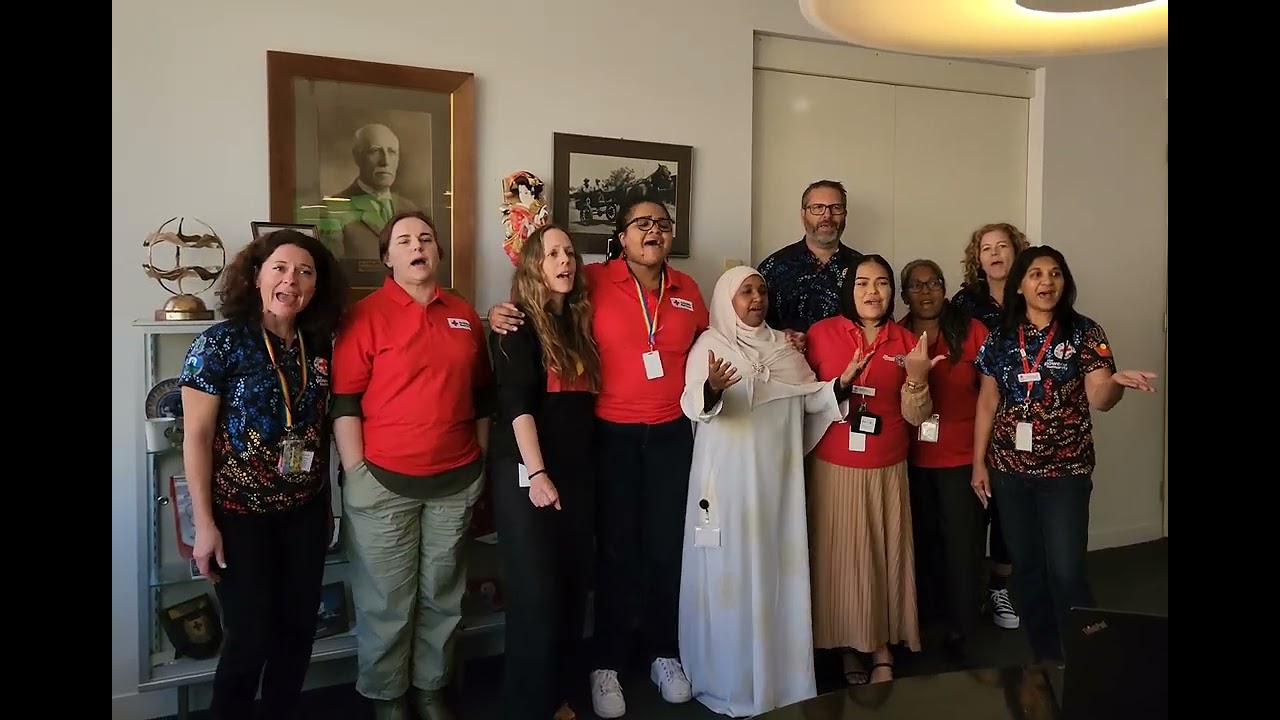
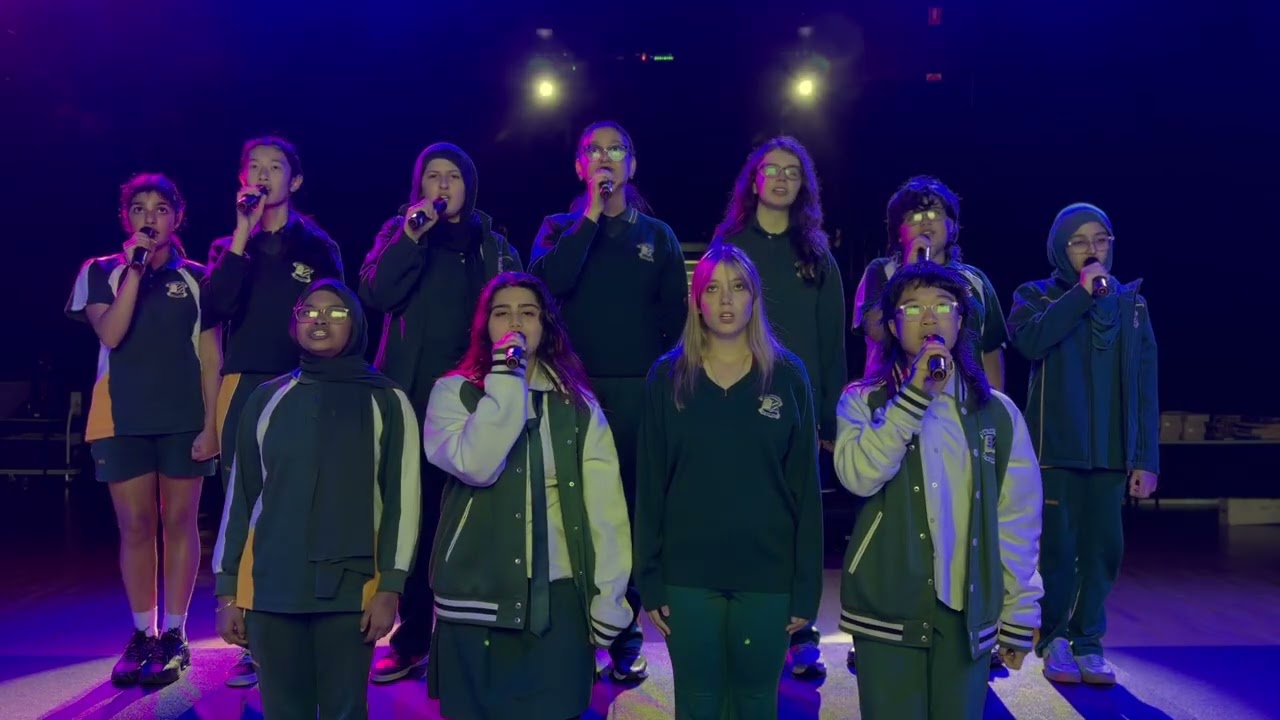
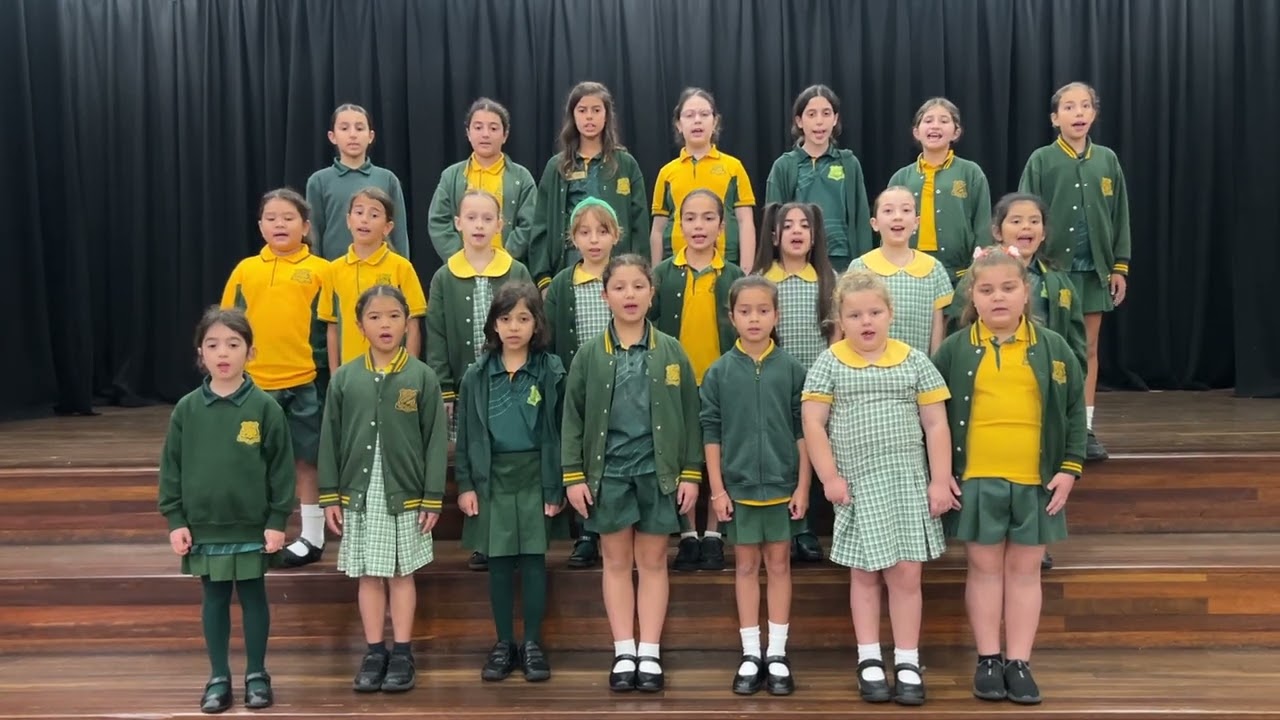
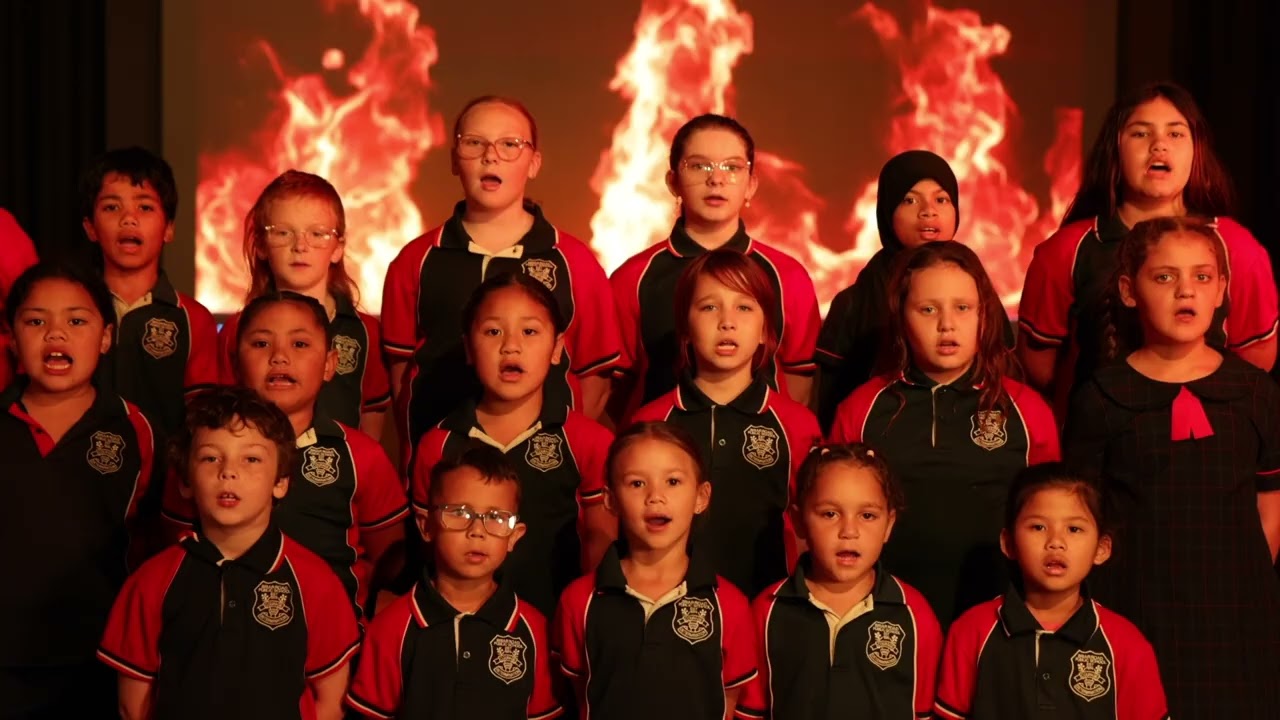
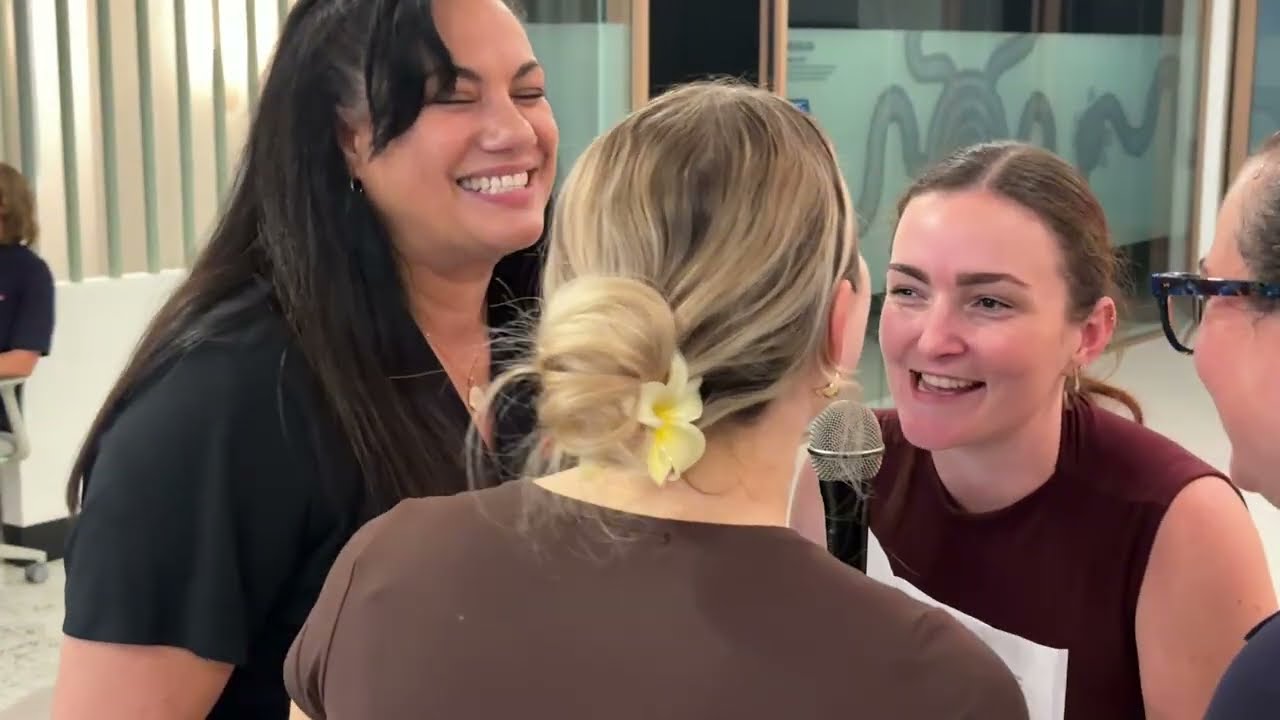
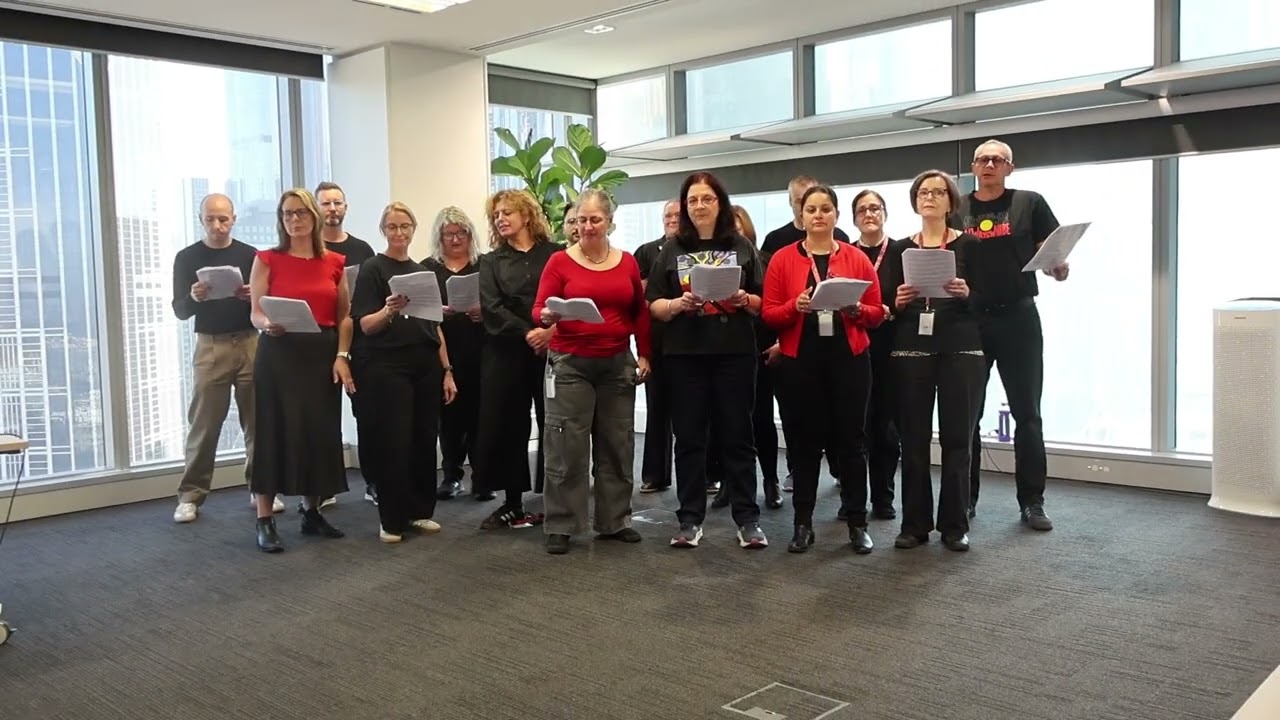
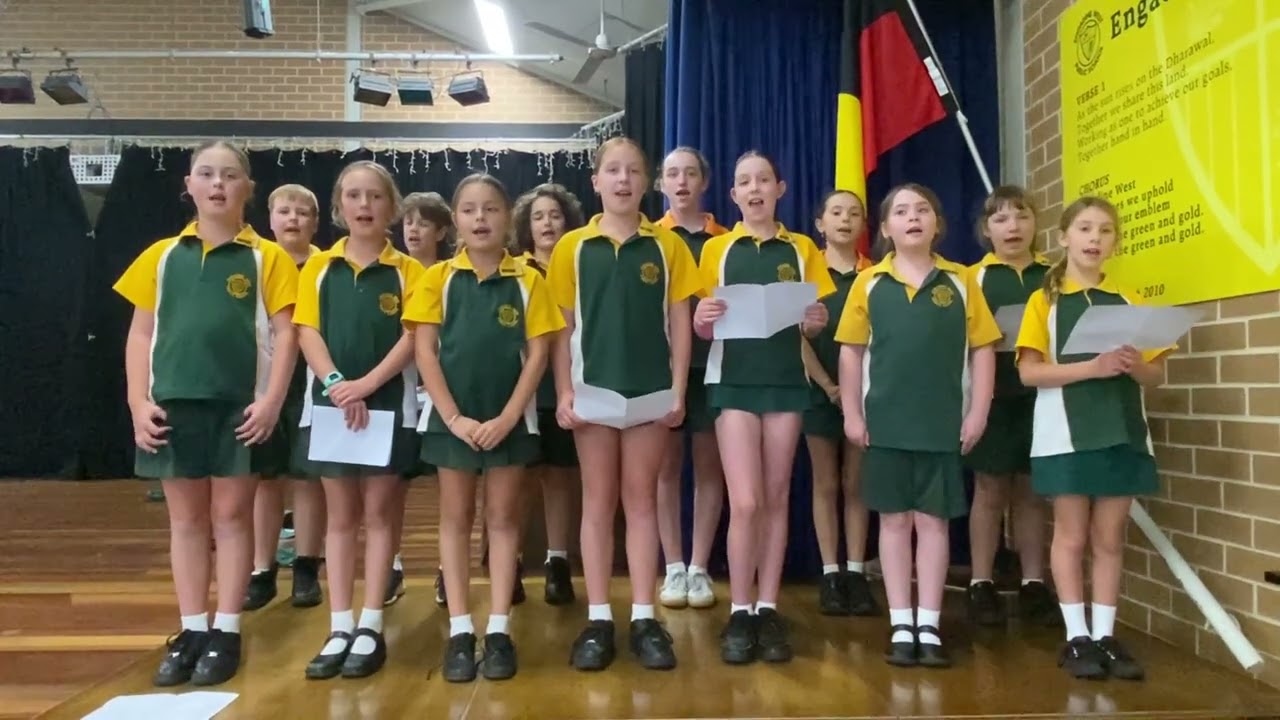
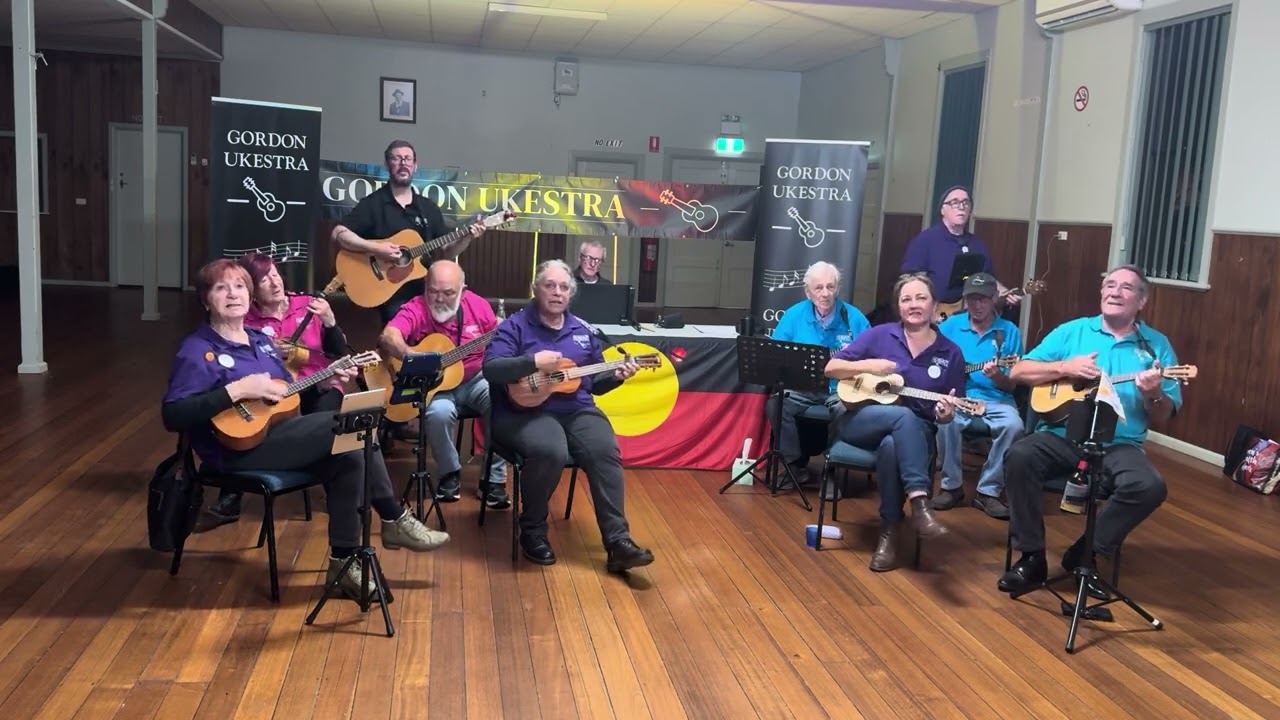
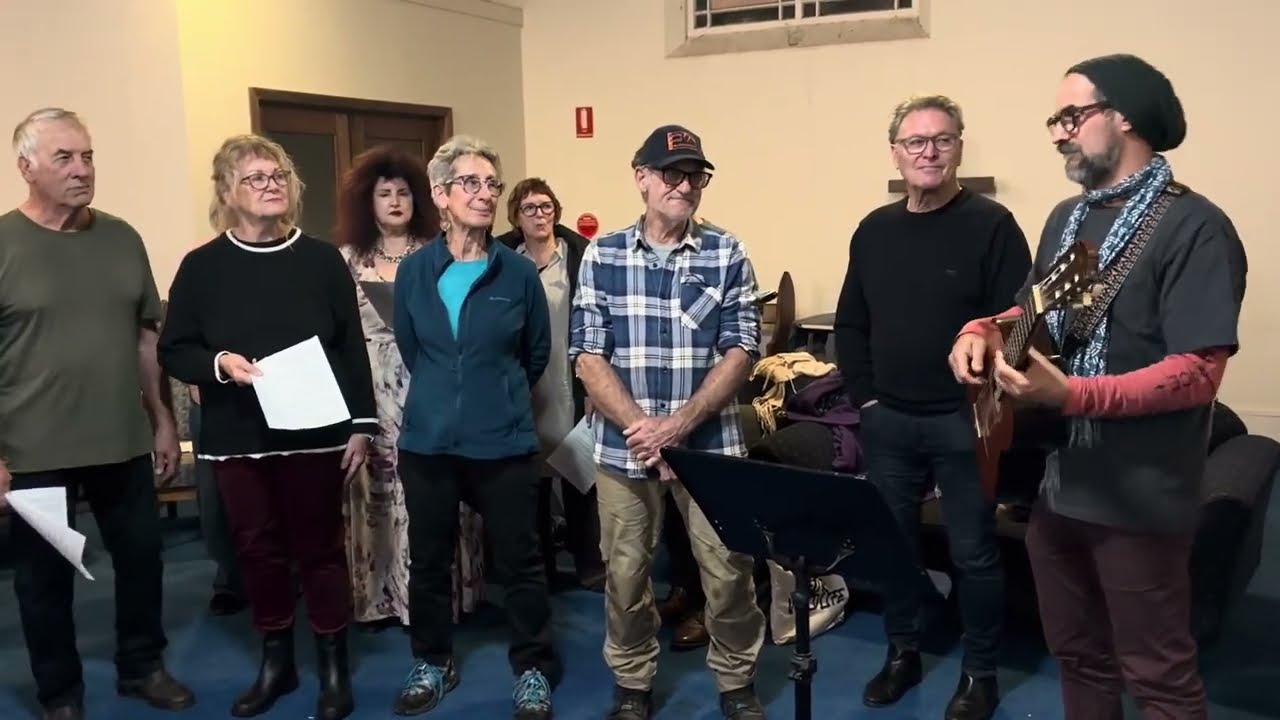
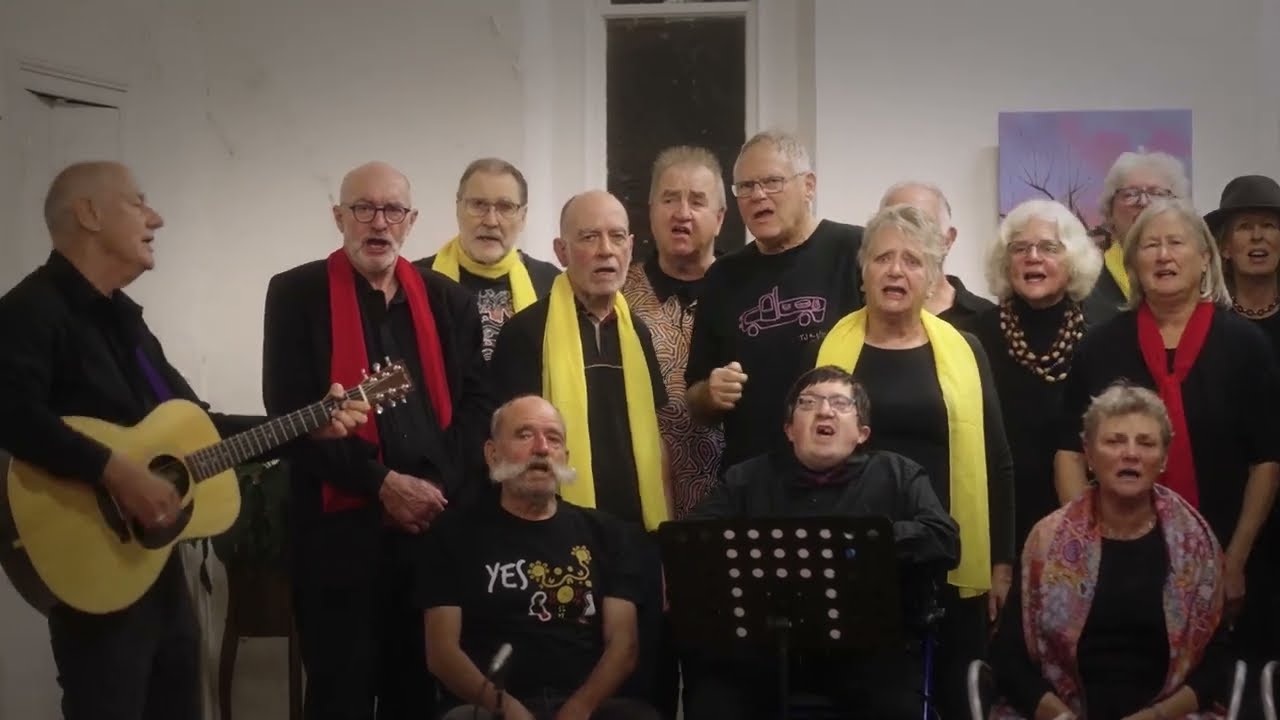
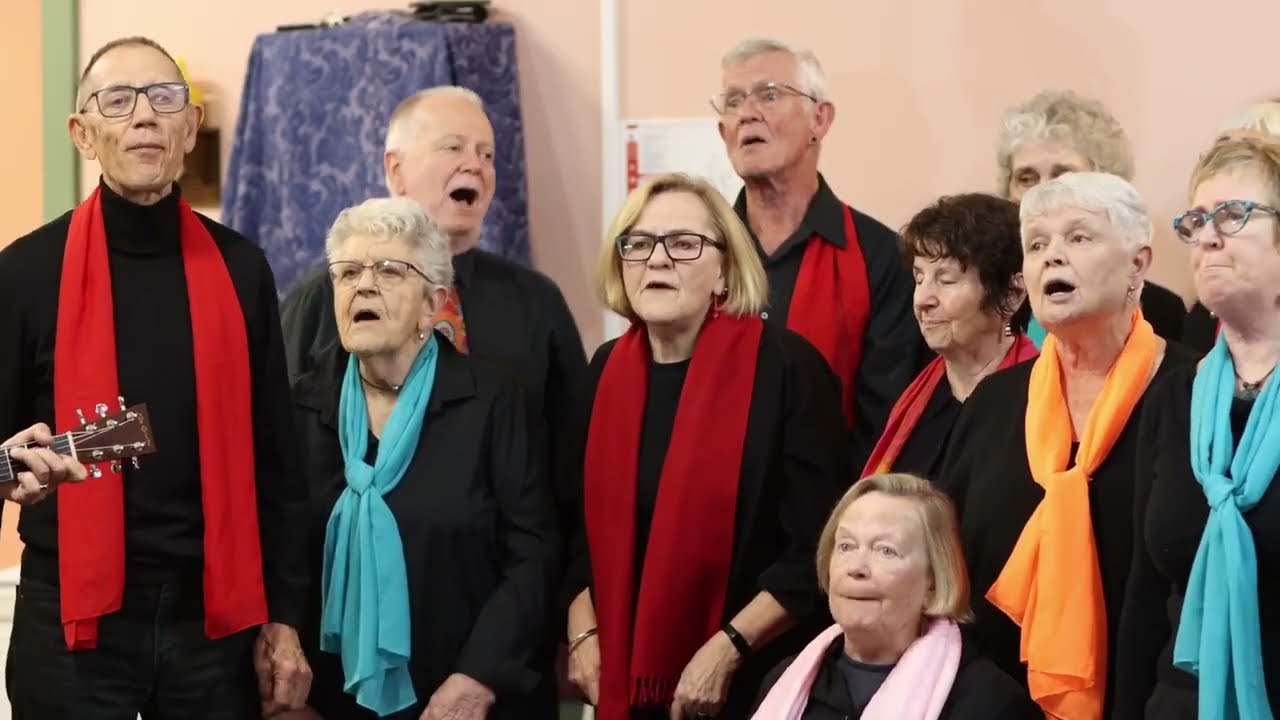
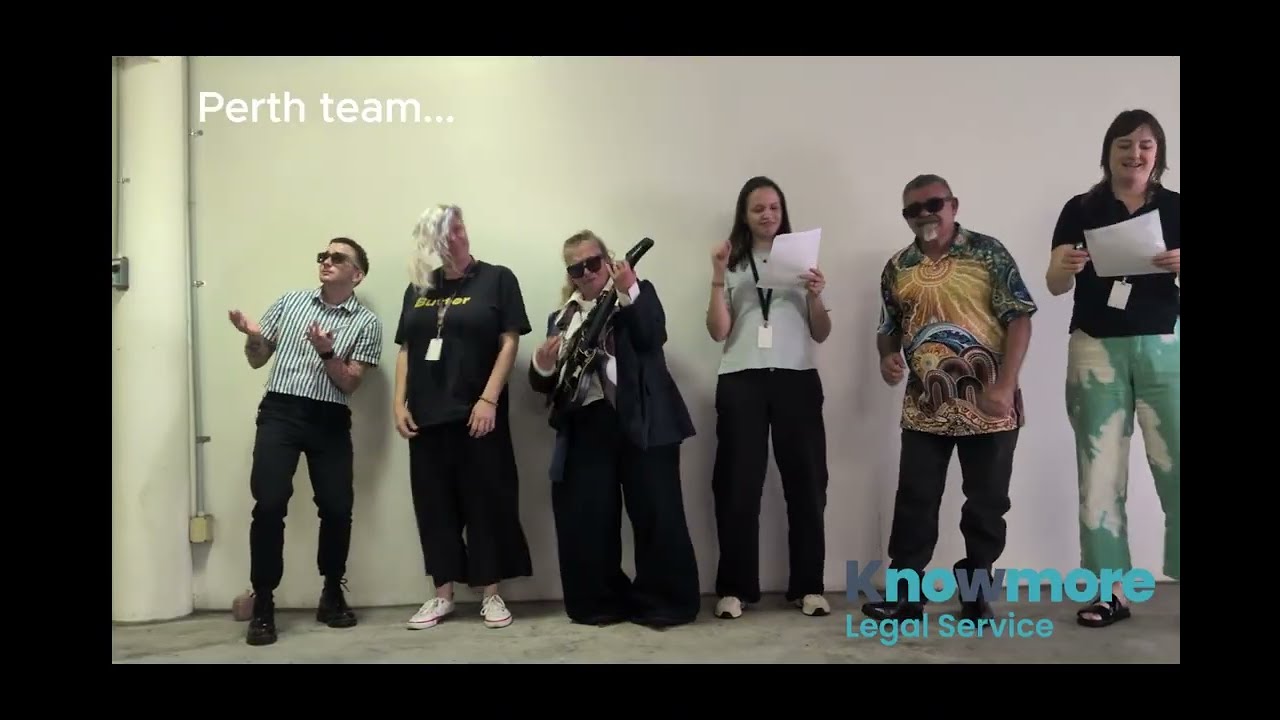
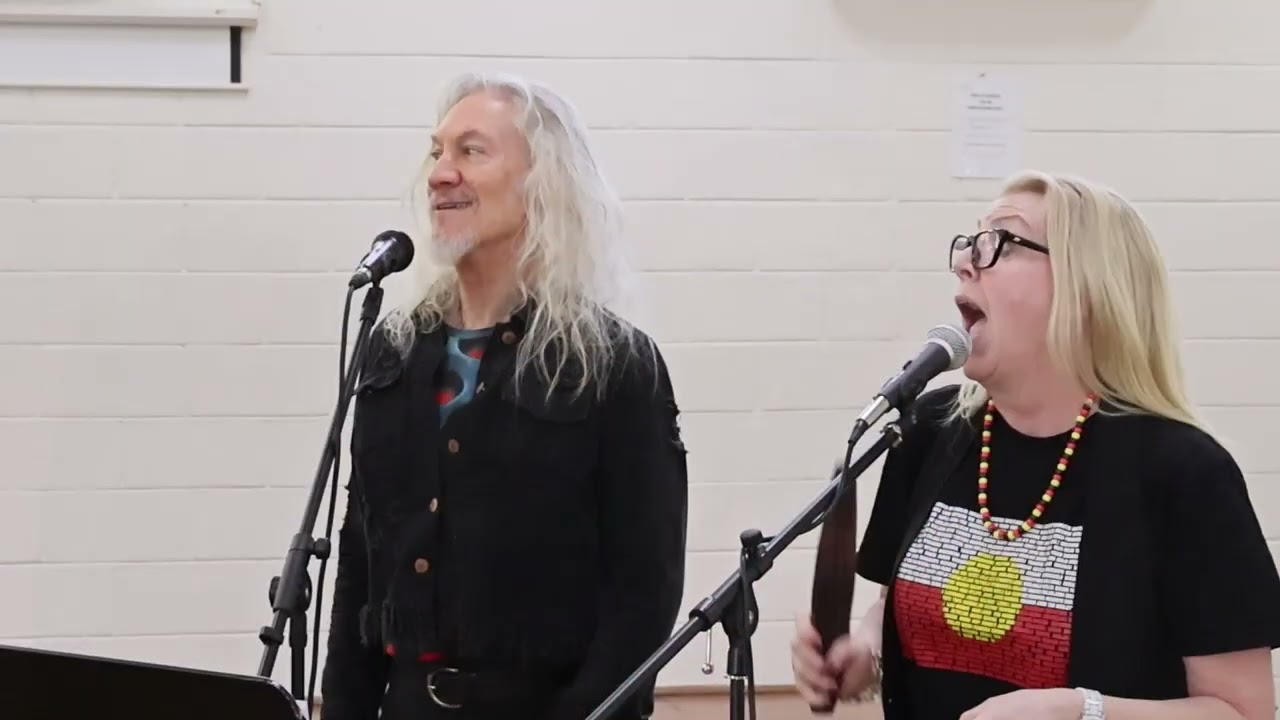
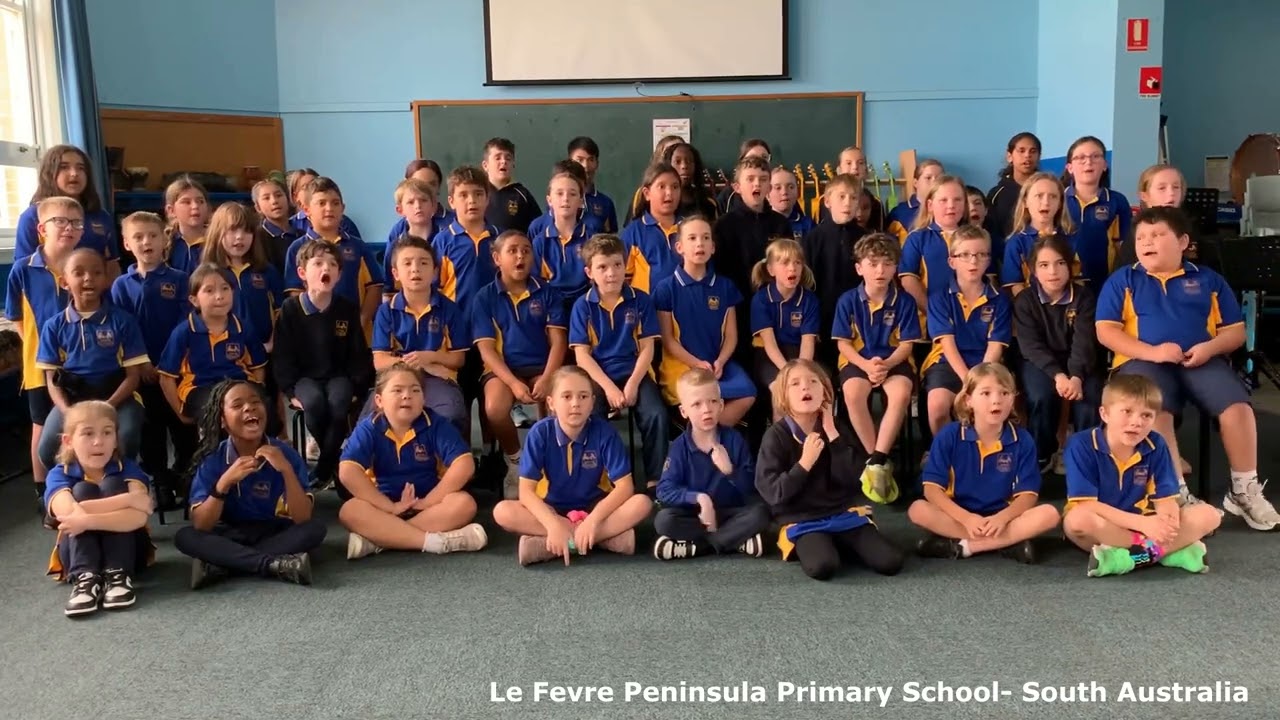
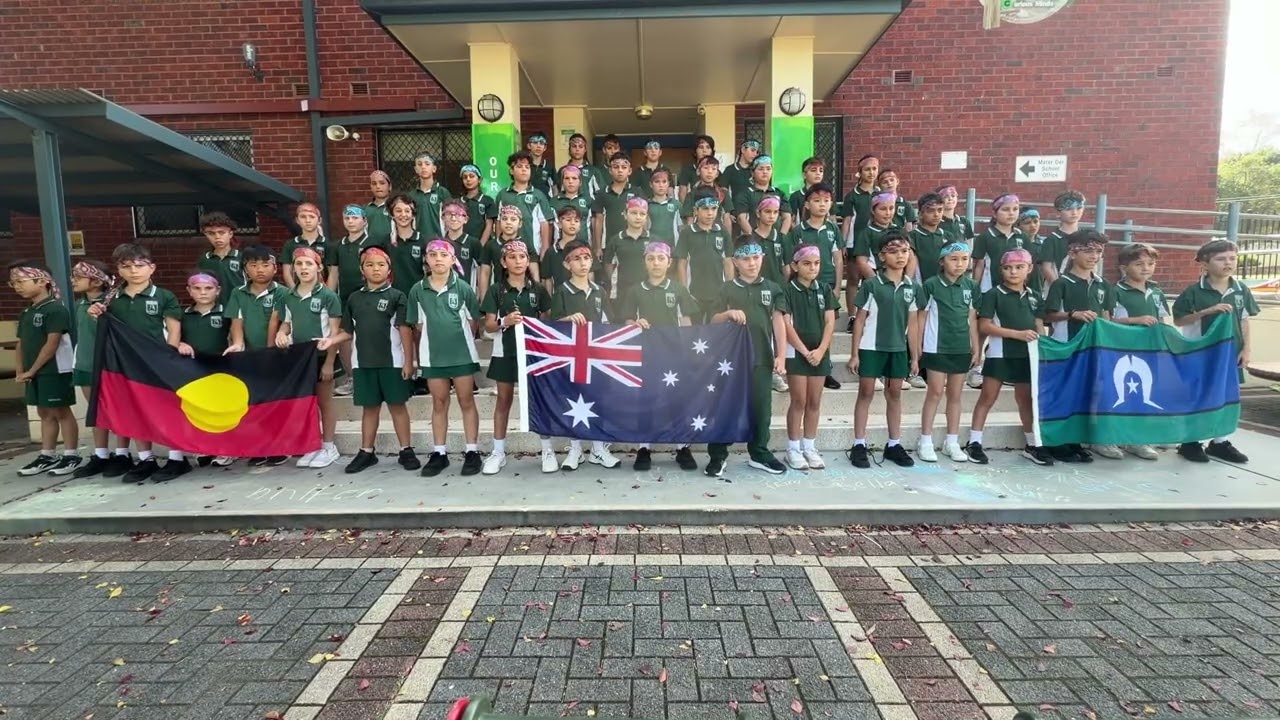
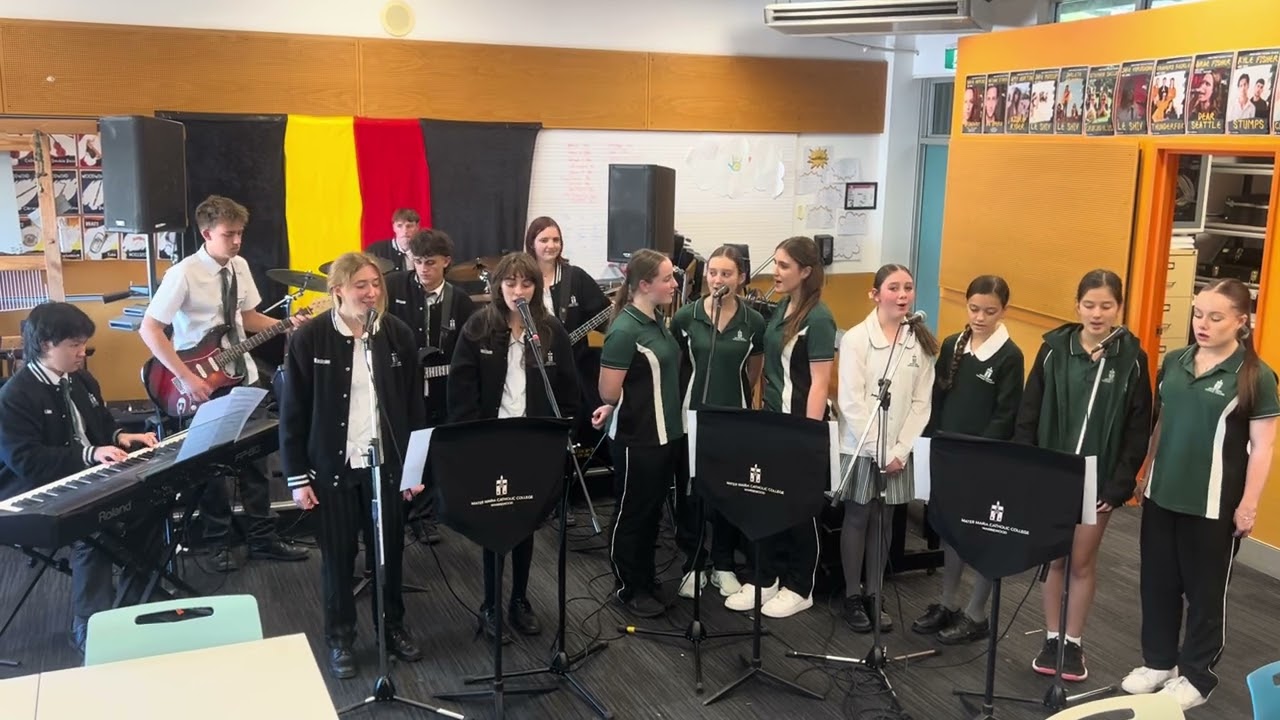
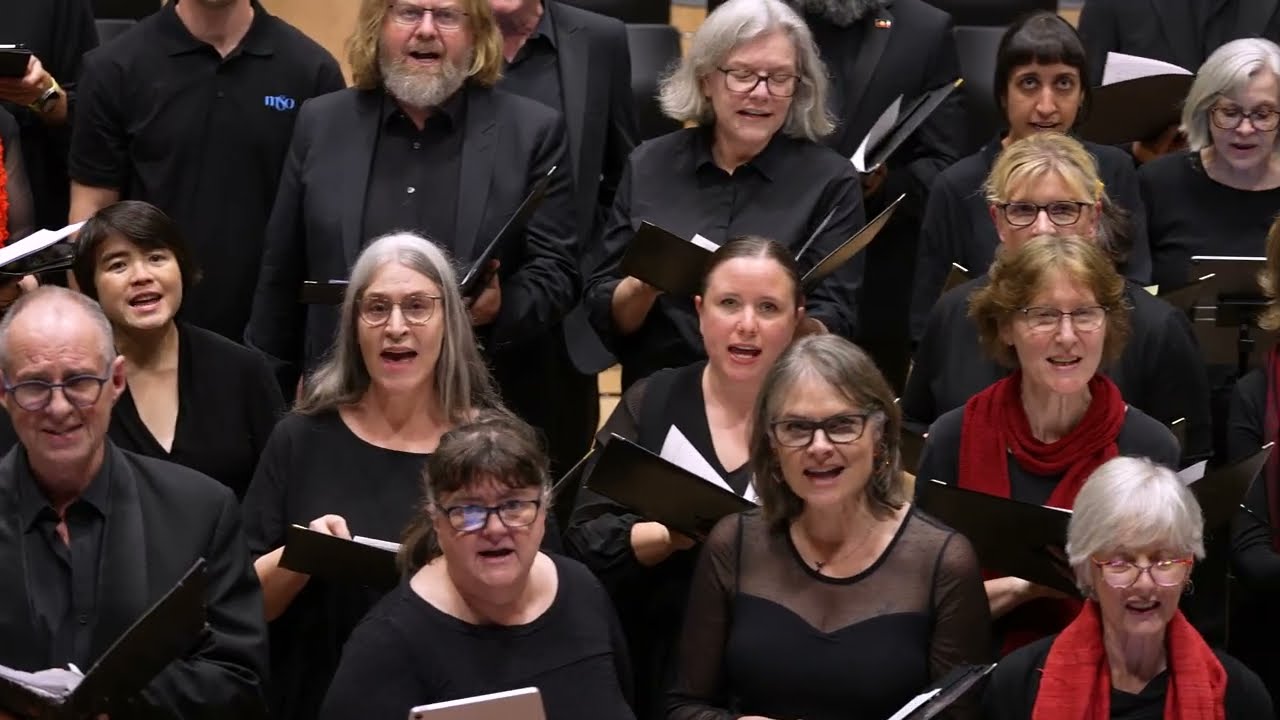
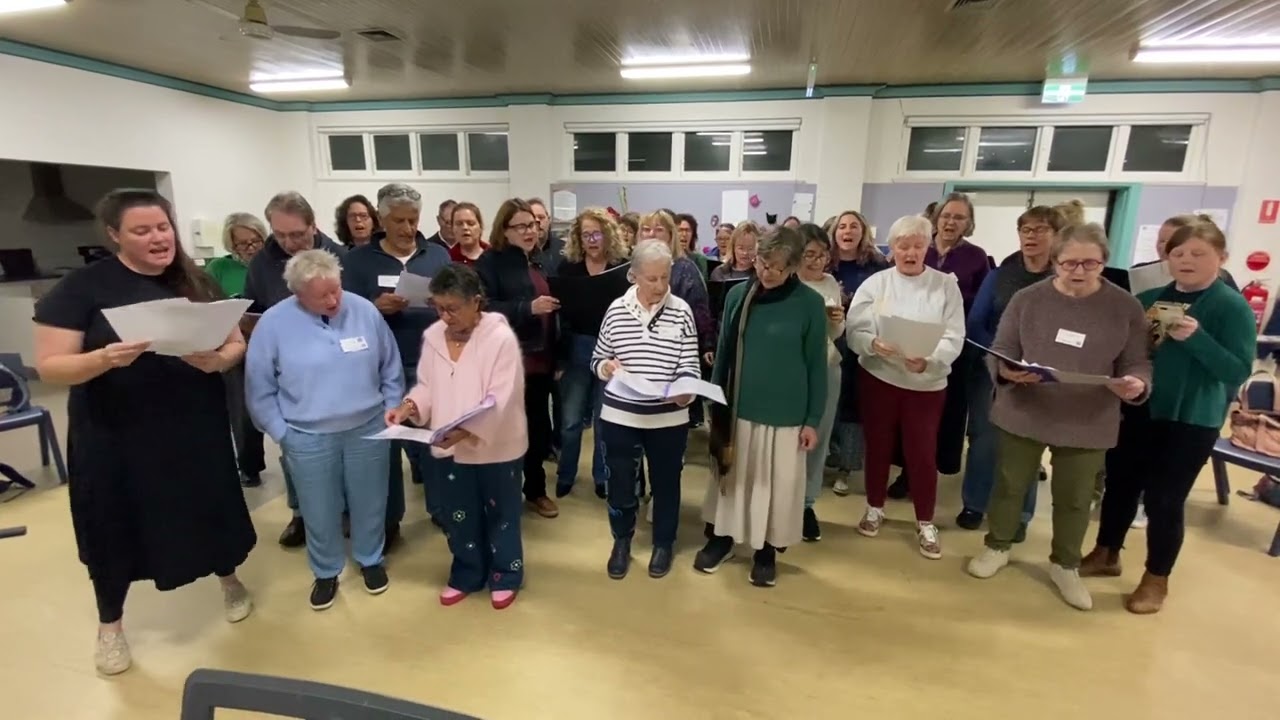
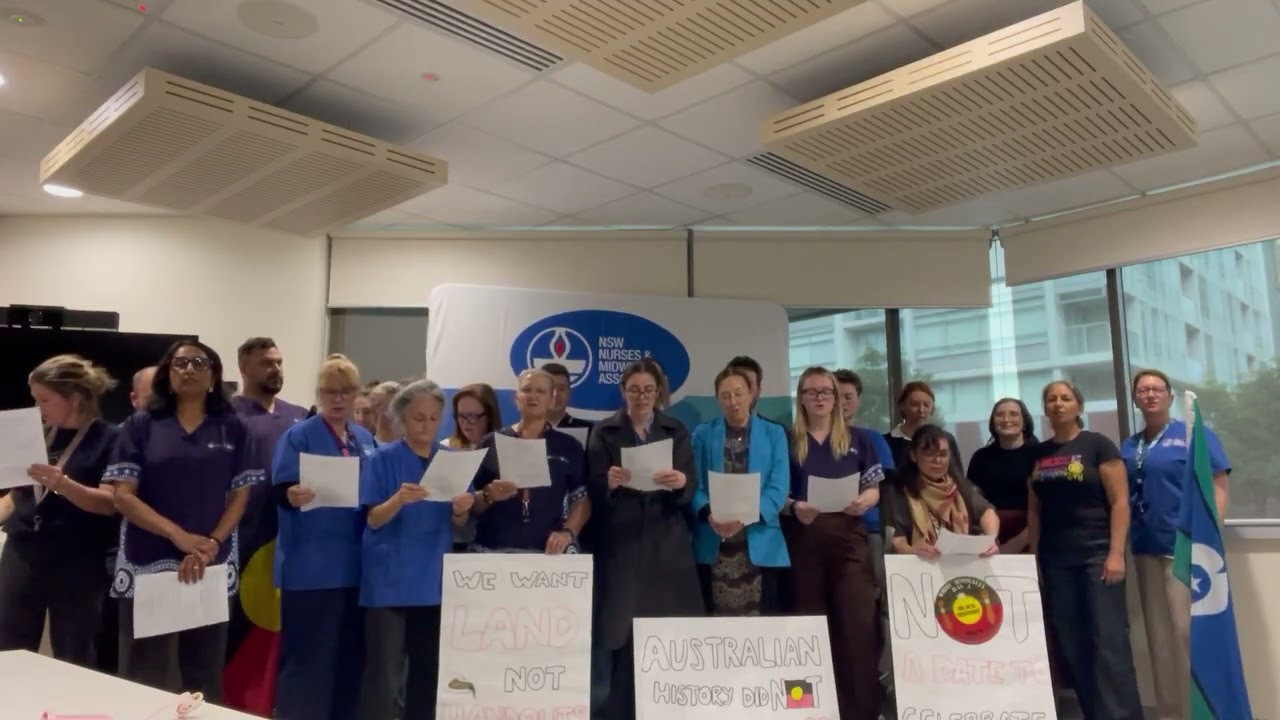
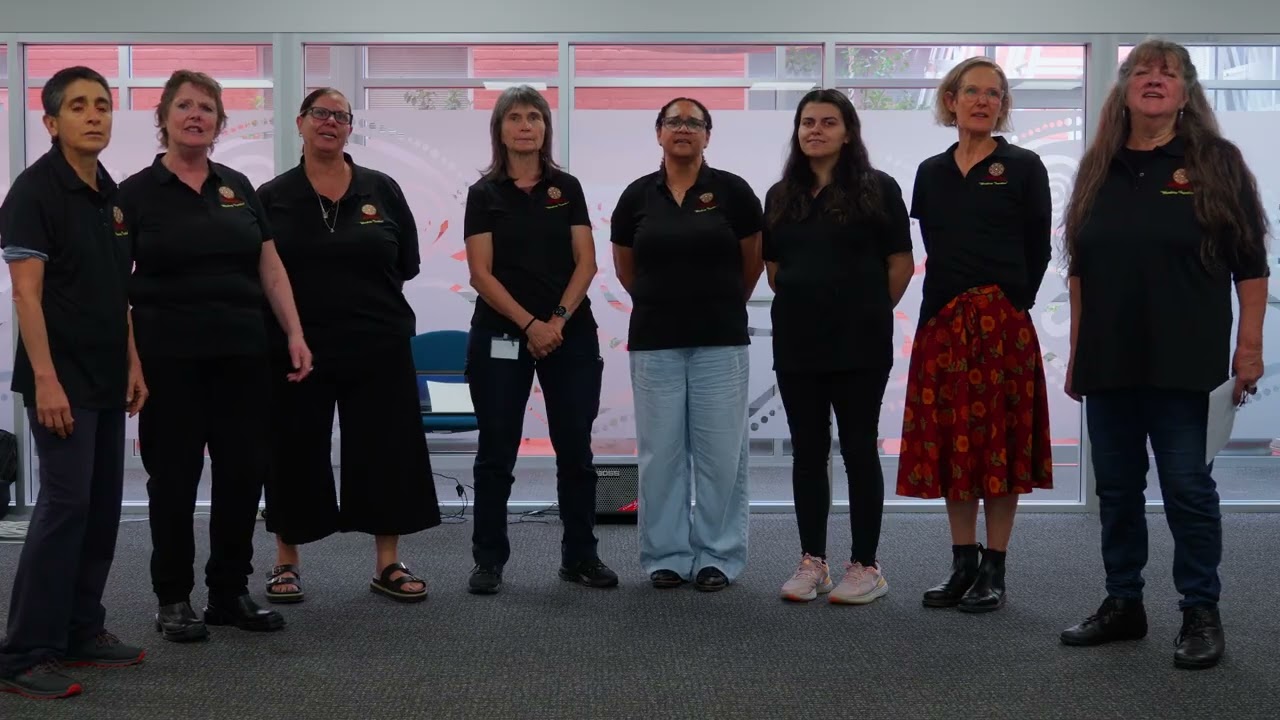
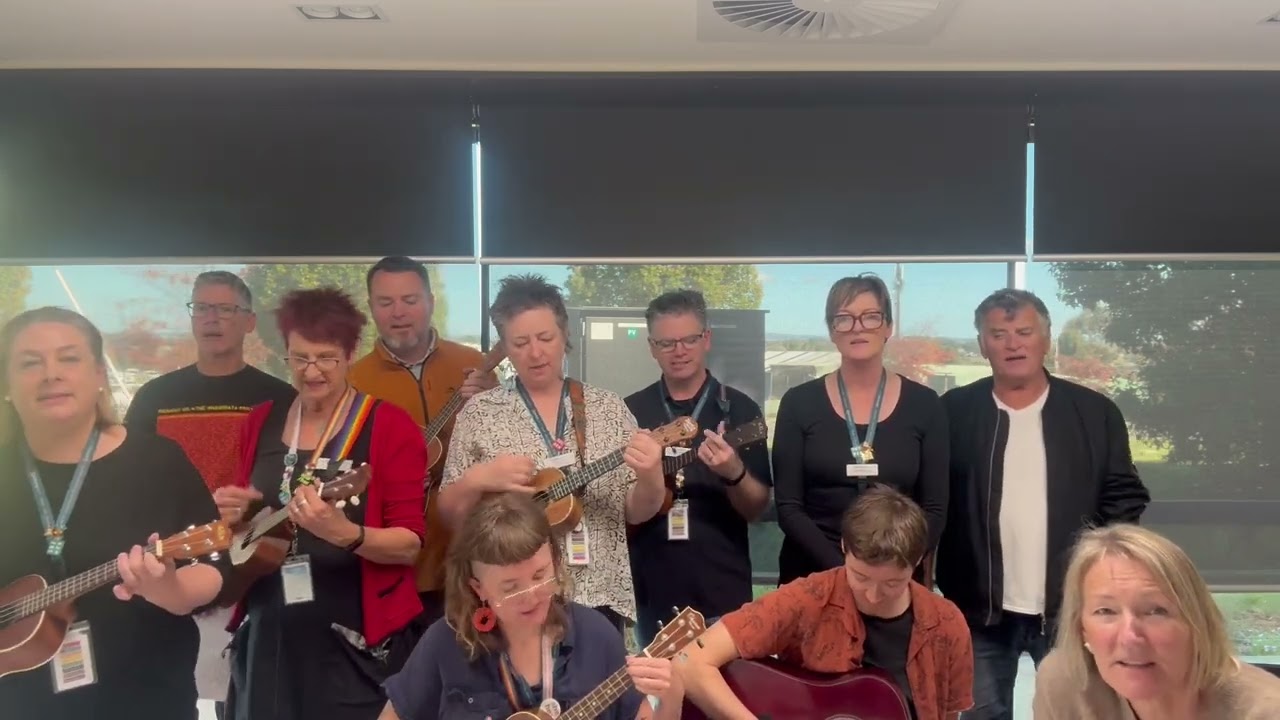
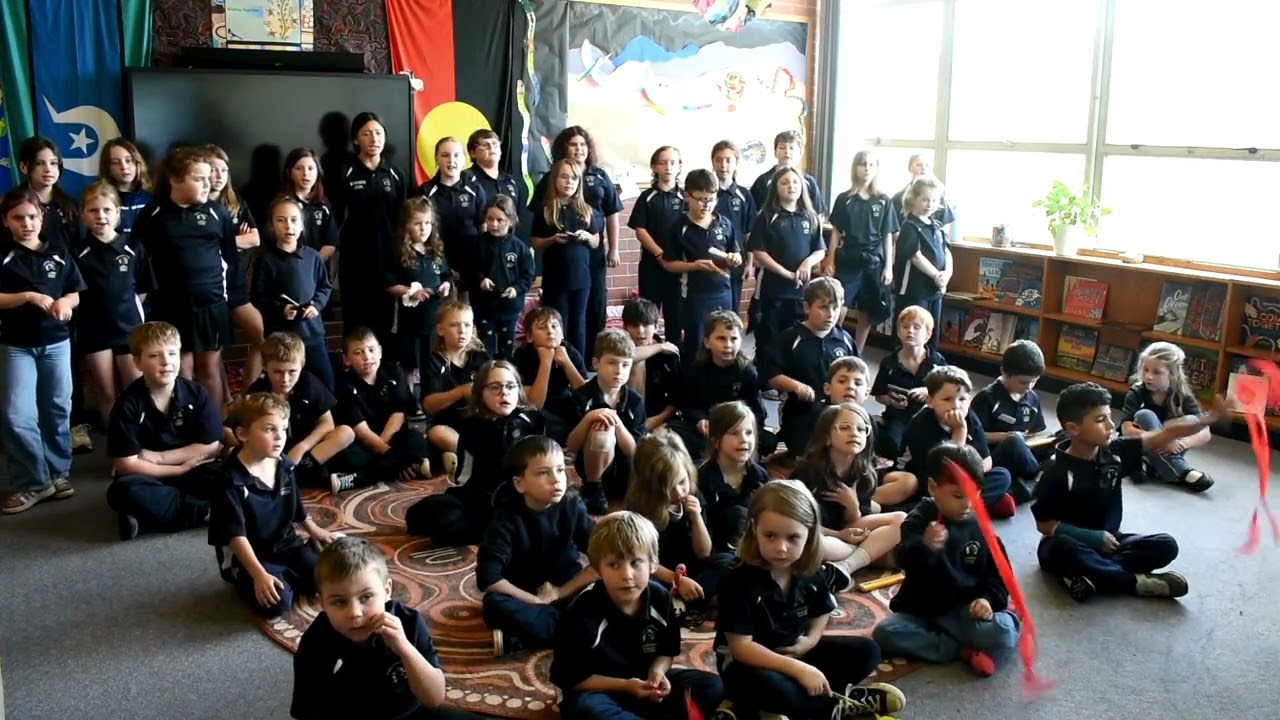
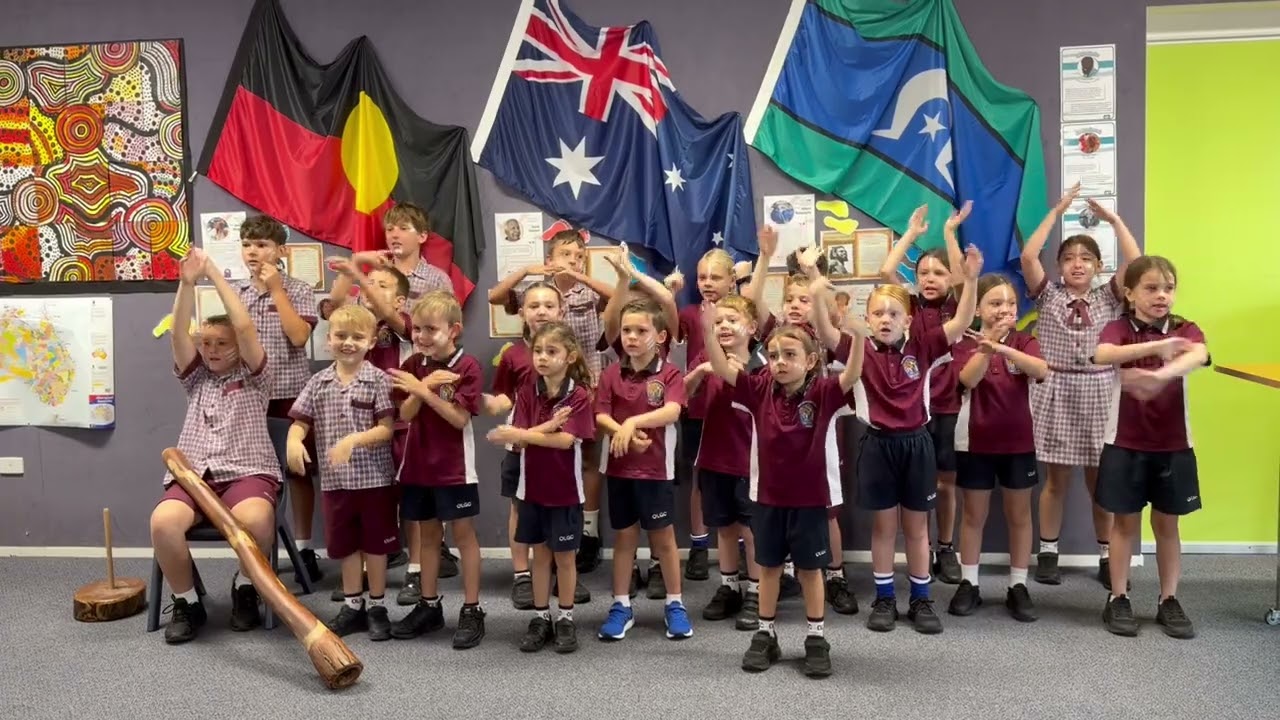
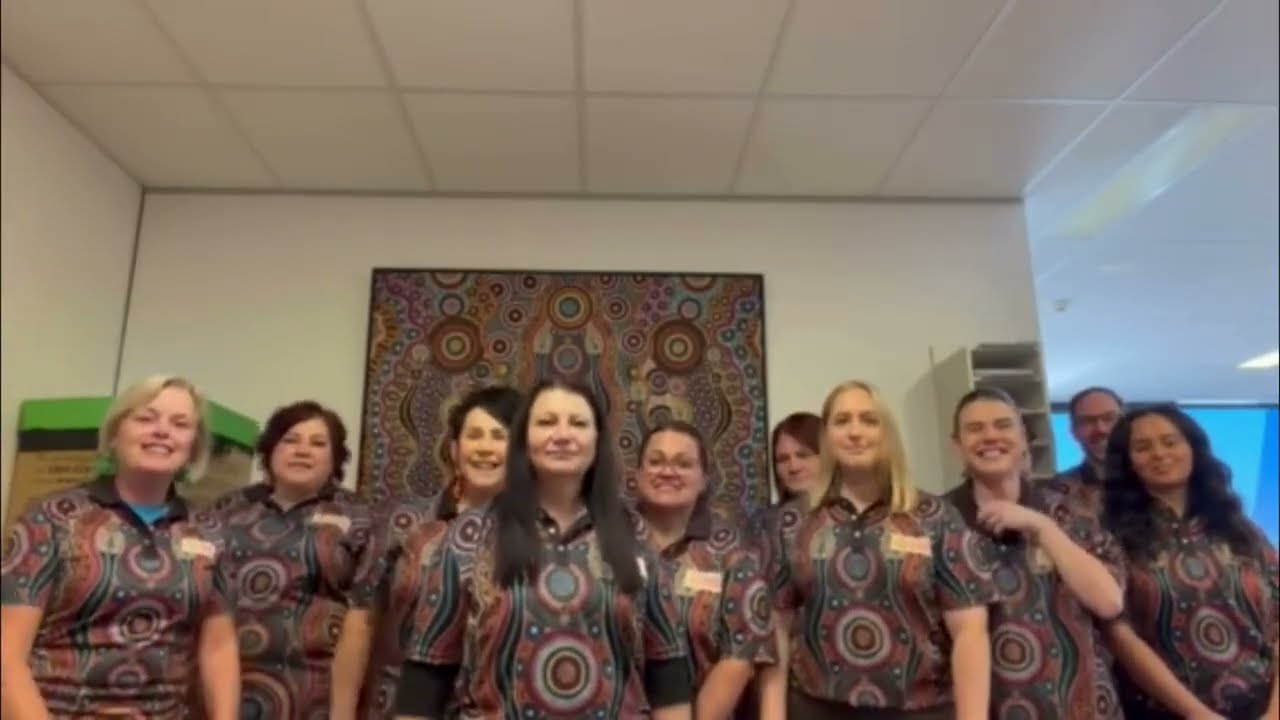
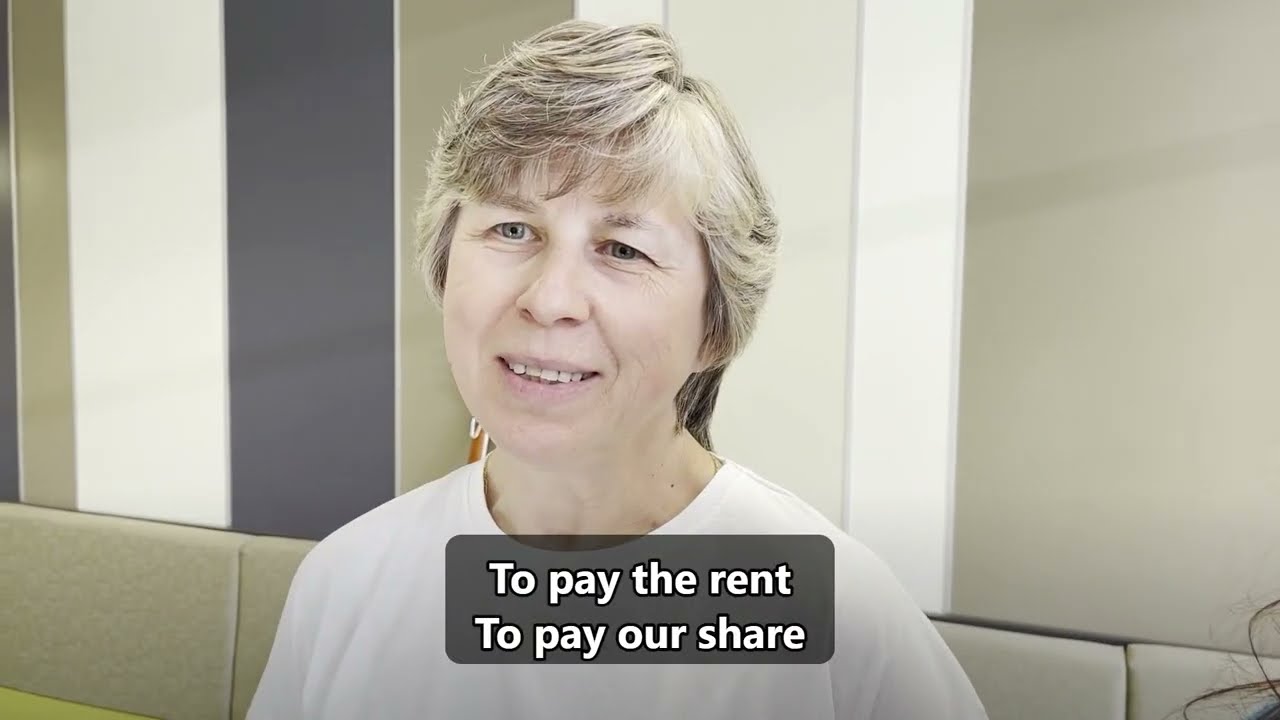
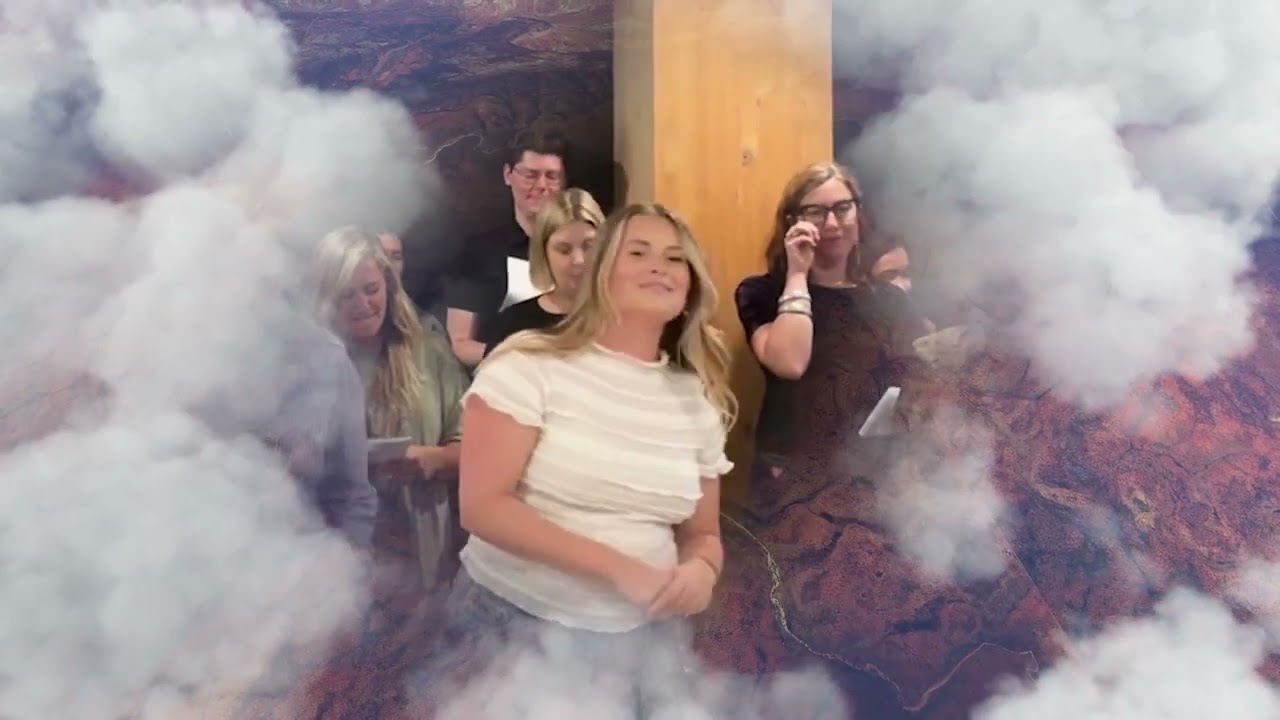
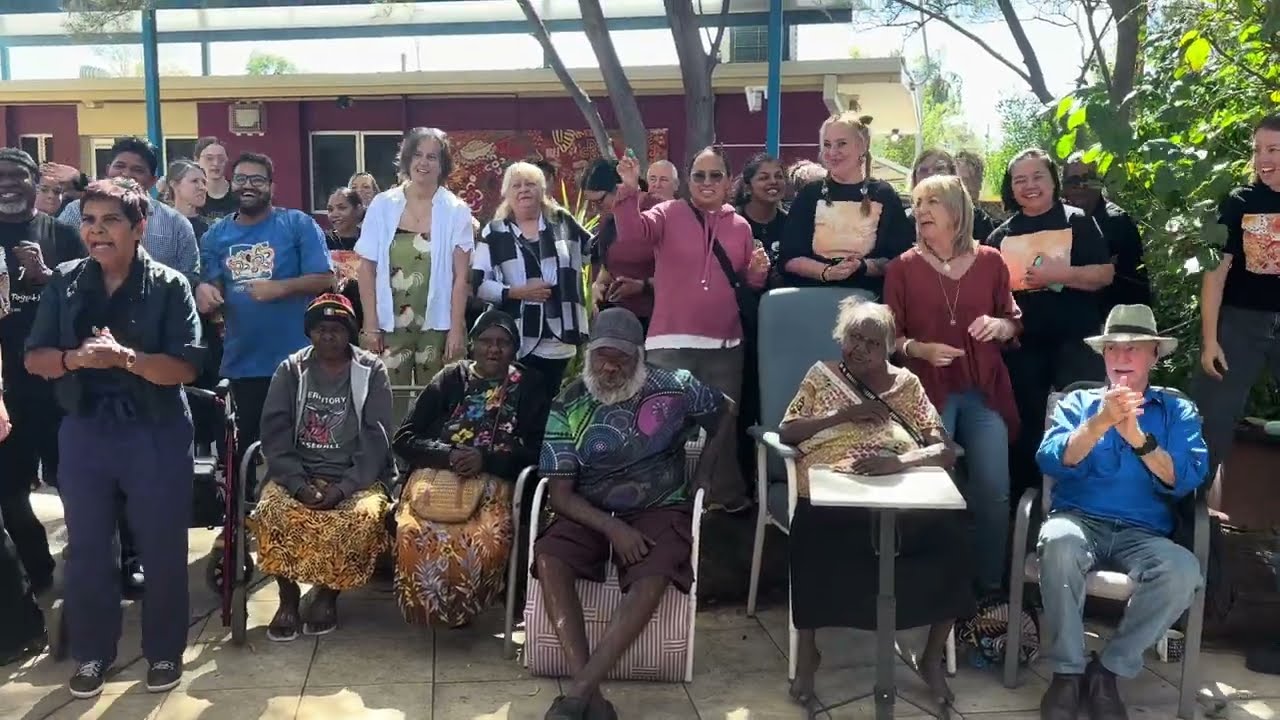
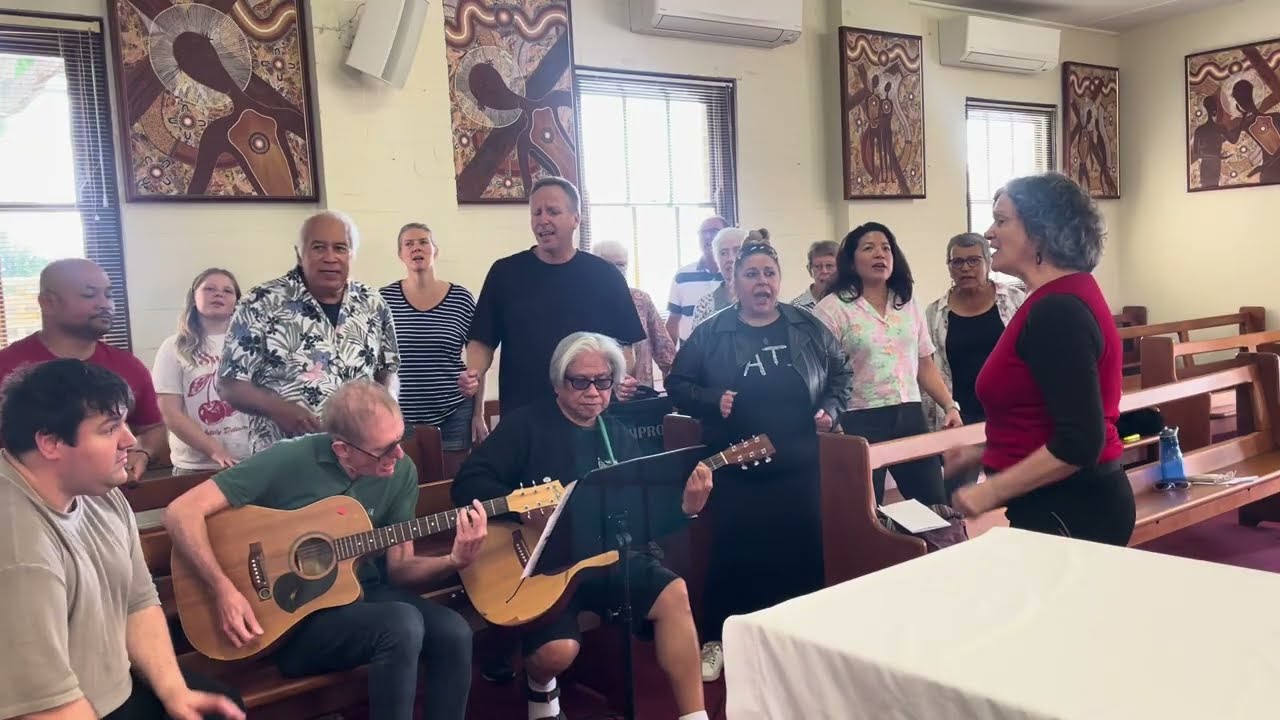
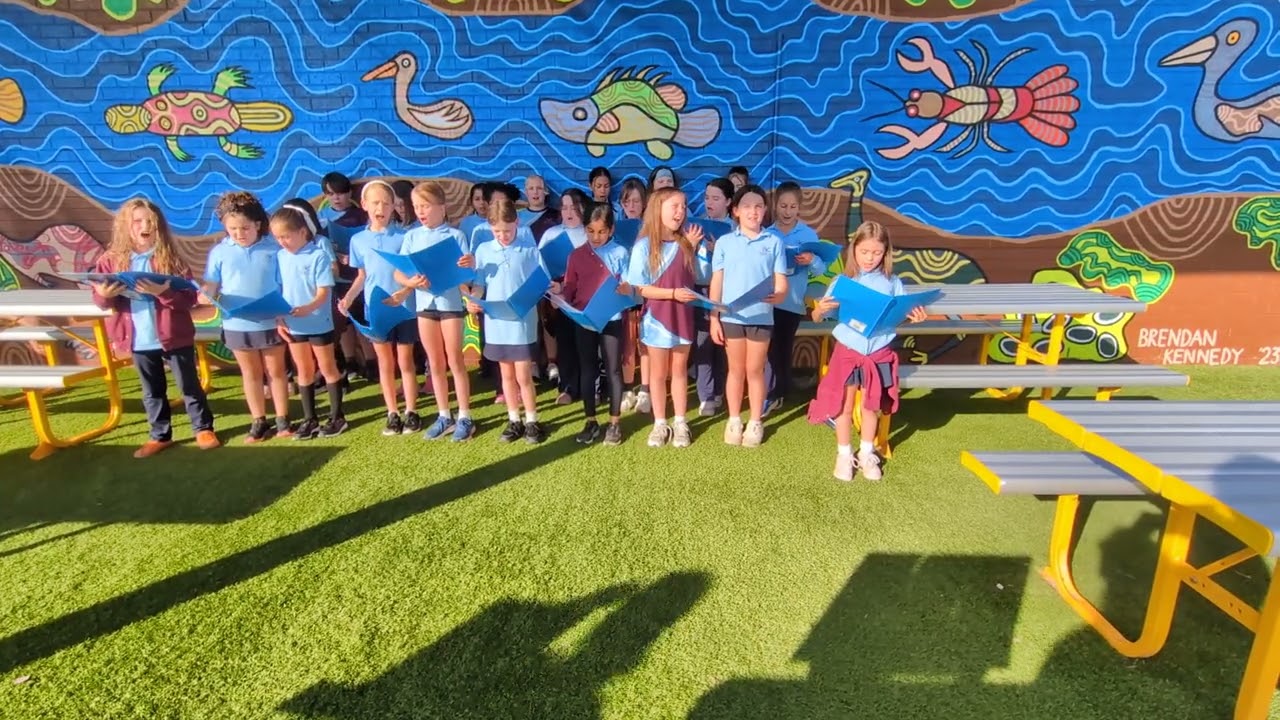
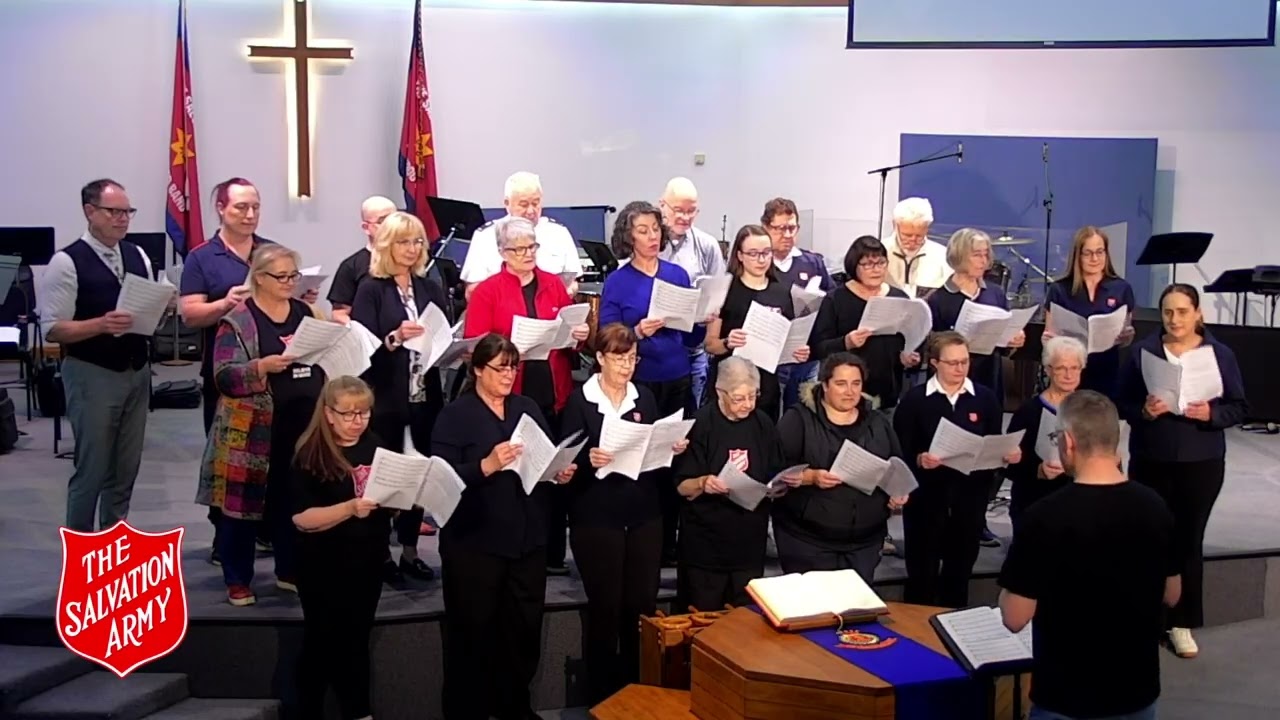
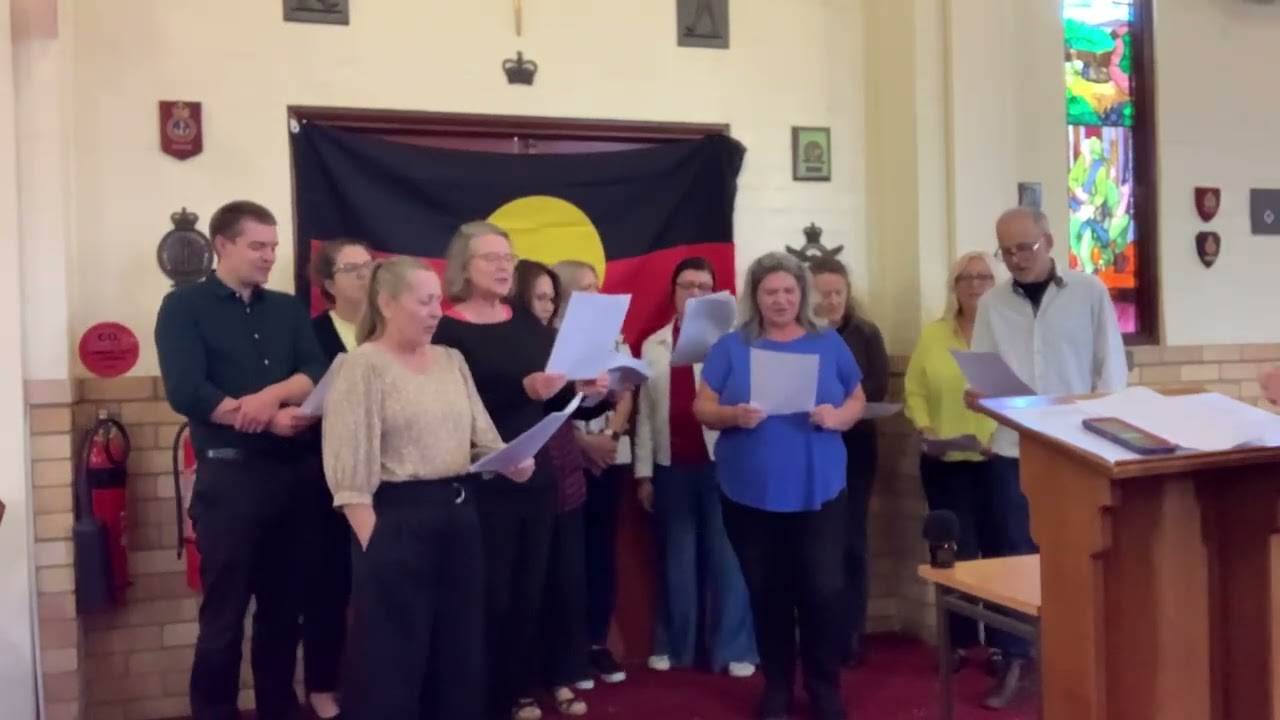
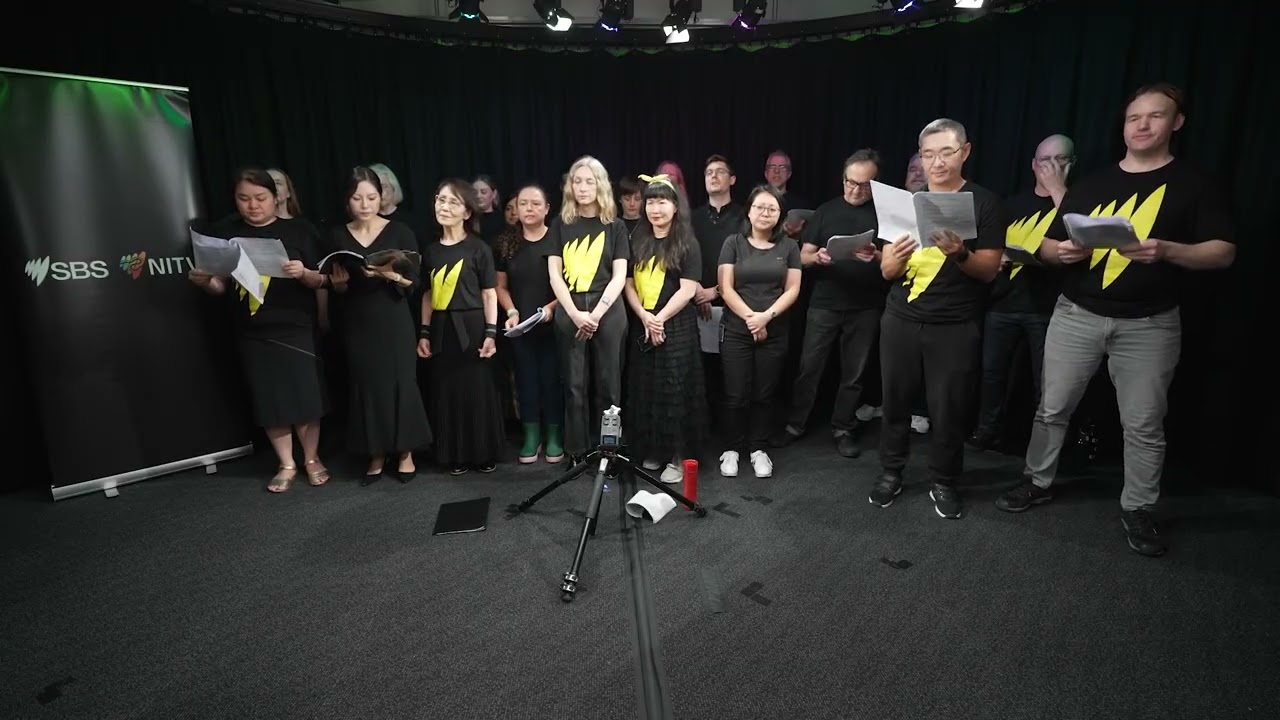
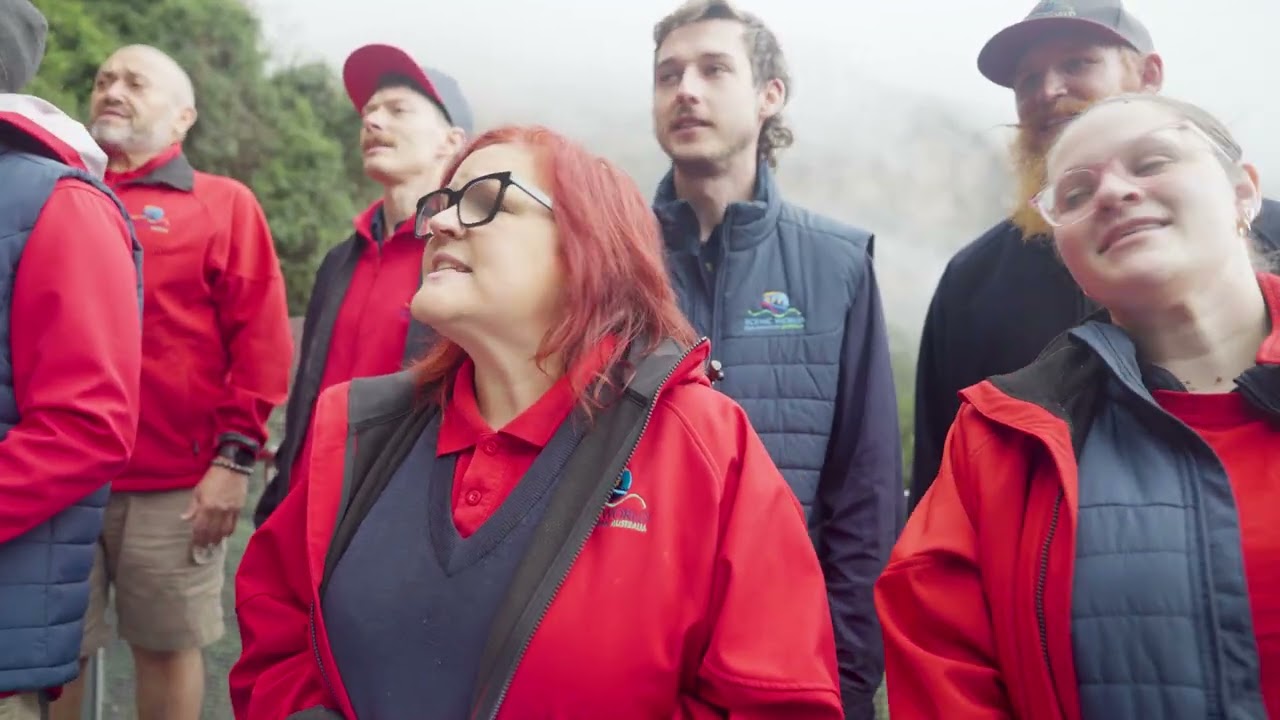
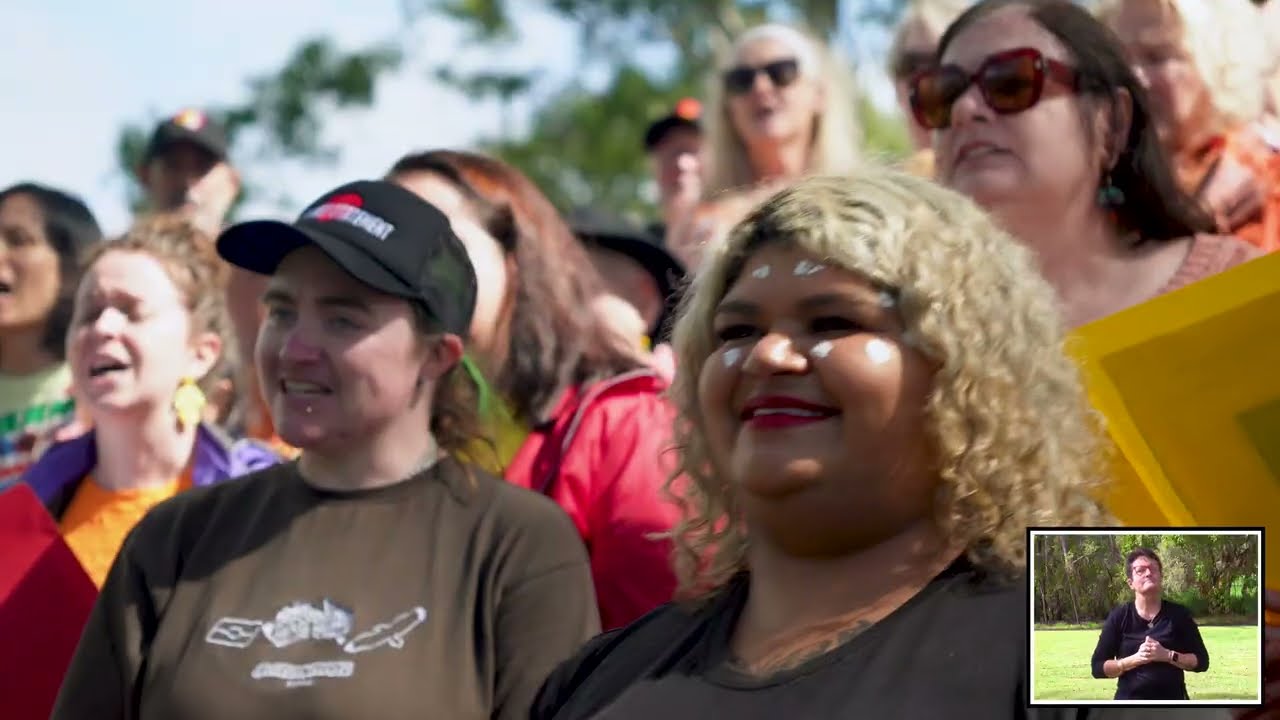
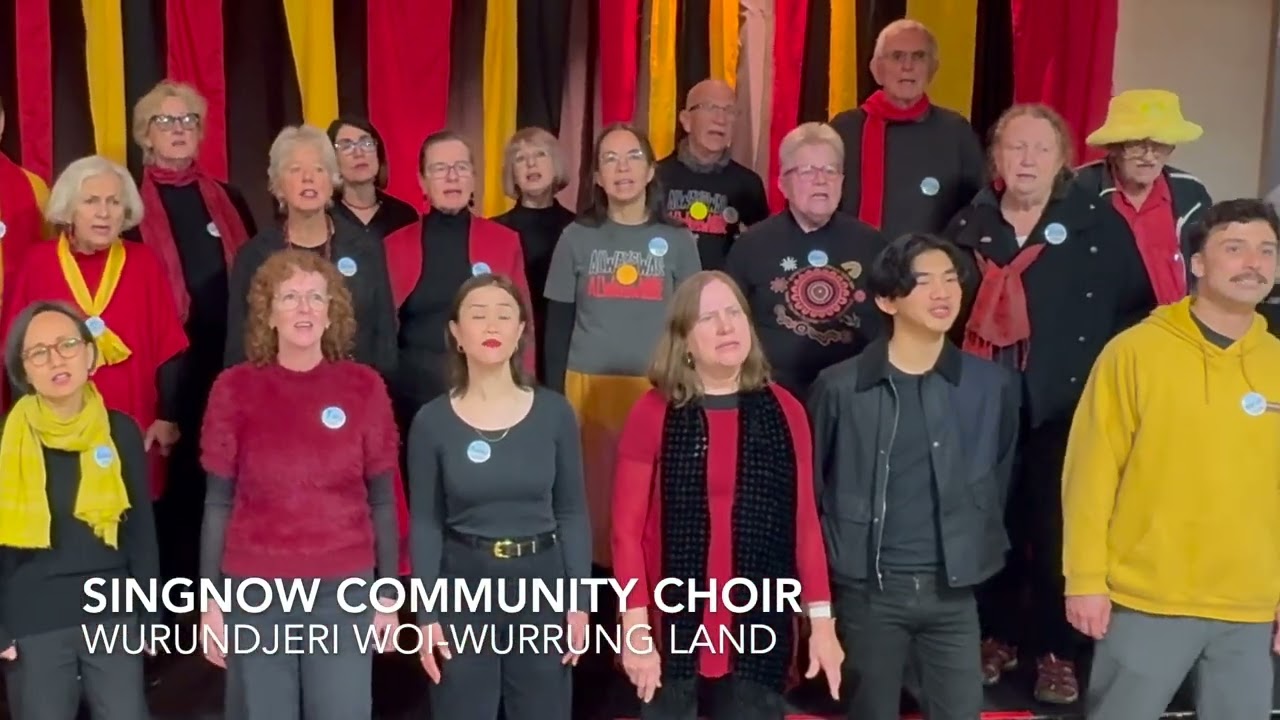
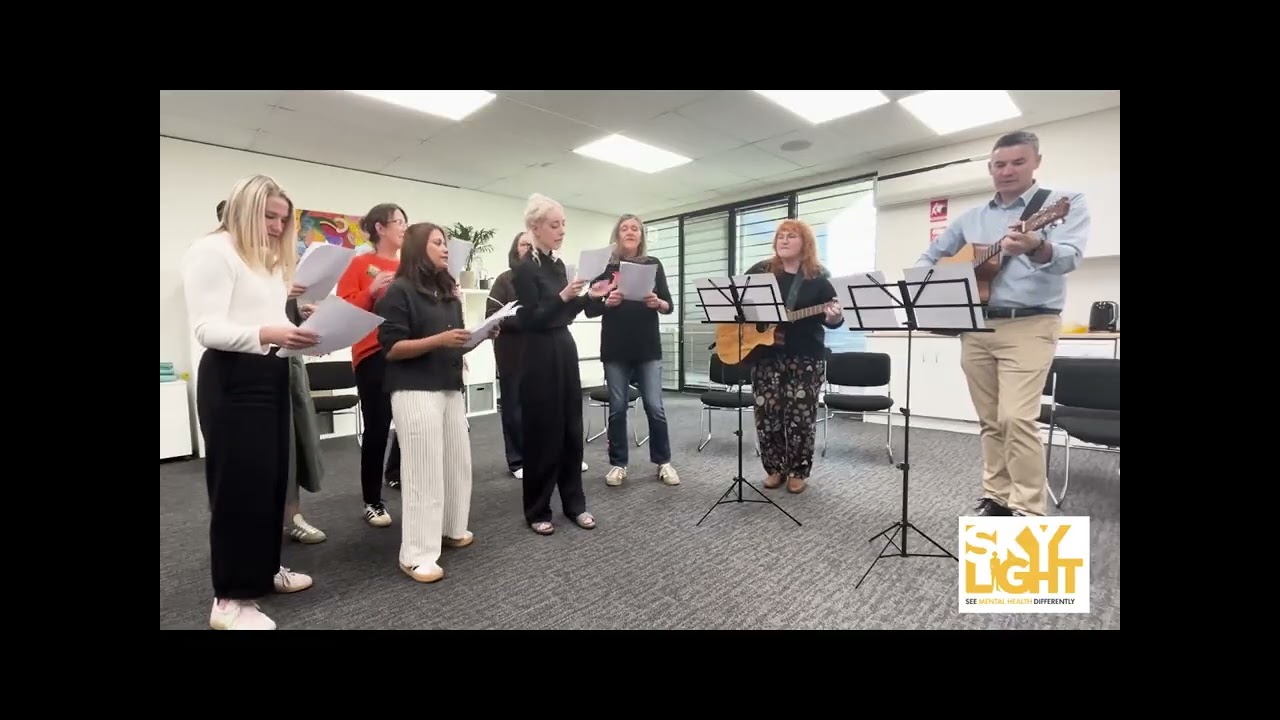
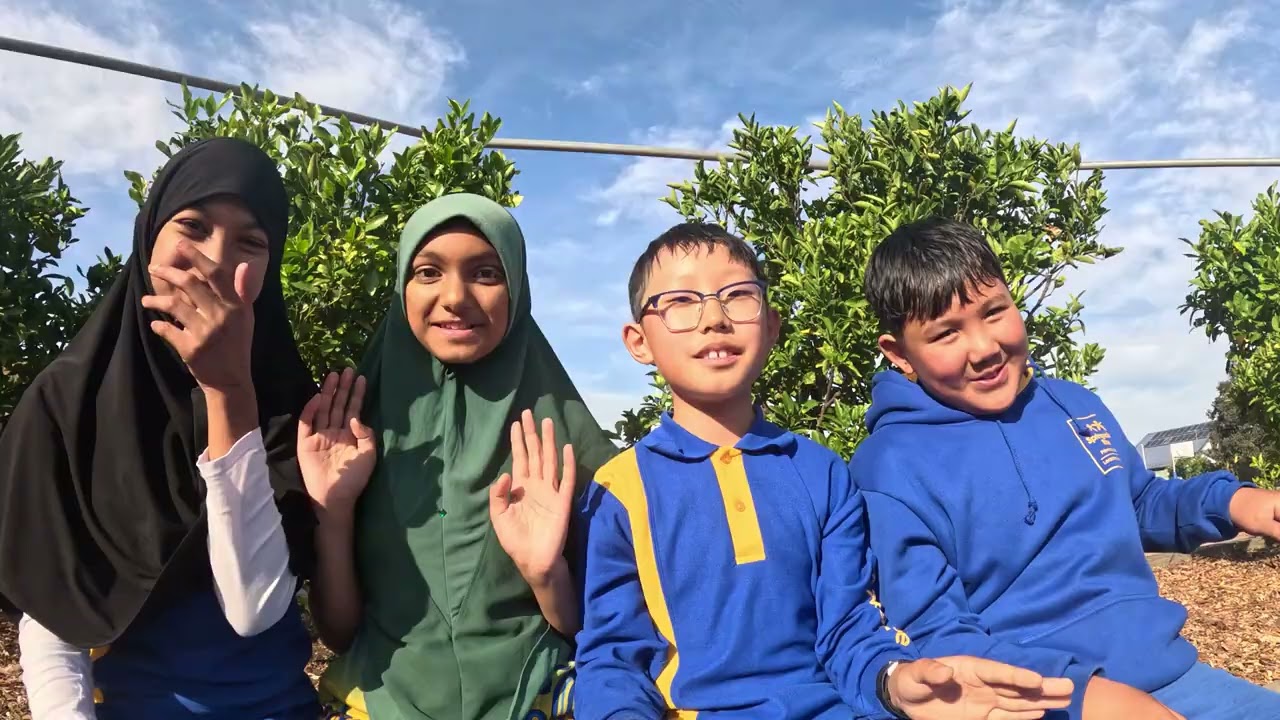
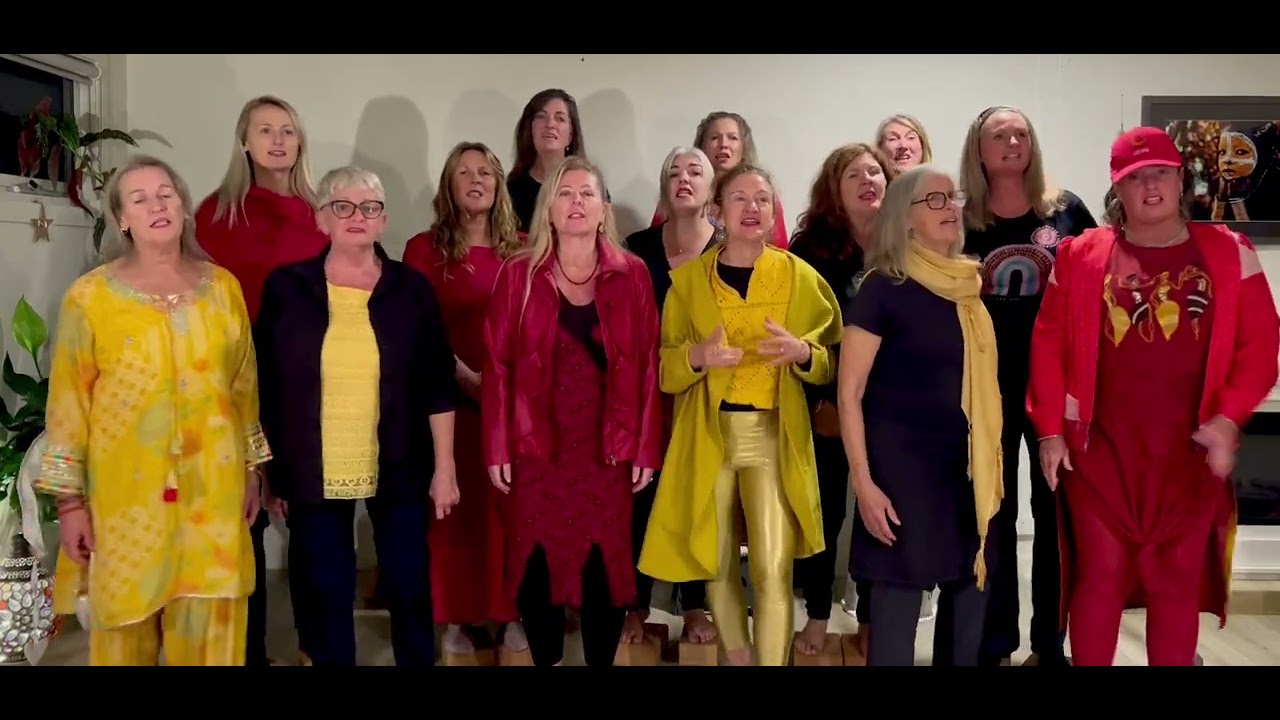
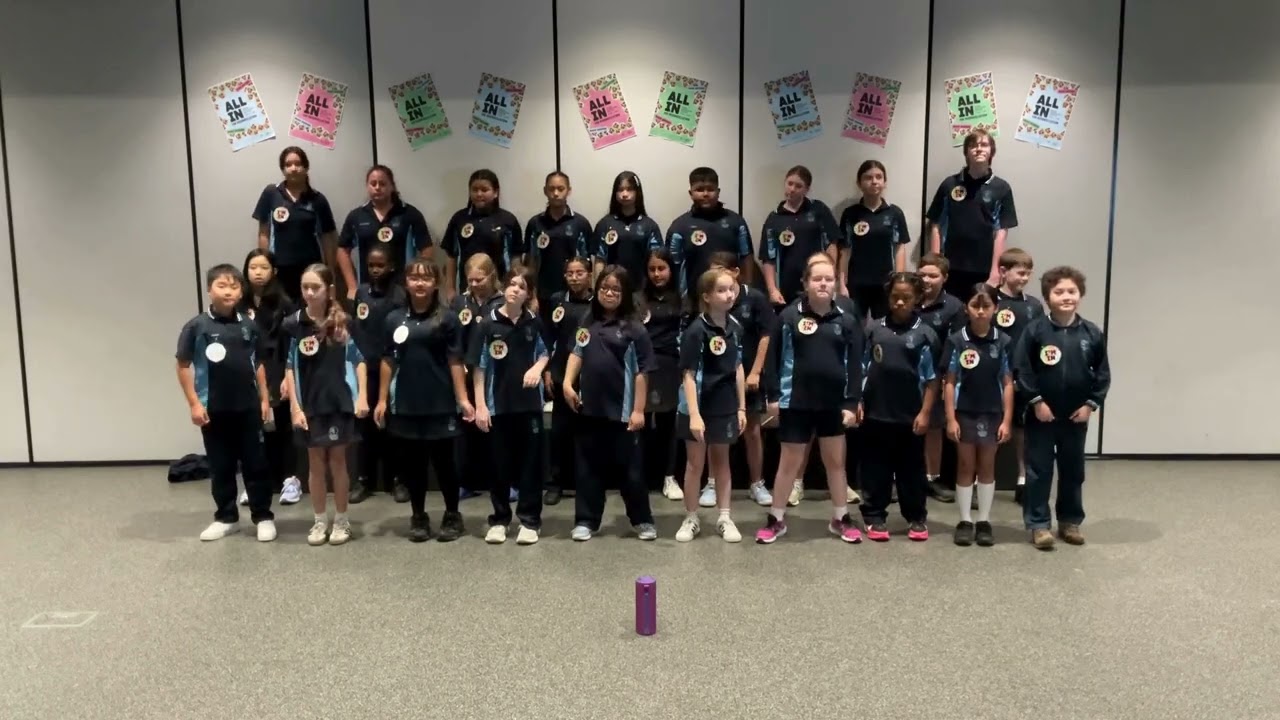
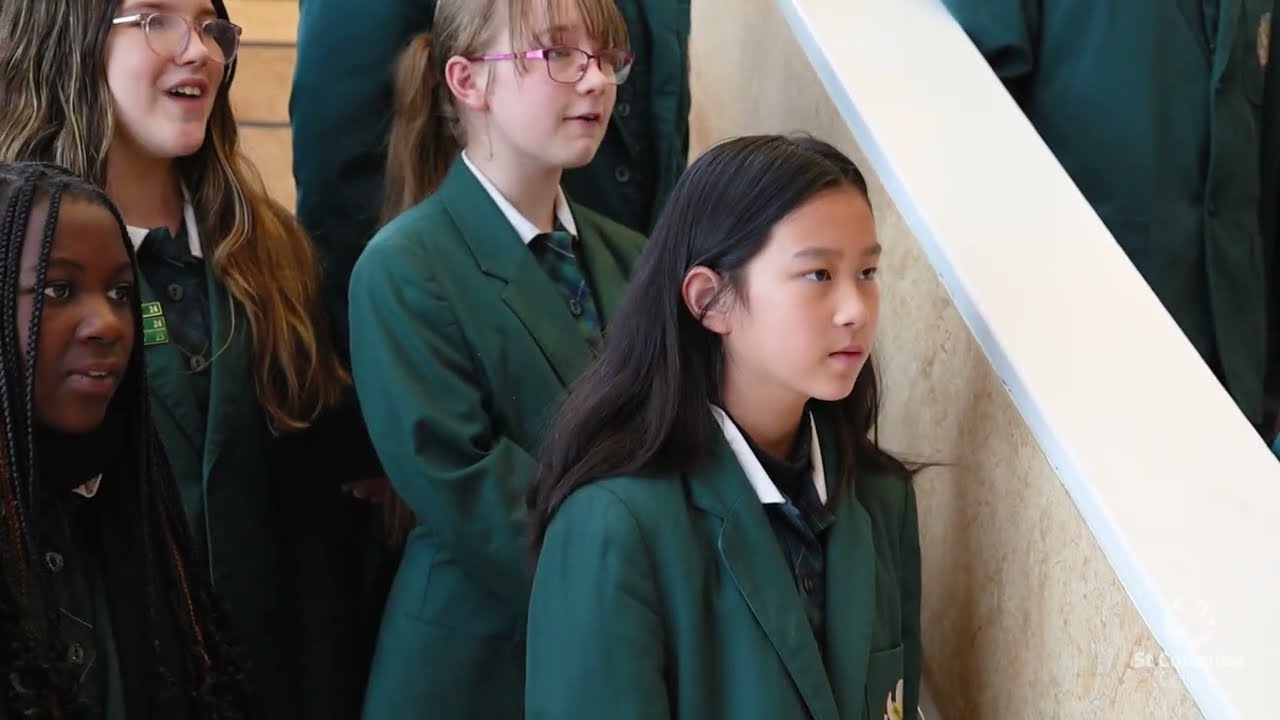
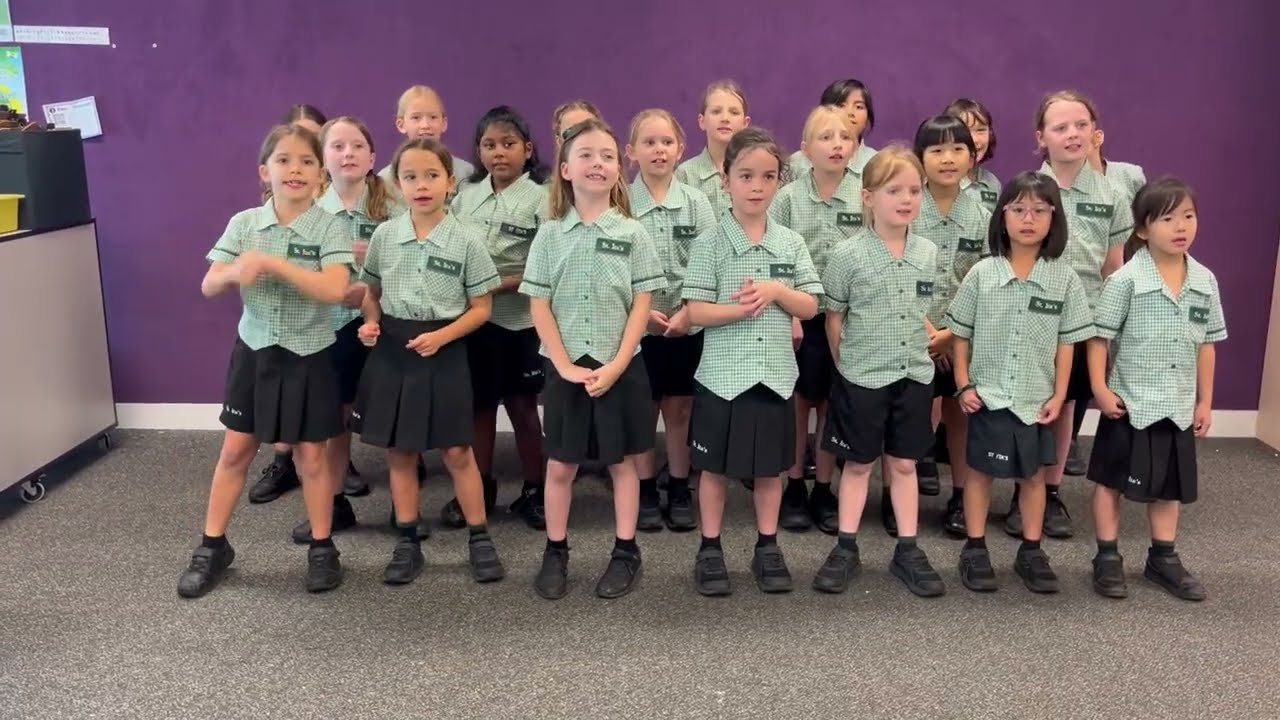
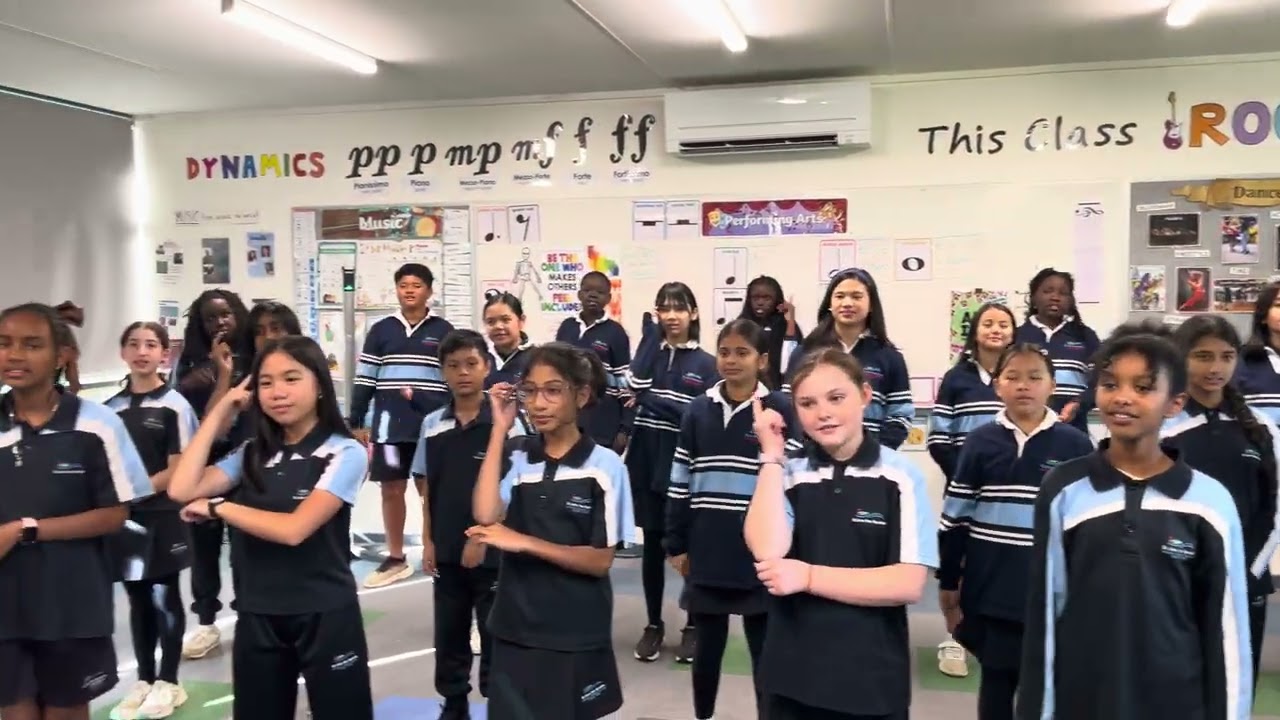
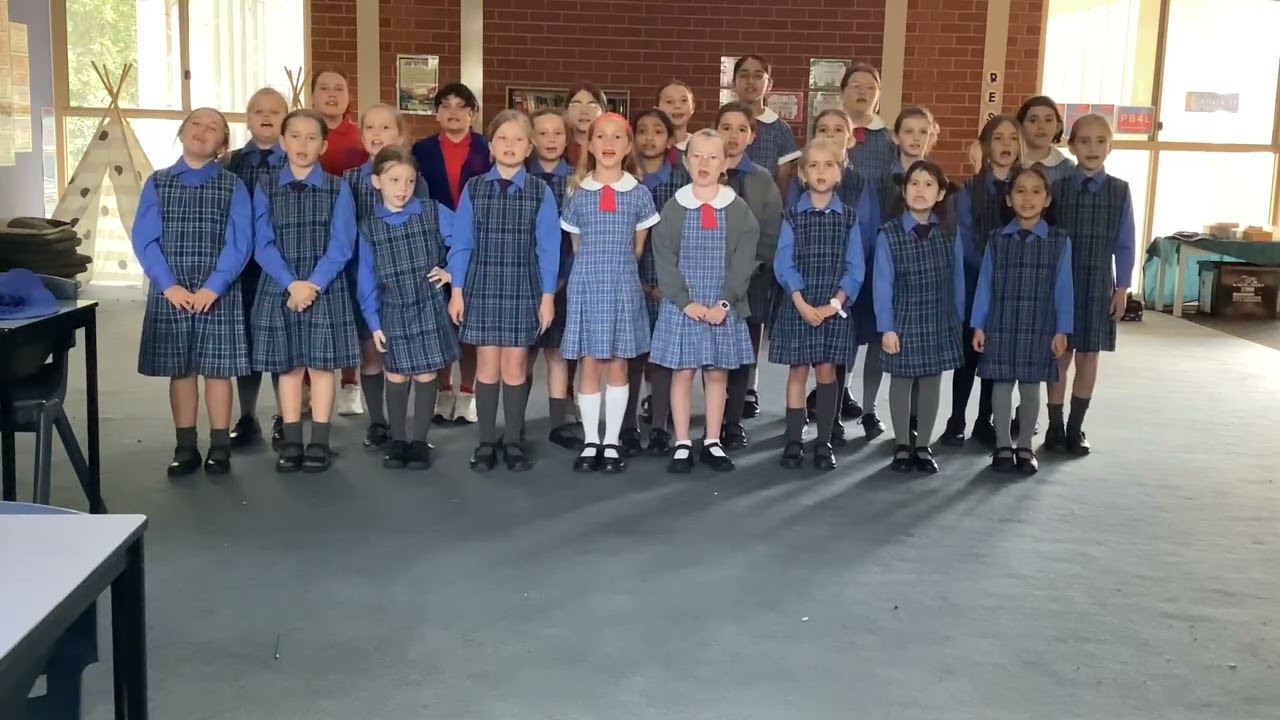
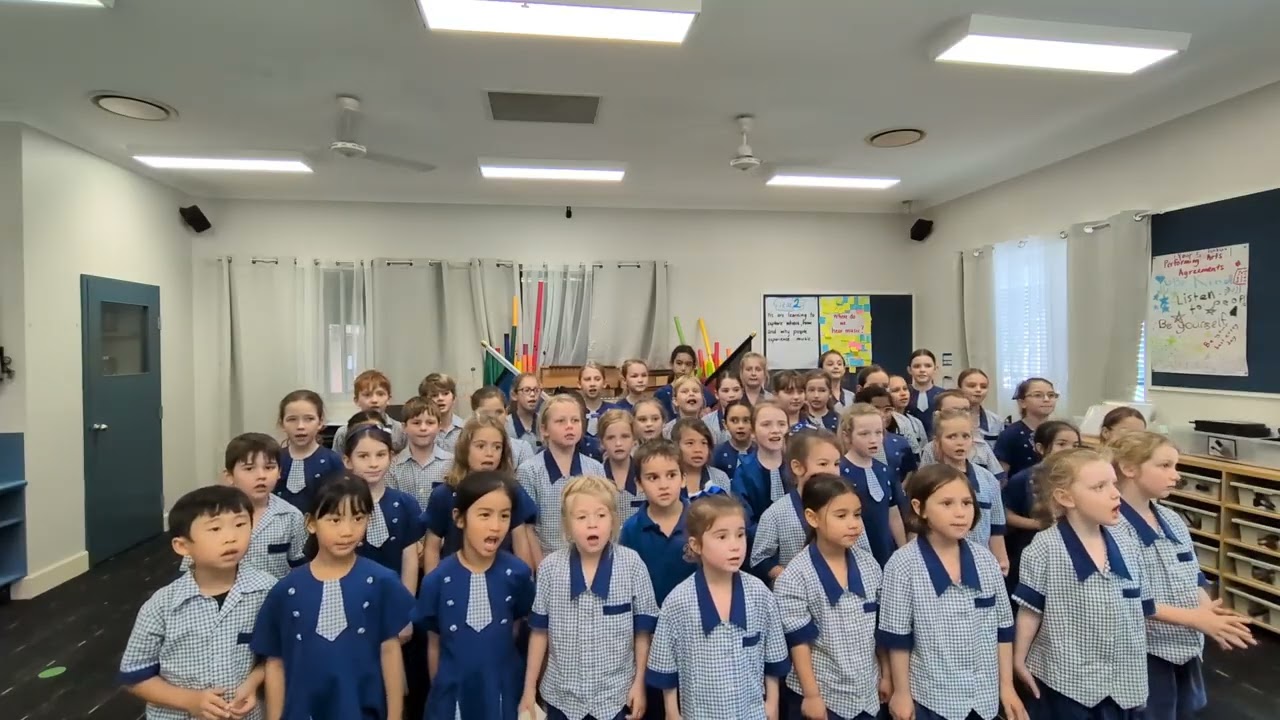
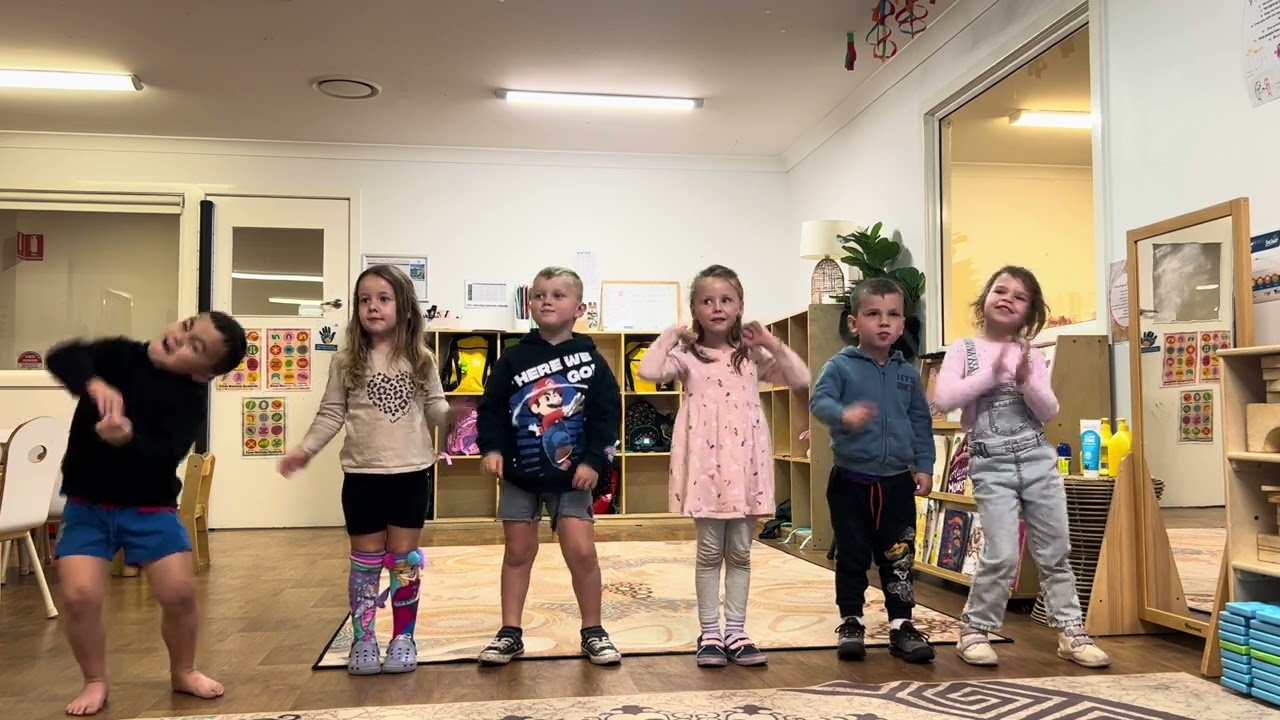
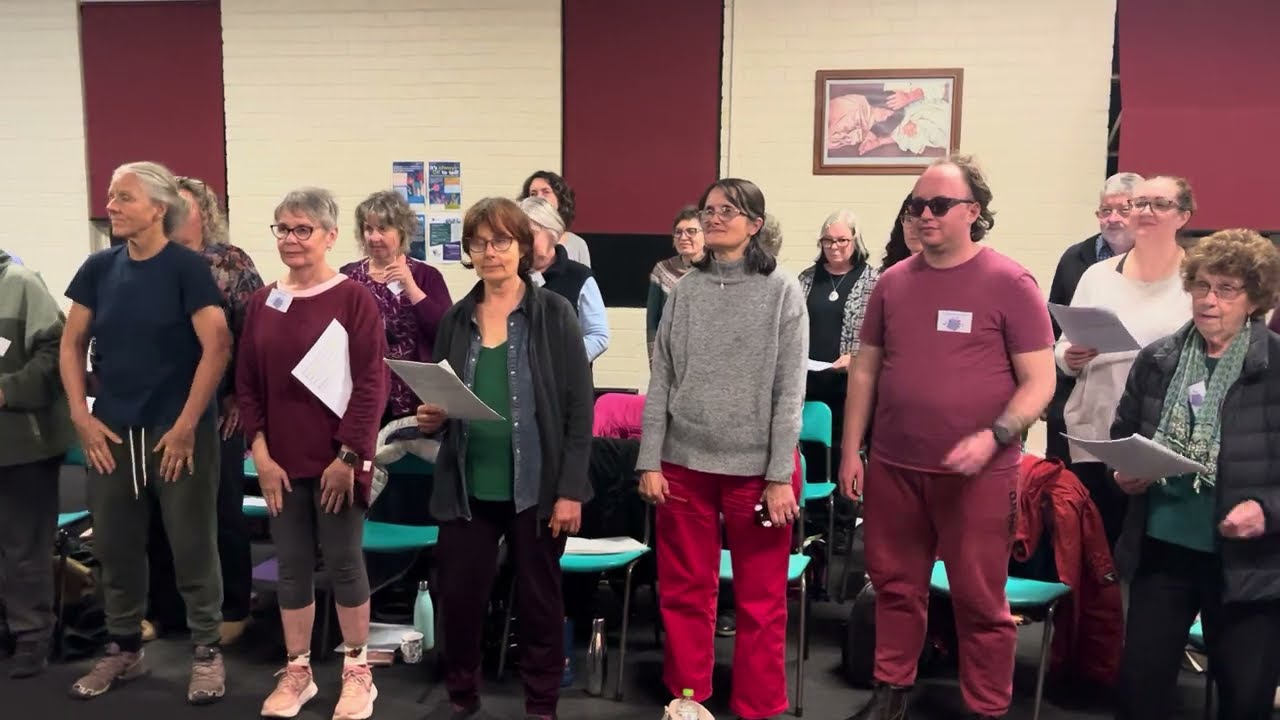
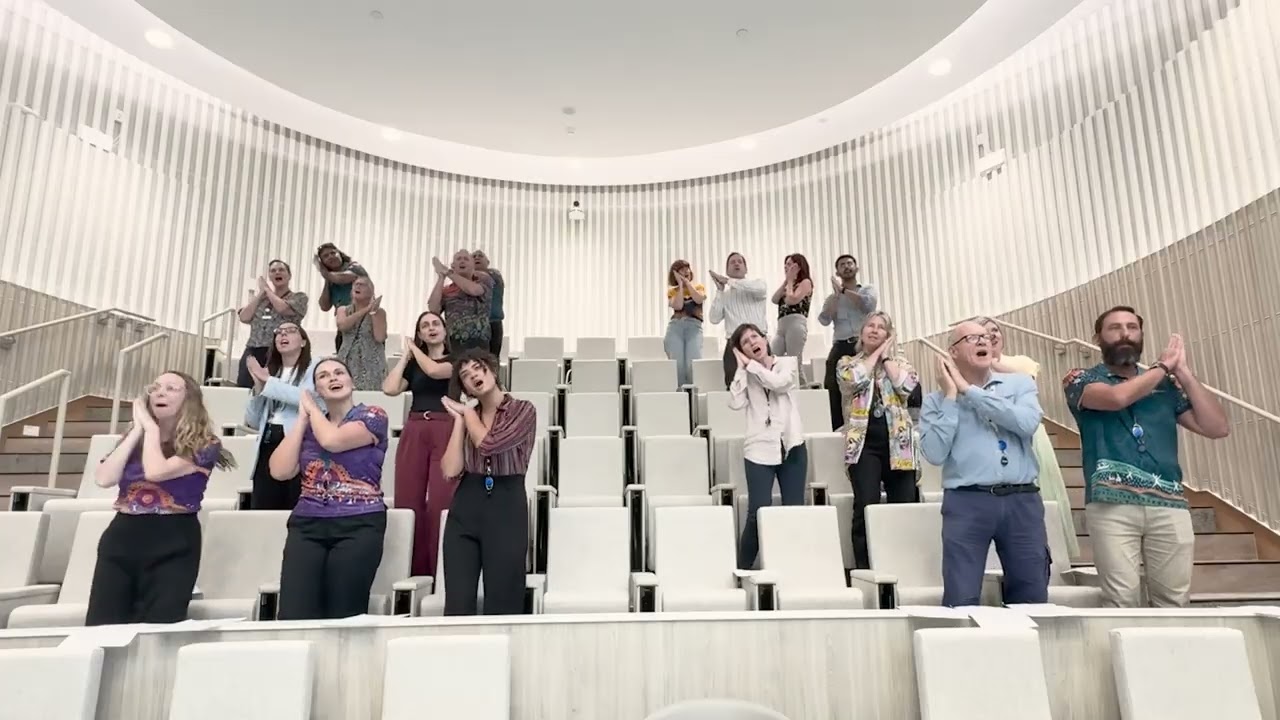
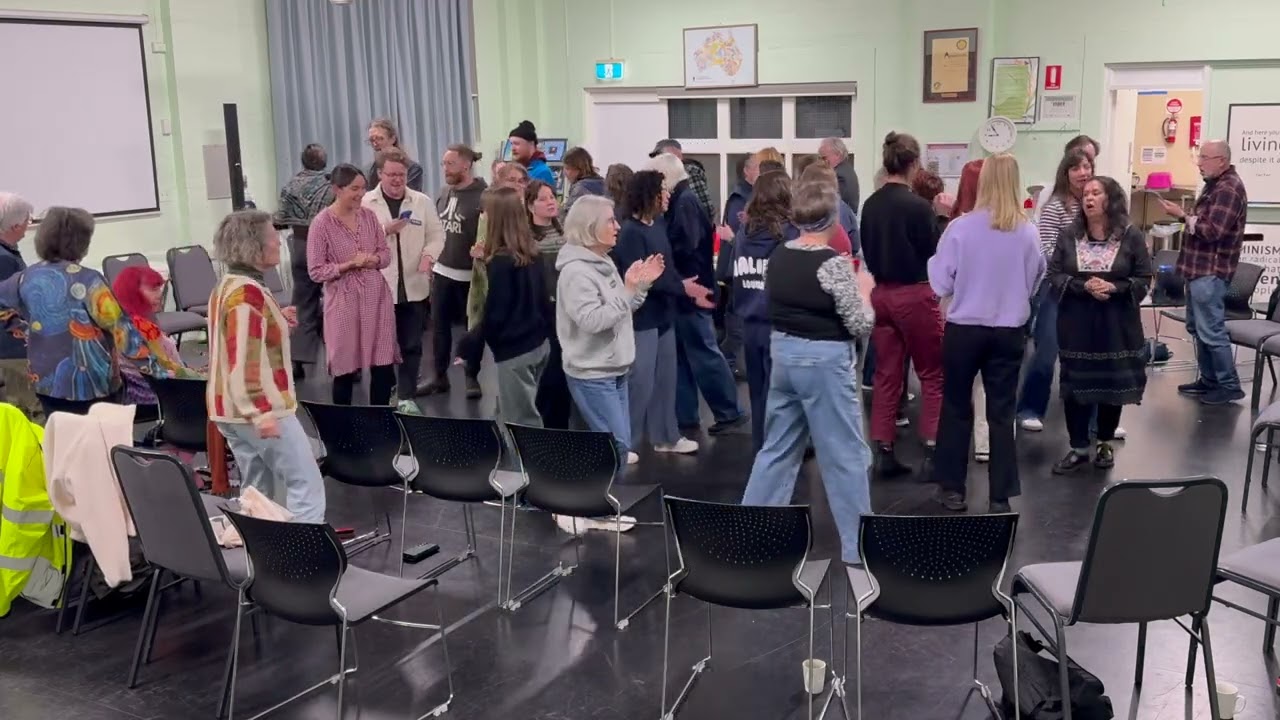
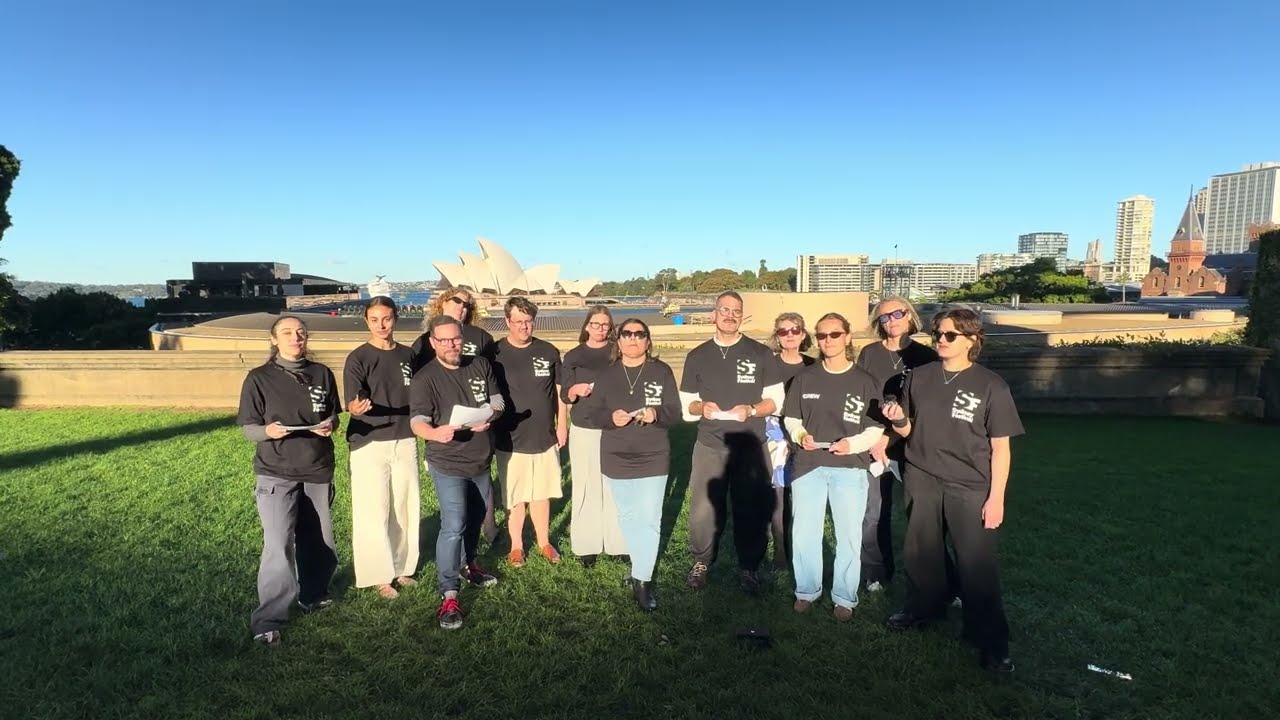
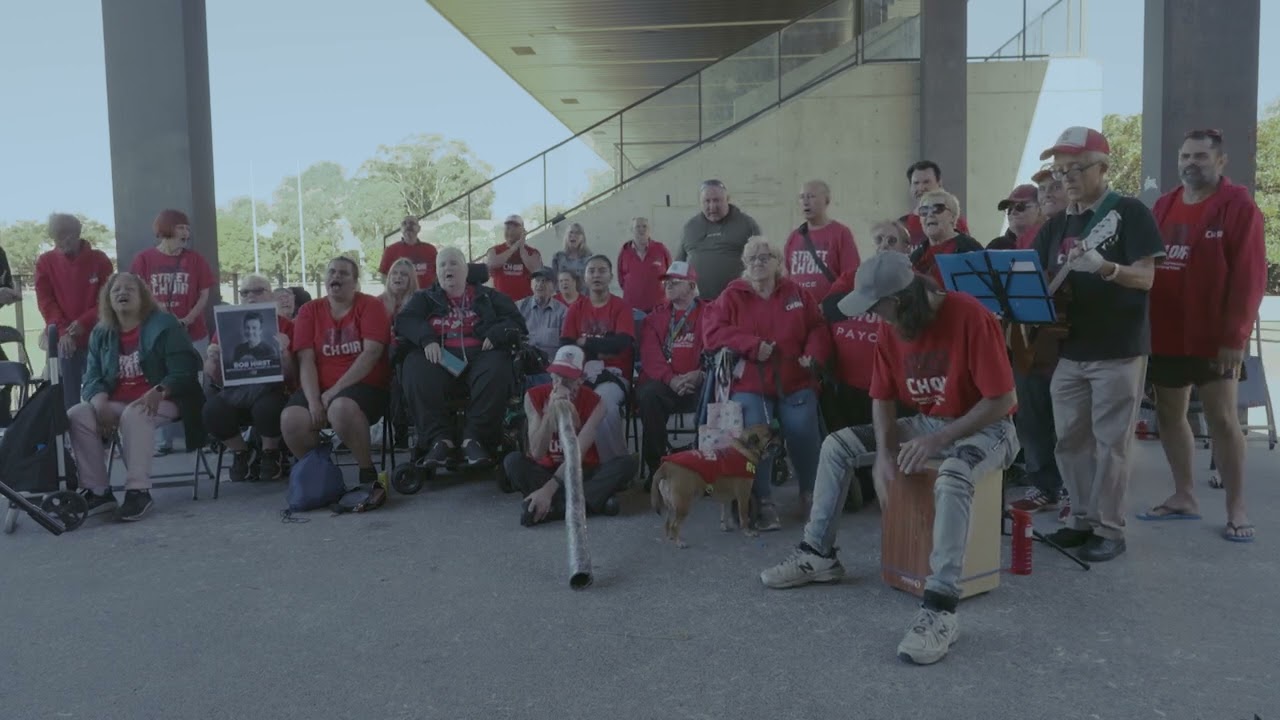
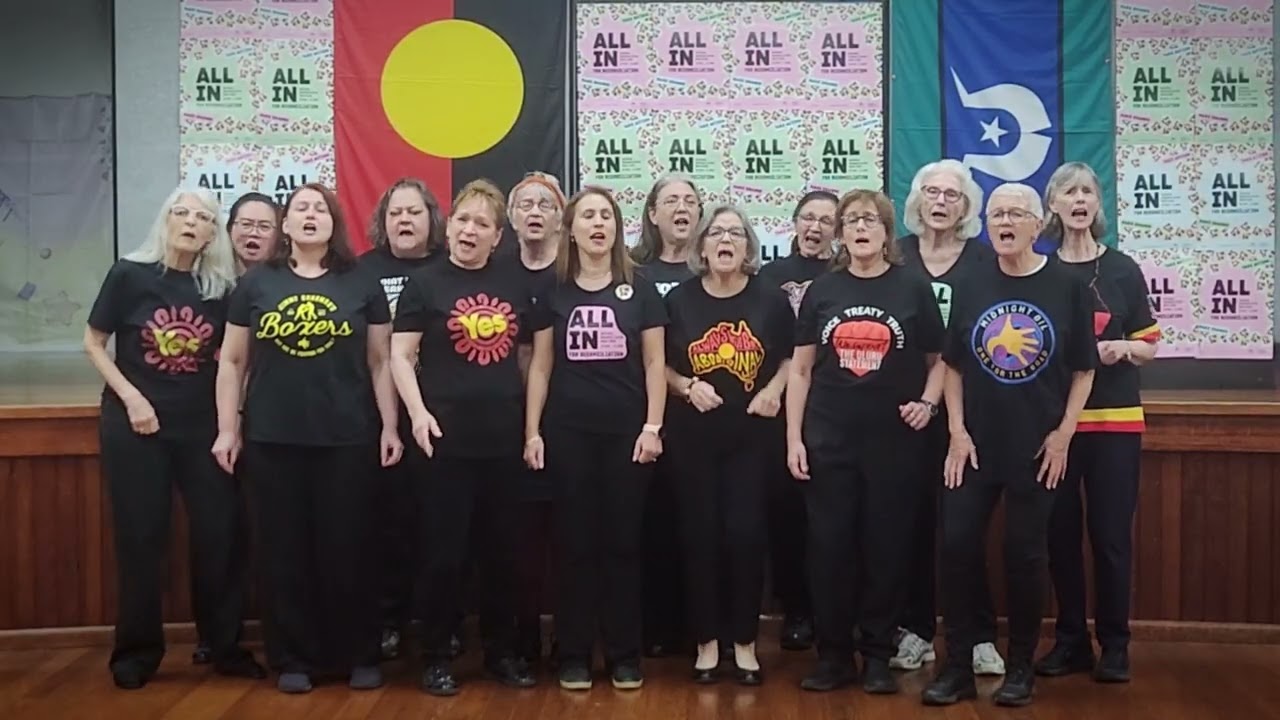
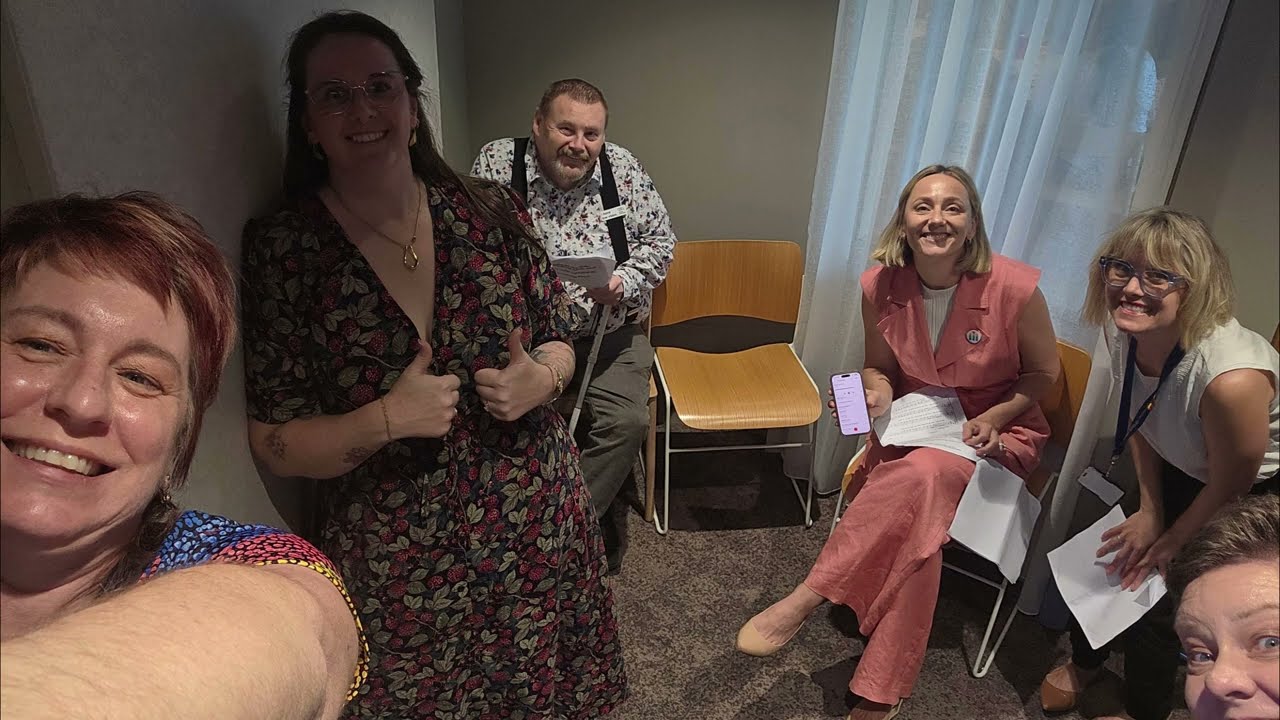
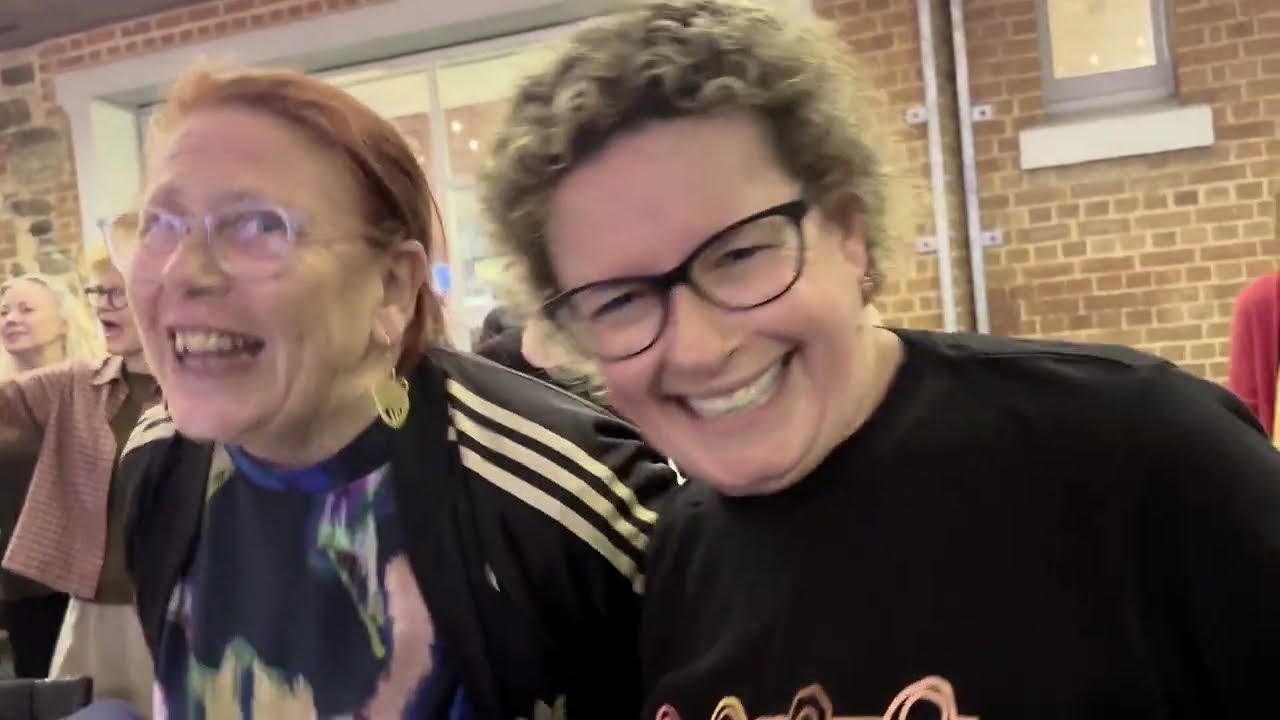
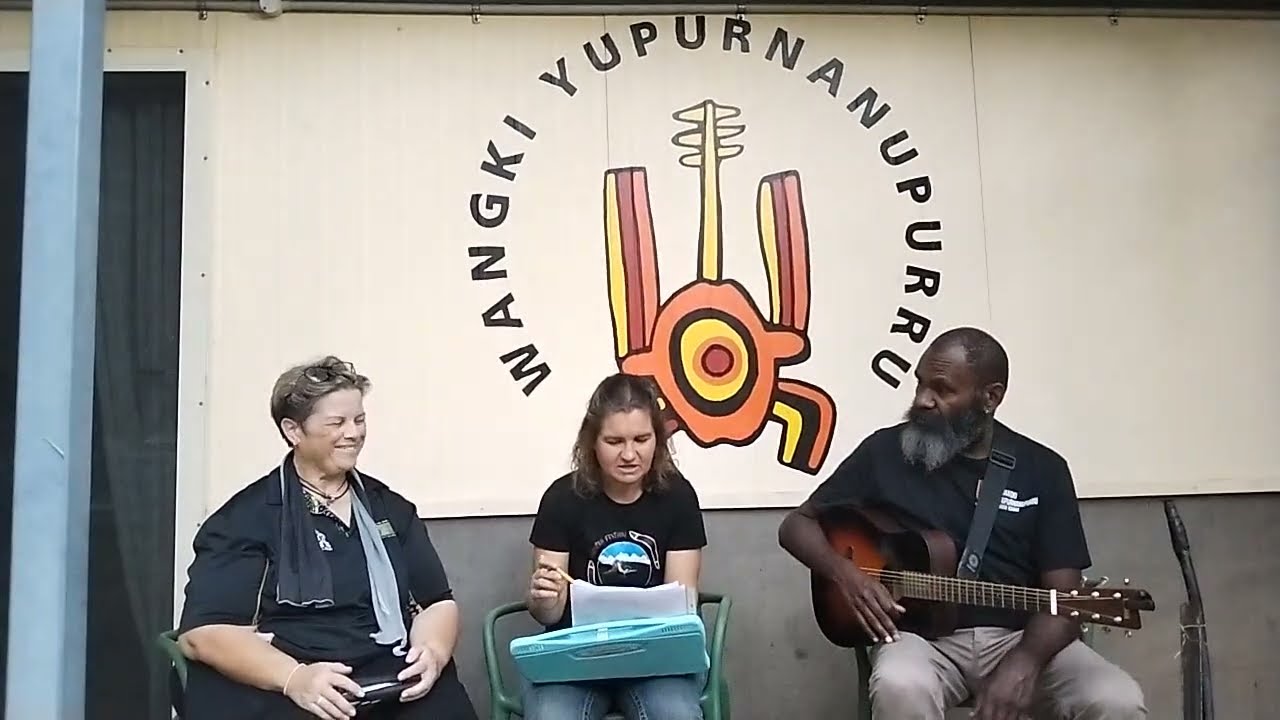
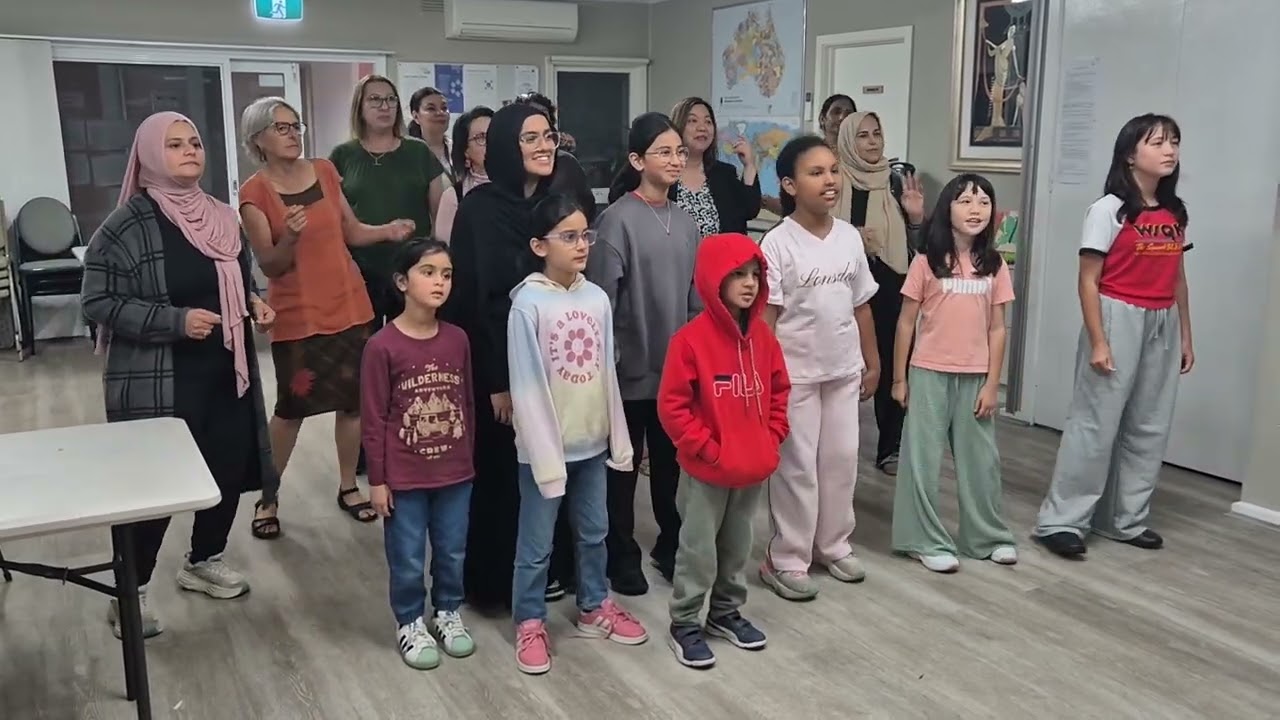
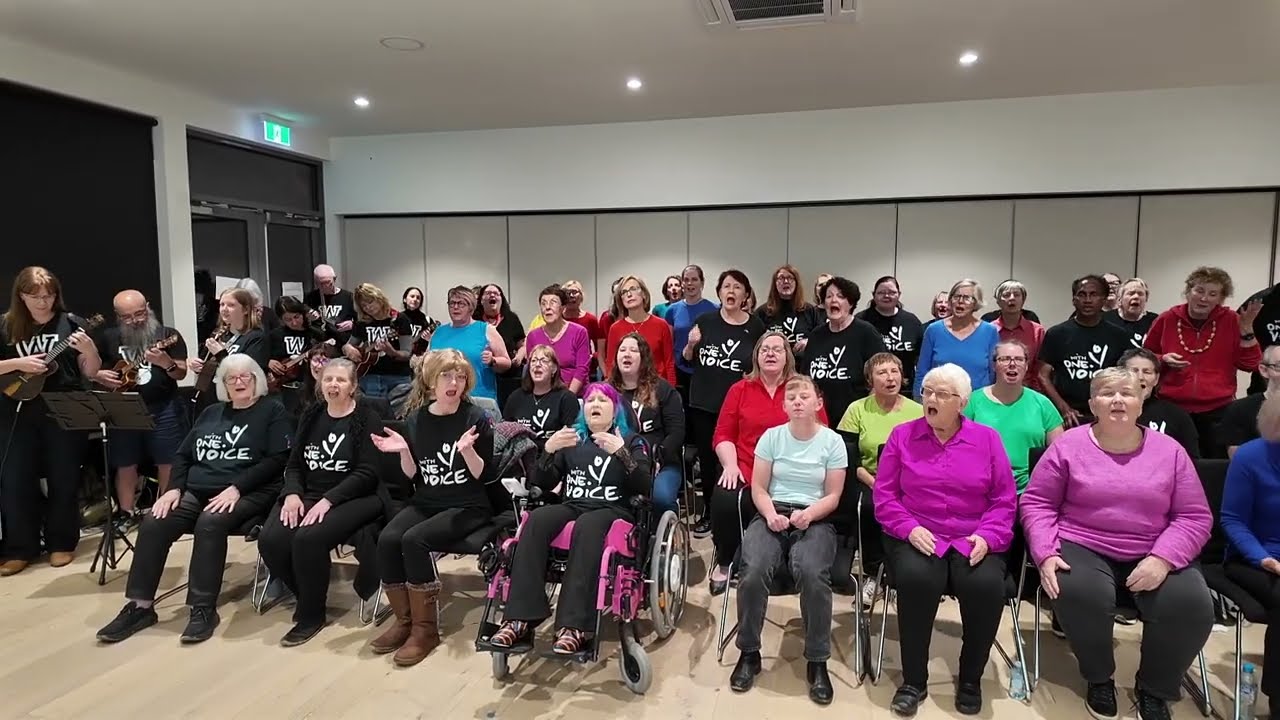
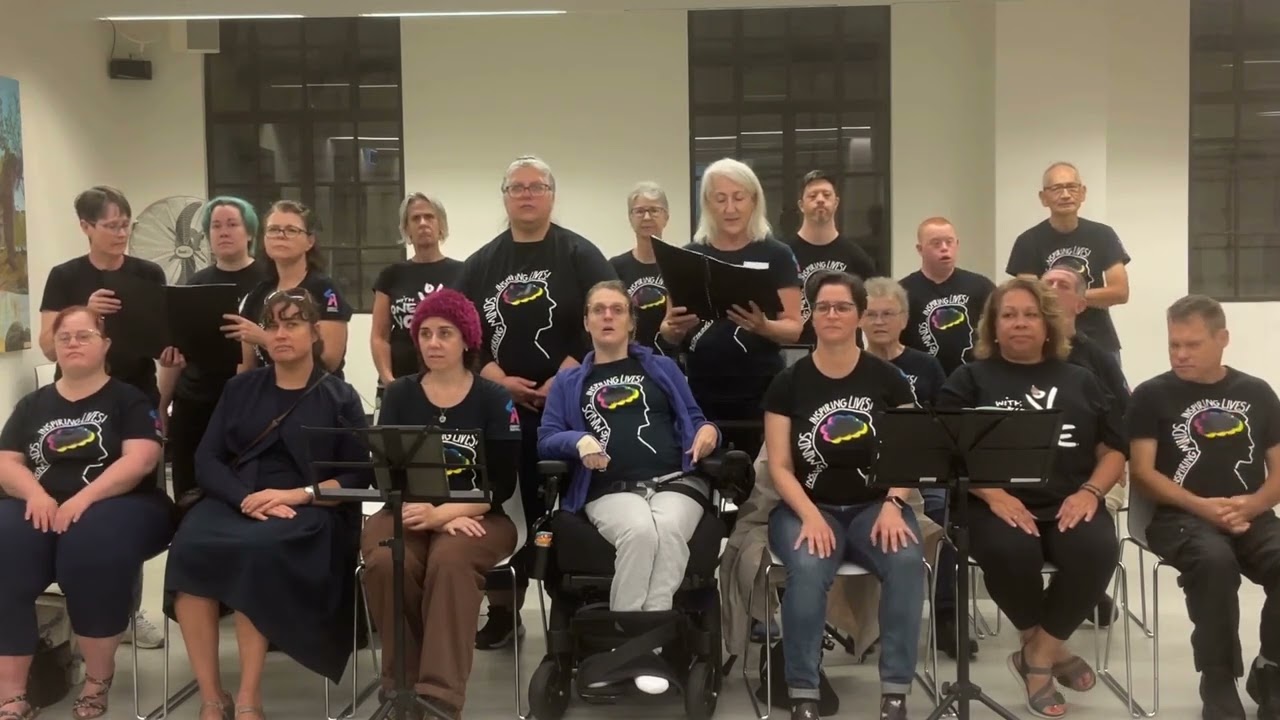
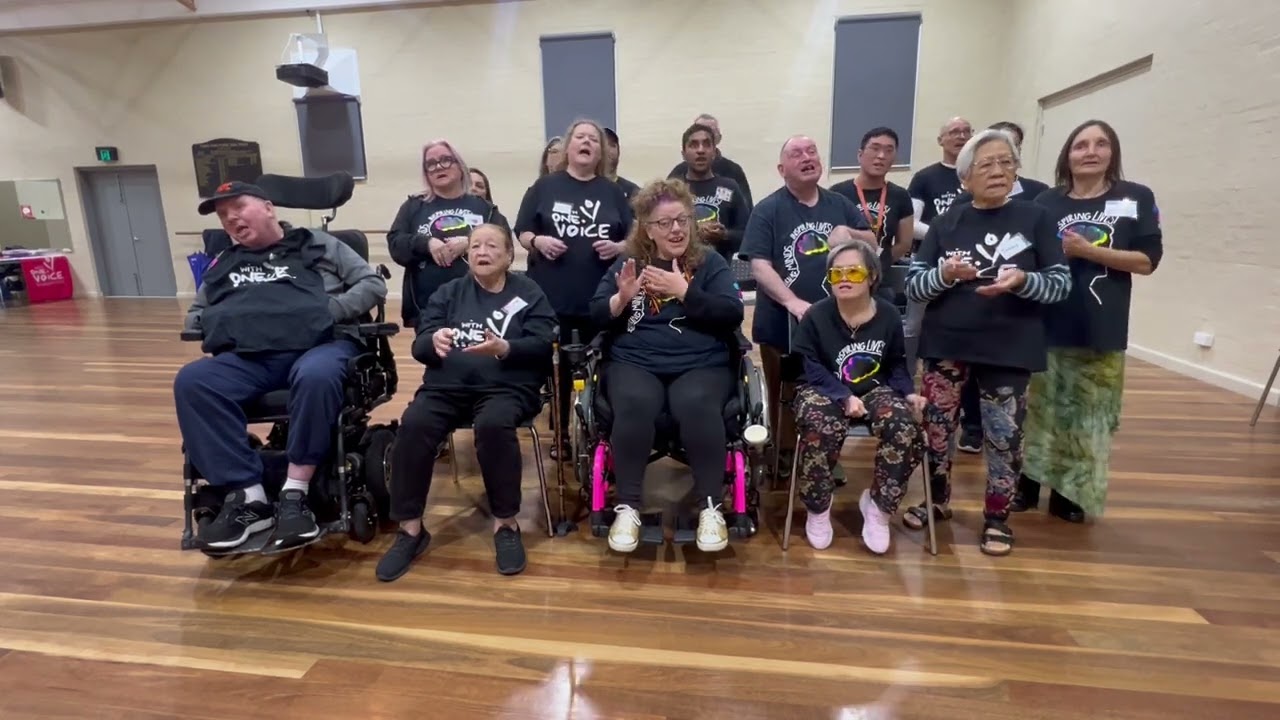
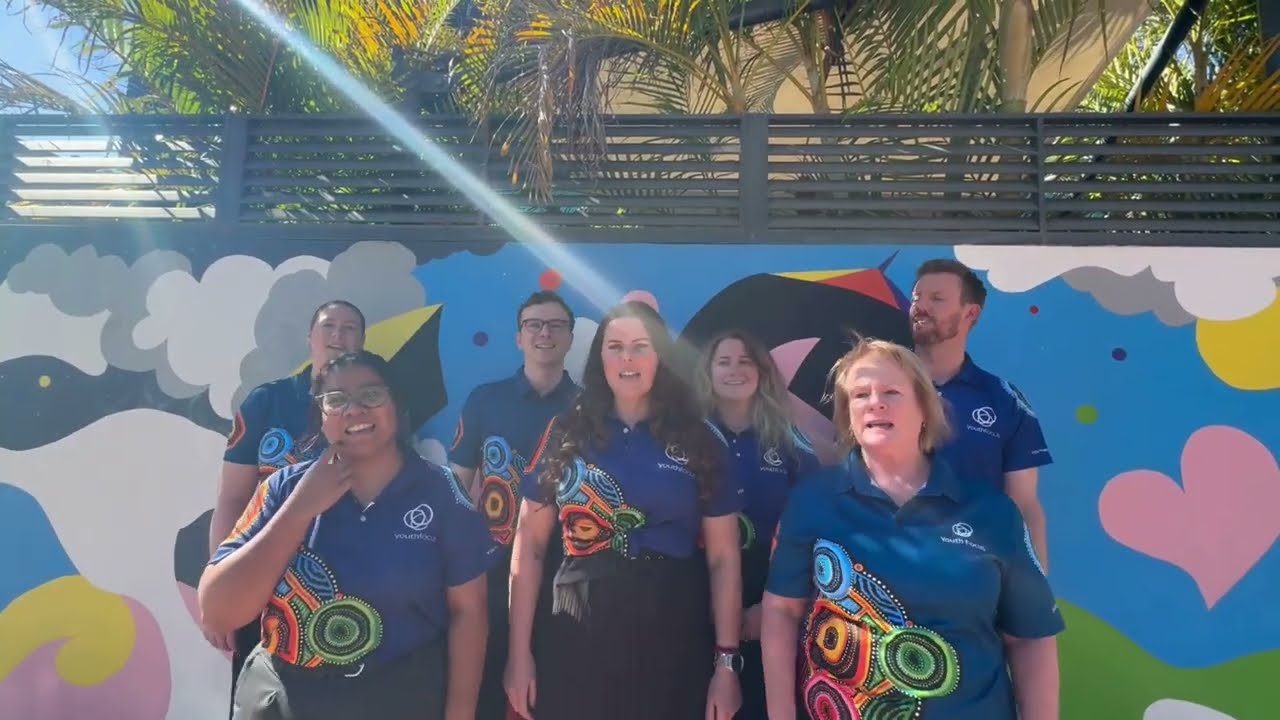
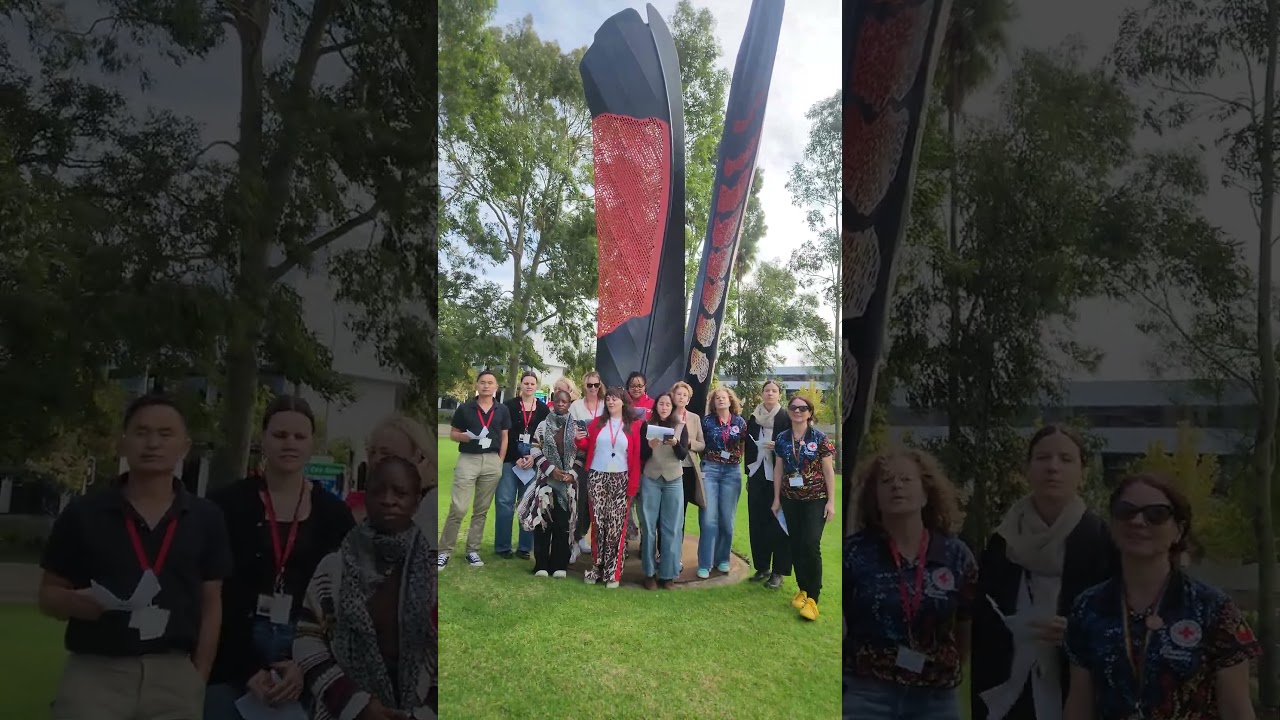
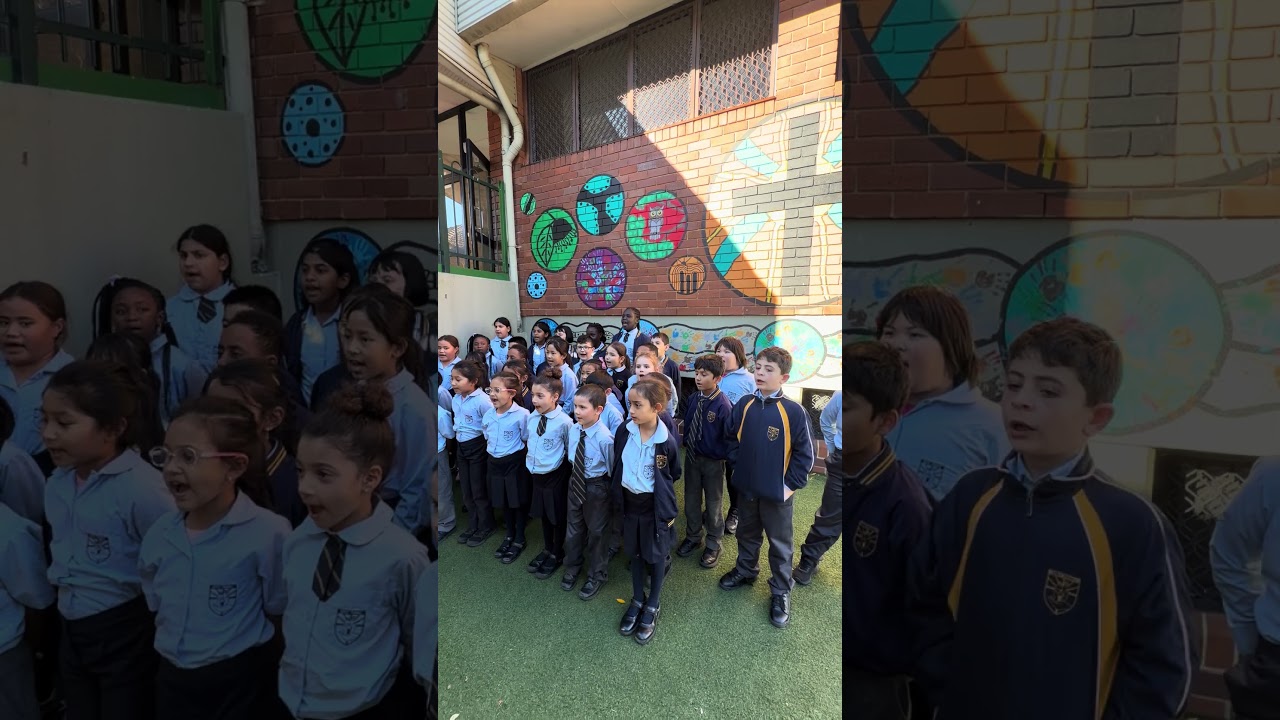
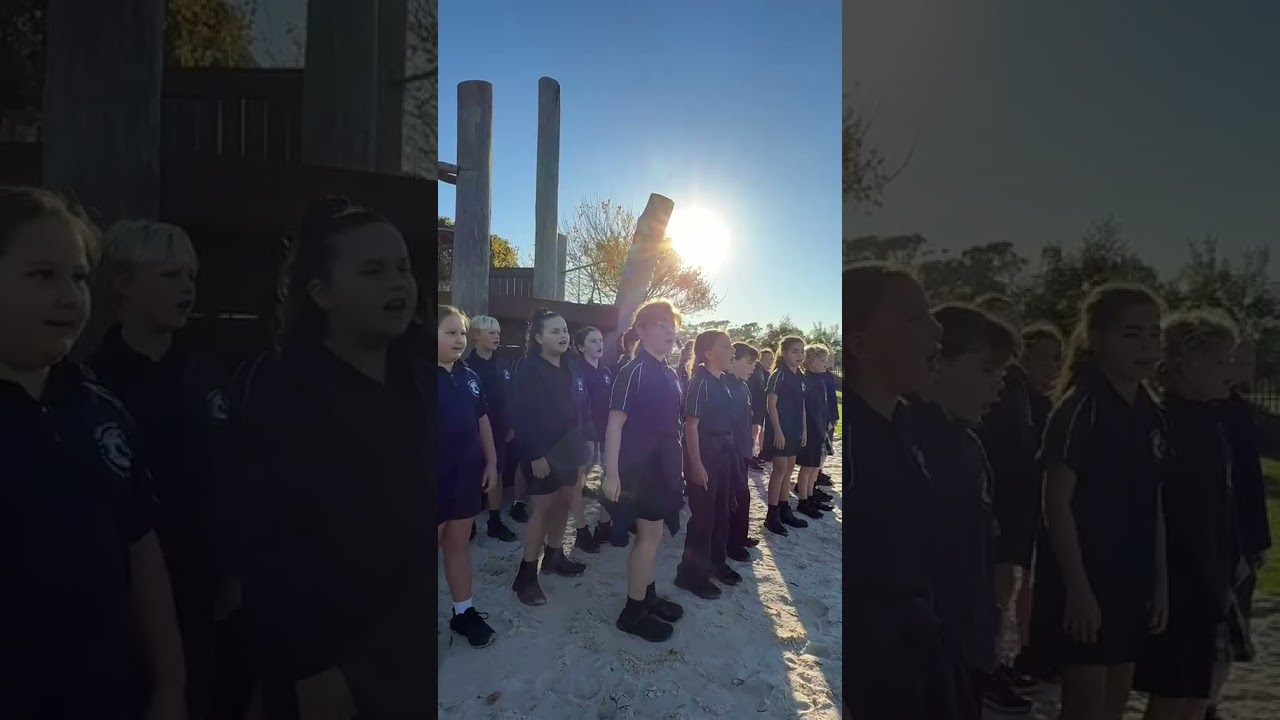
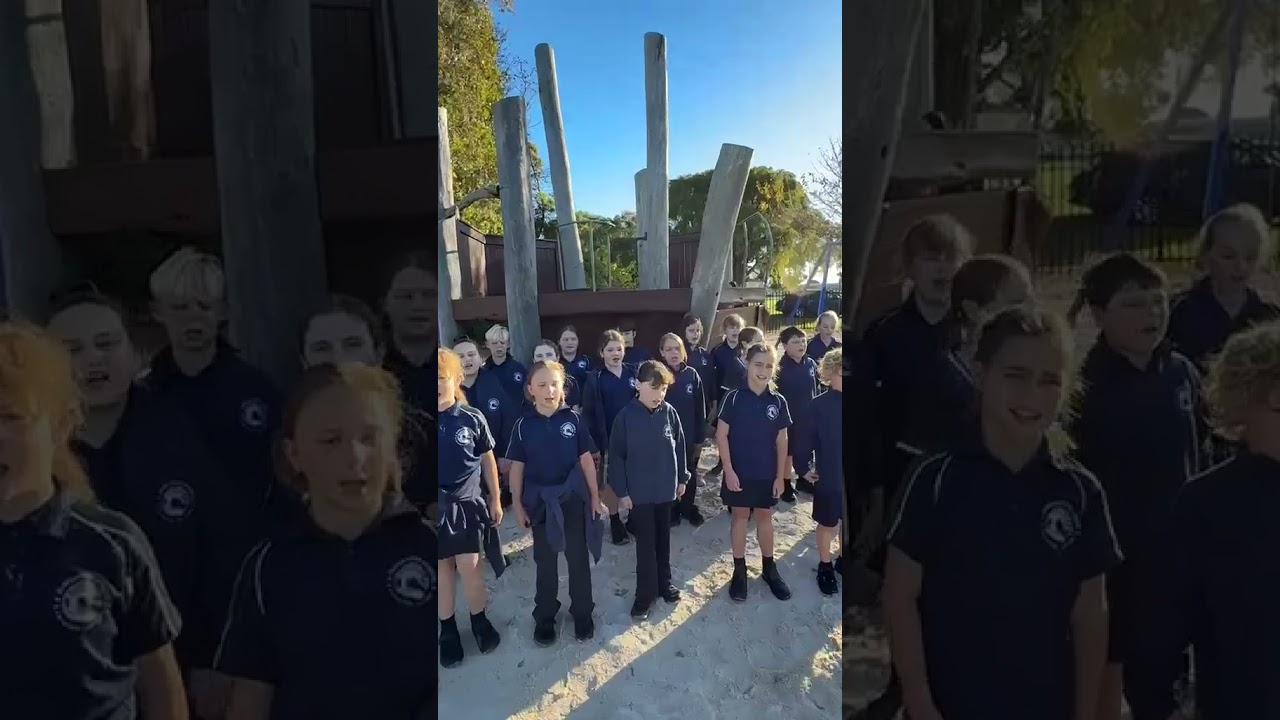
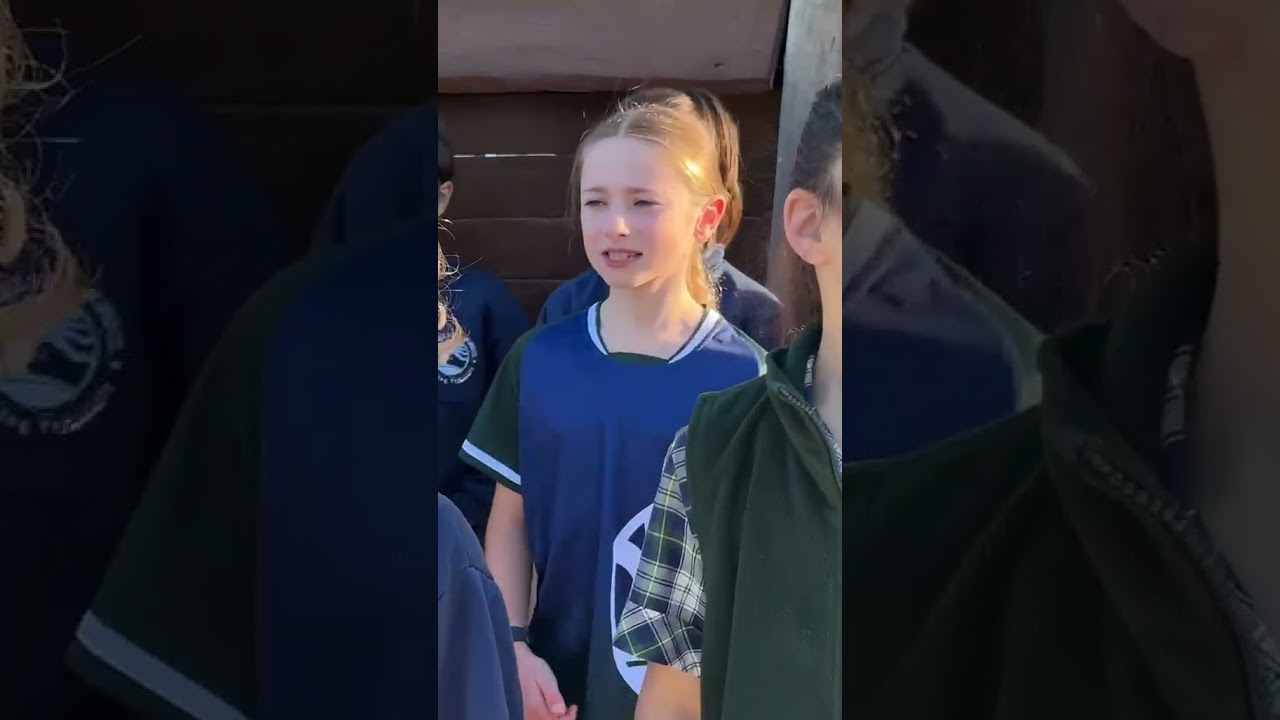
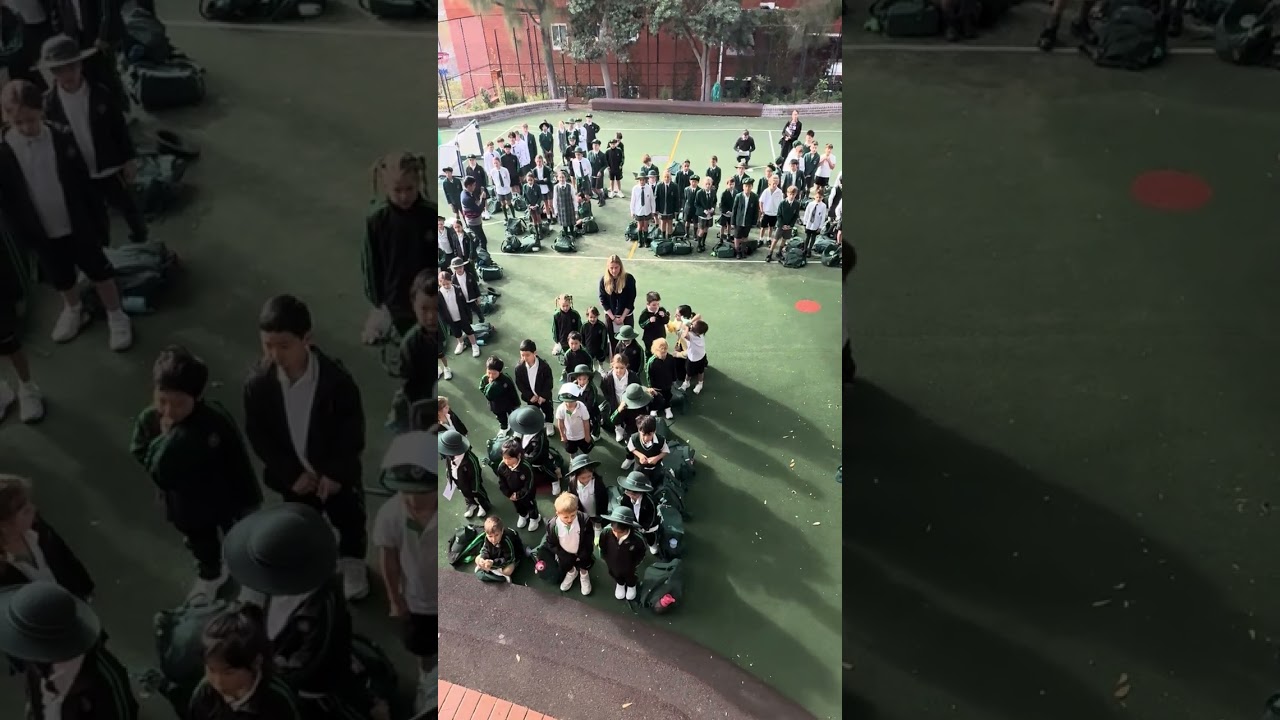
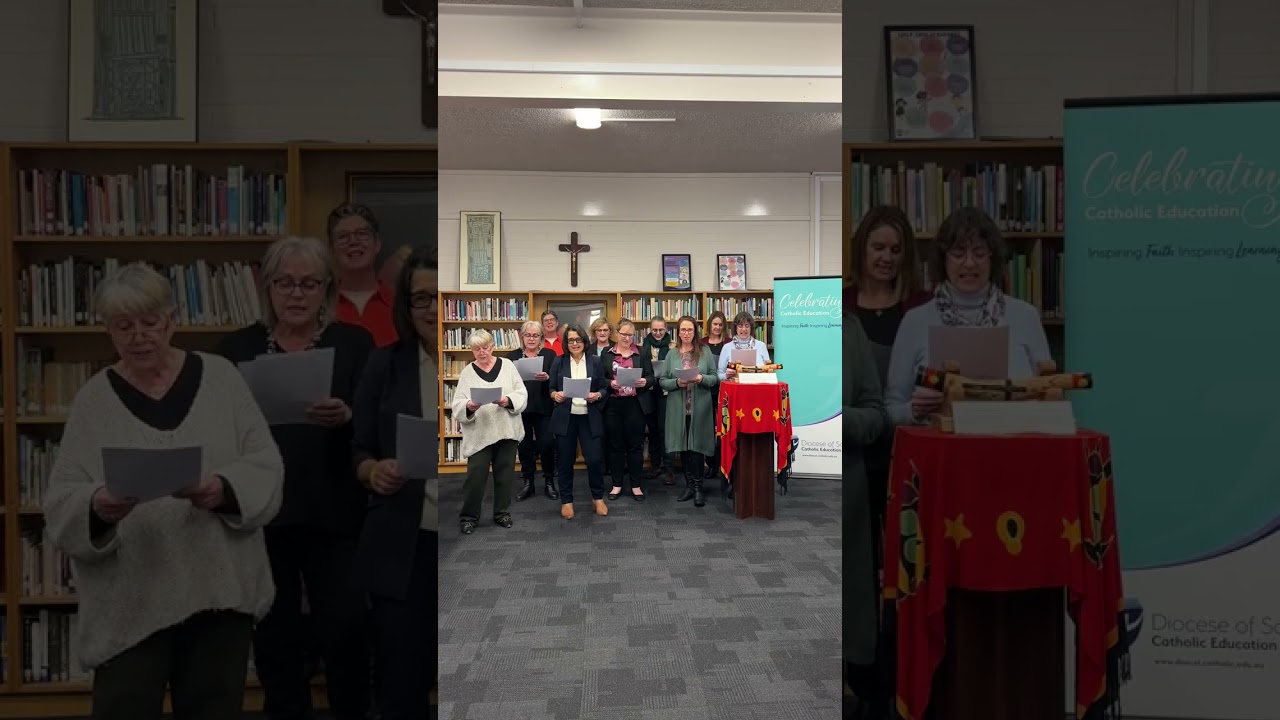
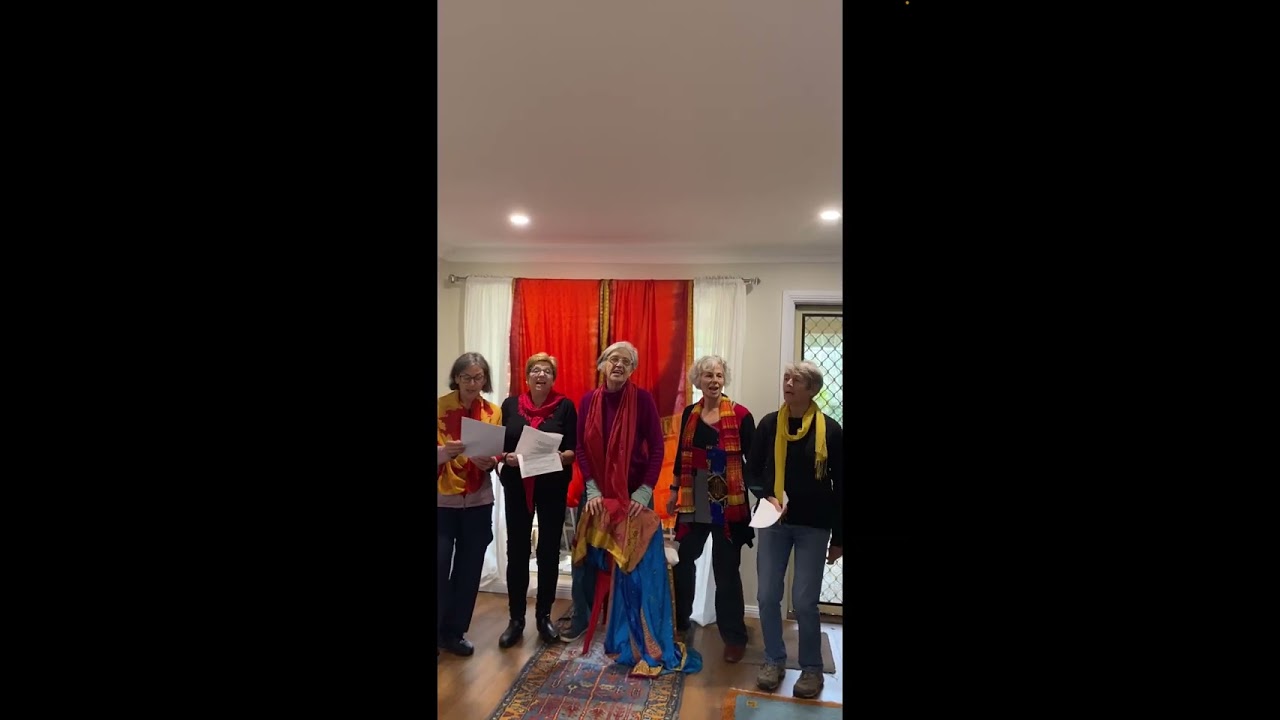
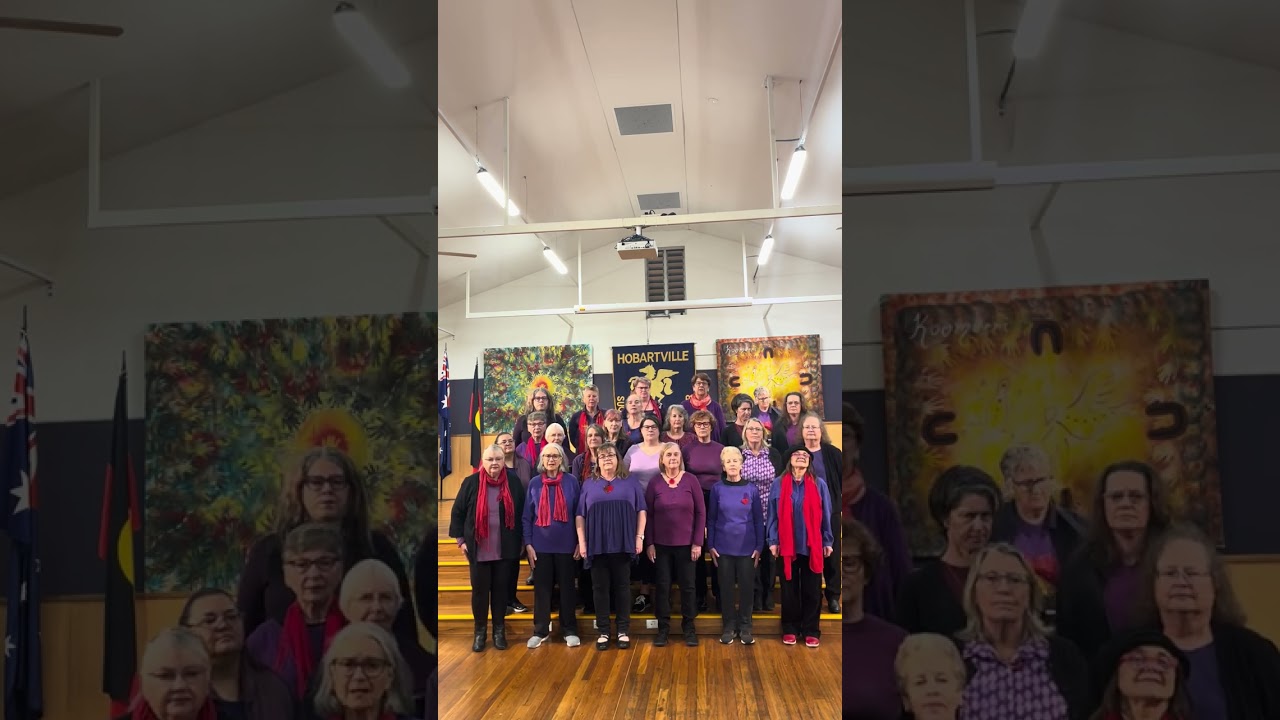
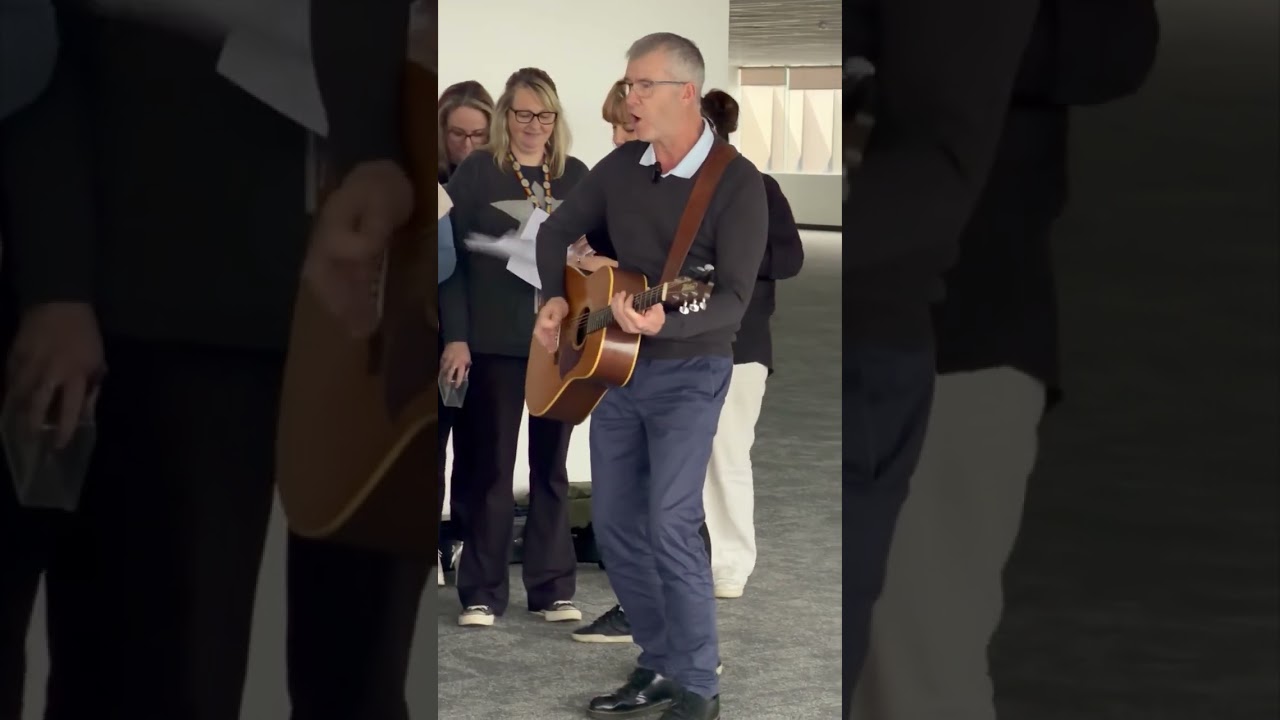
Last year, over 700 choirs raised their Voices for Reconciliation, our largest ever turnout. Compilations and over 100 full performances are on our YouTube channel.

How to be part of Voices for Reconciliation 2026

  • Register your choir to participate using the registration form.
  • After you register your choir, you will be able to access arrangements and backing tracks, as well as filming tips if you plan to share your performance video with us.
  • Rehearse and work on your approach to the song – sing as much or as little of the song as you want.
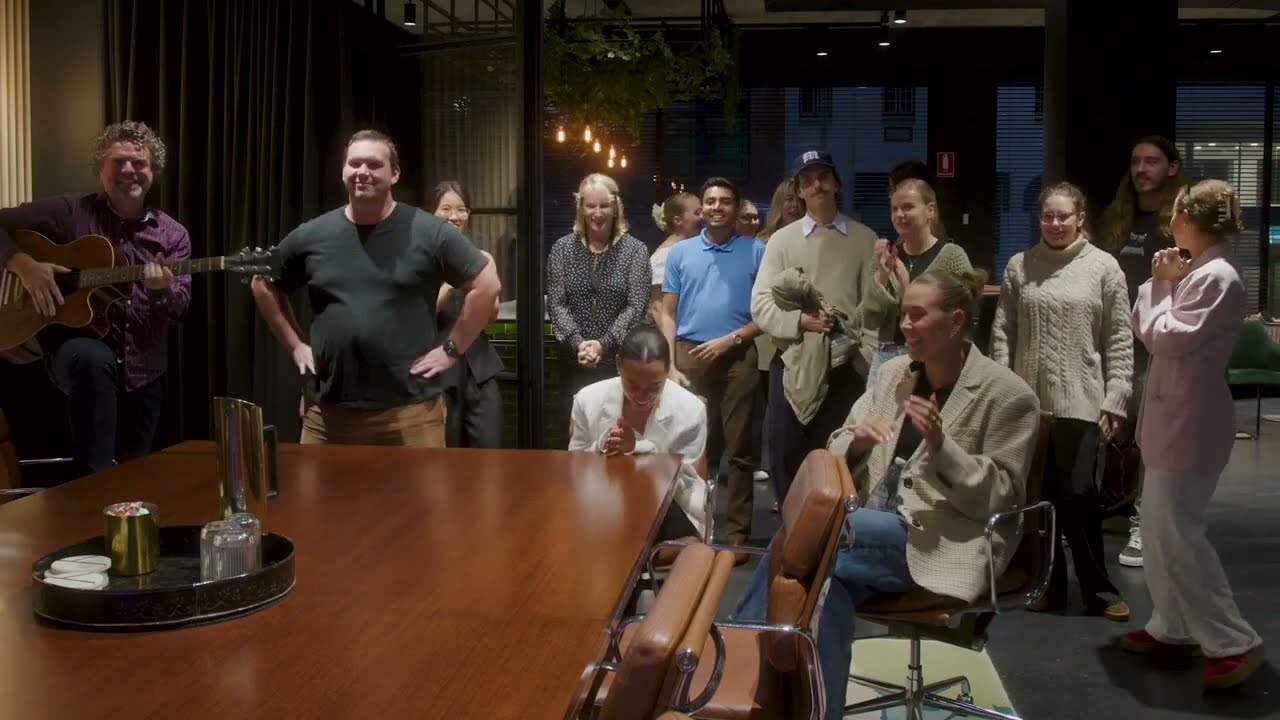
  • Choose where you would like to perform your song – e.g., at school lunchtime, at a party or event, in a park, at the local markets, in a hospital or care facility, or even in your own lounge room.
  • You can choose to video your choir or group singing and share via social media during National Reconciliation Week using the tags #NRW2026 #VoicesforReconciliation #BedsAreBurning
  • Tag Reconciliation Australia: Instagram, Facebook, X, LinkedIn

Want to send us your performance video?

You don’t need to share your performance video with us for your choir or singing group to take part.

If you choose to submit your video, it will help us share the impact of Voices for Reconciliation and we would love to include your performance video on our social channels throughout National Reconciliation Week.

Please note: The deadline for video submissions is 8pm (AEST) Wednesday 13 May 2026.

We also encourage you to share your performance during National Reconciliation Week using the tags  #NRW2026 #VoicesforReconciliation #BedsAreBurning

About Beds Are Burning

Beds Are Burning, written and performed by Midnight Oil, is a powerful anthem that hit a chord nationally and internationally and became a defining soundtrack of the land rights movement.

The song was inspired by the Uluru-Kata Tjuta handback to the Anangu people in 1985 and was written over the course of the 1986 Blackfella/Whitefella tour the Oils embarked on with Warumpi Band through Western Desert and Arnhem Land Aboriginal communities.

Released in 1987 on the Diesel and Dust album, the song became an international hit, reaching #1 in New Zealand, South Africa and Canda, #17 in the USA, and #6 in the UK and at home in Australia.

While its broader themes resonated with land rights struggles around the world, the Oils made sure the song’s central call was crystal clear: justice and land rights for Aboriginal and Torres Strait Islander peoples.

The song has been covered and reinterpreted multiple times and featured in the Sydney Olympics closing ceremony in 2000, when the band performed the song wearing jumpsuits with SORRY written in large block text, protesting the Howard government’s refusal to apologise to the Stolen Generations.

Decades later, the message still resonates. The song stands as a powerful call to action to know our history and be All In to create a more just, equitable and reconciled future for us all.

For choirs, it offers strong musical energy, meaningful connected storytelling, and a message that resonates with audiences.

Reconciliation Australia thanks Midnight Oil and Sony Music Publishing for their support of Voices for Reconciliation. We sing in honour of the memory of Rob Hirst.

Beds Are Burning written by Hirst/Moginie/Garrett © Sprint Music
Licenses by Sony Music Publishing (Australia) Pty Limited

Voices for Reconciliation 2025: Solid Rock

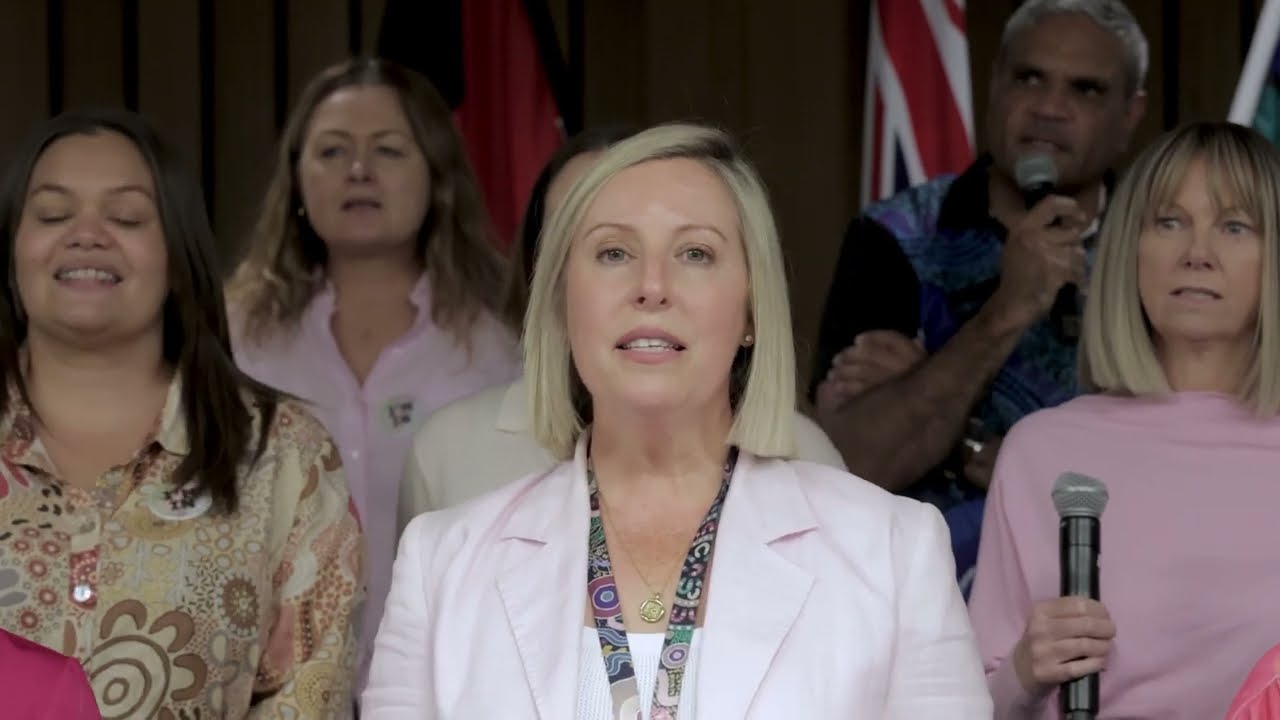
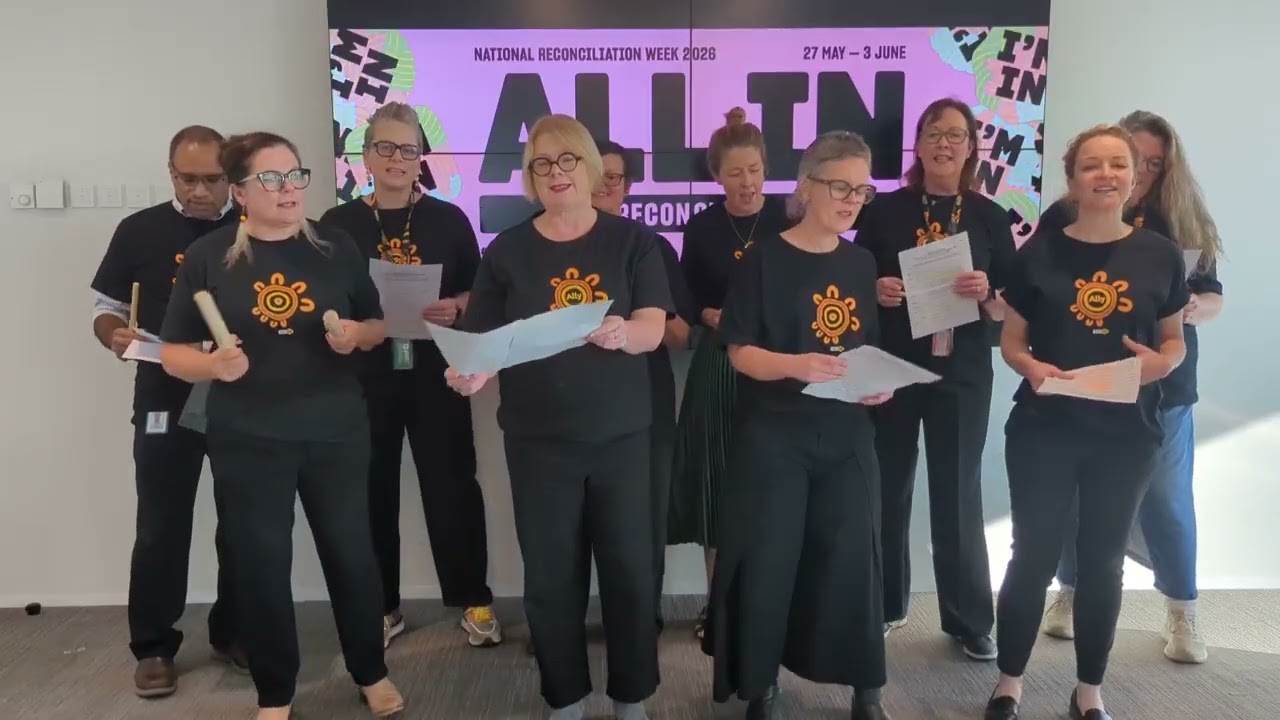
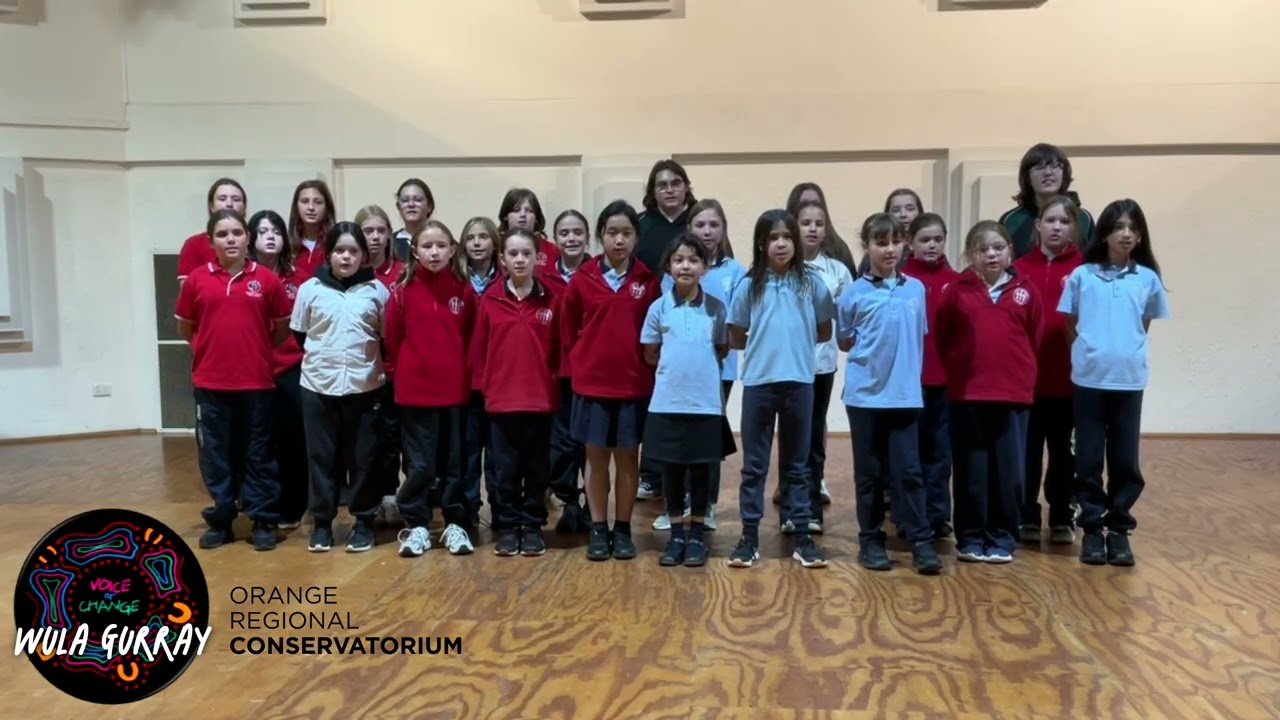
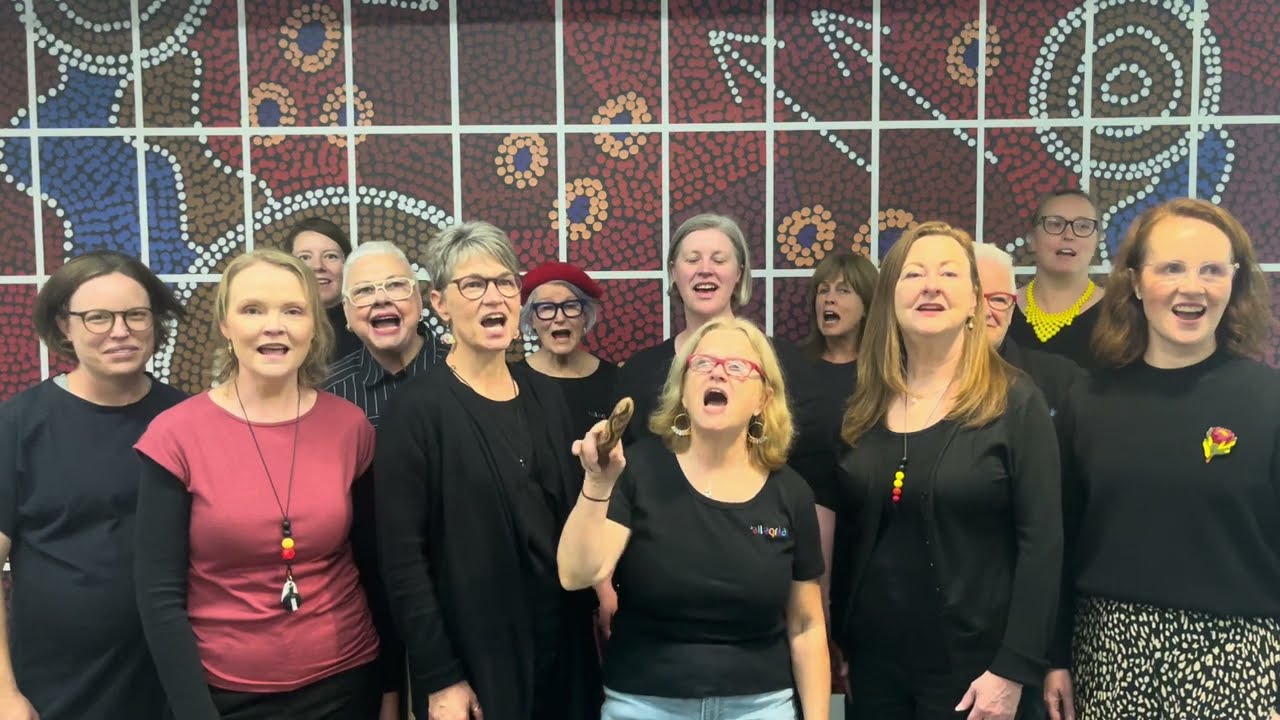
Wondering if you should join the Voices for Reconciliation in 2026? Check out the choirs from last year to see what you could be part of.

Choir
Search
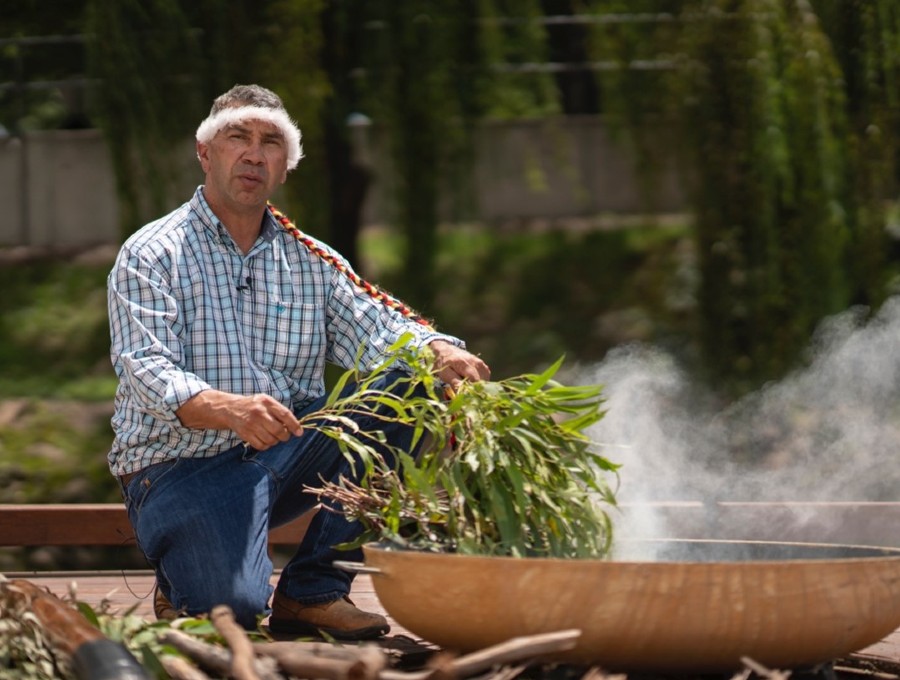
Paul House with gum leaves and smoke
Paul Girrawah House

Paul Girrawah House has multiple First Nation ancestries from the South-East Canberra region, including the Ngambri-Ngurmal (Walgalu), Pajong (Gundungurra), Wallabollooa (Ngunnawal) and Erambie/Brungle (Wiradyuri) family groups.

Paul acknowledges his diverse First Nation history, he particularly identifies as a descendant of Onyong aka Jindoomang from Weereewaa (Lake George) and Henry ‘Black Harry’ Williams from Namadgi who were both multilingual, essentially Walgalu-Ngunnawal-Wiradjuri speaking warriors and Ngunnawal–Wallaballooa man William Lane aka ‘Billy the Bull’ - Murrjinille.

Paul was born at the old Canberra hospital in the centre of his ancestral country and strongly acknowledges his First Nation matriarch ancestors, in particular his mother Dr Aunty Matilda House-Williams and grandmother, Ms Pearl Simpson-Wedge.

Paul completed a Bachelor of Community Management from Macquarie University, and Graduate Certificate in Wiradjuri Language, Culture and Heritage and Management from CSU.

Paul provided the Welcome to Country for the 47th Opening of Federal Parliament in 2022. Paul is Board Director, Ngambri Local Aboriginal Land Council, Member Indigenous Reference Group, National Museum of Australia and Australian Government Voice Referendum Engagement Group.  

Paul works on country with the ANU, First Nations Portfolio as a Senior Community Engagement Officer

Acknowledgement of Country

Reconciliation Australia acknowledges Traditional Owners of Country throughout Australia and recognises the continuing  connection to lands, waters and communities. We pay our respect to Aboriginal and Torres Strait Islander cultures; and to Elders past and present. 

Aboriginal and Torres Strait Islander peoples should be aware that this website contains images or names of people who have passed away.

Skip to content
Copy link
Powered by Social Snap