
Home / Our Work / Indigenous Governance Program / Indigenous Governance Awards / Indigenous Governance Awards 2026 Judges
Co-Chair
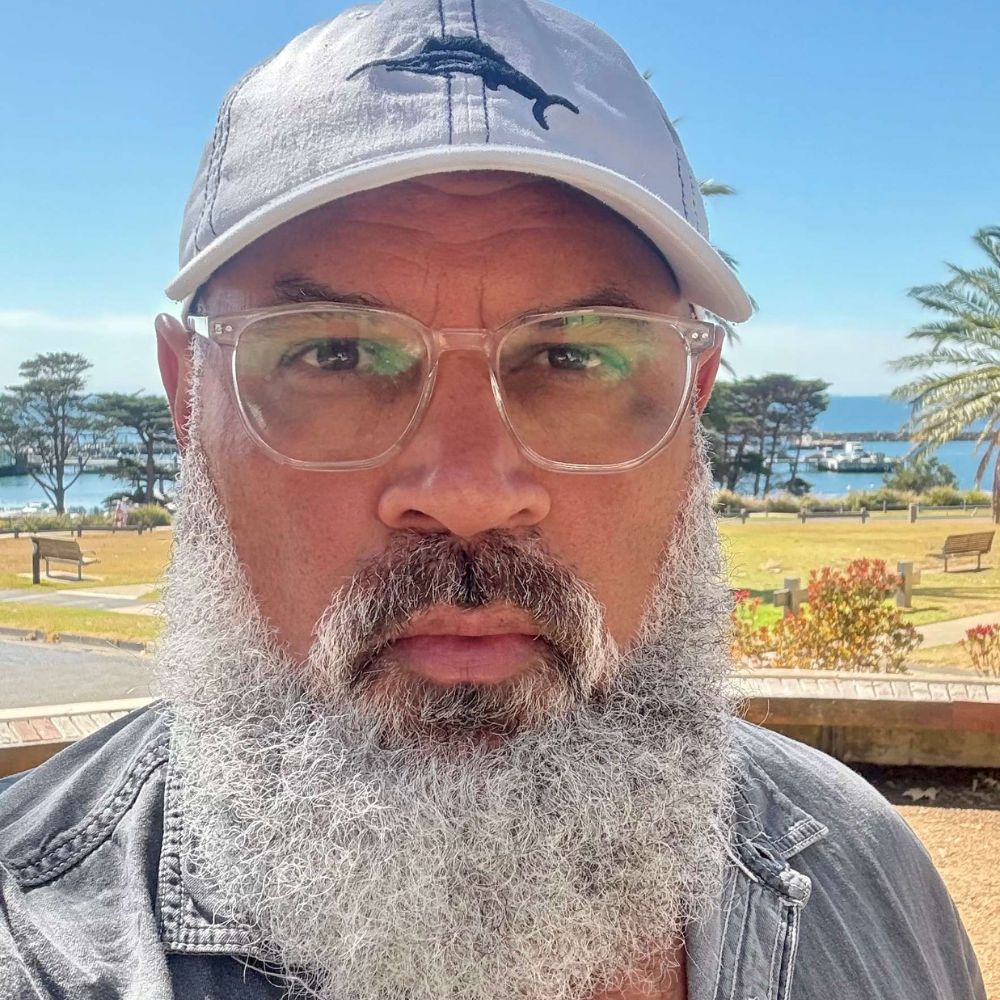
Kenny is a Traditional Owner of the Meuram Tribe of Erub (Darnley Island) Torres Strait. He has served his community and region as the Torres Strait Regional Authority (TSRA) Member for Erub for nine years.
Co-Chair
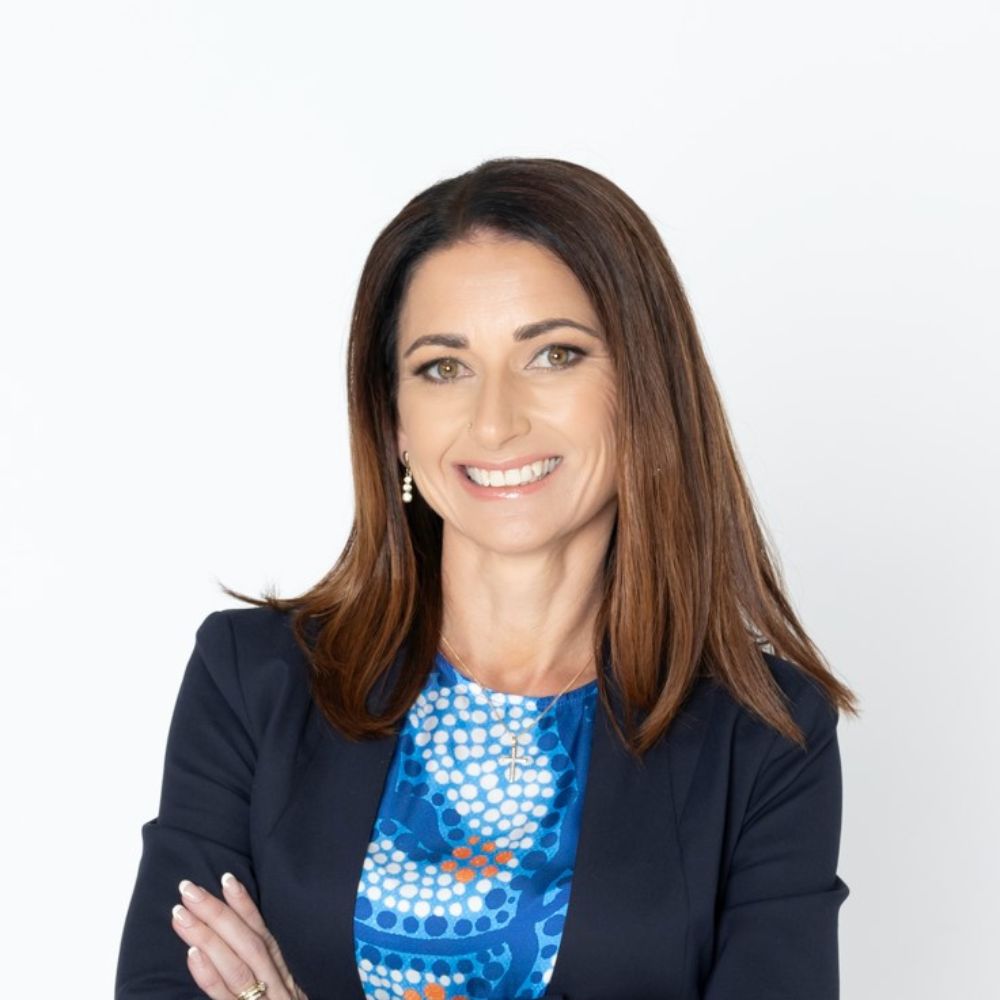
Jahna is a proud Nyiyaparli woman with ancestral ties to the Bardi Gija peoples. Through her consultancy, Jahna Cedar Consulting, she partners with boards, governments and communities on governance, truth-telling practices and cultural safety and inclusion.
Co-Chair
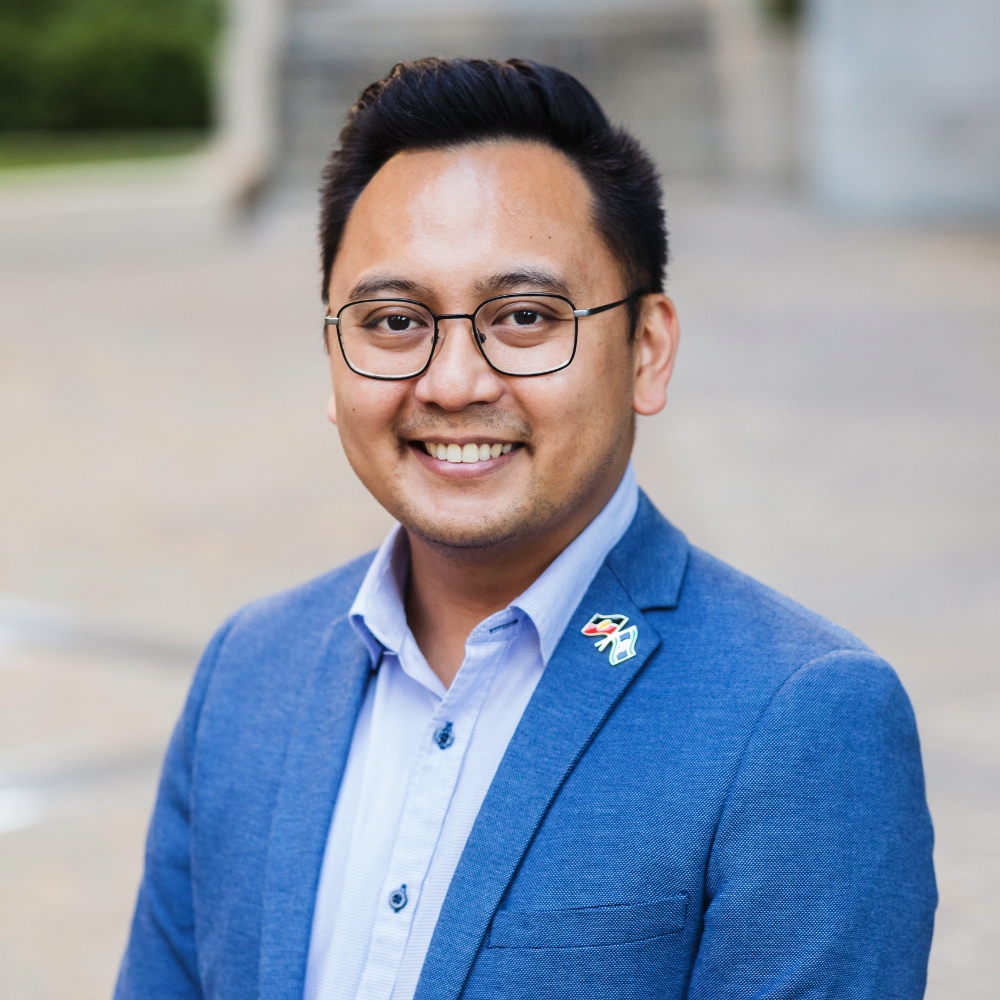
Ivan is a Wiradjuri and Filipino man from Parkes, NSW, now based in Meanjin (Brisbane). He is managing director of consulting firm Regional Economic Solutions, bridging Indigenous interests with government and corporate decision-makers.
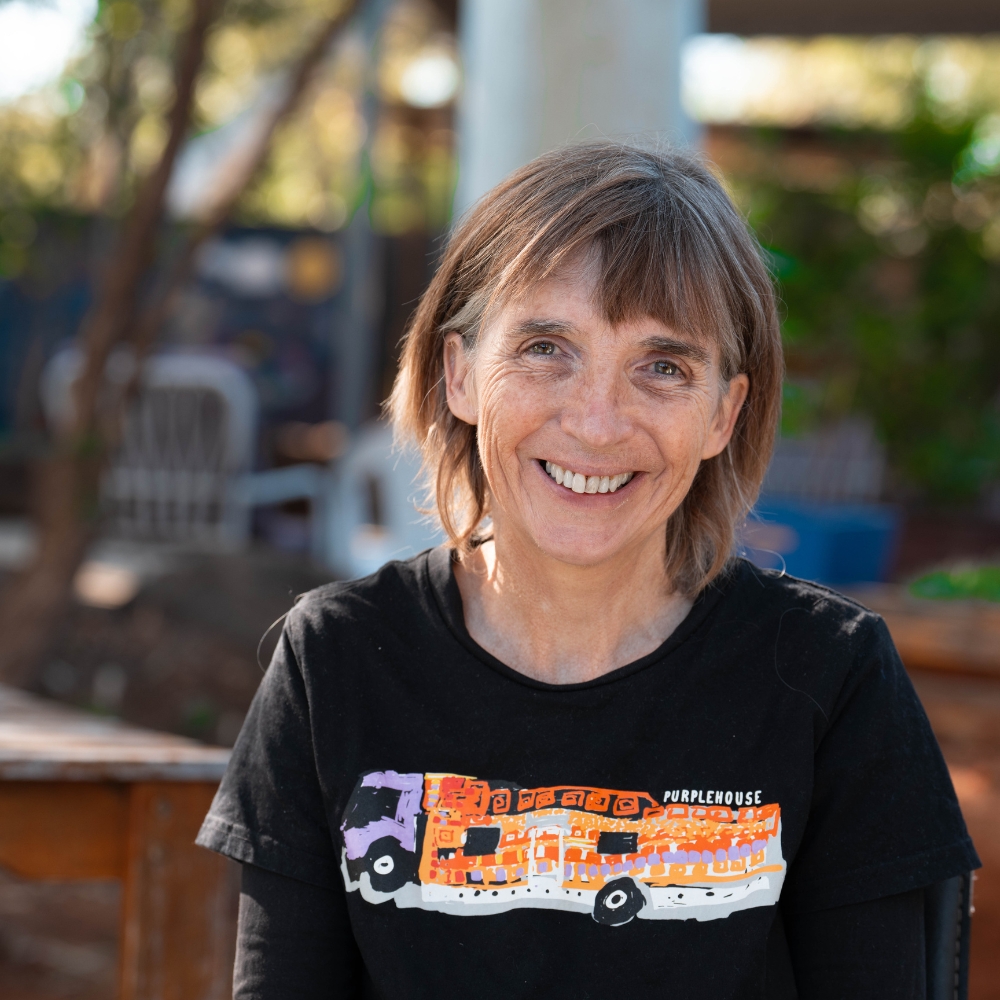
Sarah is the Chief Executive Officer of Purple House and has been helping the Indigenous Directors to run organisation since its inception 23 years ago. Sarah and Purple House won Category A in the Indigenous Governance Awards 2016.
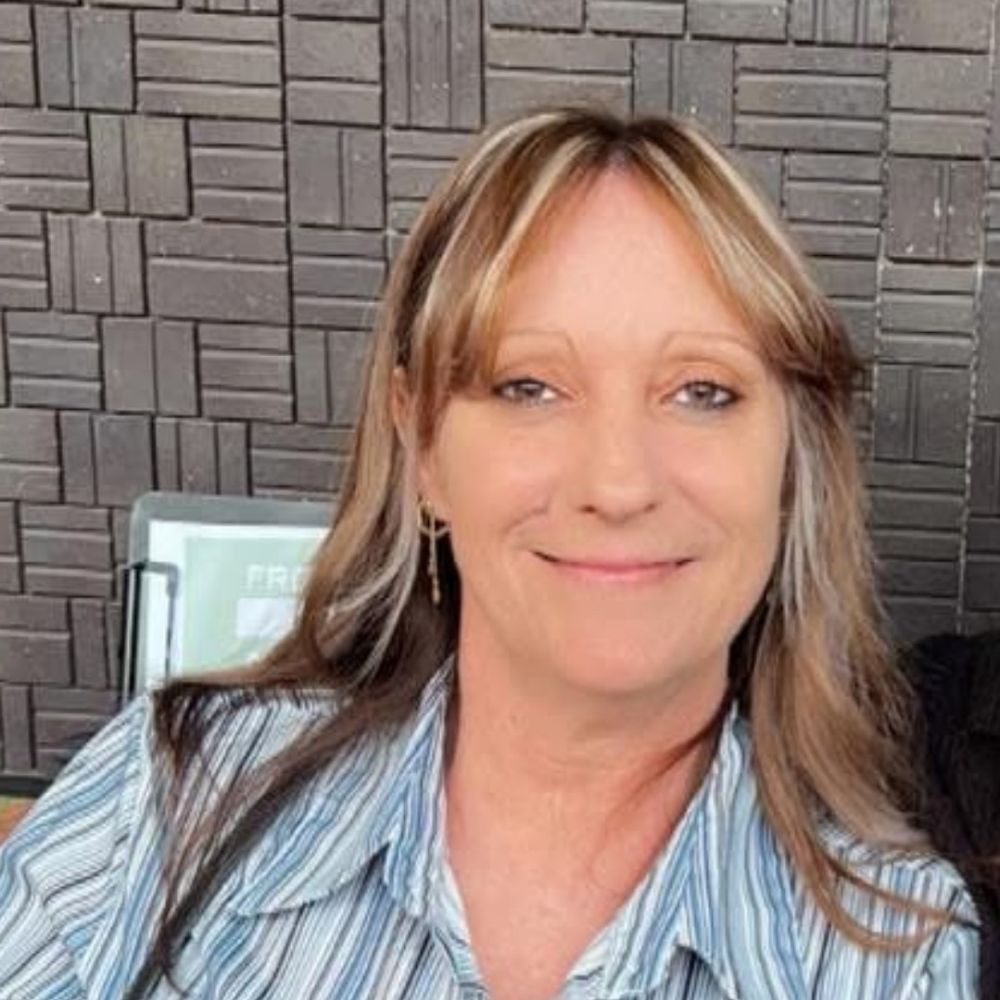
Karen is a Ngarrindjeri educator and governance advocate with experience across teaching, research and Aboriginal board governance. She is currently Professor of Indigenous Learning and Teaching at Adelaide University.
Matthew is a Anaiwan man and a lecturer at the University of Technology Sydney (UTS) Faculty of Law. He is also a Director of the Australian Indigenous Governance Institute (AIGI) and a board member of the Glebe Youth Centre.
Kenny Bedford is a Traditional Owner of the Meuram Tribe of Erub (Darnley Island), Torres Strait. Kenny has served his community and region as the Torres Strait Regional Authority (TSRA) Member for Erub and held the Fisheries Portfolio on the TSRA Executive for nine years.
Kenny was also a Councillor and Deputy Mayor of the inaugural Torres Strait Island Regional Council and has served on several national boards, including at Reconciliation Australia for over a decade.
Through his business, Indigenous Initiatives and Innovation, Kenny applies his leadership and governance experience to supporting research, training and community projects designed to empower remote Indigenous communities to grow social, cultural and economic benefit, particularly in relation to fisheries and marine resource management.
Kenny graduated with a Masters of Indigenous Business Leadership from Monash University in 2025.
Jahna Cedar OAM is a proud Nyiyaparli woman with ancestral ties to the Bardi Gija peoples.
Recognised in leadership and governance, Jahna brings over two decades of experience advocating for equity, cultural integrity and economic empowerment for First Nations peoples across Australia and internationally. She has held executive and non-executive roles across the public, private and non-profit sectors, championing strategic reform, Indigenous-led innovation and culturally safe leadership practices.
Jahna’s leadership approach is grounded in Indigenous knowledge systems and self-determination, ensuring cultural governance is not an add-on but central to decision making.
Through Jahna Cedar Consulting, she partners with boards, governments and communities to strengthen two-way governance, embed truth-telling practices and build culturally safe, inclusive structures. Her services span governance and leadership development, strategic facilitaiton, Reconciliation Action Plan implementation, First Nations advisory and culturally responsive coaching and mentoring.
Jahna continues to inspire and lead with authenticity, guided by the principle that strong governance must reflect the communities it serves, upholding culture, accountability and collective leadership.
Dr Ivan Ingram is a Wiradjuri and Filipino man from Parkes, NSW, now based in Meanjin (Brisbane). He is a legal practitioner, academic and governance professional whose work spans native title, Indigenous governance, human rights and truth-telling.
His doctoral dissertation, developed at the University of Arizona, examined First Nations autonomy through the lens of the Australian native title system.
Ivan is Managing Director of consulting firm Regional Economic Solutions, where he provides strategic advisory services bridging Indigenous interested with government and corporate decision-makers. He also teaches First Nations legal histories and legal realities at the Queensland University of Technology.
Ivan golds directorships and advisory roles across a diverse portfolio of organisations, including the Healing Foundation, Natural Hazards Research Australia, Seed Indigenous Youth Climate Network and Australians for Native Title and Reconciliation. He is Chairperson of Queensland Performing Arts Trust’s Aboriginal and Torres Strait Islander Advisory Committee and Co-Chair of Powerlink’s First Nations Leadership Group.
Ivan previously served as a member of the Queensland Truth-telling and Healing Inquiry and was the first Indigenous person appointed as Judicial Registrar of the Federal Court of Australia, where he case-managed and mediated native title proceedings in Queensland and New South Wales.
Sarah Brown AM is the Chief Executive Officer of Purple House and has been helping the Indigenous Directors to run the organisation since its inception more than 23 years ago. In that time, Purple House has grown from one dialysis unit in Mparntwe (Alice Springs) to 20 remote clinics across NT, WA and SA, and a mobile unit, all supporting 200-300 patients.
As well as a judge for three rounds of IGAs, Sarah and Purple House won Category A (incorporated organisations) at the Indigenous Governance Awards 2016, providing Sarah a unique perspective as a judge.
Sarah holds a Master of Nursing, a Graduate Diploma in Aboriginal Education and a Graduate Diploma in Health Service Management. Prior to joining Purple House, she was a remote area nurse and university lecturer.
Sarah has been recognised in many ways for her work: she was named Hesta’s Australian Nurse of the Year in 2017, listed as one of BOSS magazine’s ‘True Leaders’ in 2018, and received an Order of Australia Medal in 2020 for her ‘significant service to community health, remote nursing and Indigenous communities.’
Karen Sinclair is a Ngarrindjeri educator and governance advocate with experience across teaching, research and Aboriginal board governance. She began her career as a junior primary teacher before moving into higher education, and served as Program Director for Aboriginal Studies at the University of South Australia.
Karen is currently Professor of Indigenous Learning and Teaching at Adelaide University and teaches a range of postgraduate and undergraduate courses, continually refining the curriculum through strong relationships with Aboriginal communities and her lived experience in governance practice.
Karen’s governance expertise includes serving as the Indigenous Representative of the University’s Human Research Ethics Committee, Board Director of the Australian Indigenous Governance Institute and Board Director of the SA Aboriginal Lands Trust.
Through her combined teaching and governance work, Karen is committed to centring Aboriginal voices, perspectives, aspirations and inherent governance rights, and to strengthening future generations of Aboriginal leaders and institutions.
Matthew Walsh is an Anaiwan man and a lecturer at the University of Technology (UTS) Law Faculty. His research examines First Nations governance, autonomy and nation building, focusing on the practical facilitation of legal pluralism.
A dedicated advocate for community development and governance, Matthew serves as a Director of the Australian Indigenous Governance Institute and as a board member of the Glebe Youth Centre. His policy and advisory work includes terms on the Museum of Contemporary Art Indigenous Advisory Group, the UTS Indigenous Research Committee, the UTS Wingara Indigenous employment strategy committee, and the Vice Chancellor Indigneous Advisory Committee.
Matthew has also contributed critical dialogues such as the Ngara Yuri Exchanging Ideas Symposium for the Judicial Commission of New South Wales, on constitutional reform and treaty making.
Prior to academia, Matthew was the UTS Indigenous Employment Manager and the Executive Manager of Research at the Jumbunna Institute, where participated in the United Nations Permanent Forum on Indigenous Issues in New York and Geneva. Matthew grounds hi professional work in his community and family, and is the owner of the cutest bulldog named Ella.
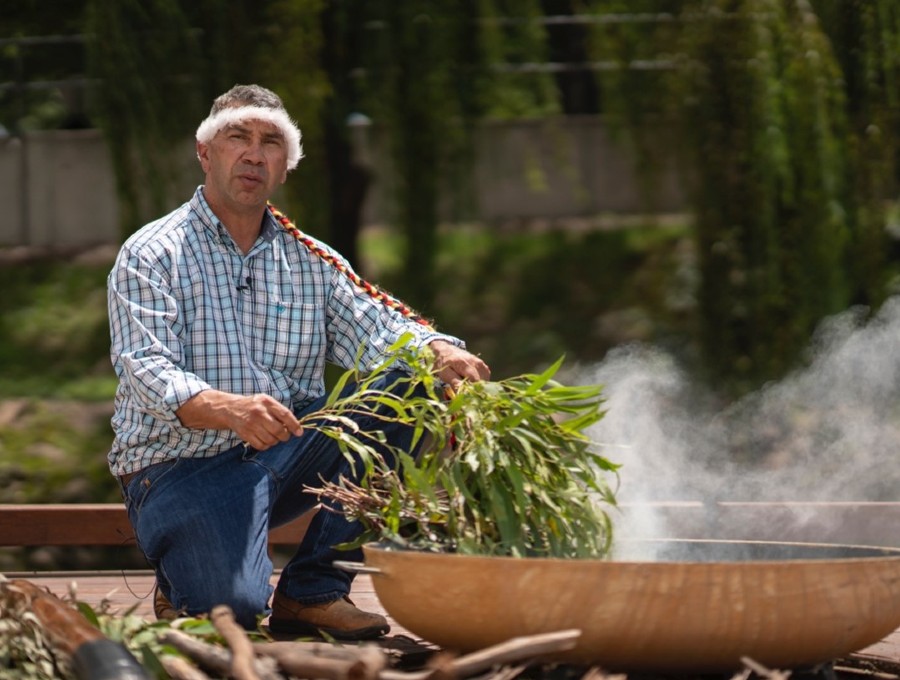
Paul Girrawah House has multiple First Nation ancestries from the South-East Canberra region, including the Ngambri-Ngurmal (Walgalu), Pajong (Gundungurra), Wallabollooa (Ngunnawal) and Erambie/Brungle (Wiradyuri) family groups.
Paul acknowledges his diverse First Nation history, he particularly identifies as a descendant of Onyong aka Jindoomang from Weereewaa (Lake George) and Henry ‘Black Harry’ Williams from Namadgi who were both multilingual, essentially Walgalu-Ngunnawal-Wiradjuri speaking warriors and Ngunnawal–Wallaballooa man William Lane aka ‘Billy the Bull’ - Murrjinille.
Paul was born at the old Canberra hospital in the centre of his ancestral country and strongly acknowledges his First Nation matriarch ancestors, in particular his mother Dr Aunty Matilda House-Williams and grandmother, Ms Pearl Simpson-Wedge.
Paul completed a Bachelor of Community Management from Macquarie University, and Graduate Certificate in Wiradjuri Language, Culture and Heritage and Management from CSU.
Paul provided the Welcome to Country for the 47th Opening of Federal Parliament in 2022. Paul is Board Director, Ngambri Local Aboriginal Land Council, Member Indigenous Reference Group, National Museum of Australia and Australian Government Voice Referendum Engagement Group.
Paul works on country with the ANU, First Nations Portfolio as a Senior Community Engagement Officer
Reconciliation Australia acknowledges Traditional Owners of Country throughout Australia and recognises the continuing connection to lands, waters and communities. We pay our respect to Aboriginal and Torres Strait Islander cultures; and to Elders past and present.
Aboriginal and Torres Strait Islander peoples should be aware that this website contains images or names of people who have passed away.