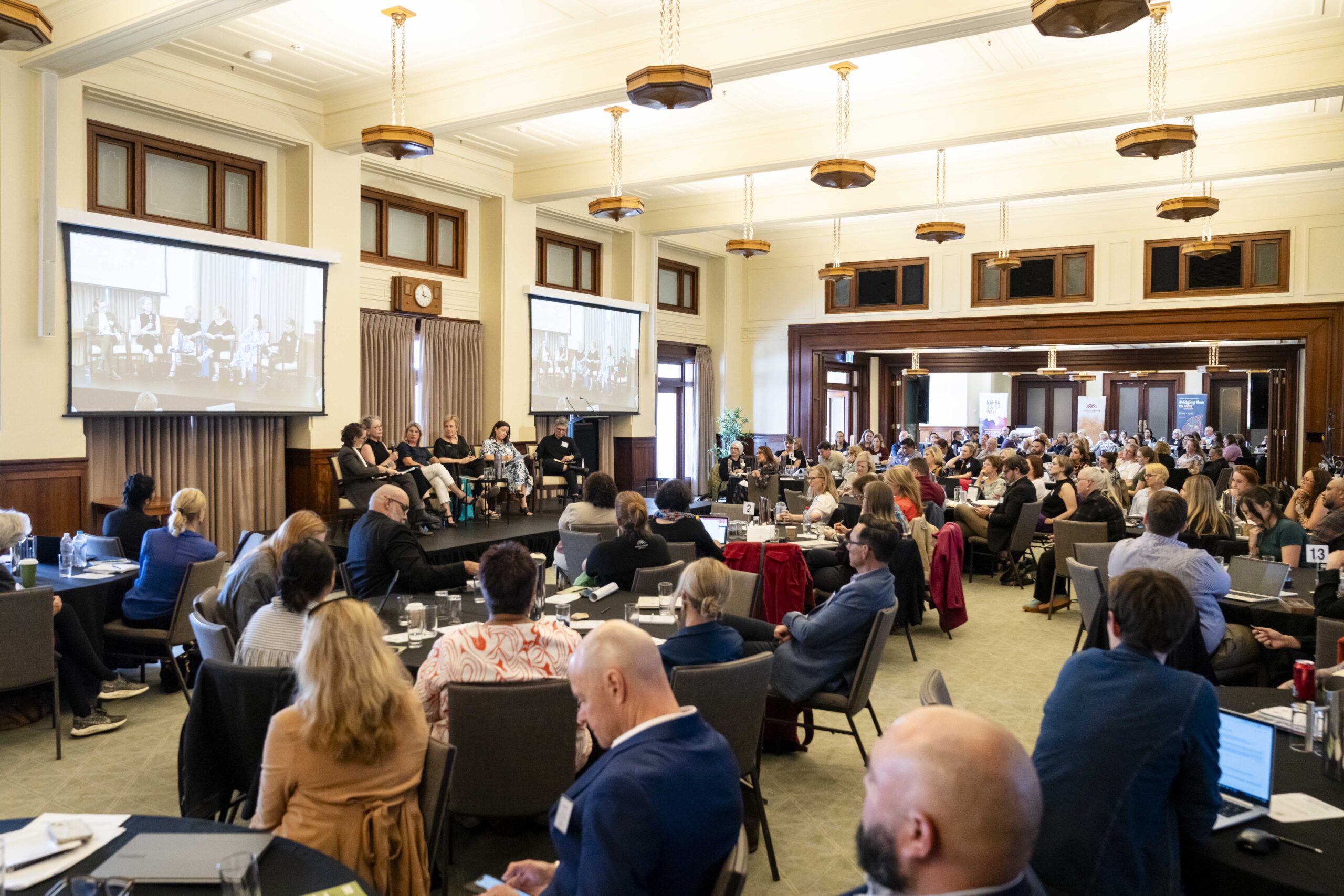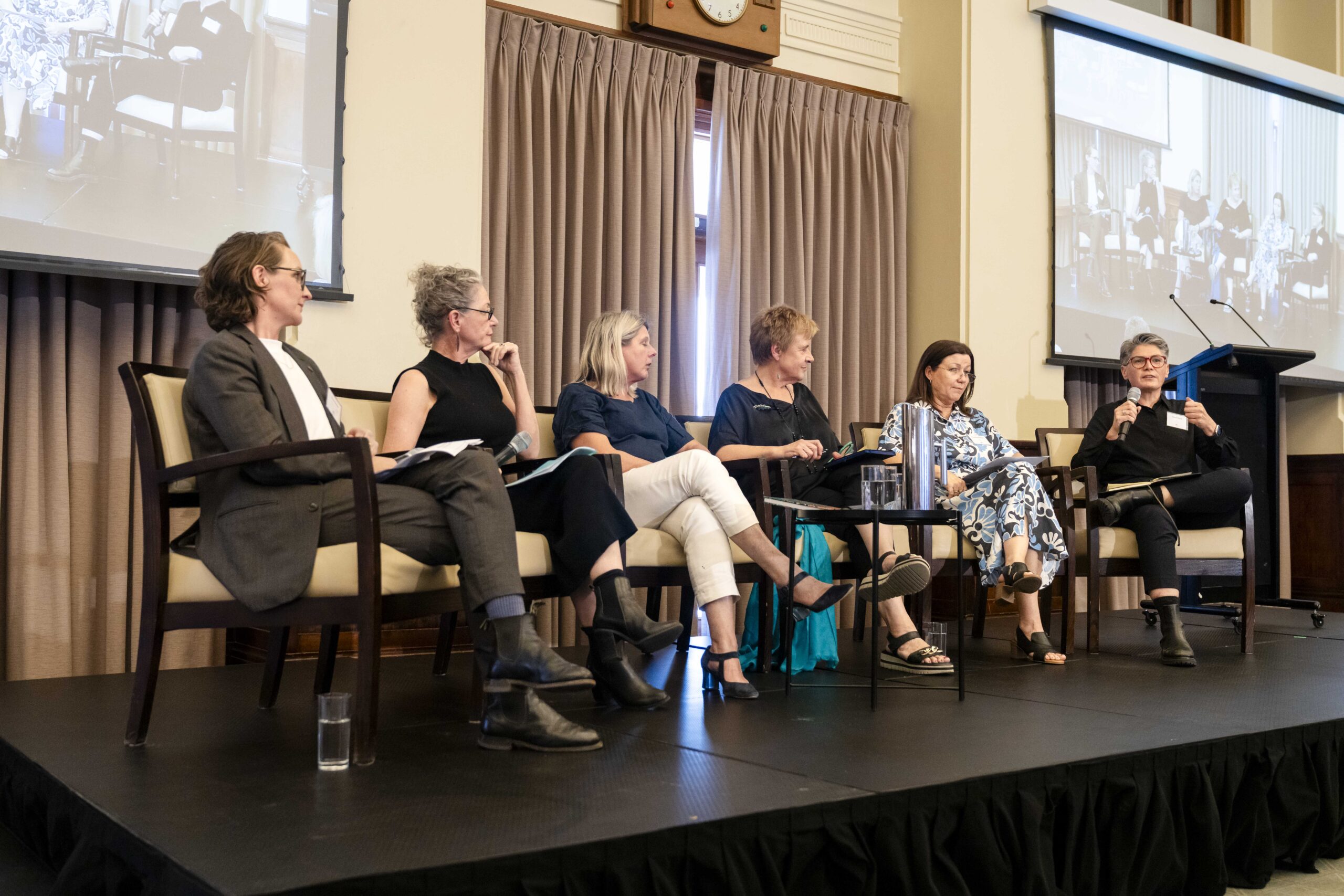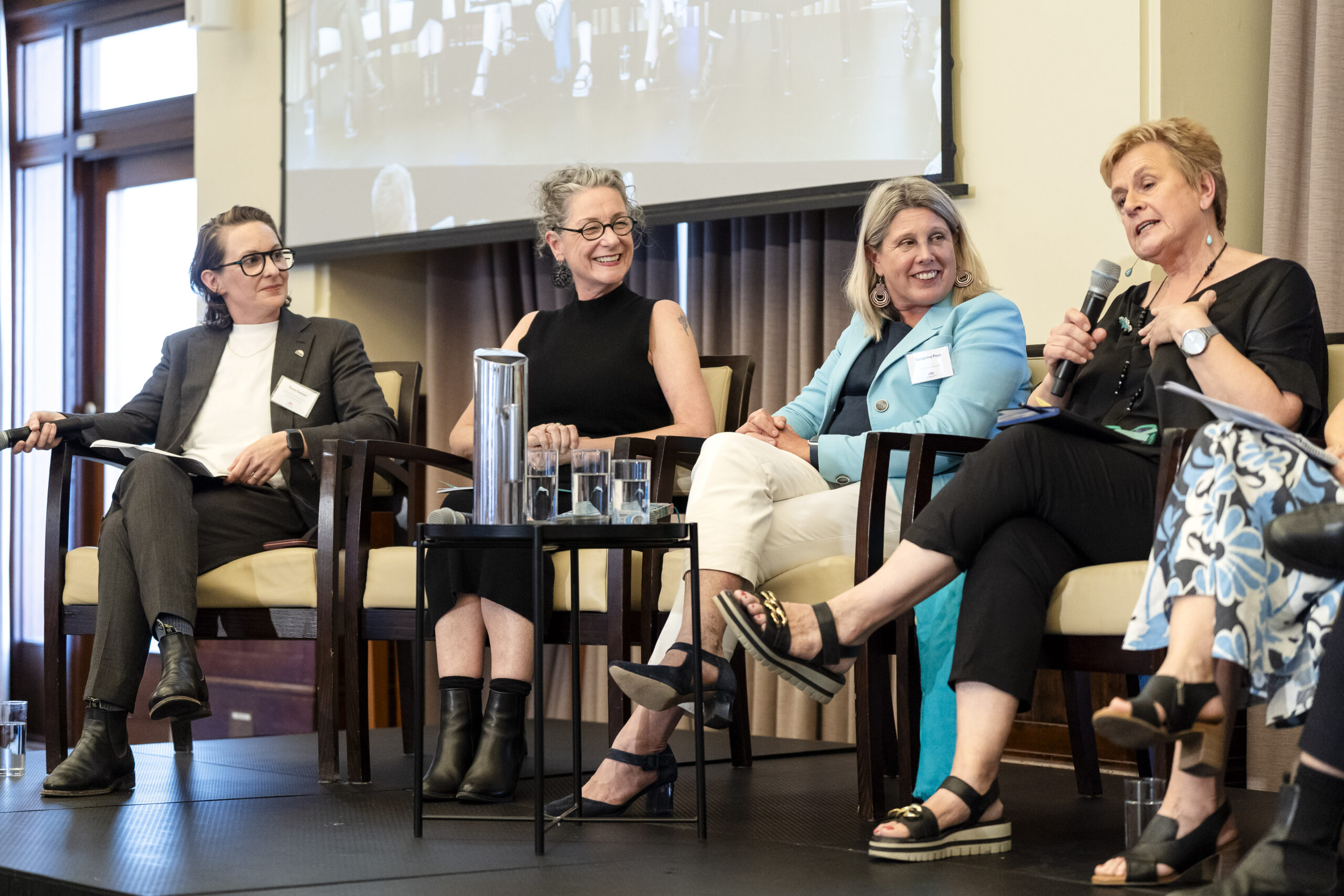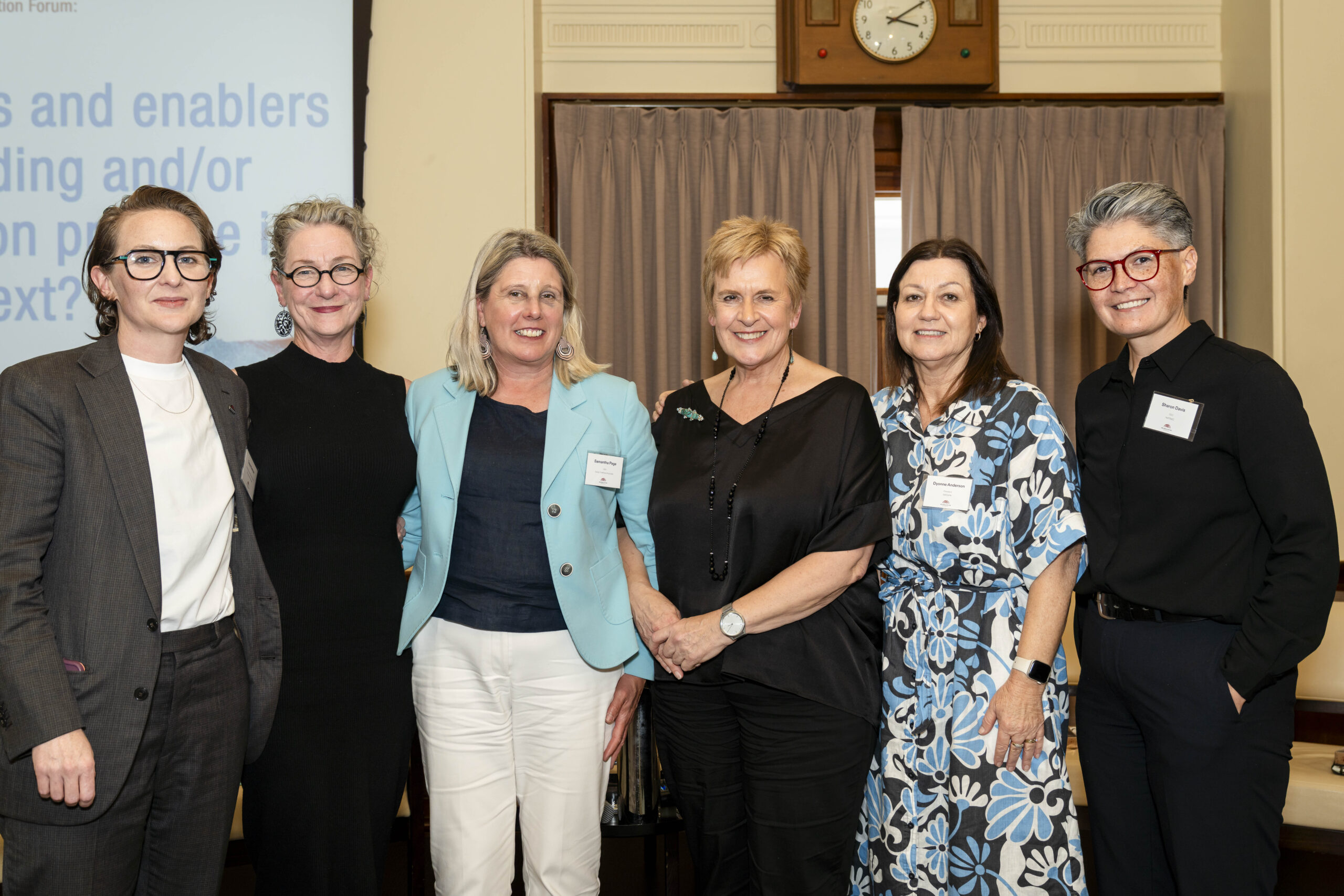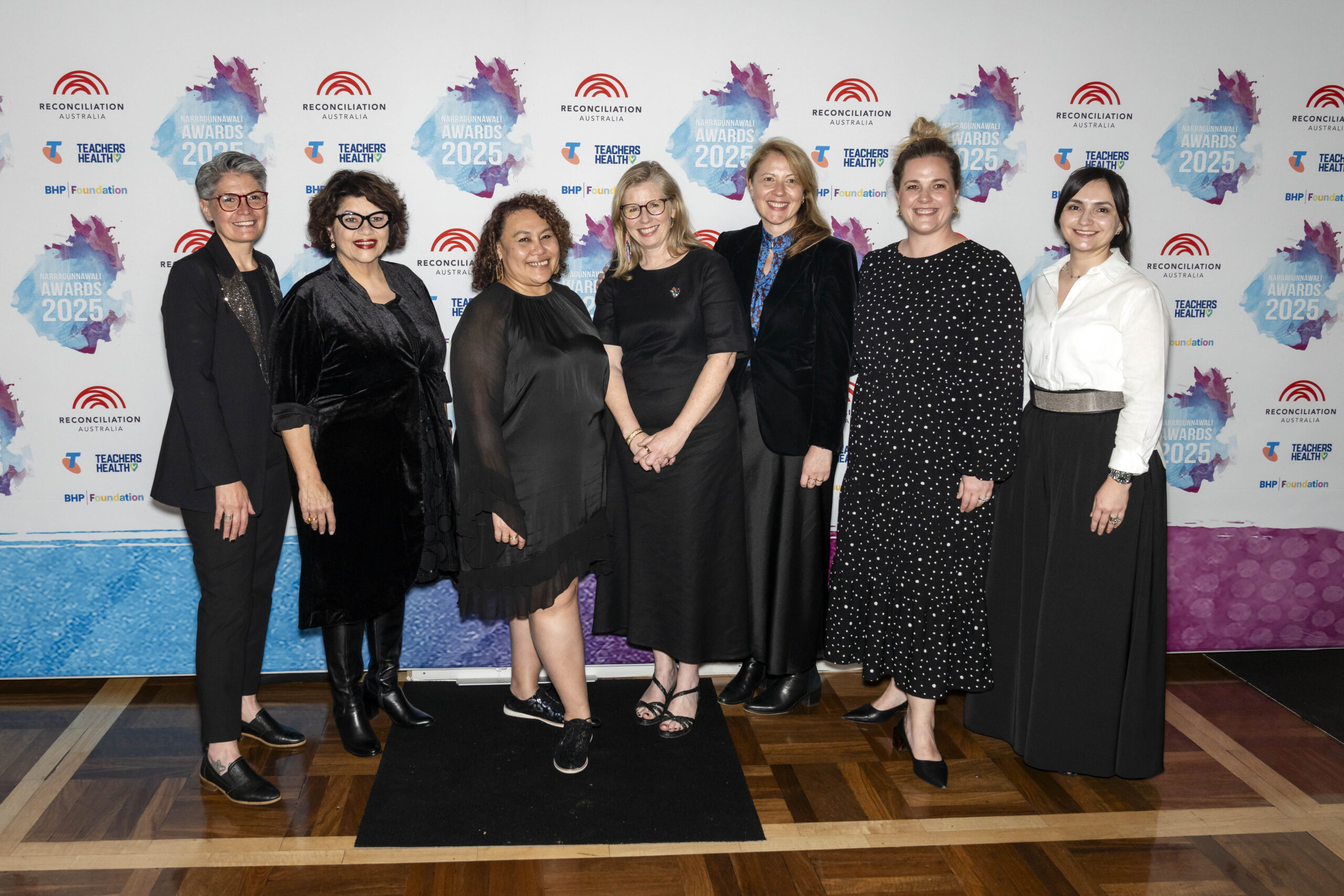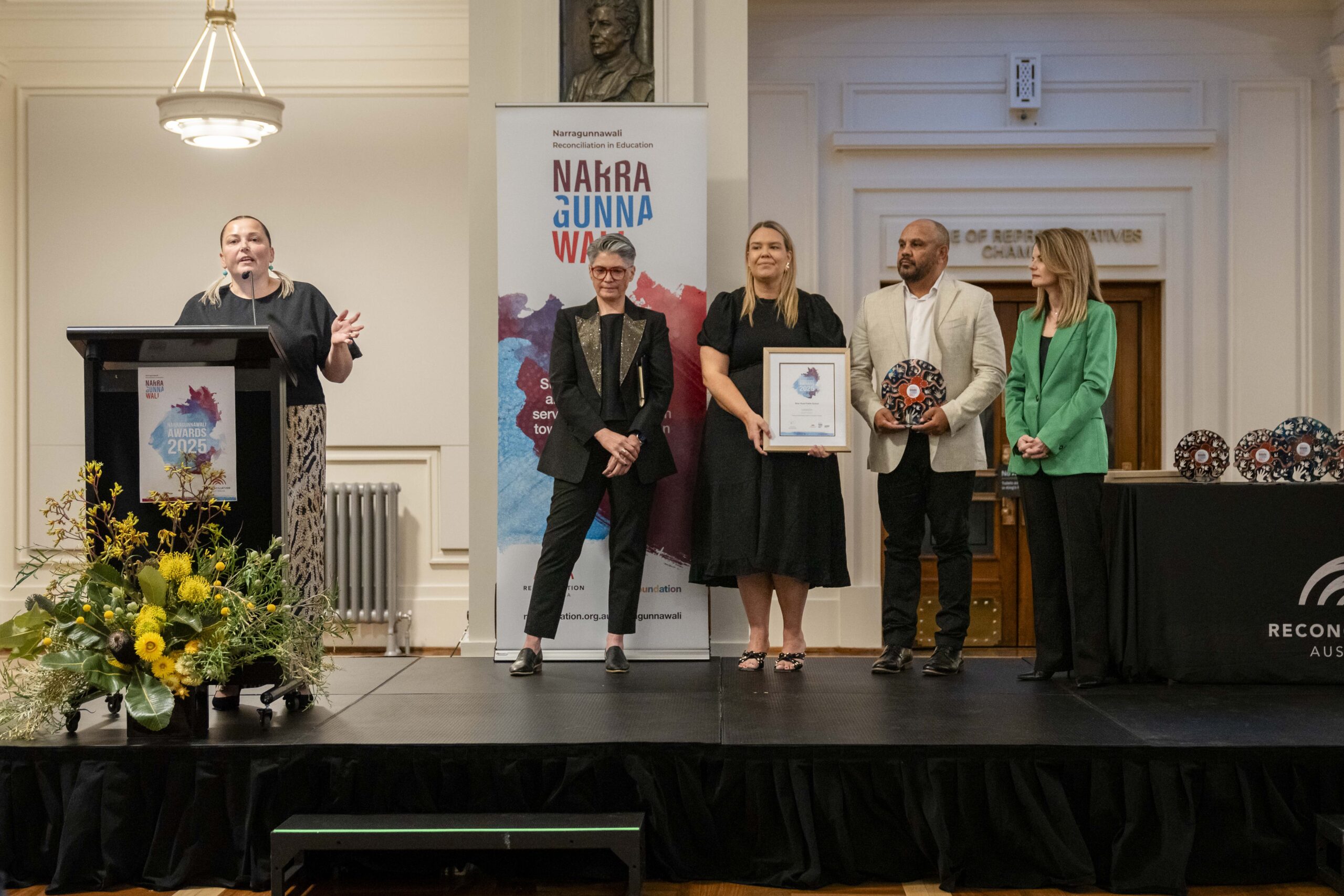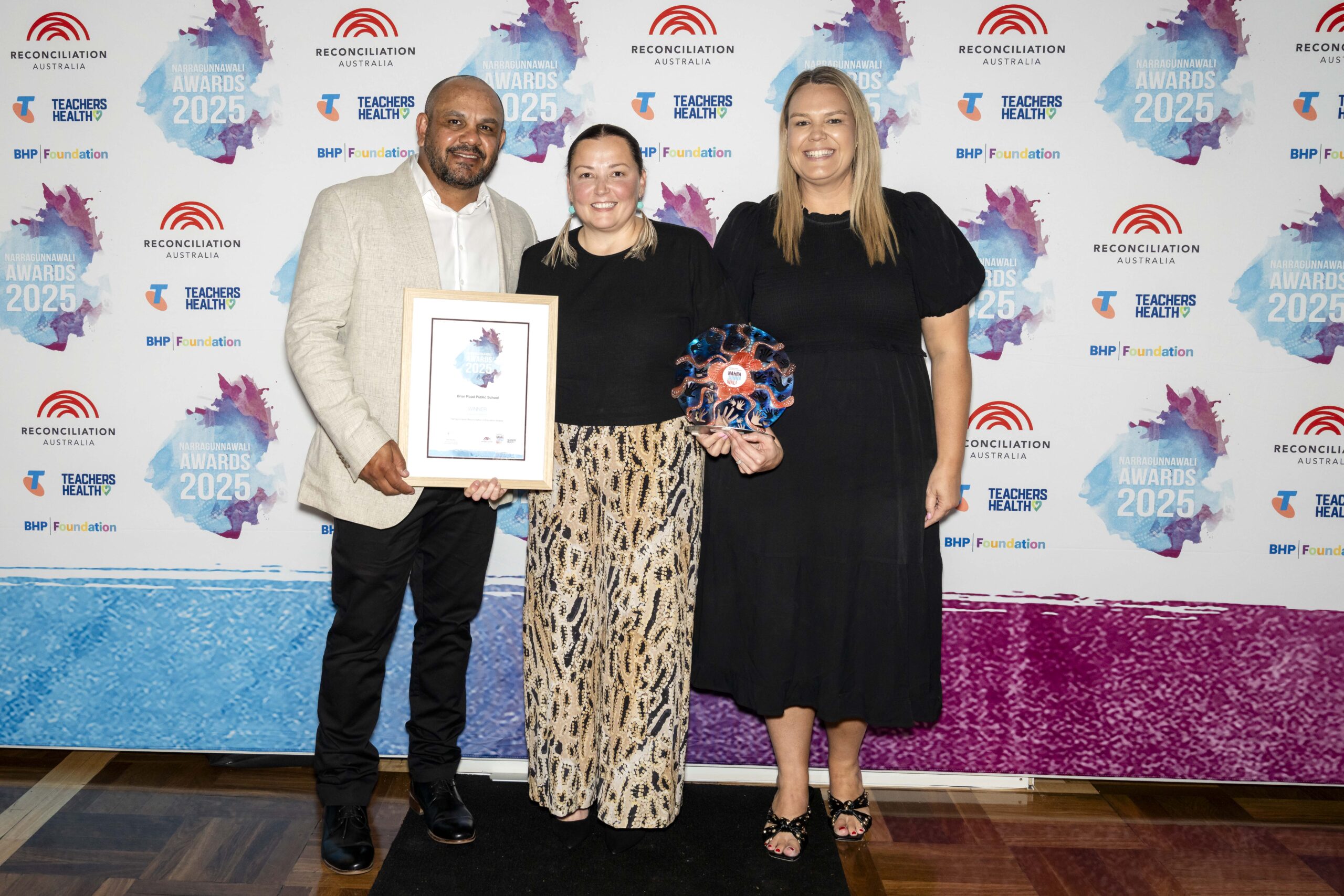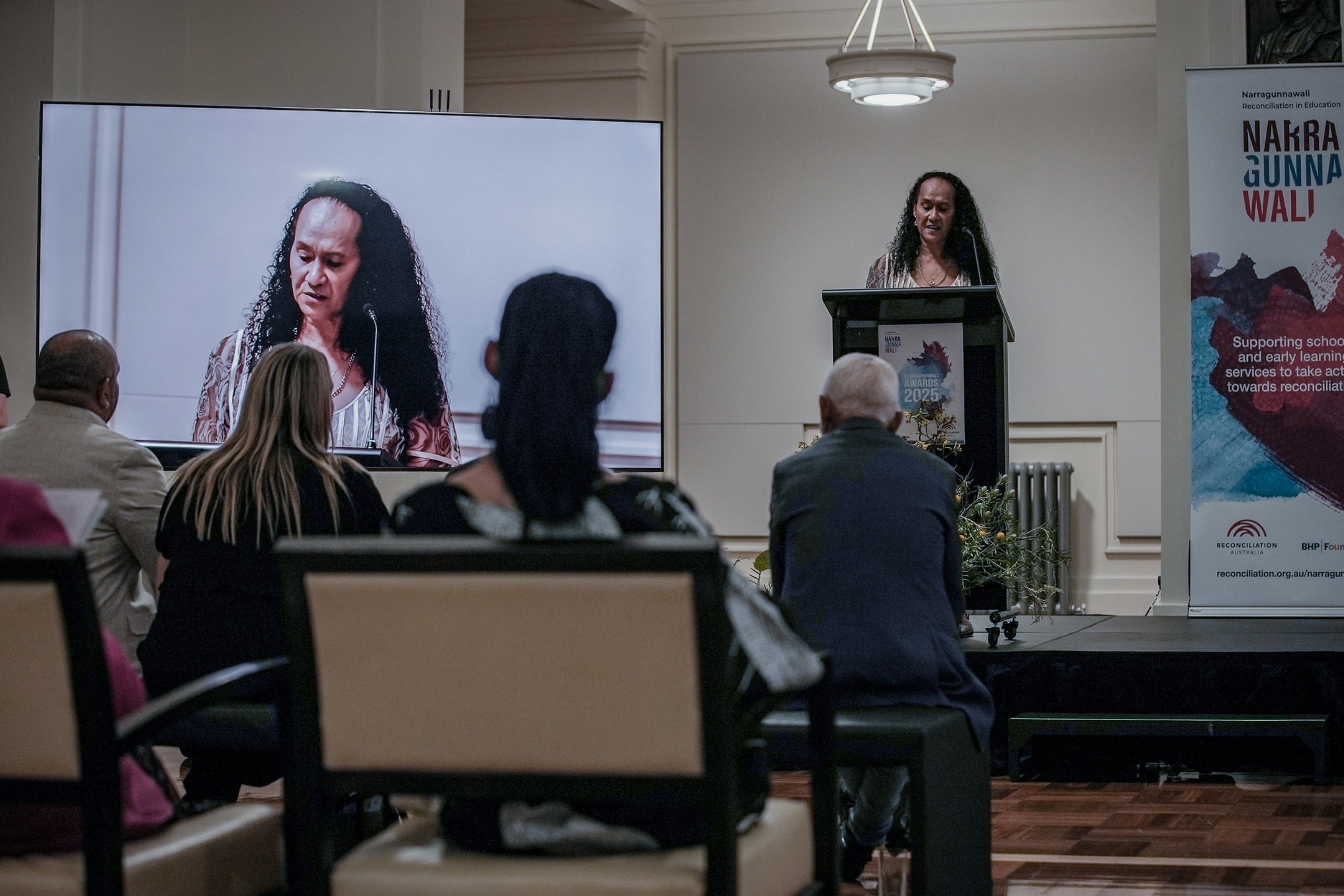
National Reconciliation in Education Forum and Narragunnawali Awards 2025

Thank you for joining us at this exclusive gathering of education leaders from across the country.

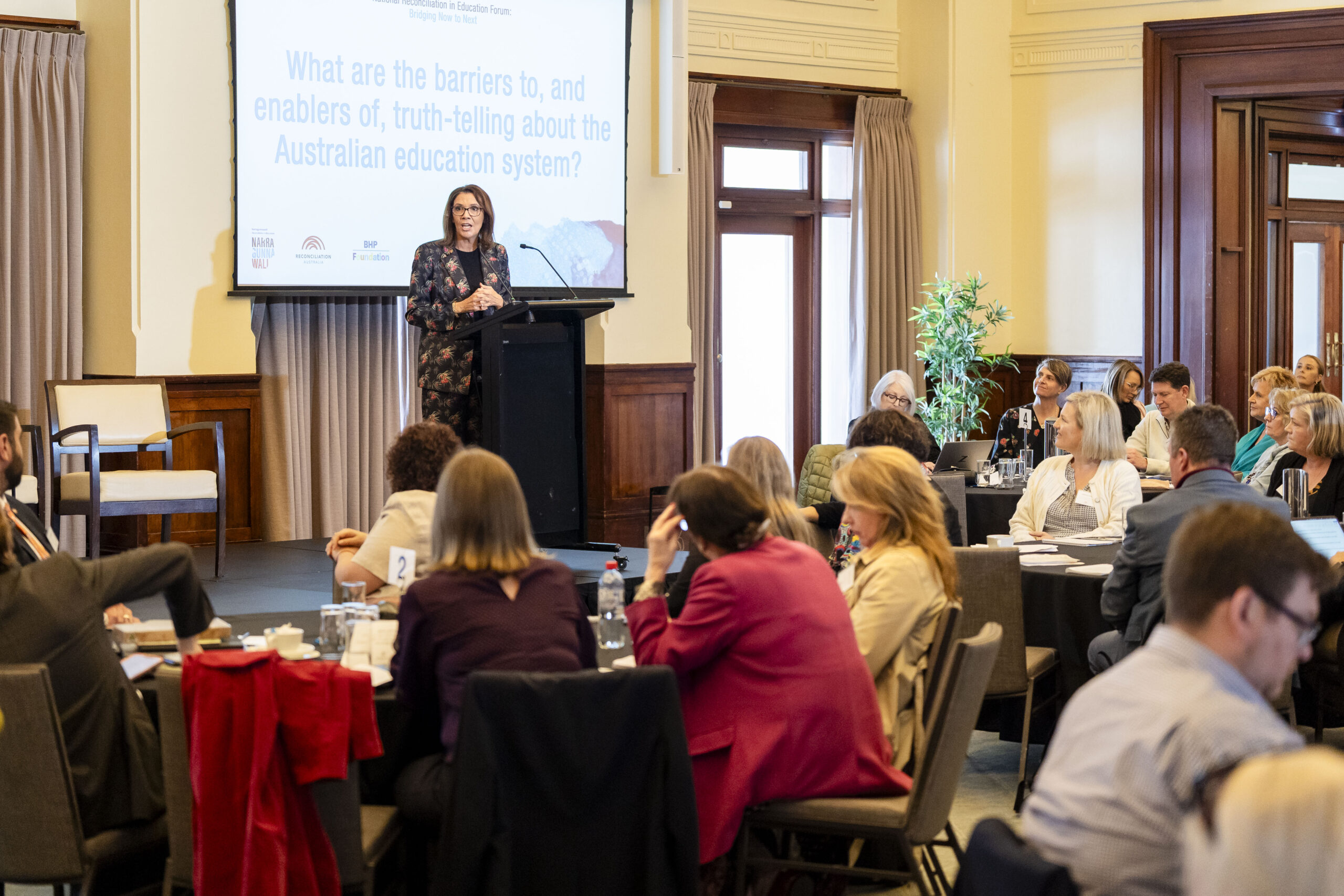
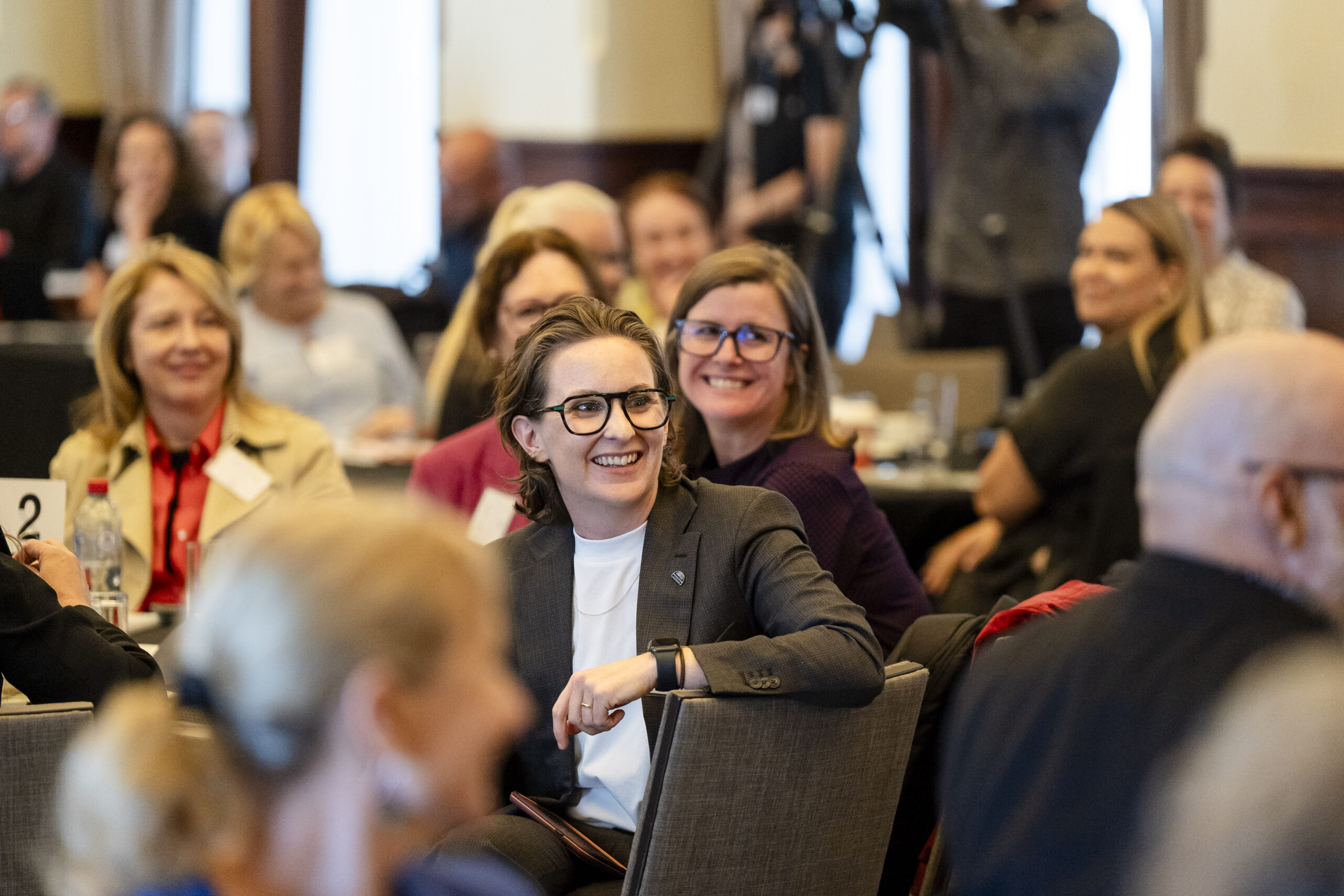
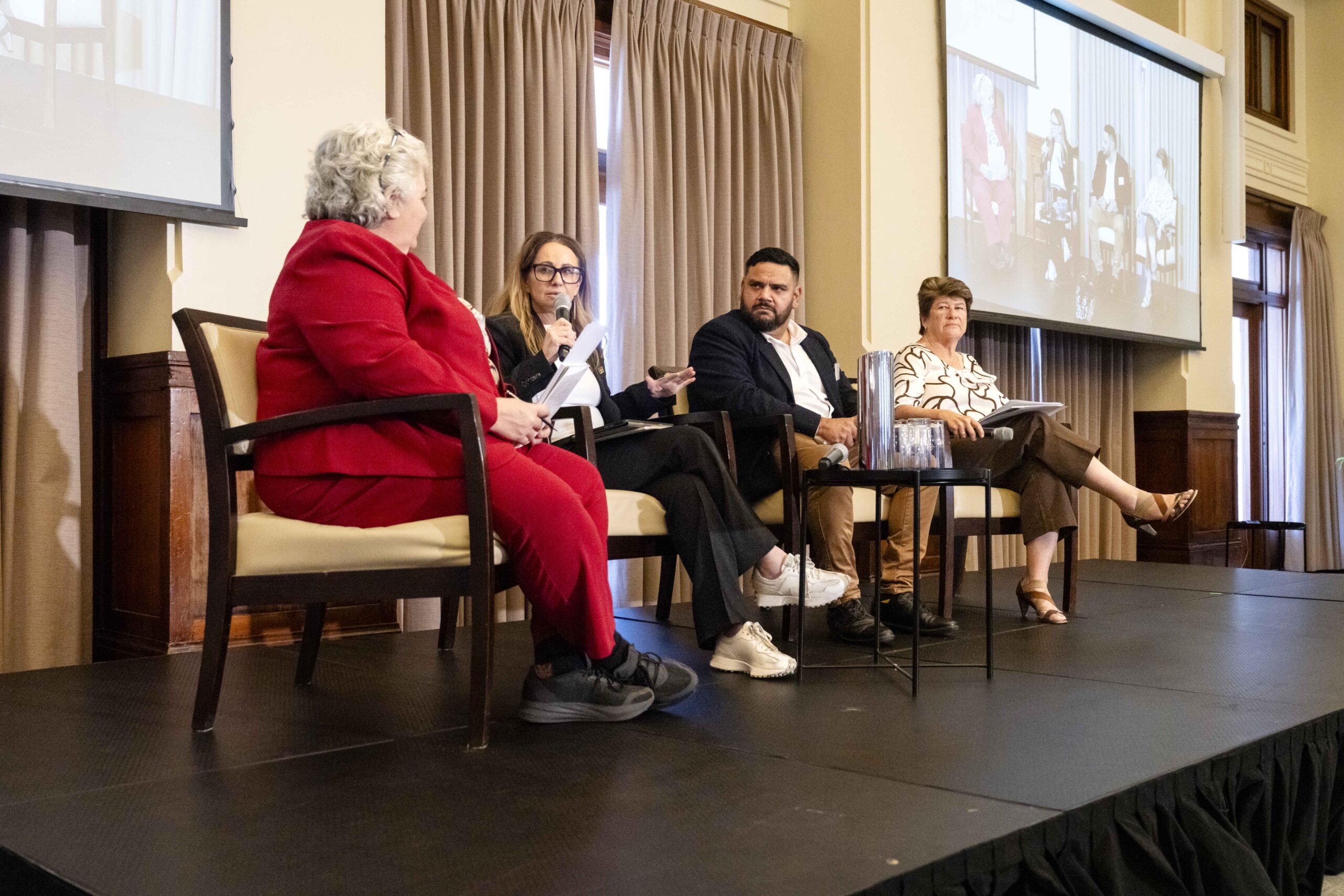
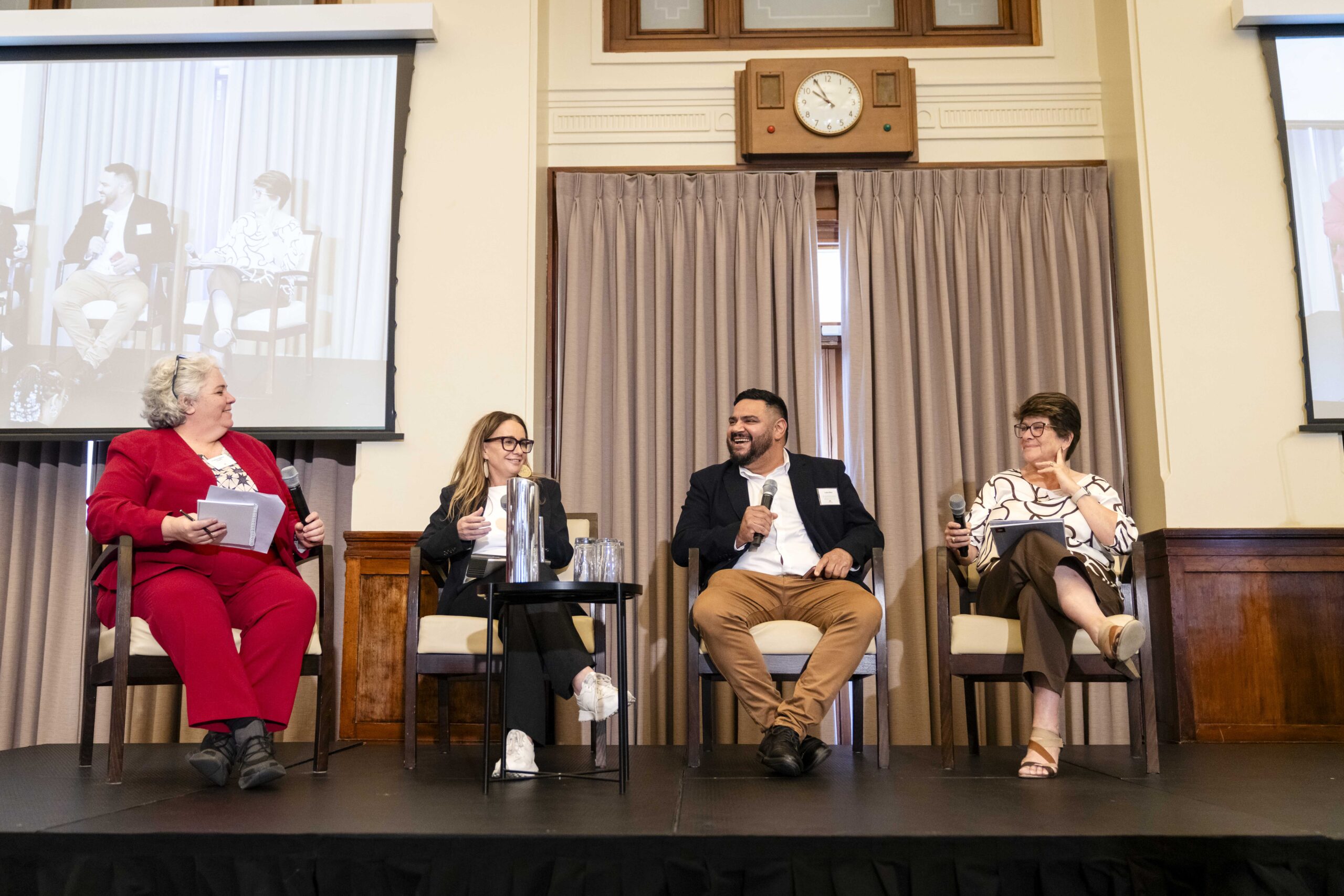
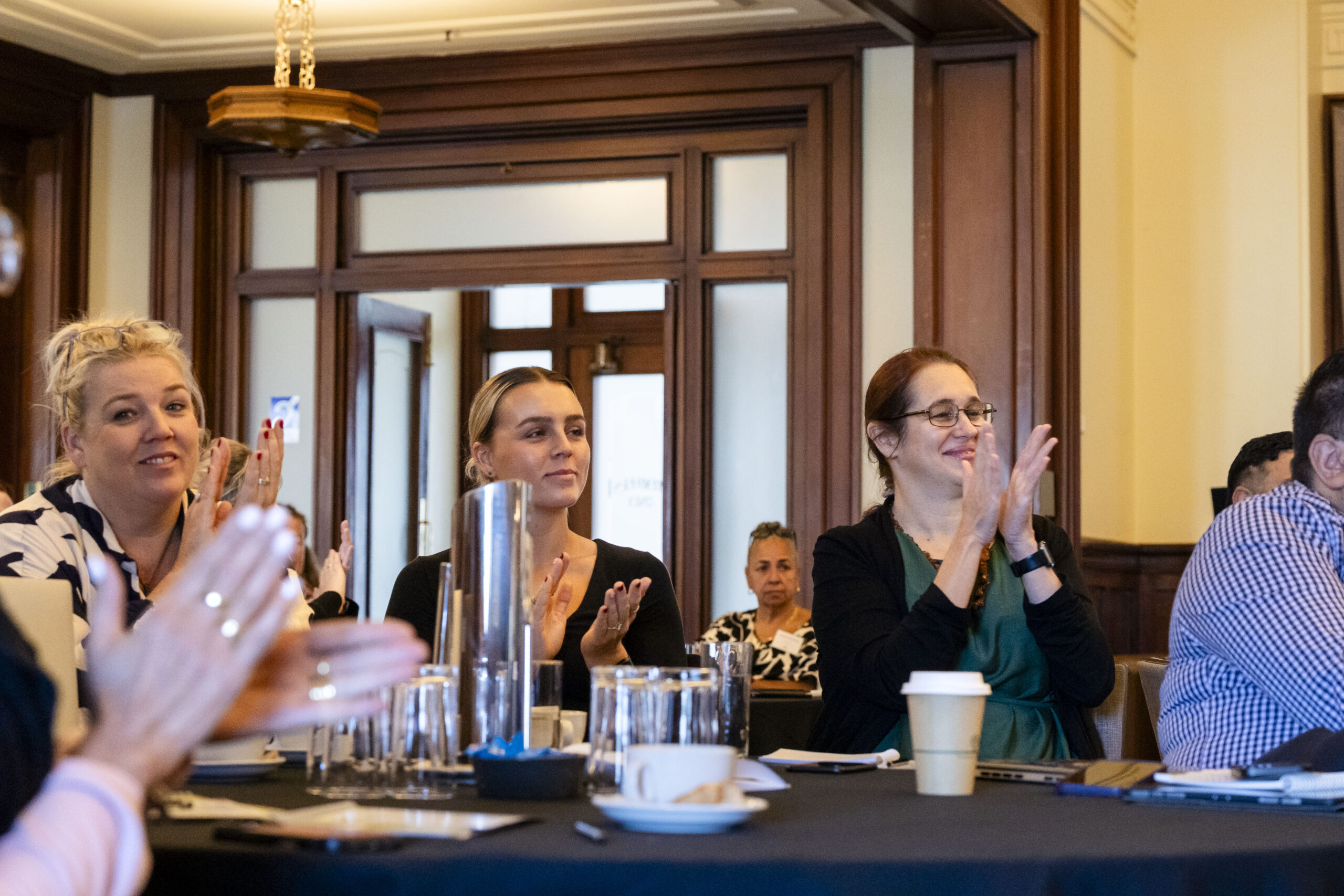
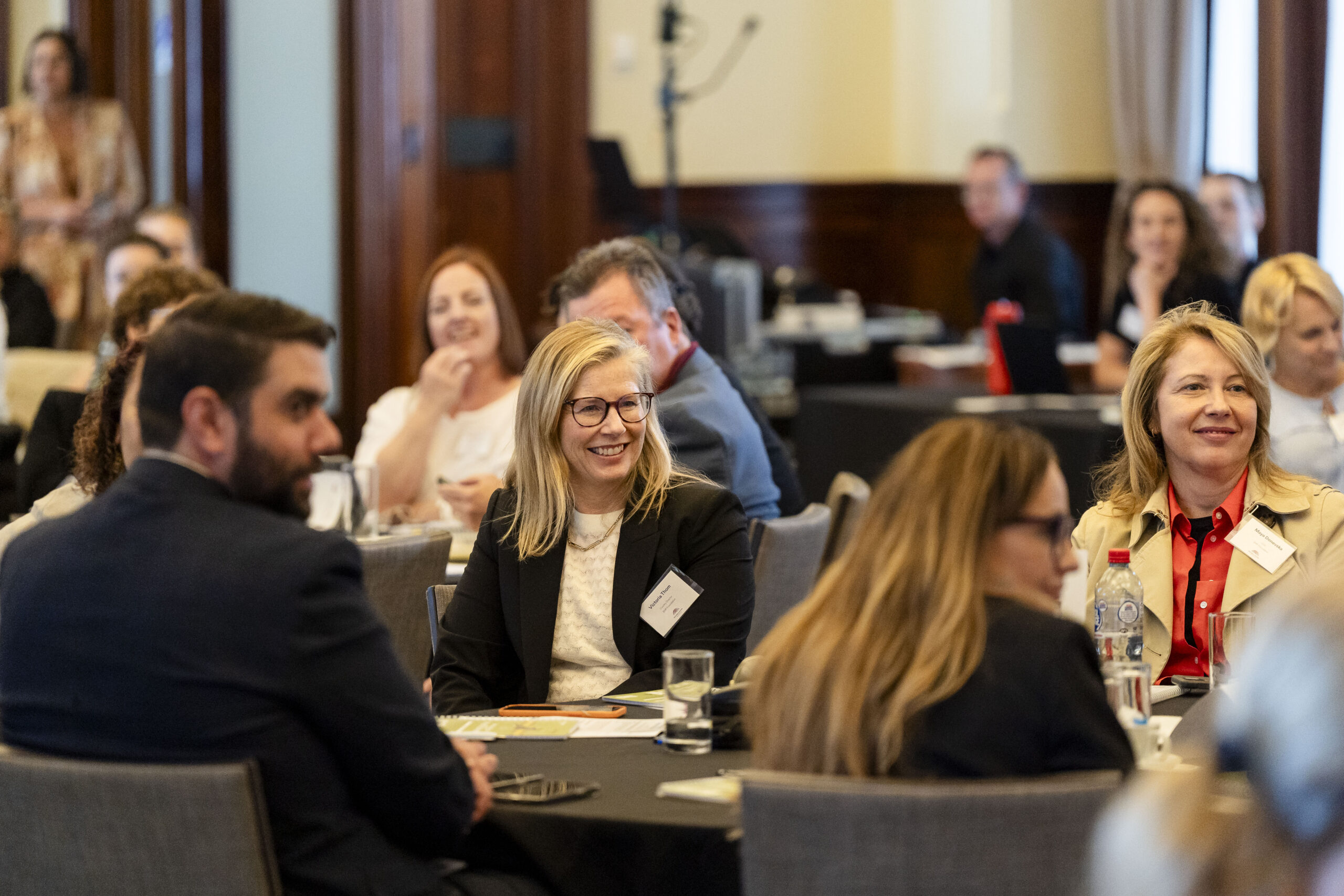
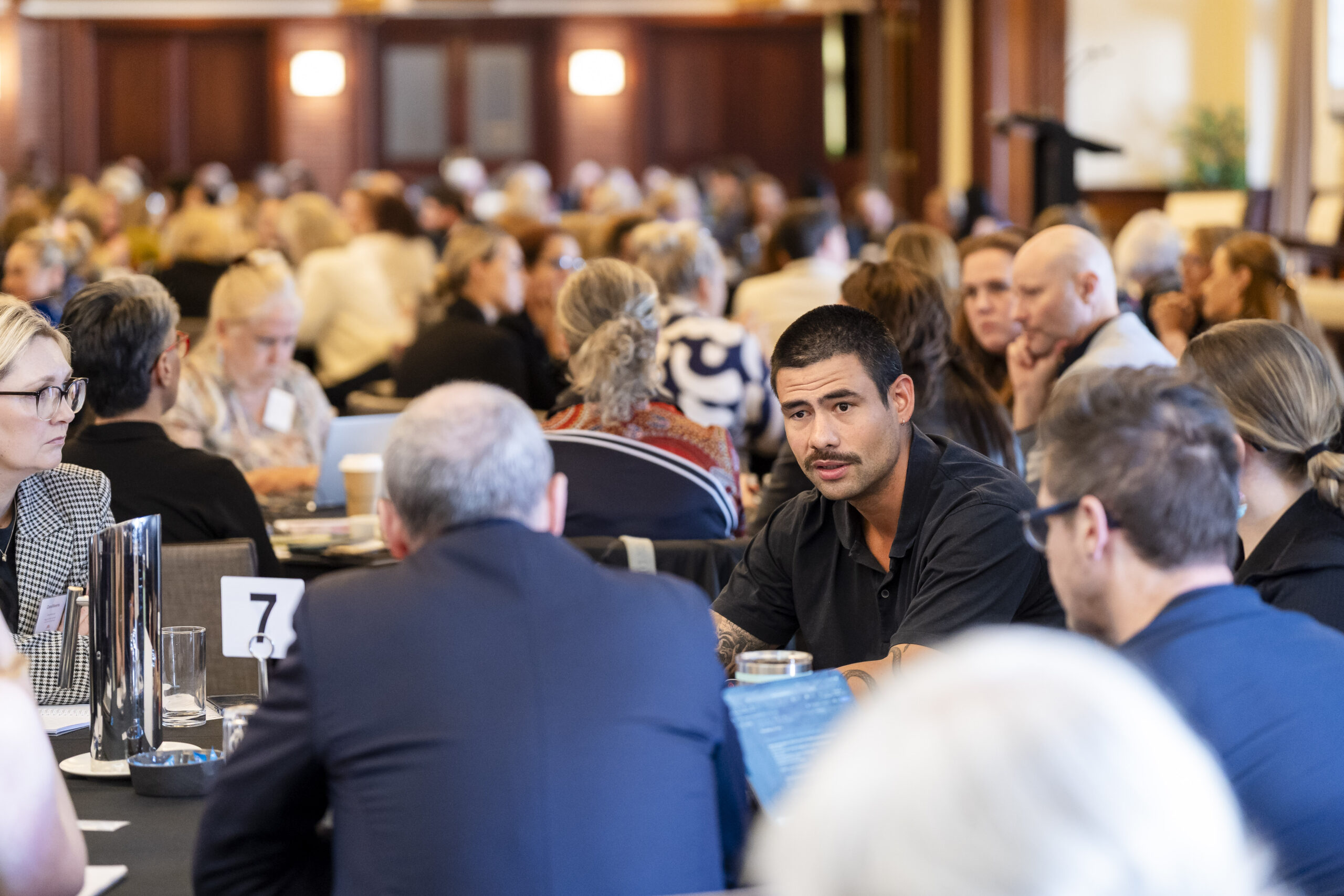
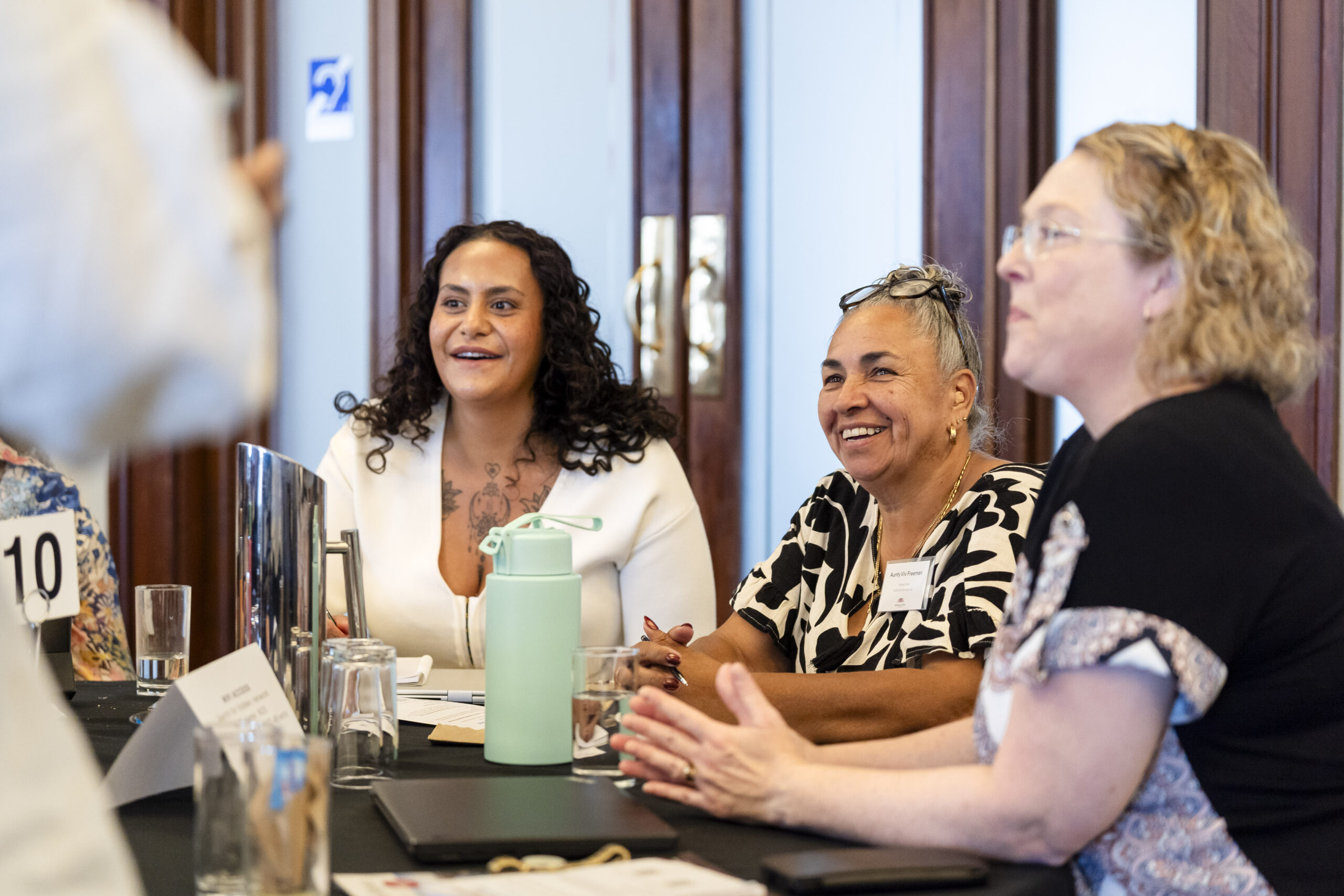
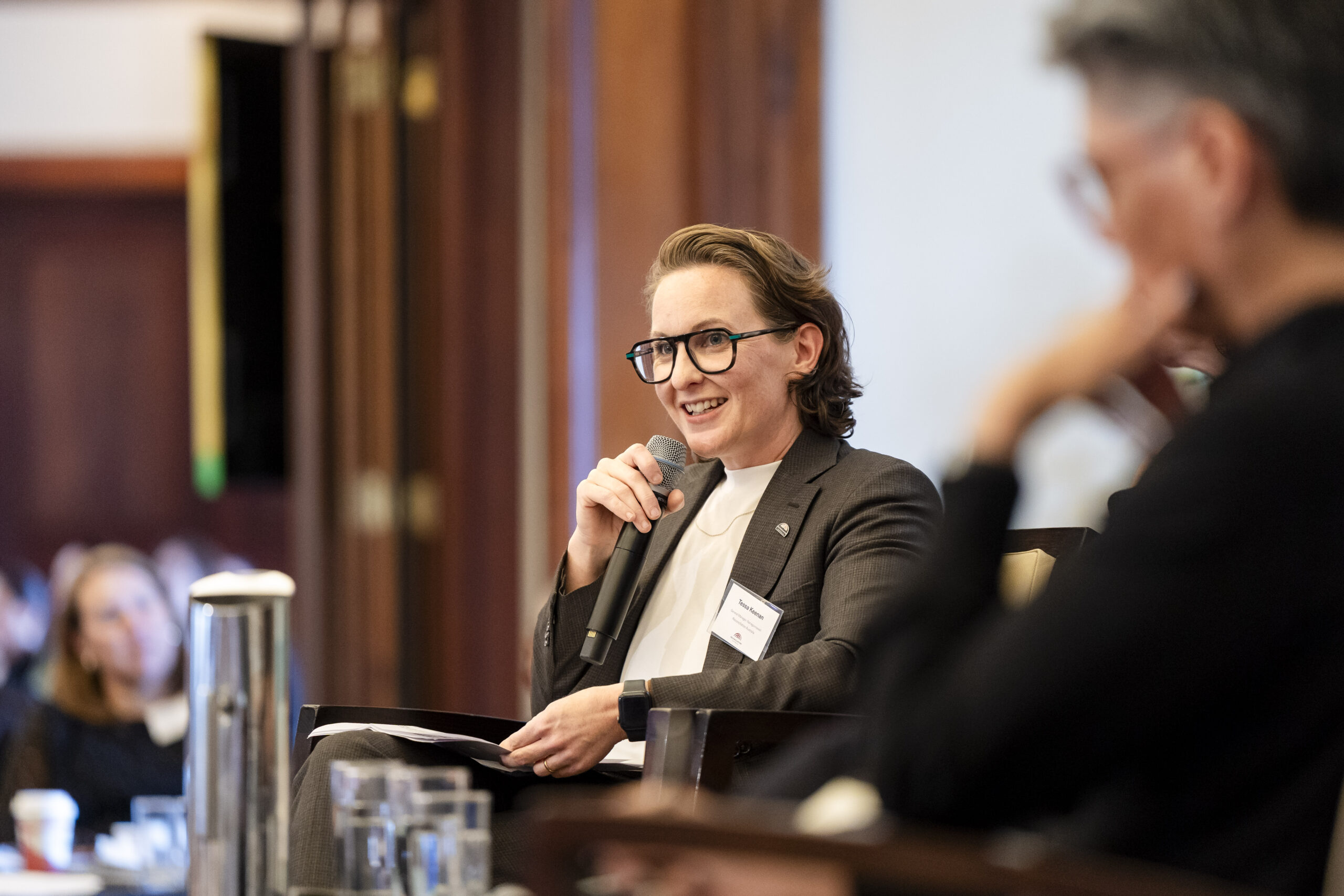
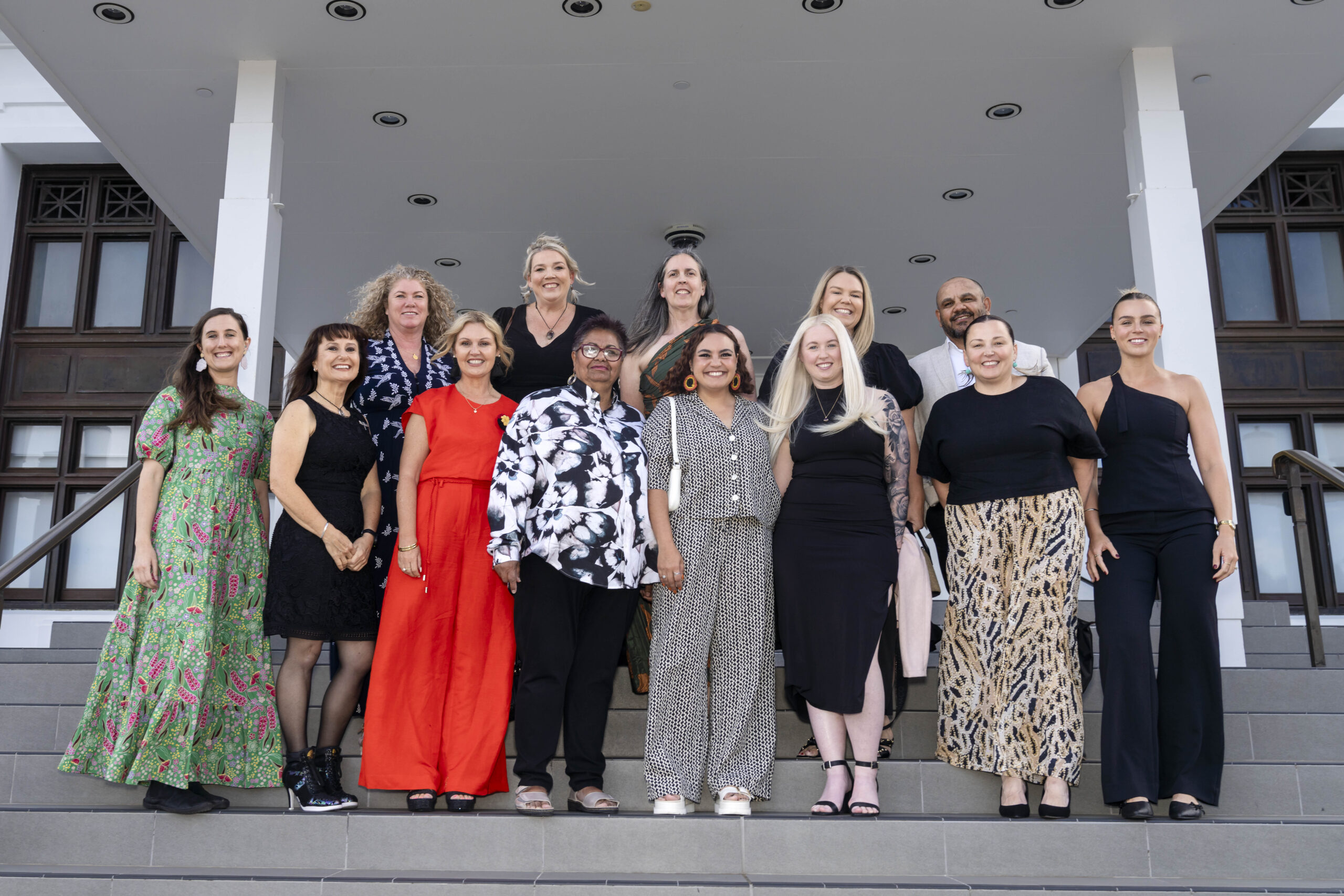
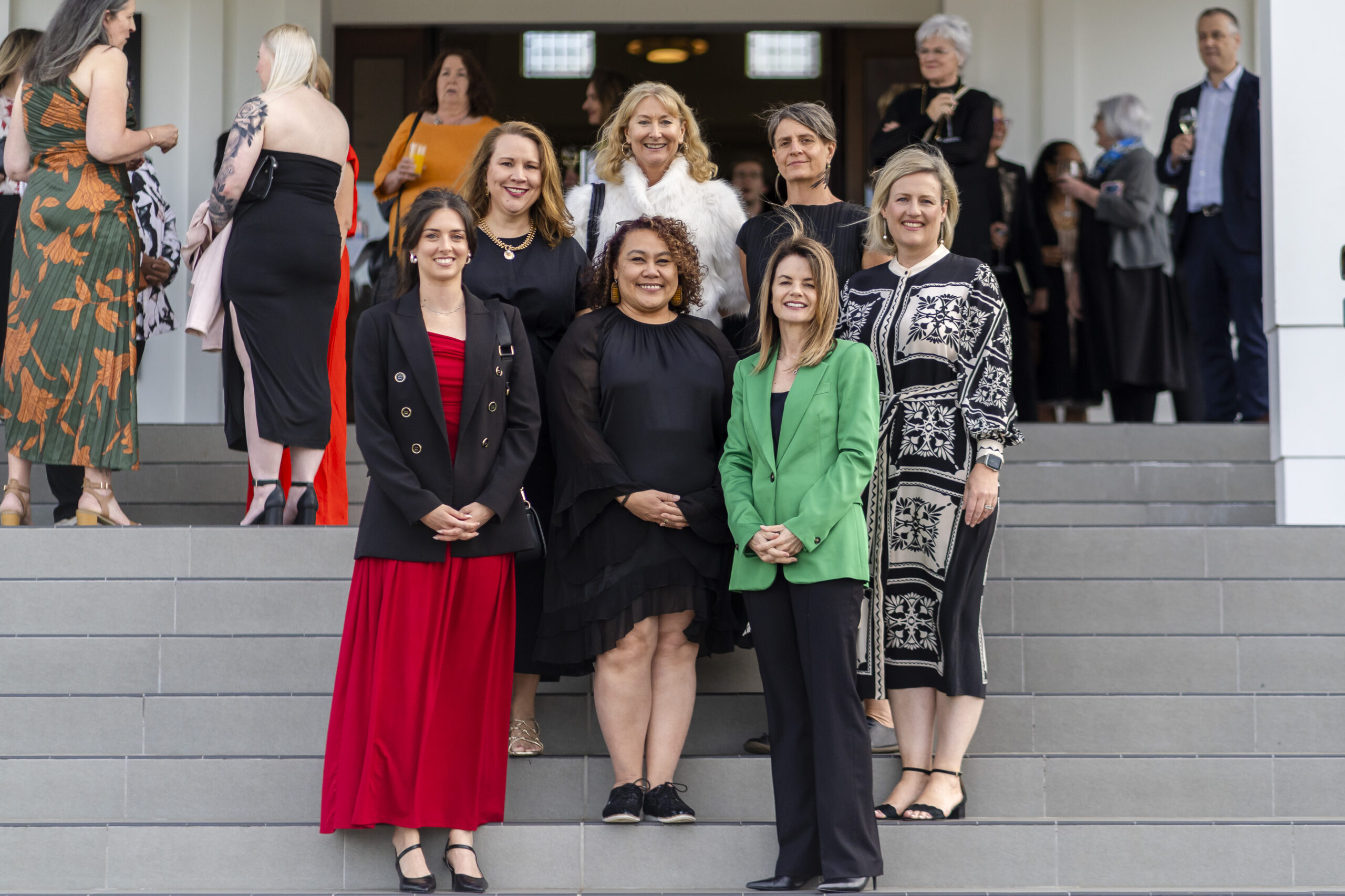
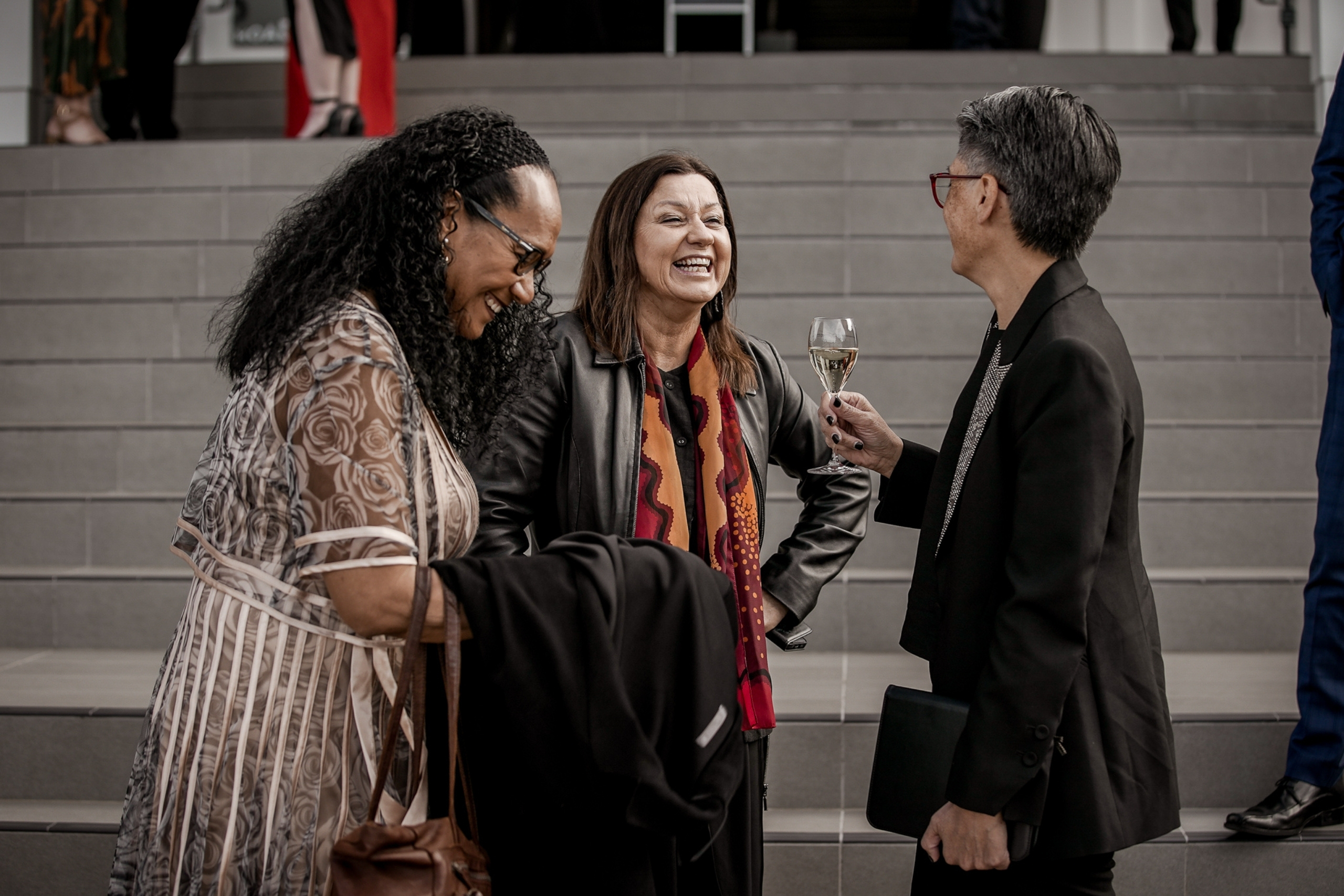
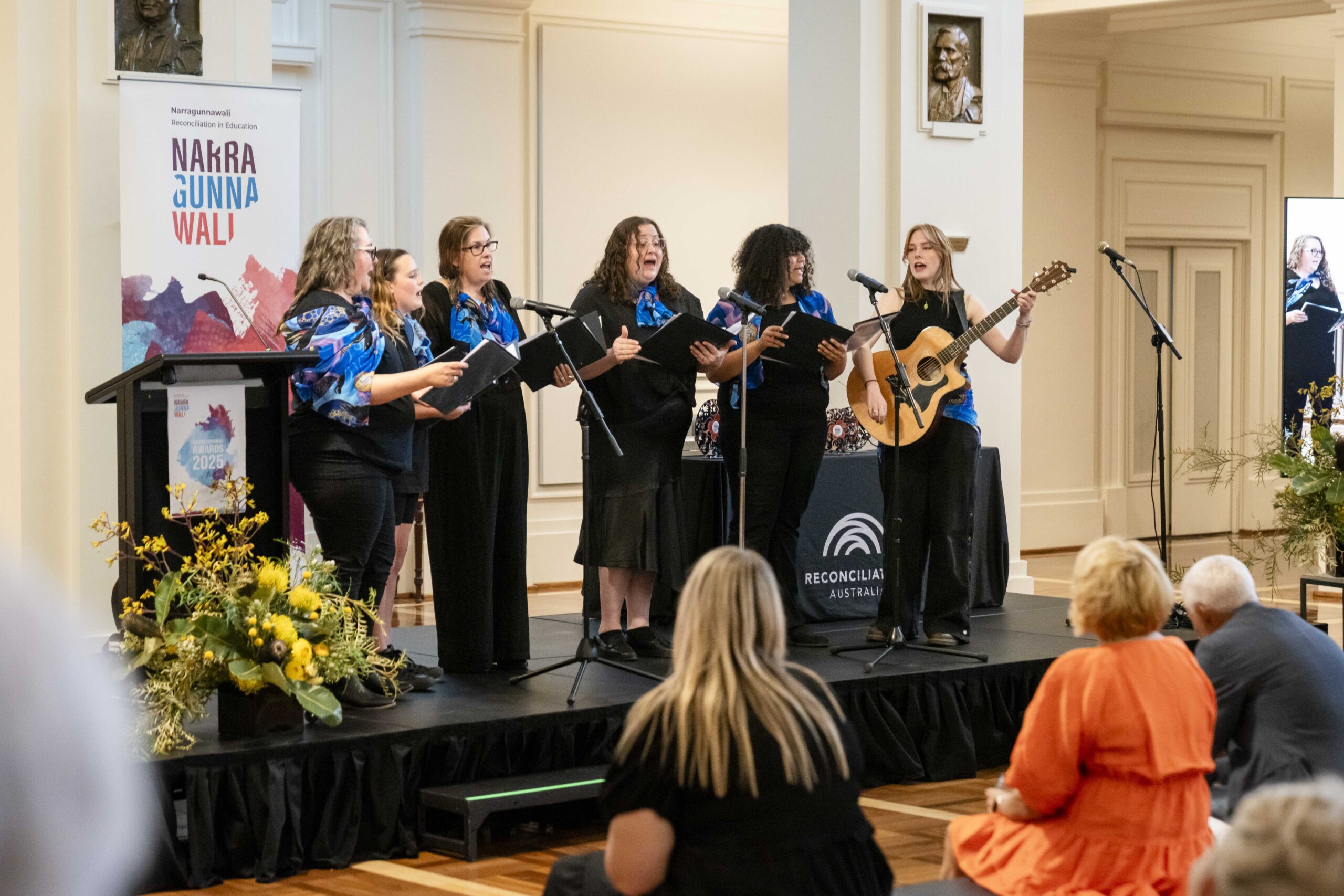
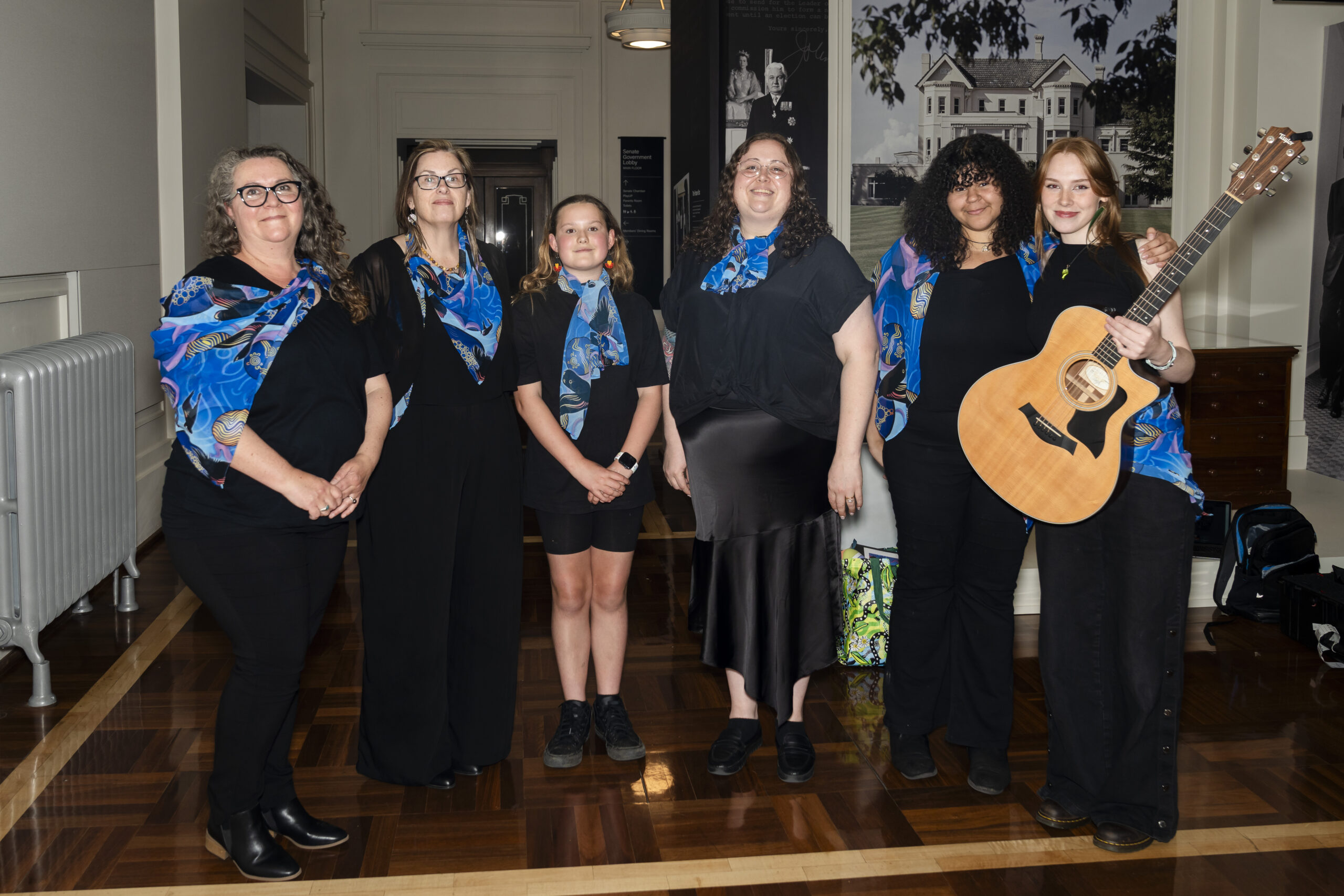
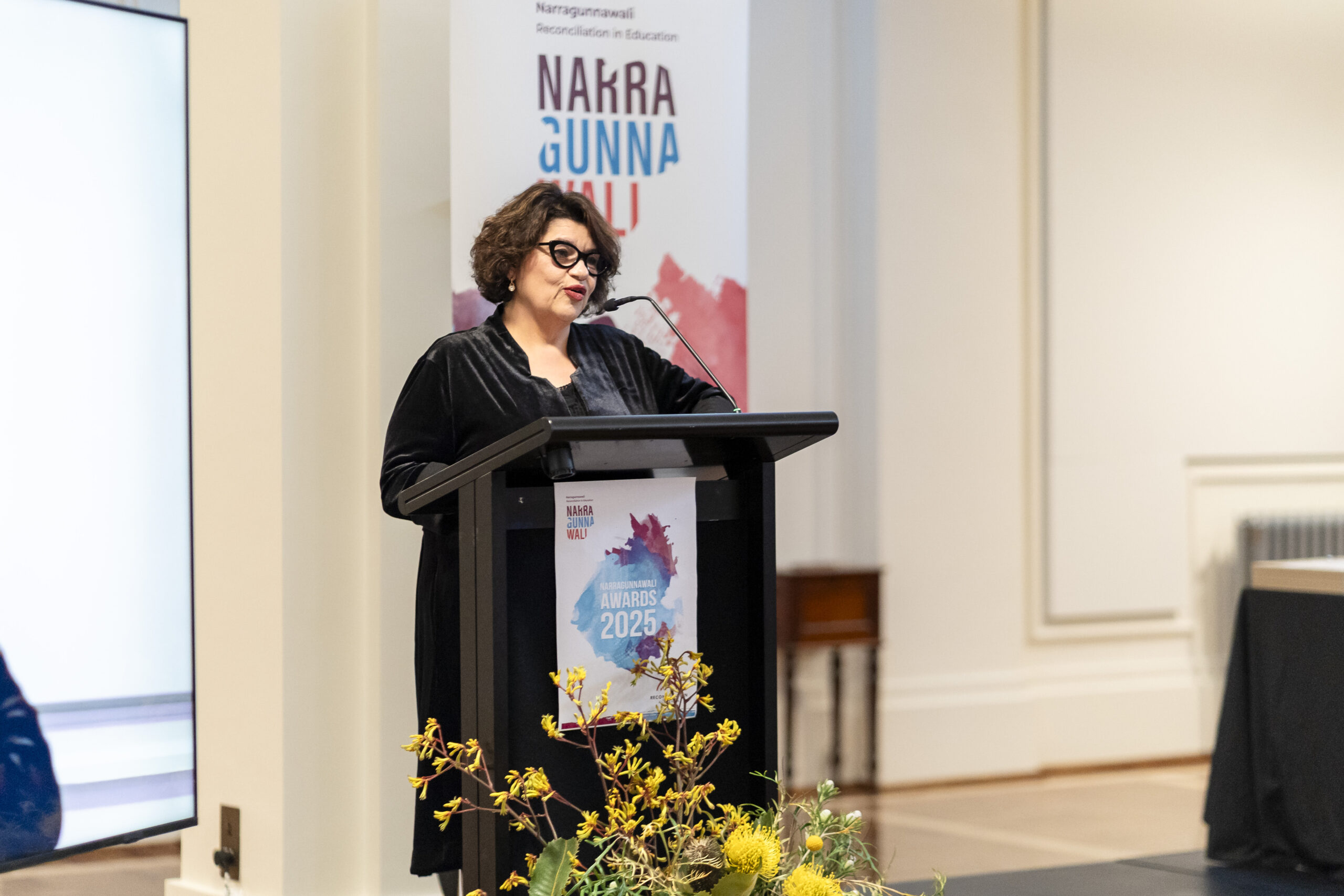
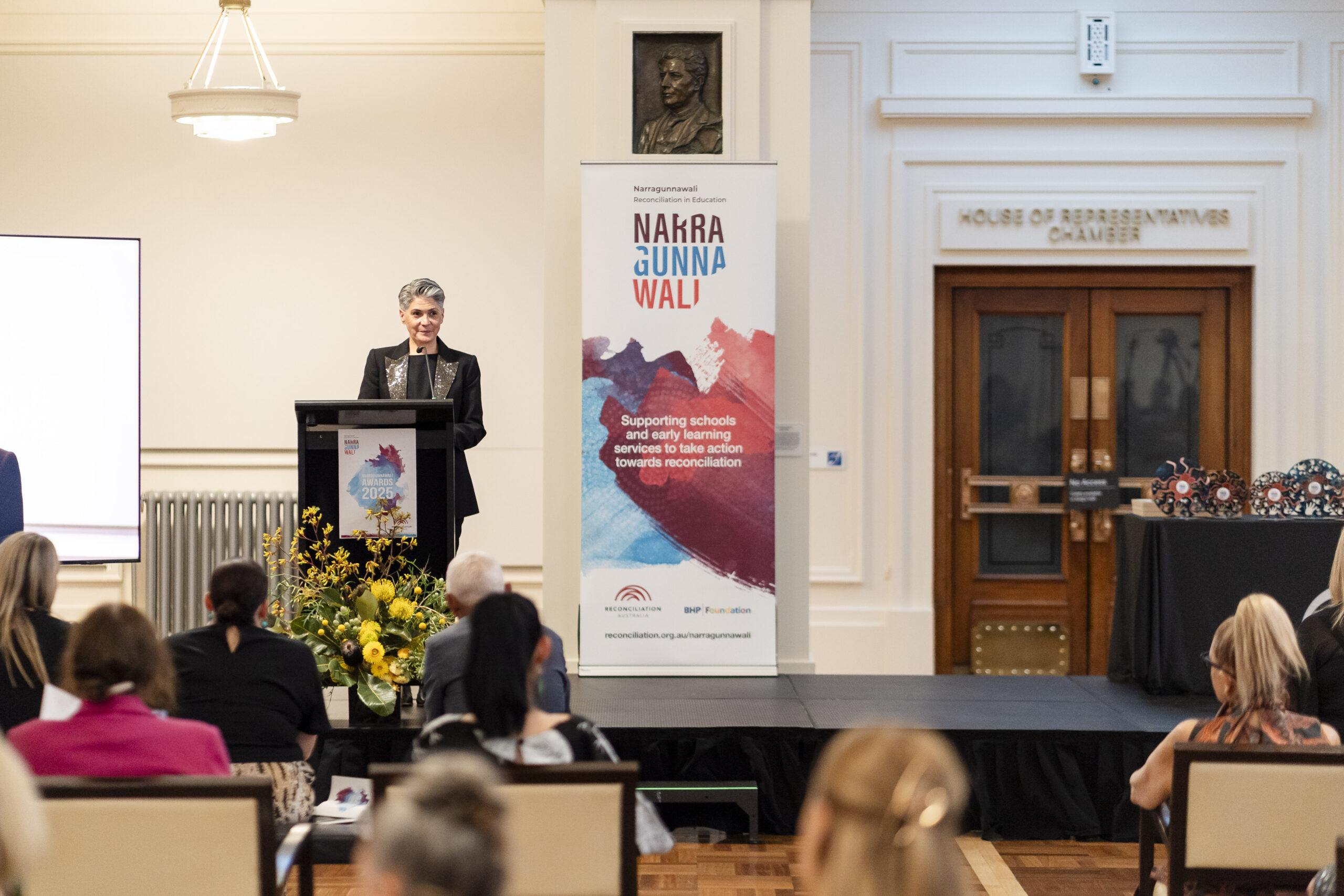
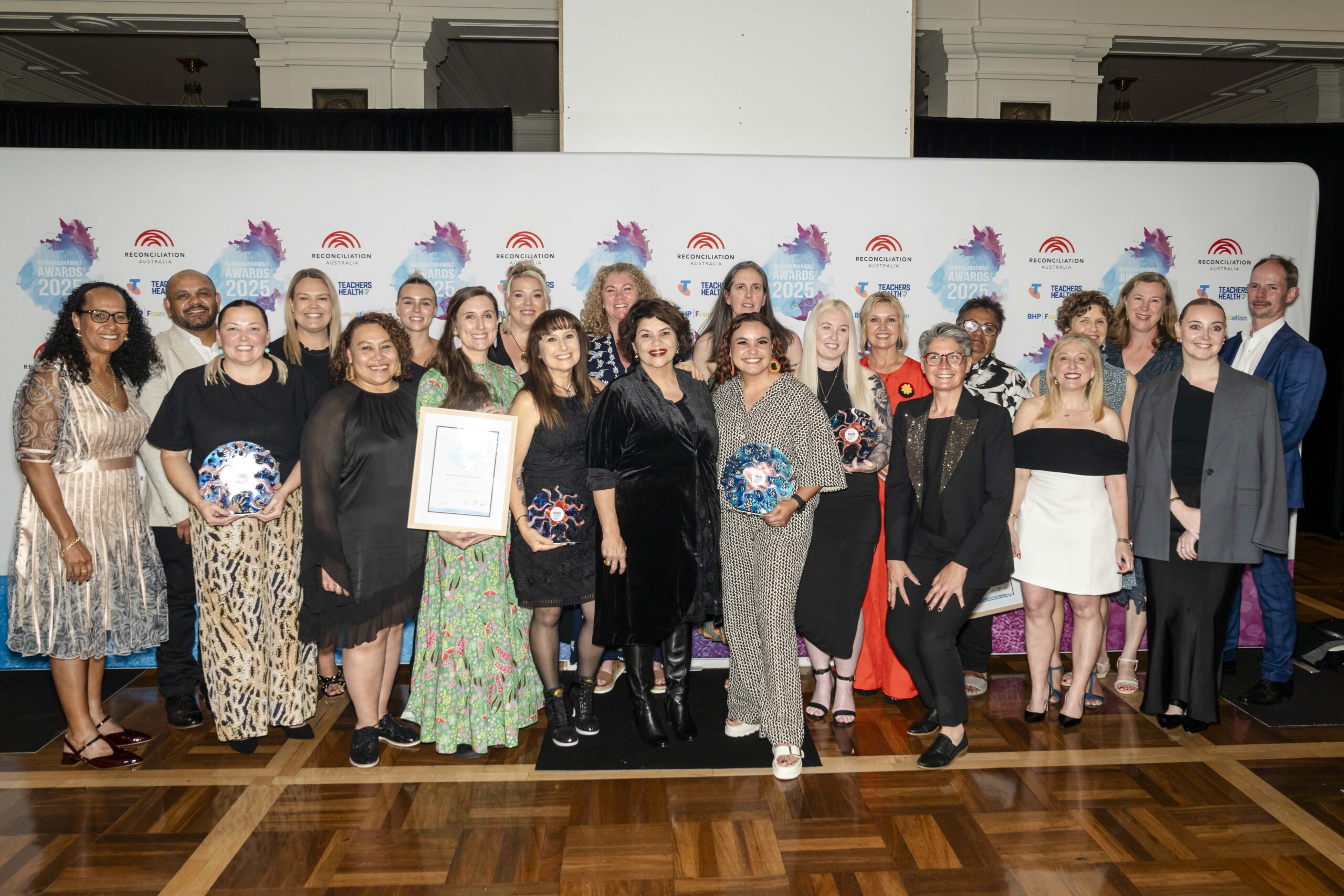
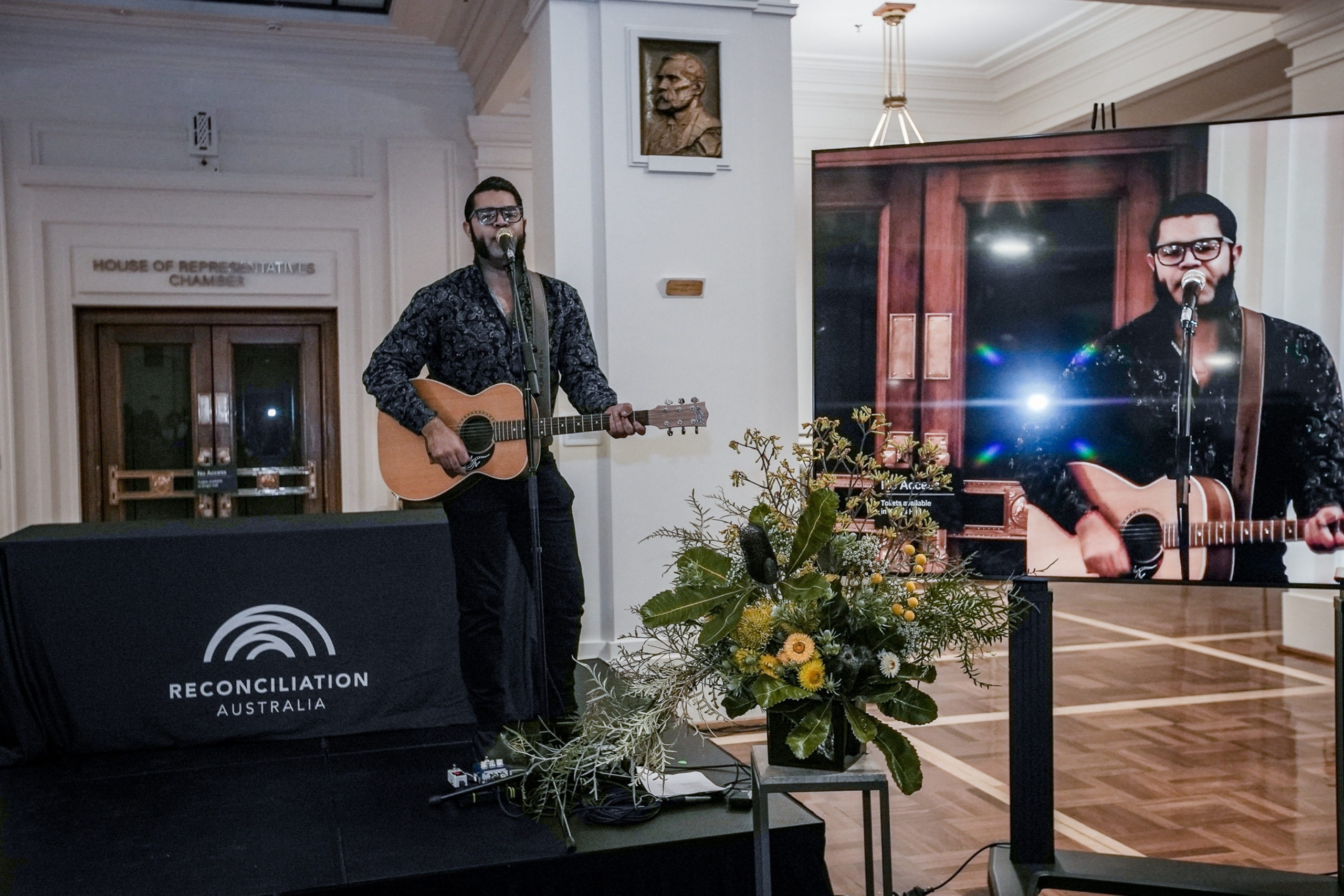
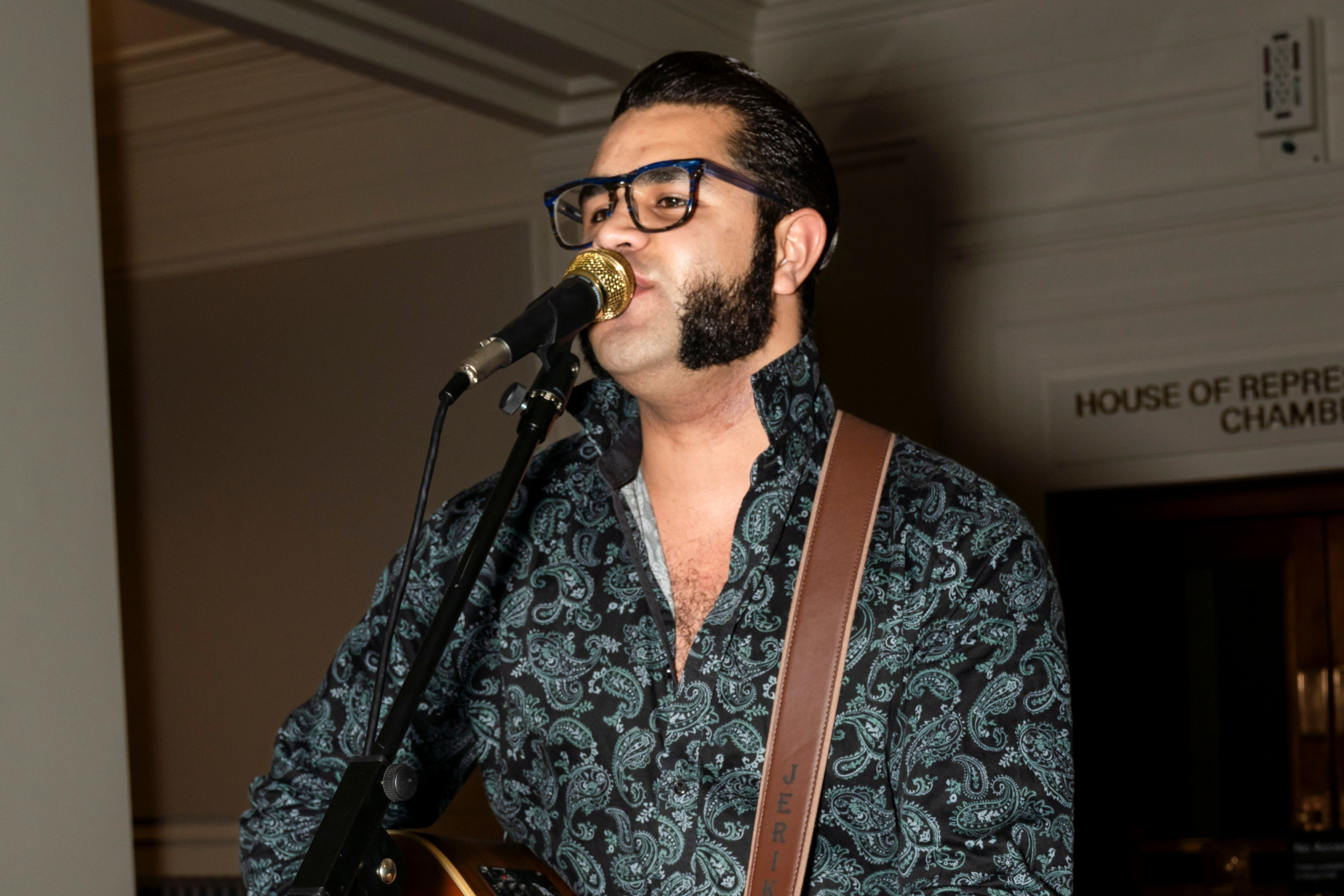
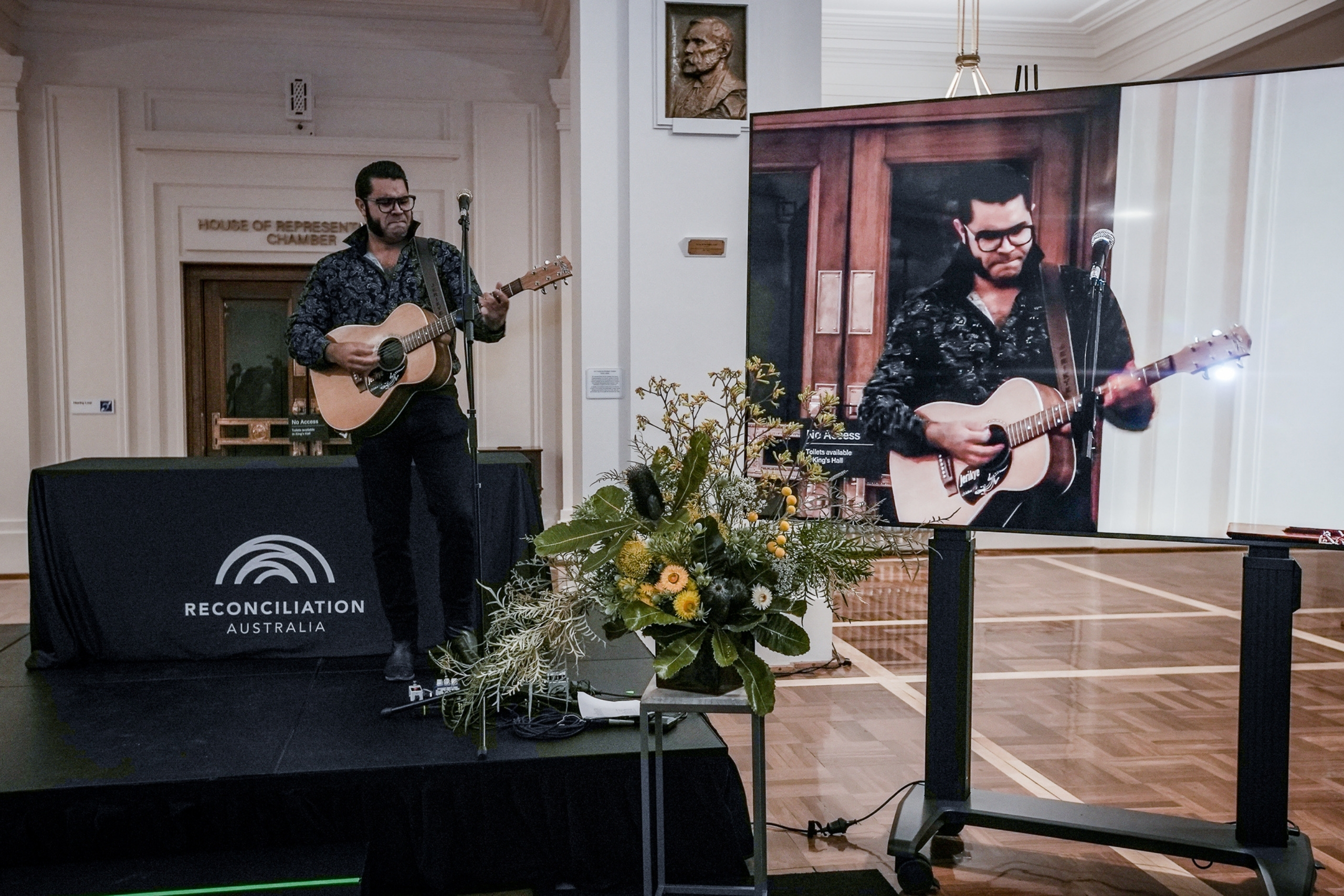
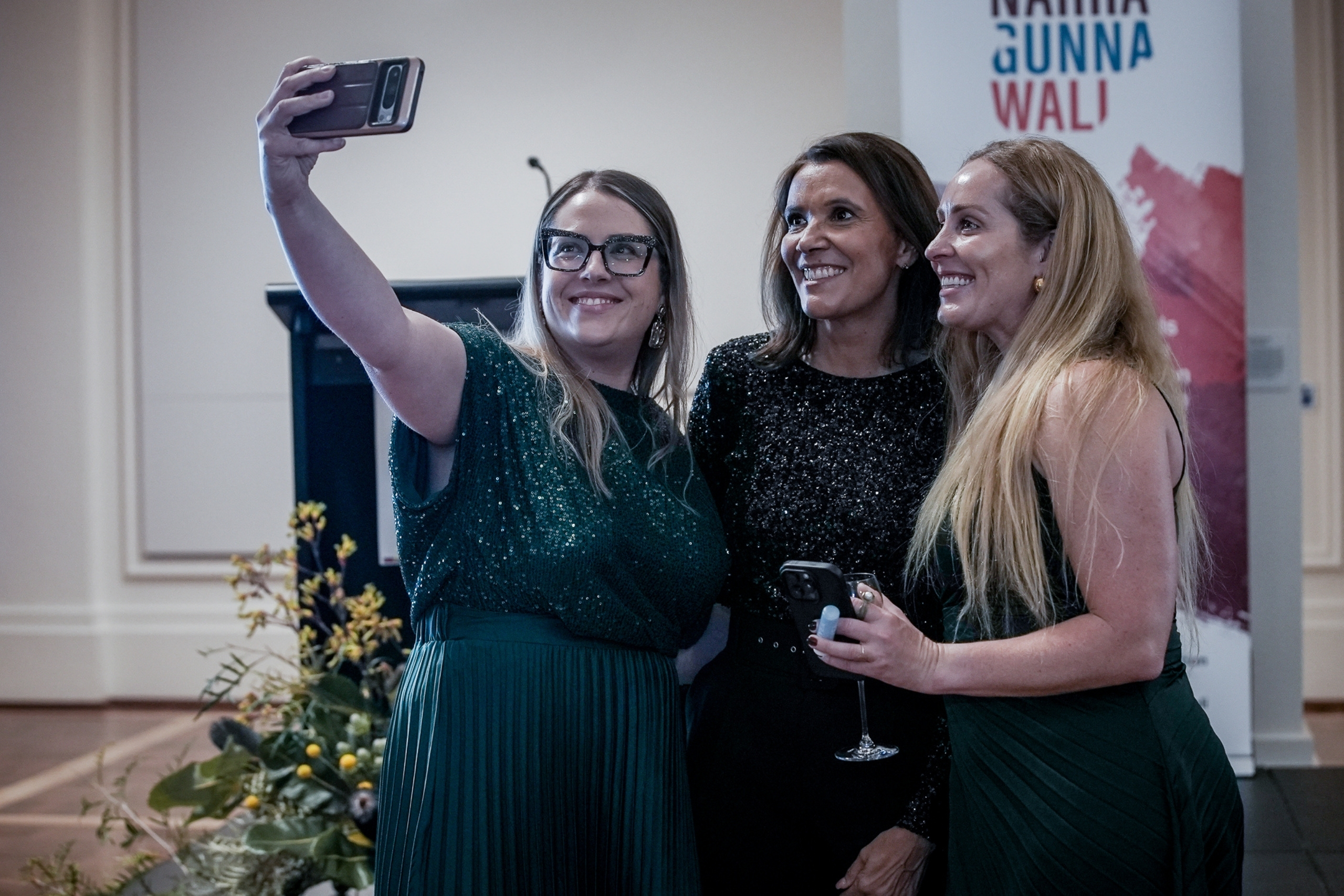
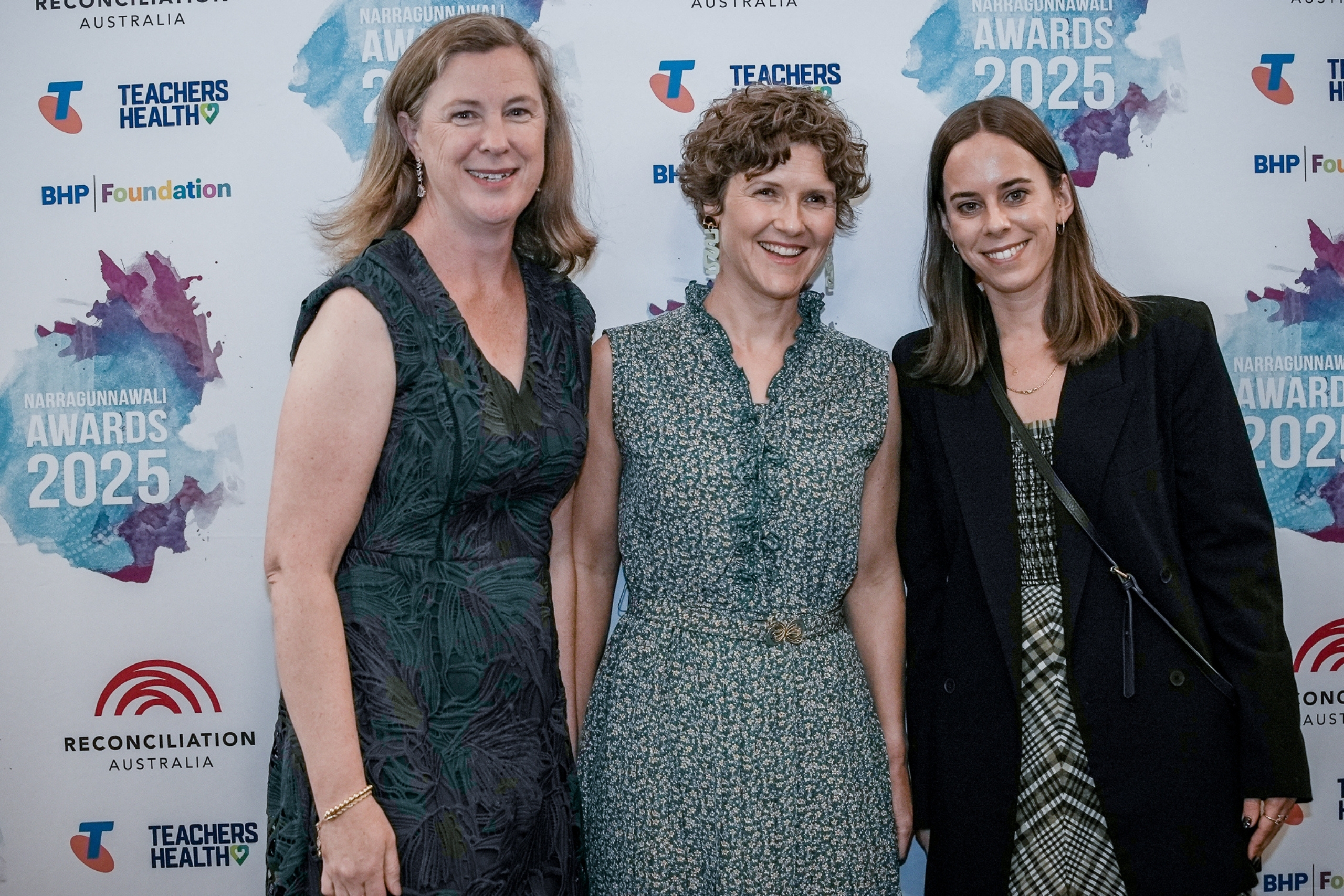
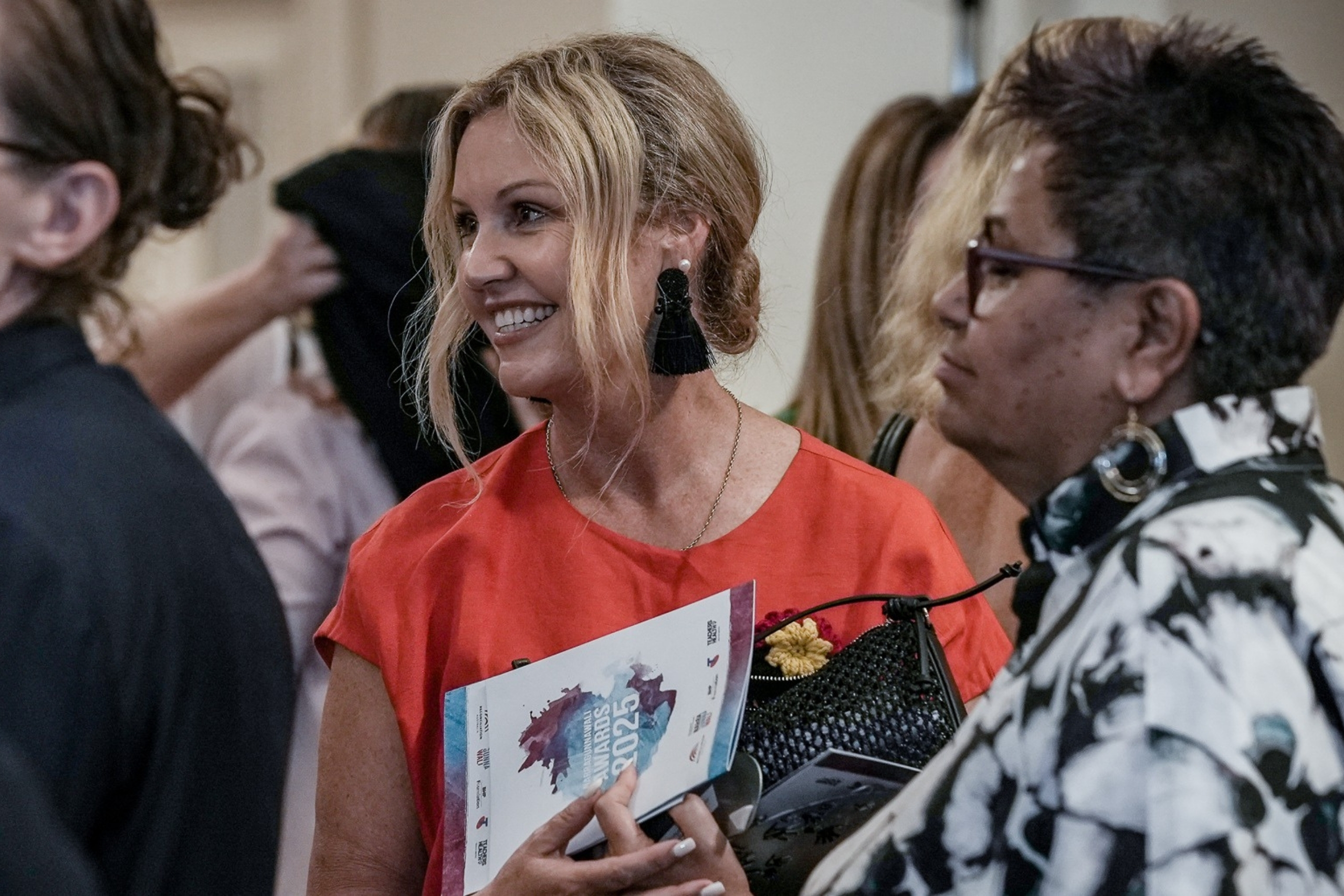
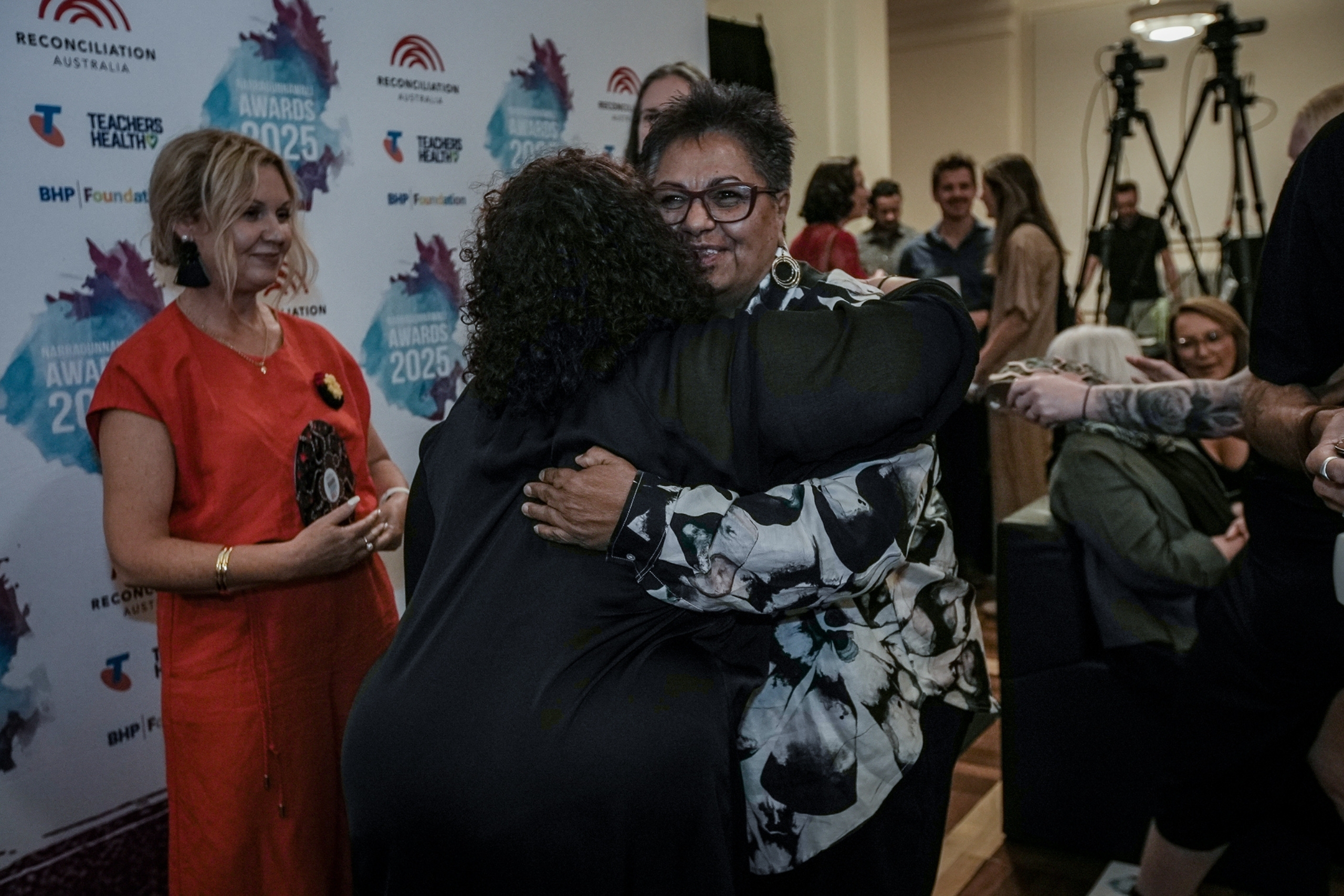
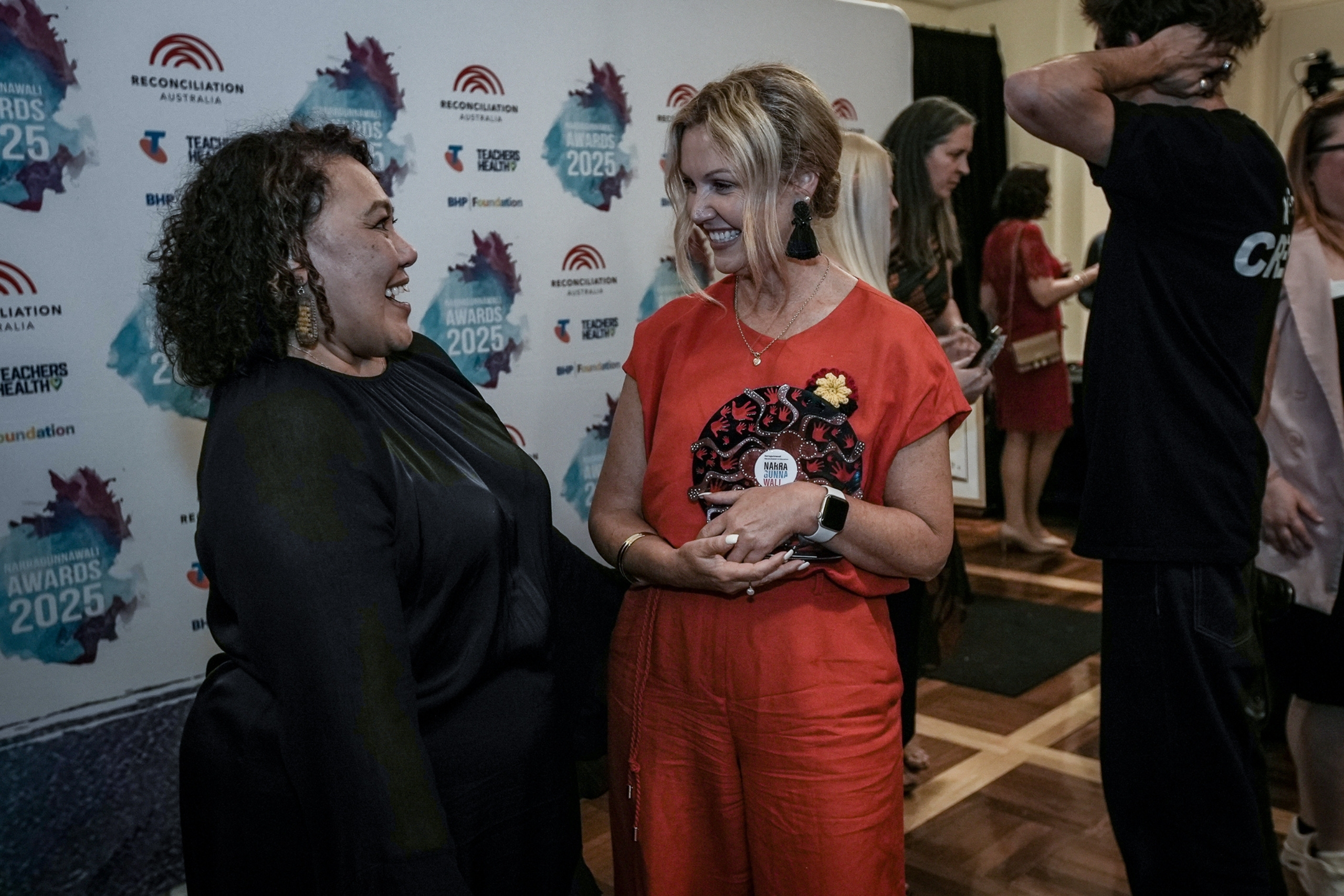
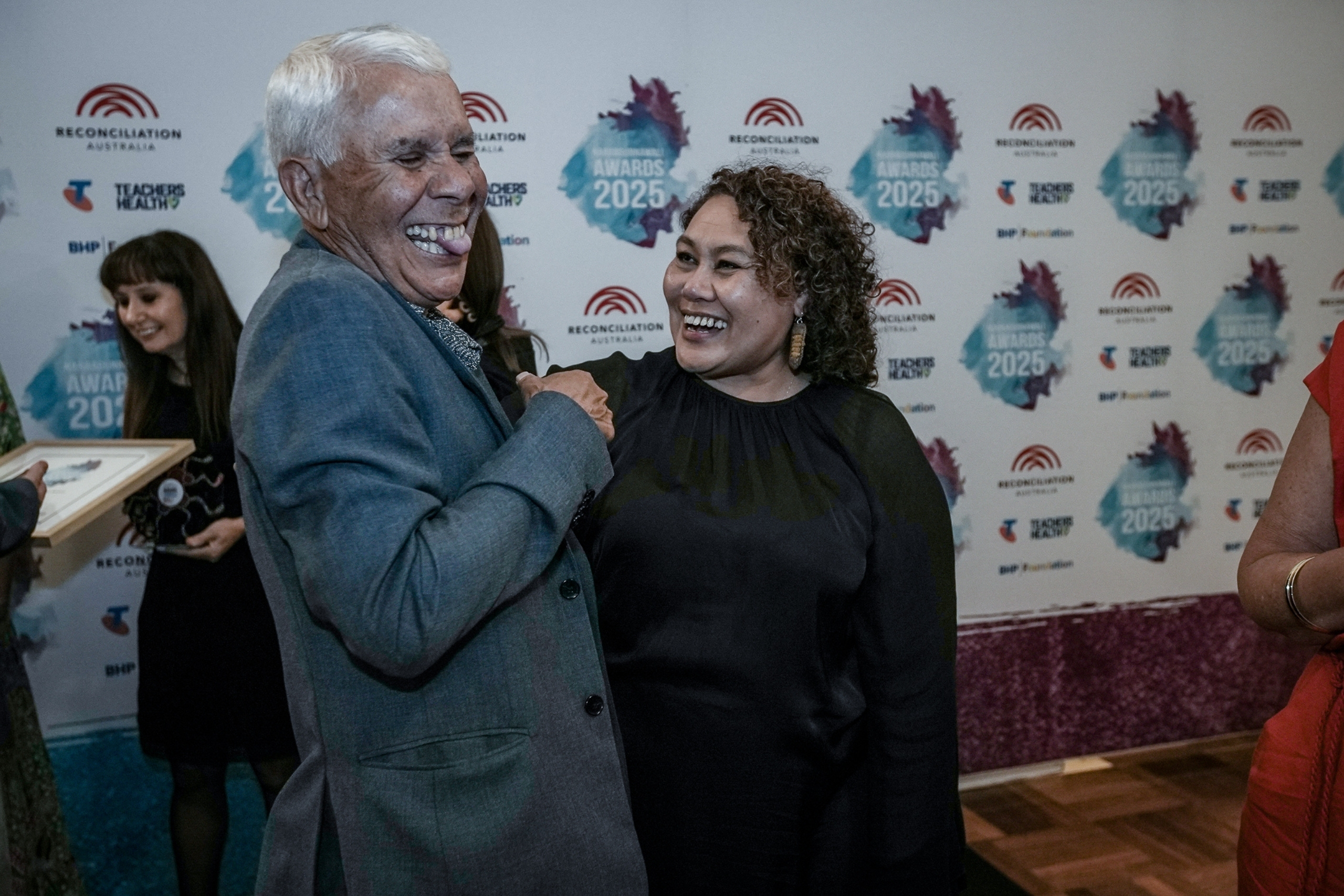
Photos from both the forum and awards presentation have been added at the link below.

When: Thursday 6 November, 9am – 8pm

Where: Museum of Australian Democracy at Old Parliament House, Ngunnawal Country, Canberra

National Reconciliation in Education Forum:
Bridging Now to Next

9am – 4pm

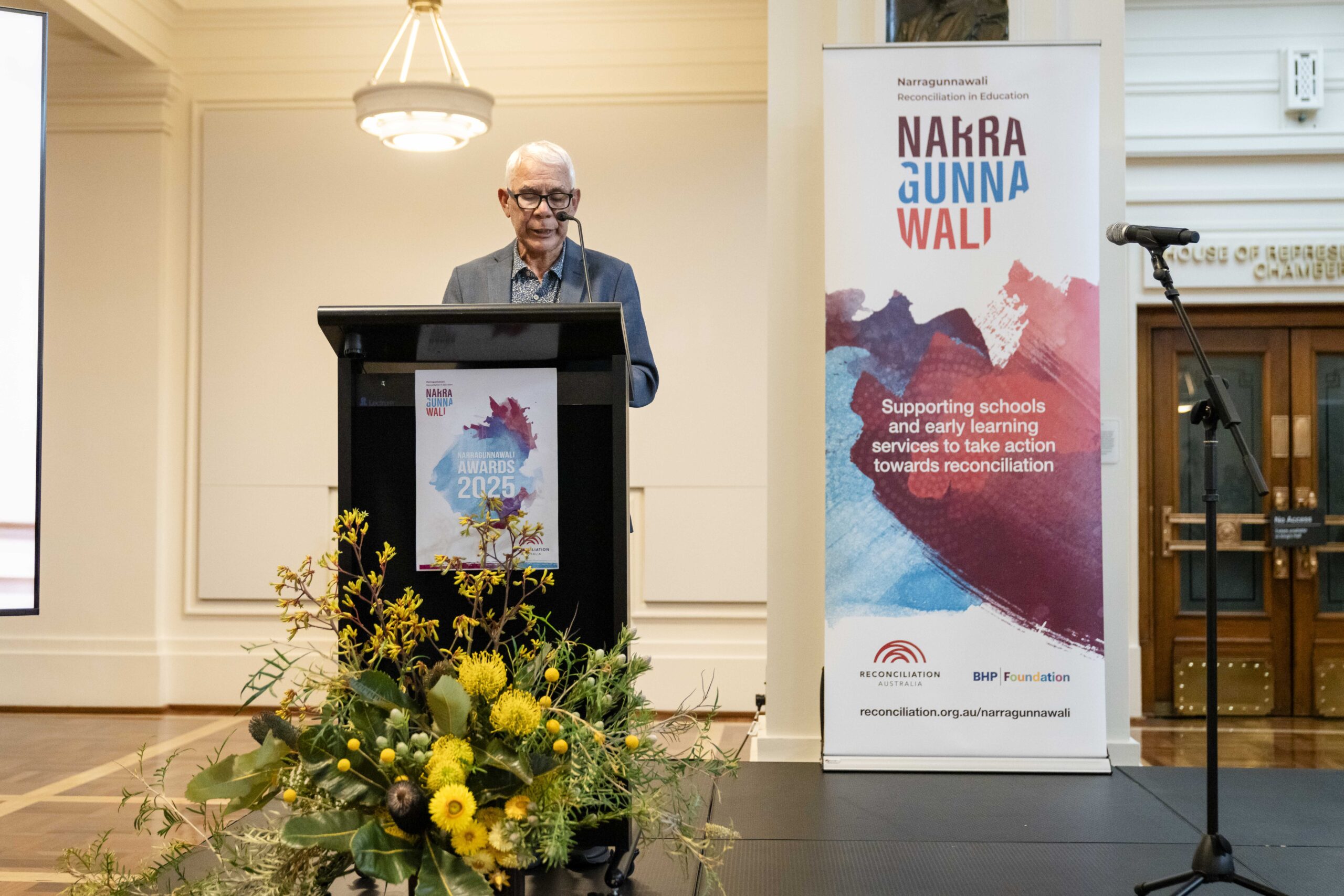
The National Reconciliation in Education Forum and Narragunnawali Awards 2025 were hosted by Shelley Ware, a proud Yankuntjatjarra and Wirangu woman and renowned educator and media presenter.

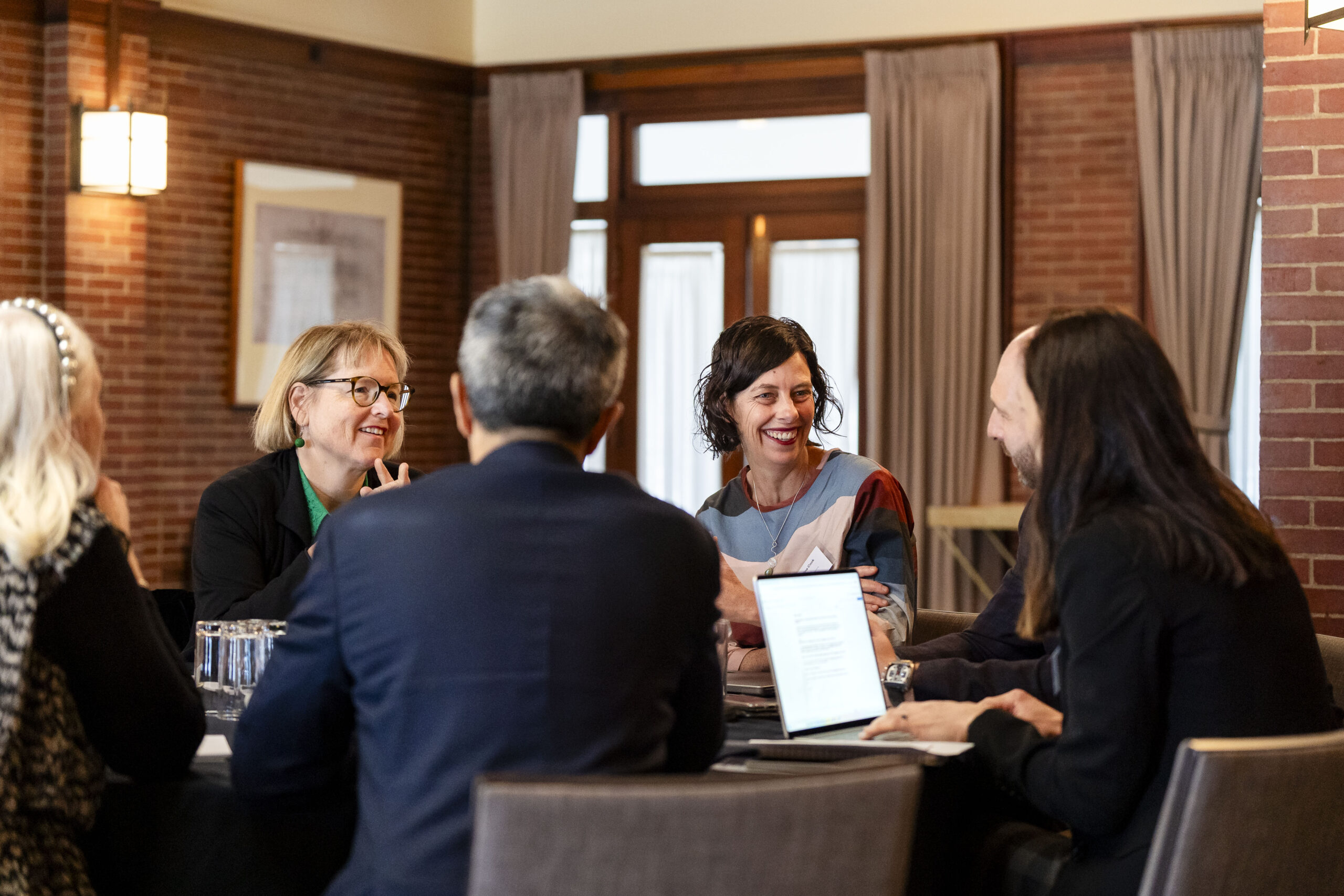
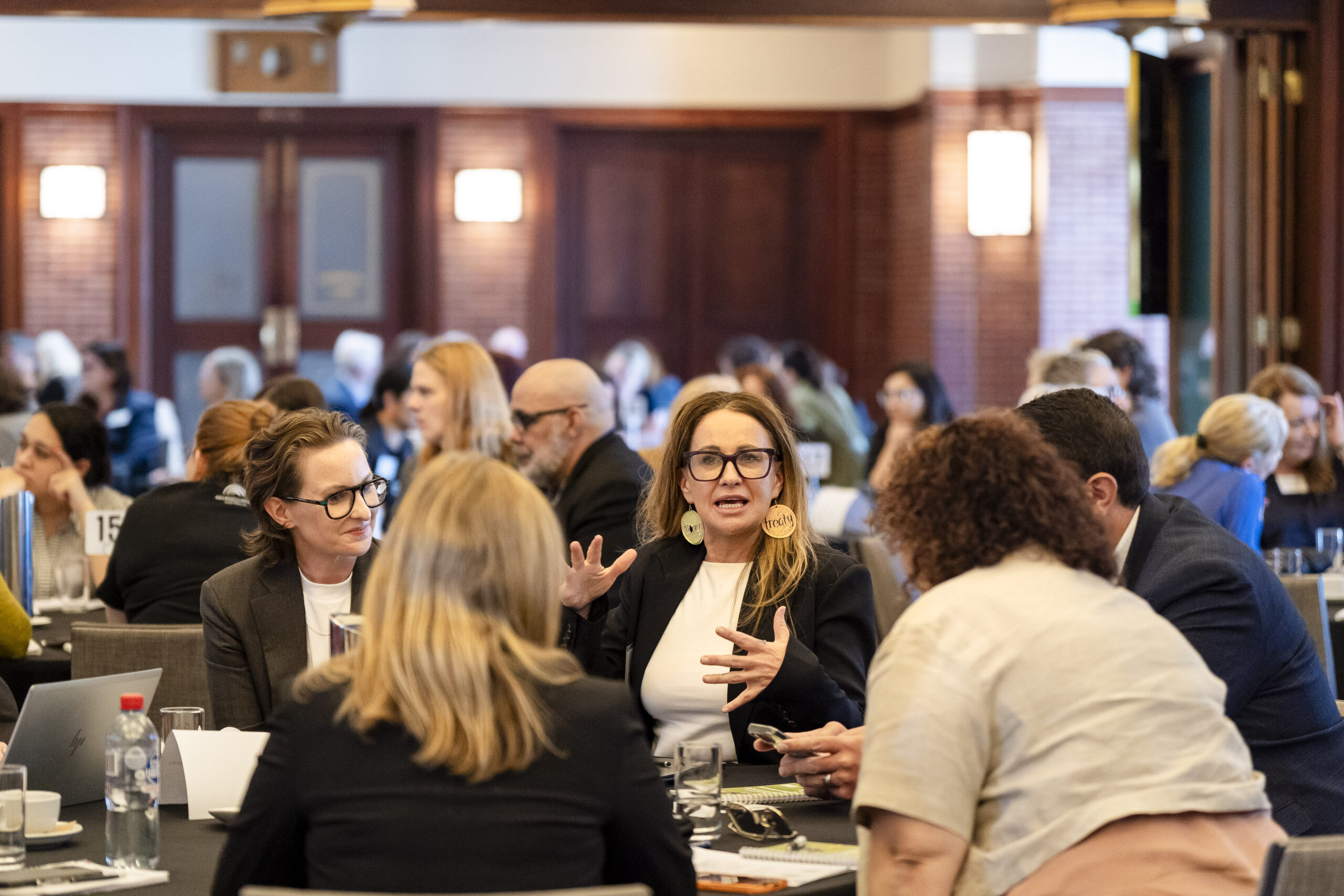
All panel sessions included facilitated table discussions and opportunities for collective reflection and sharing.

The list of resources aligned to the panel sessions and discussions is still available. This list also includes the Narragunnawali guide to using respectful and inclusive language.

The National Reconciliation in Education Forum 2025 was proudly supported by BHP Foundation.

Forum program

Welcome to Country

Reconciliation Australia CEO Welcome
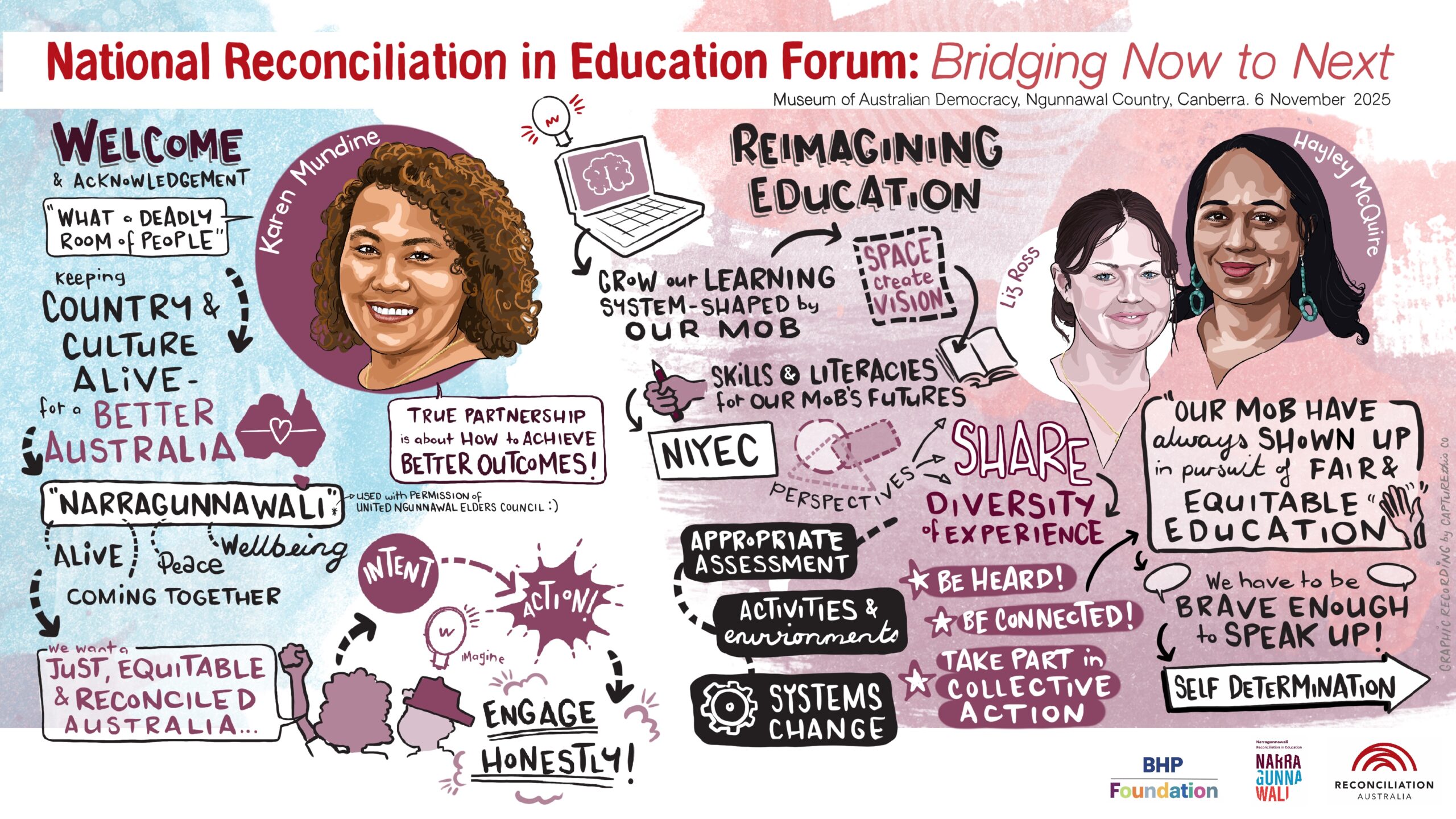
Karen Mundine

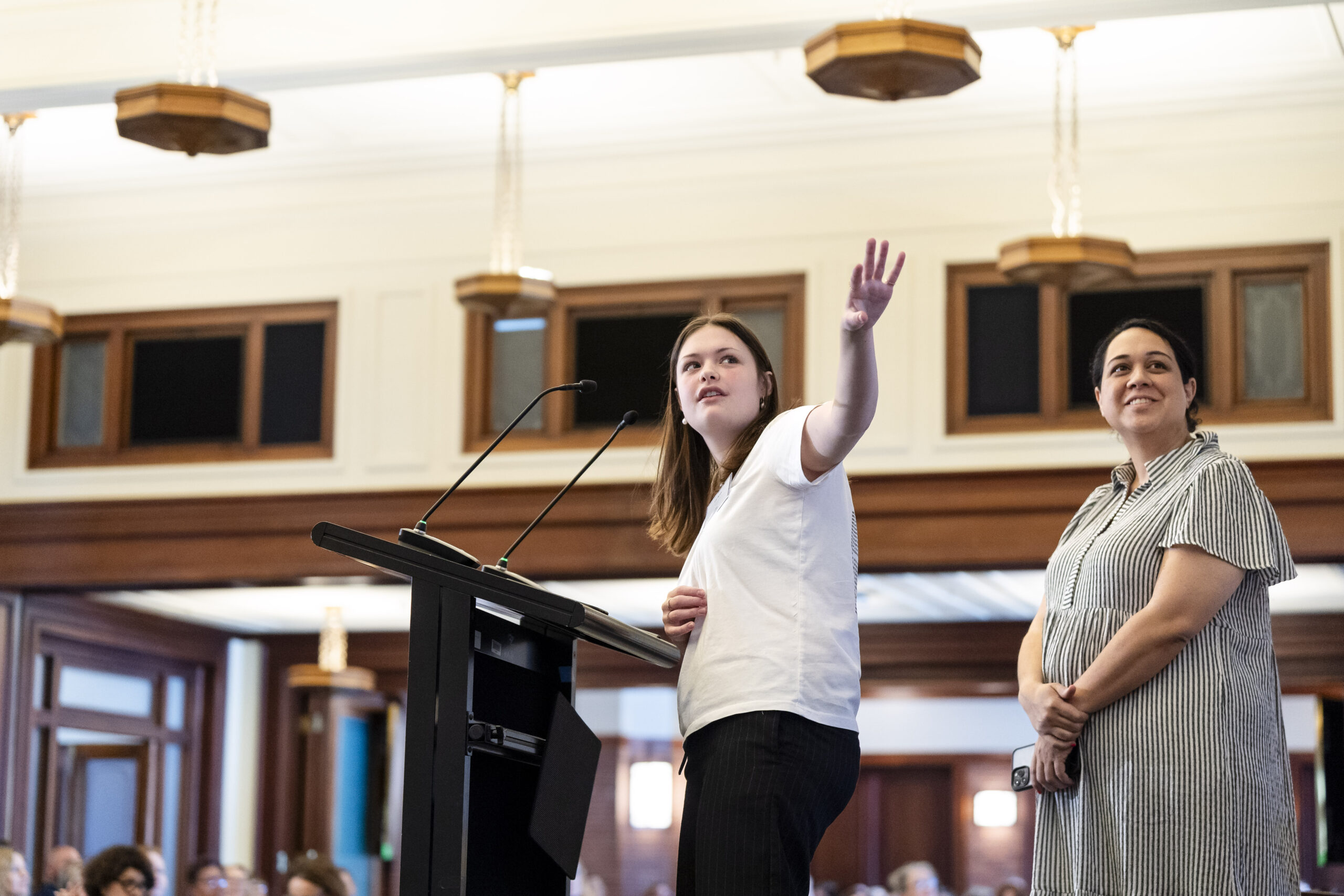
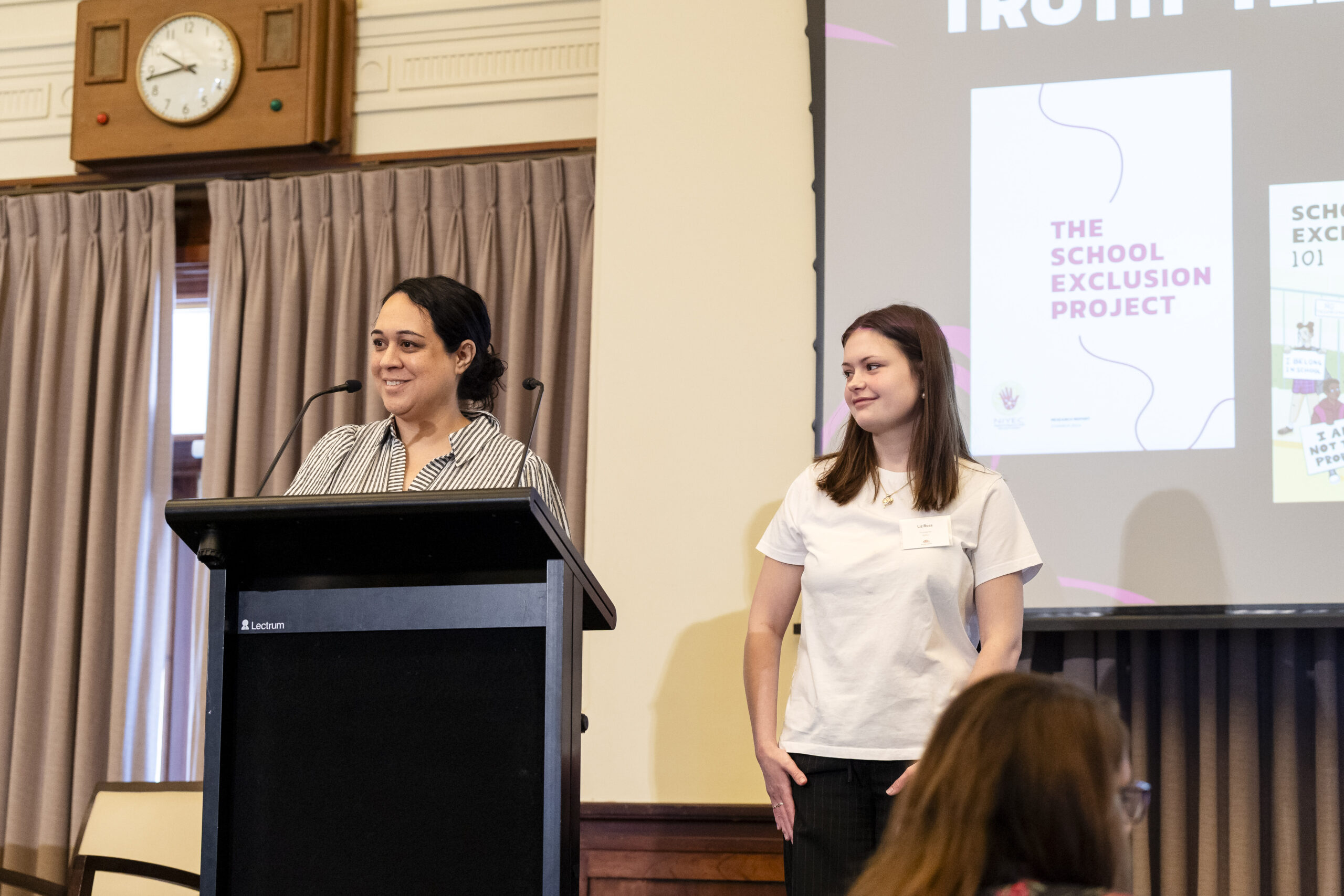
Keynote: Reimagining Education

A new collective vision for transformed education systems grounded in First Nations self-determination must be driven by Aboriginal and Torres Strait Islander student voice and agency. How do we ensure Aboriginal and Torres Strait Islander youth are included in the decisions made about their education and education systems?

Hayley McQuire and Liz Ross

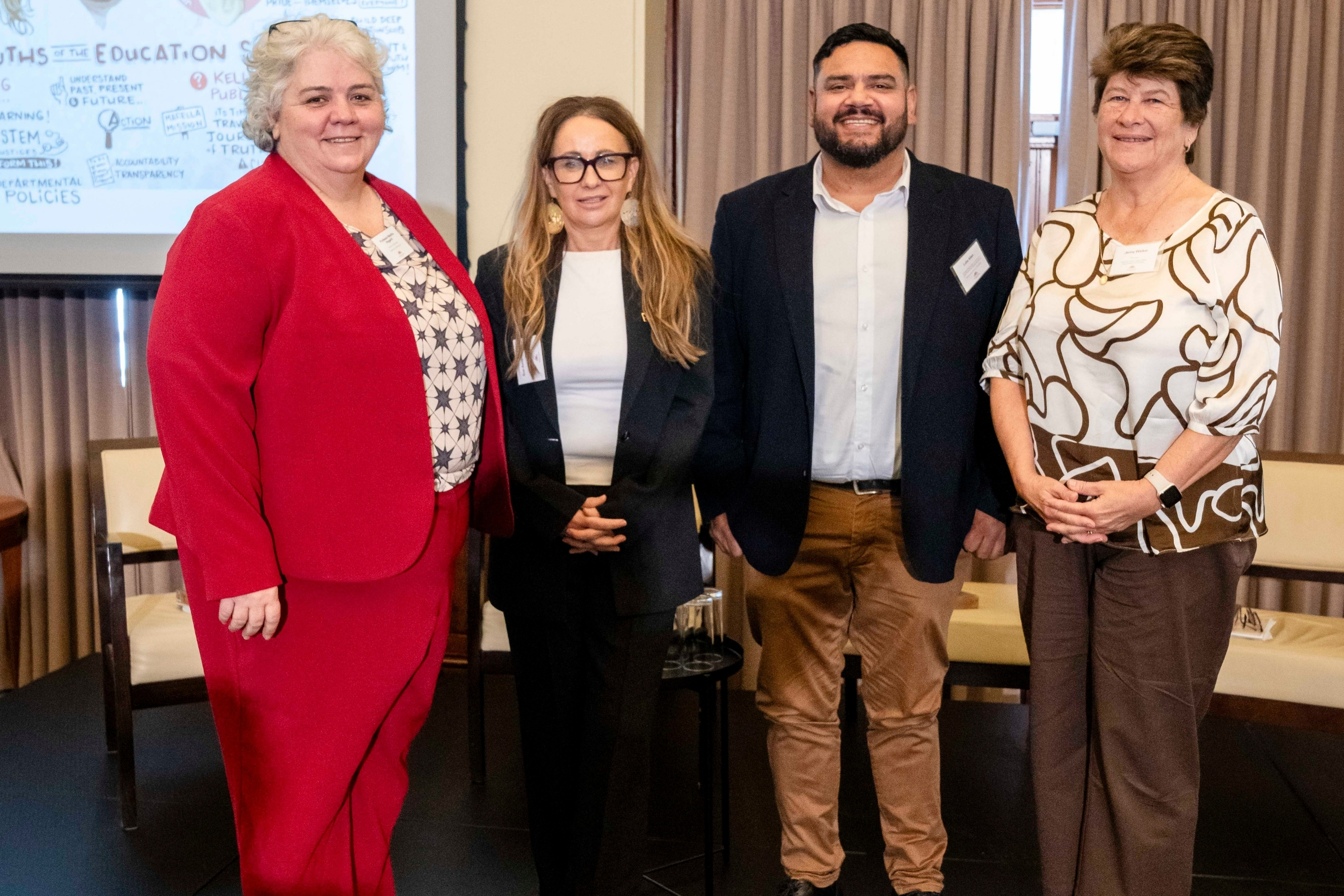
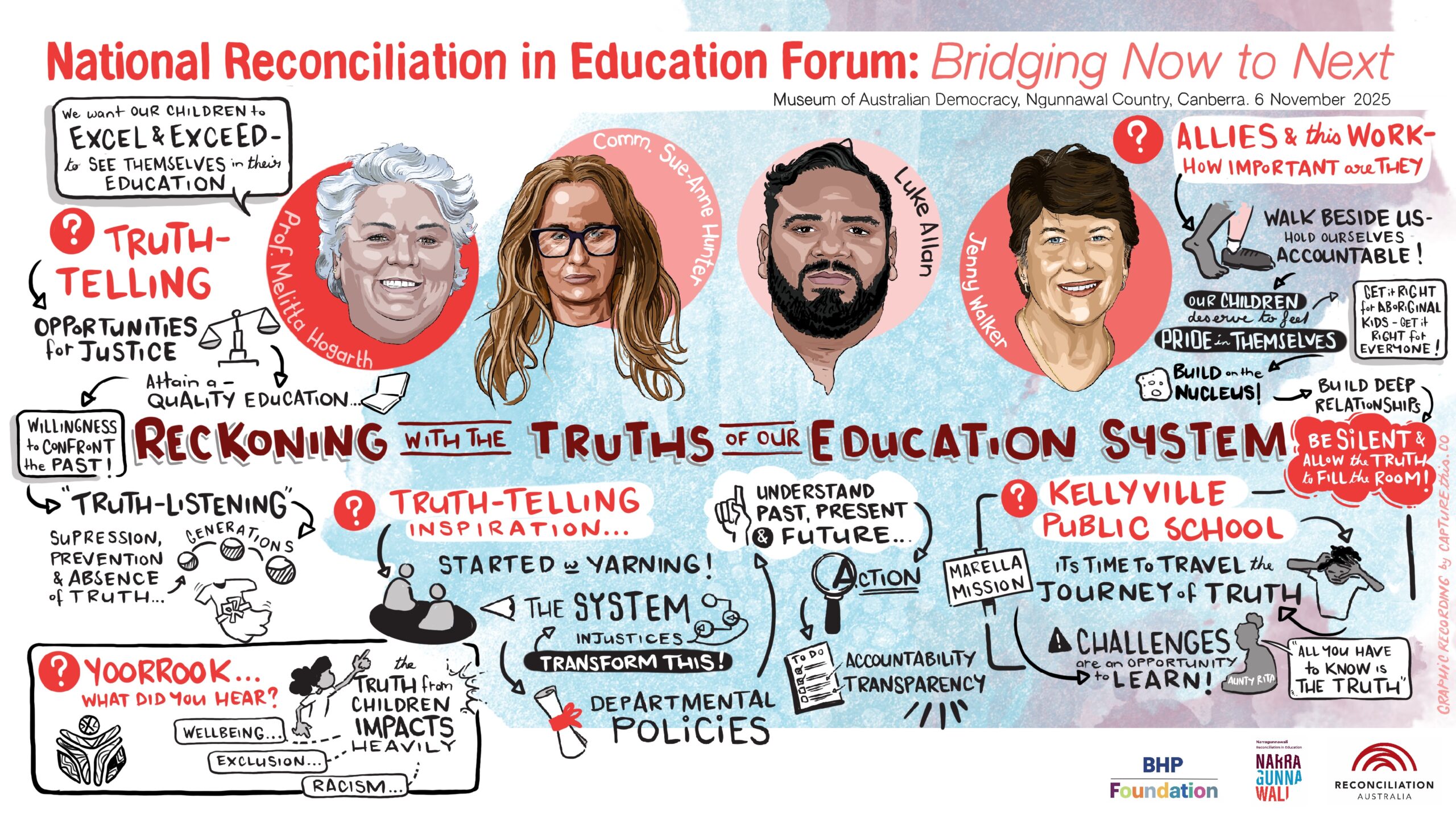
Panel Session 1: Reckoning with the Truths of our Education System

A conversation on how First Nations led, place-based truth-telling can help transform education systems shaped by colonial histories into pathways for reconciliation. 

Jenny Walker, Luke Allan, Prof Melitta Hogarth, Cmm Sue-Anne Hunter

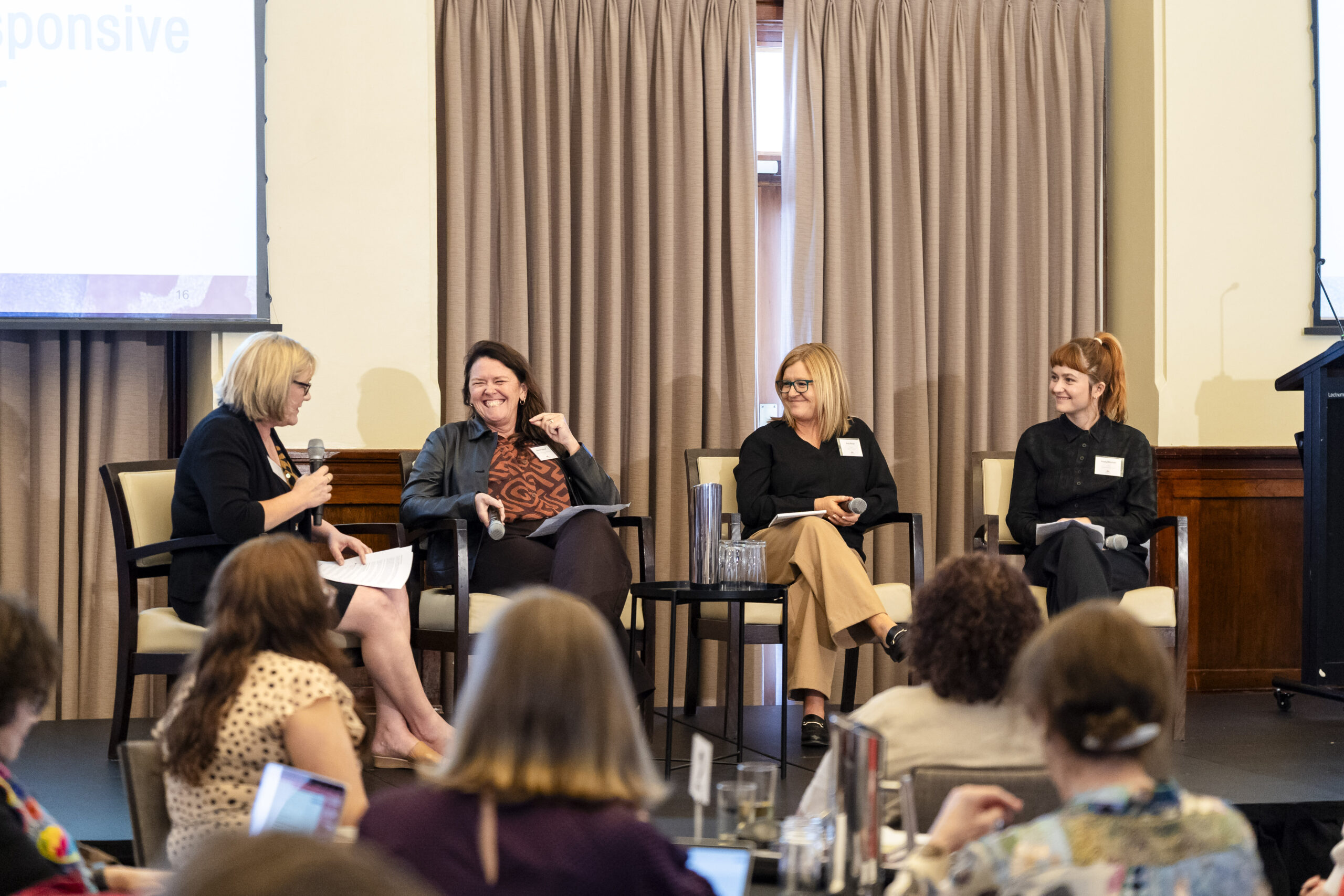
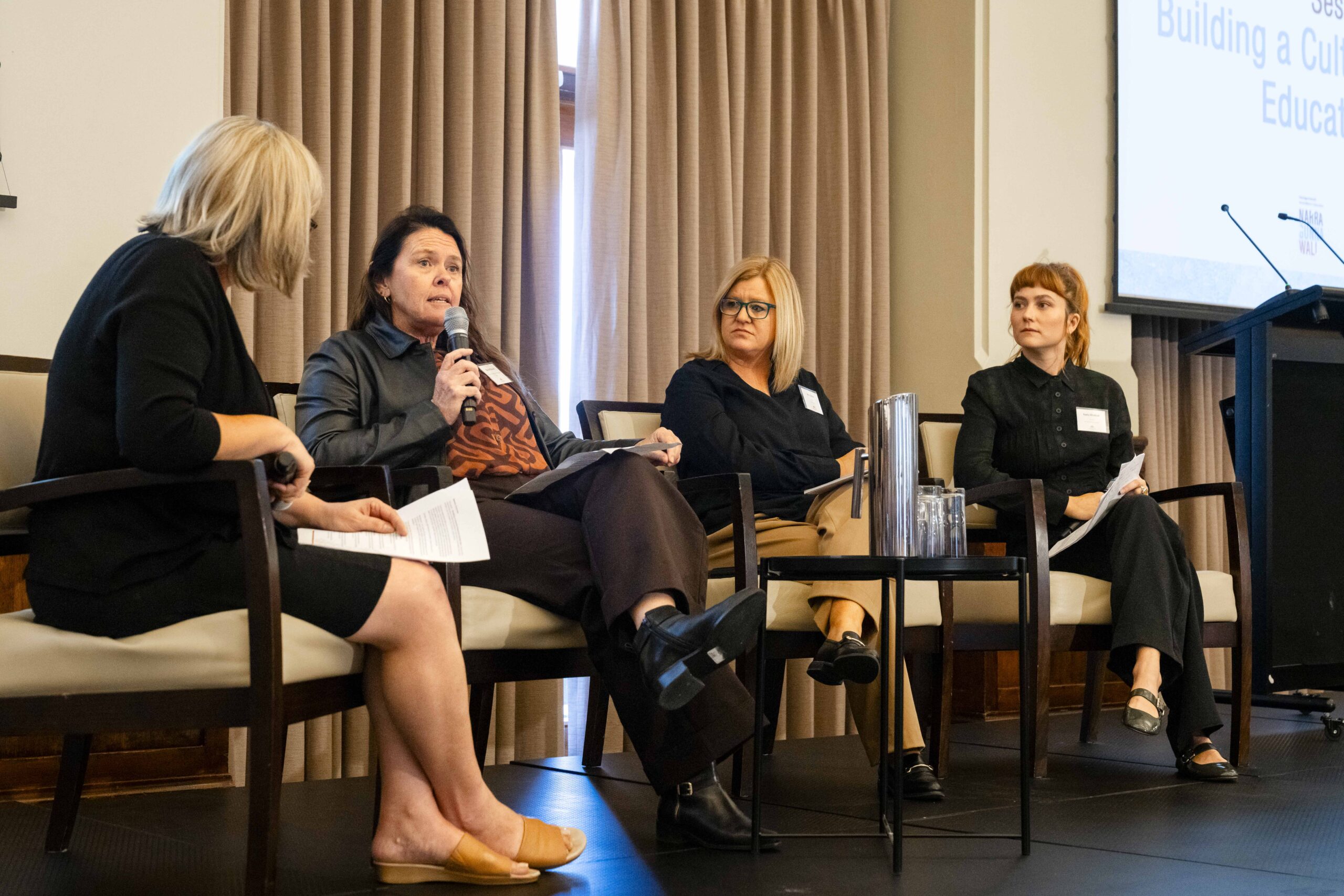
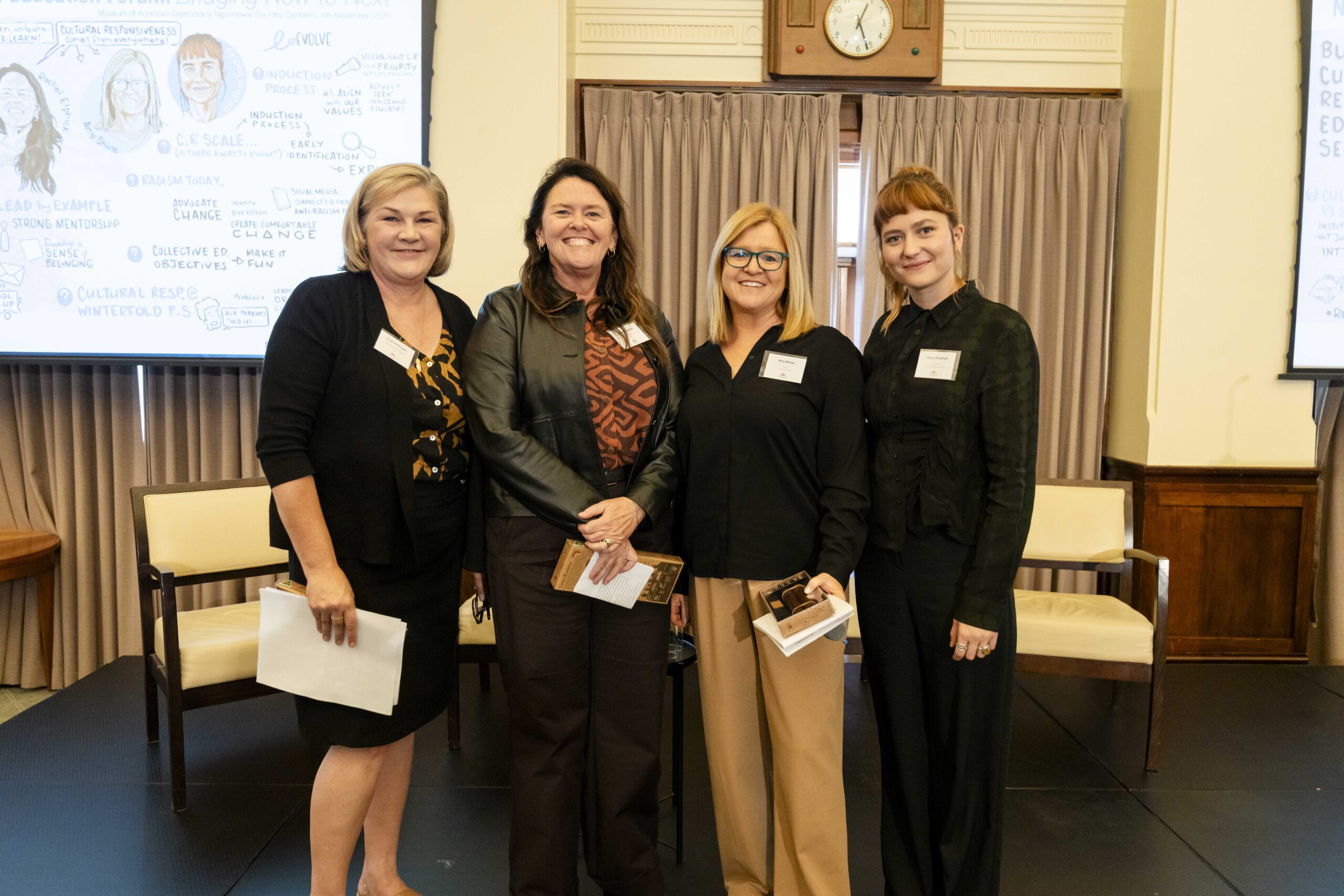
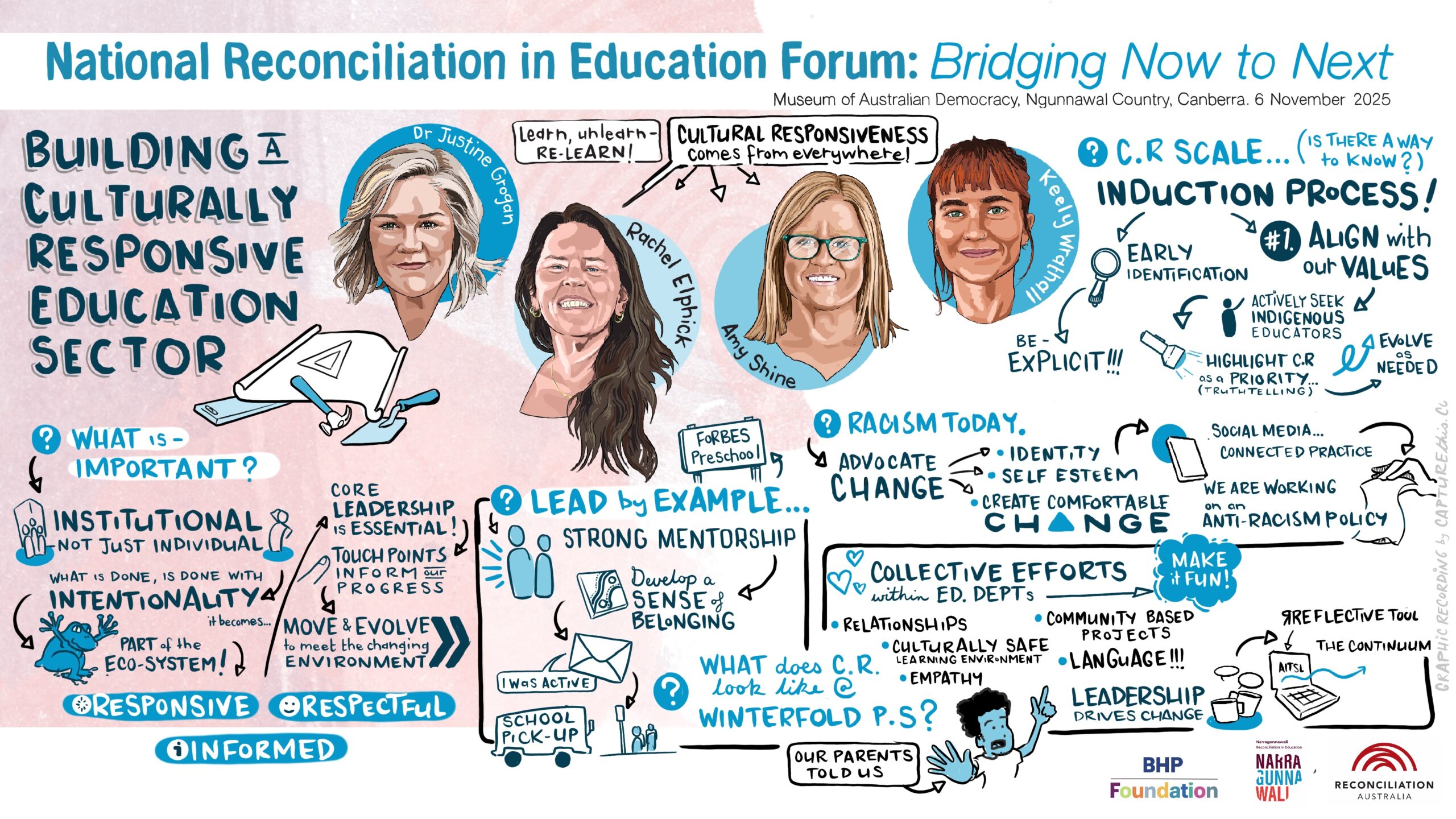
Panel Session 2: Building a Culturally Responsive Education Sector

Examining how cultural responsiveness is shaping expectations and practices across education, and what it takes to embed it as a foundation for inclusive, quality learning.

Amy Shine, Dr Justine Grogan, Keely Wrathall, Rachel Elphick

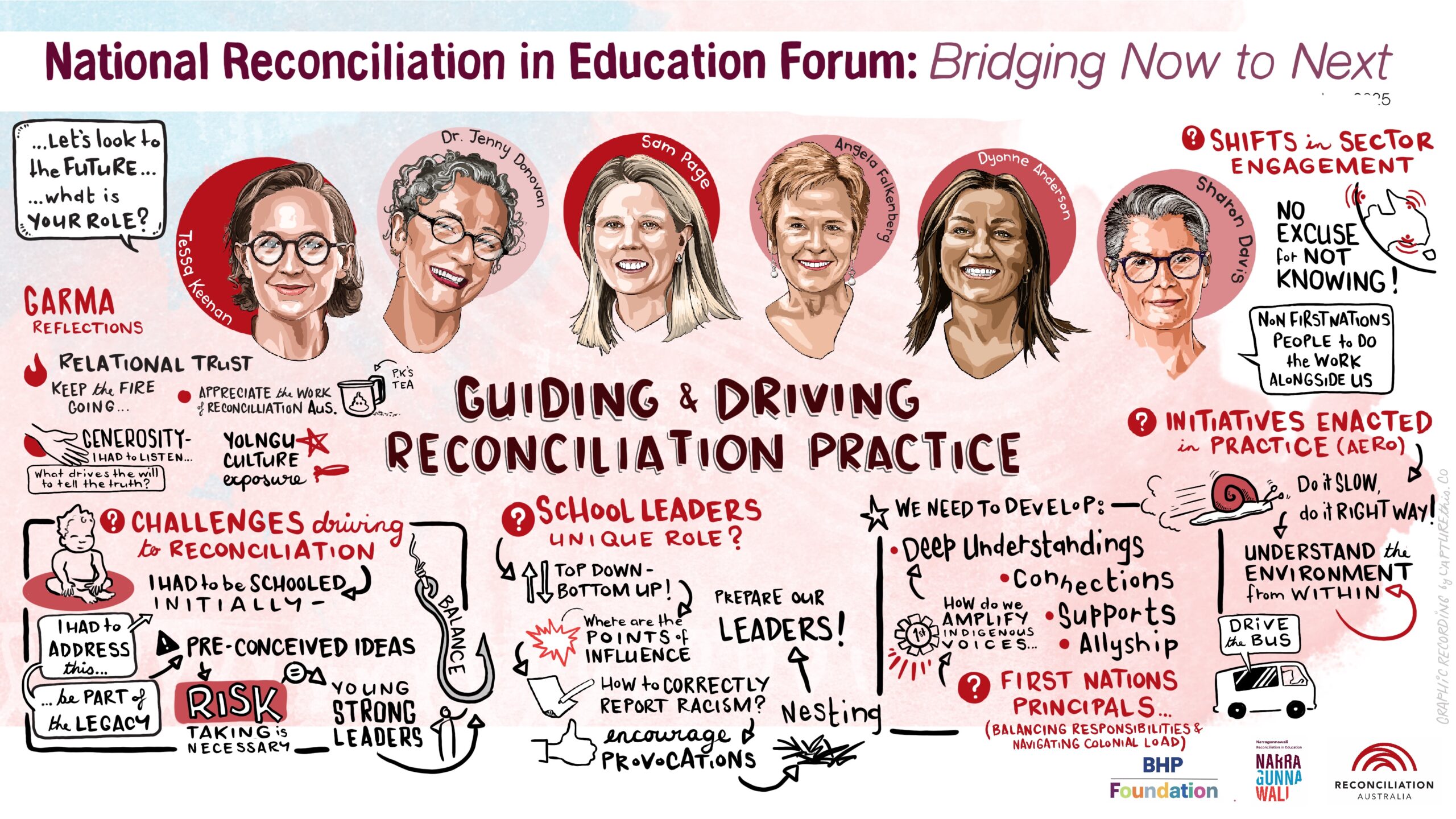
Panel Session 3: Guiding and Driving Reconciliation Practice

Unpacking the shared responsibilities of reconciliation in education – when non-Indigenous educators must step up to lead change, and when they must step aside to centre First Nations voices and self-determination.

Angela Falkenberg, Dyonne Anderson, Dr Jenny Donovan, Sam Page, Sharon Davis, Tessa Keenan

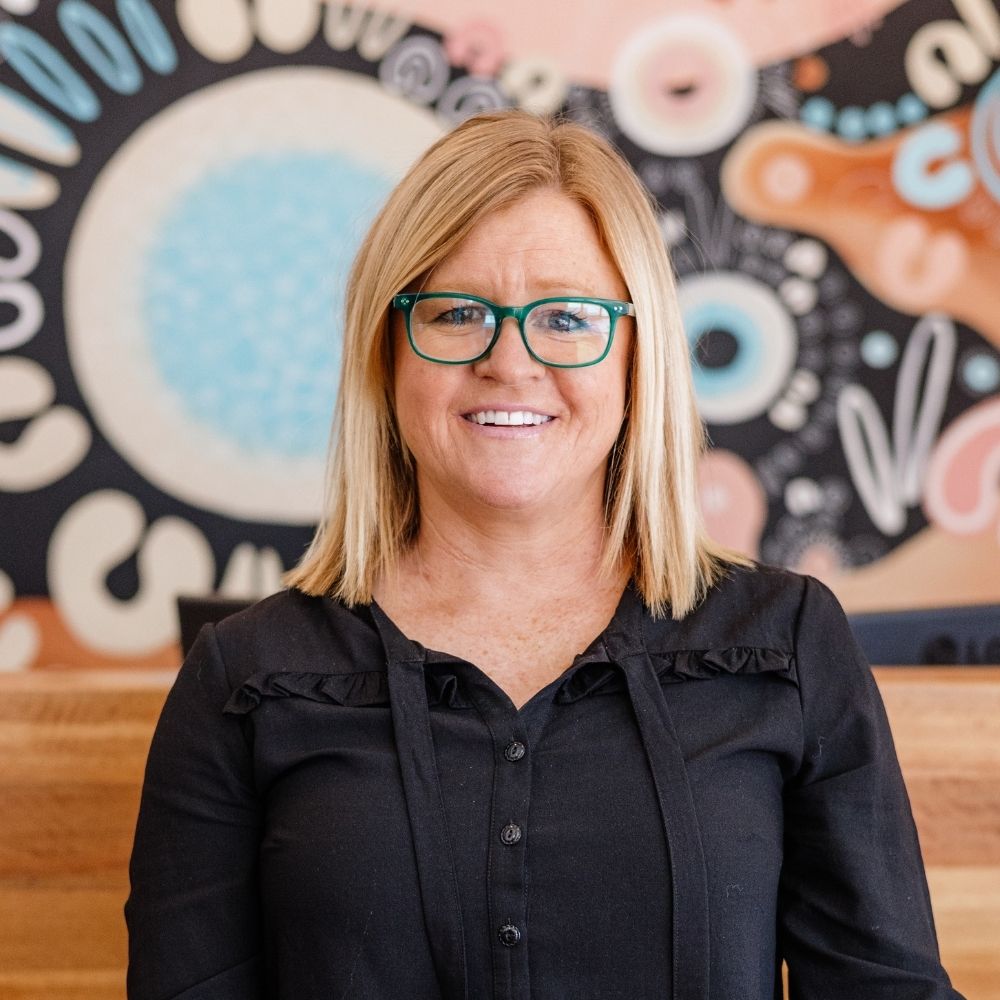
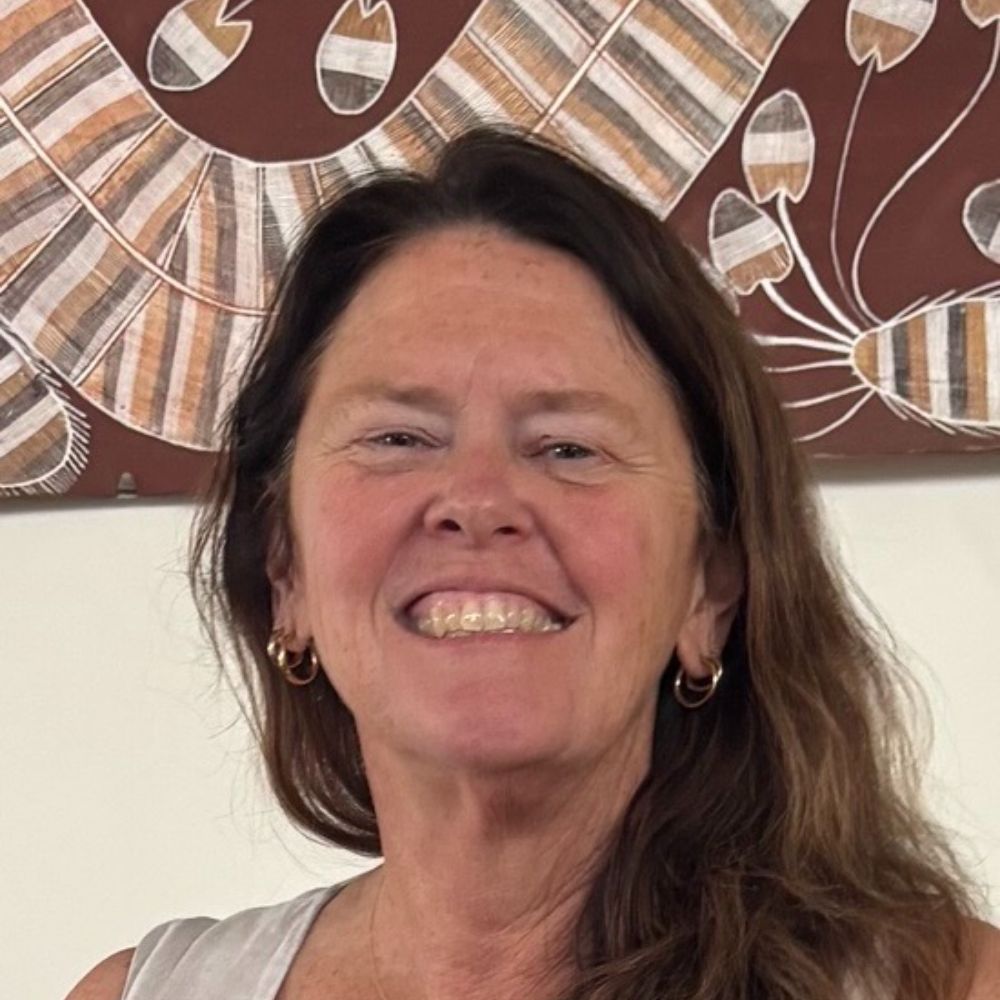
Amy Shine

Amy is a dedicated early educator with over 25 years experience working in rural and remote communities. She is currently Director of Forbes Preschool, winners of the Early Learning category in the Narragunnawali Awards 2019.

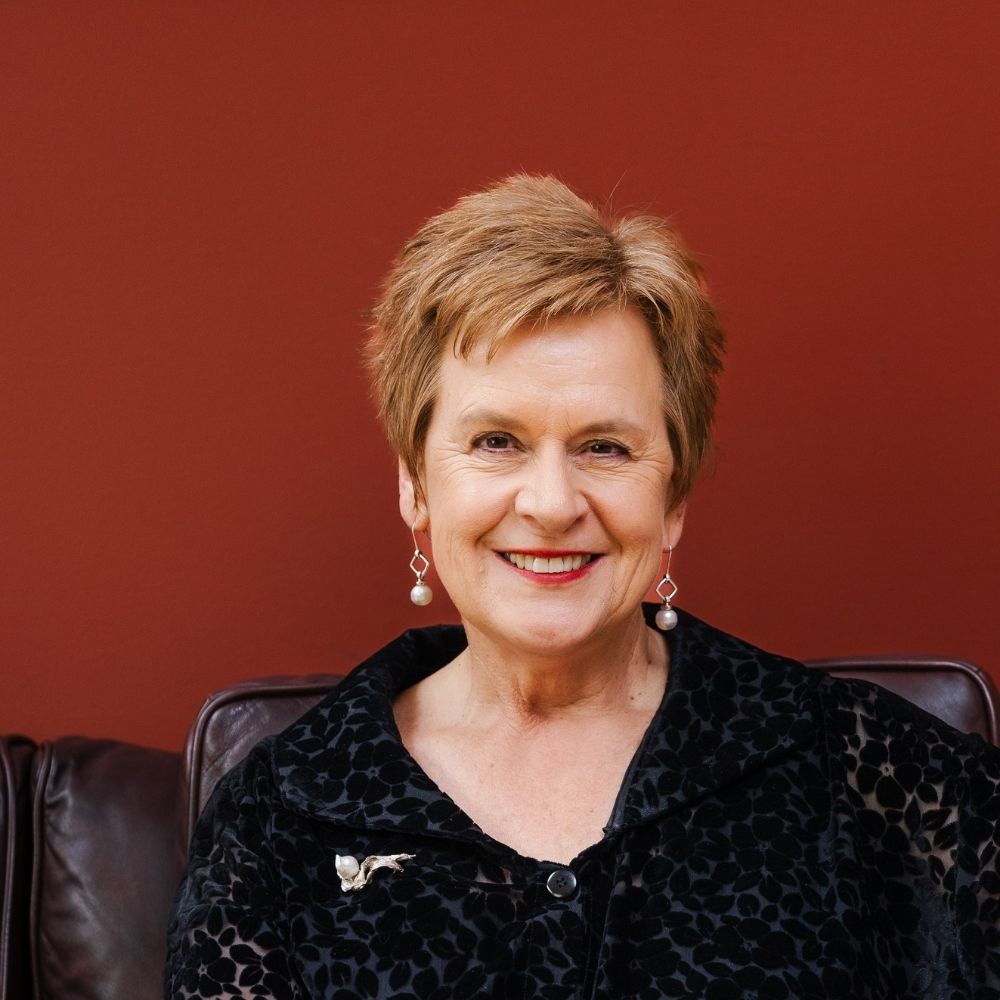
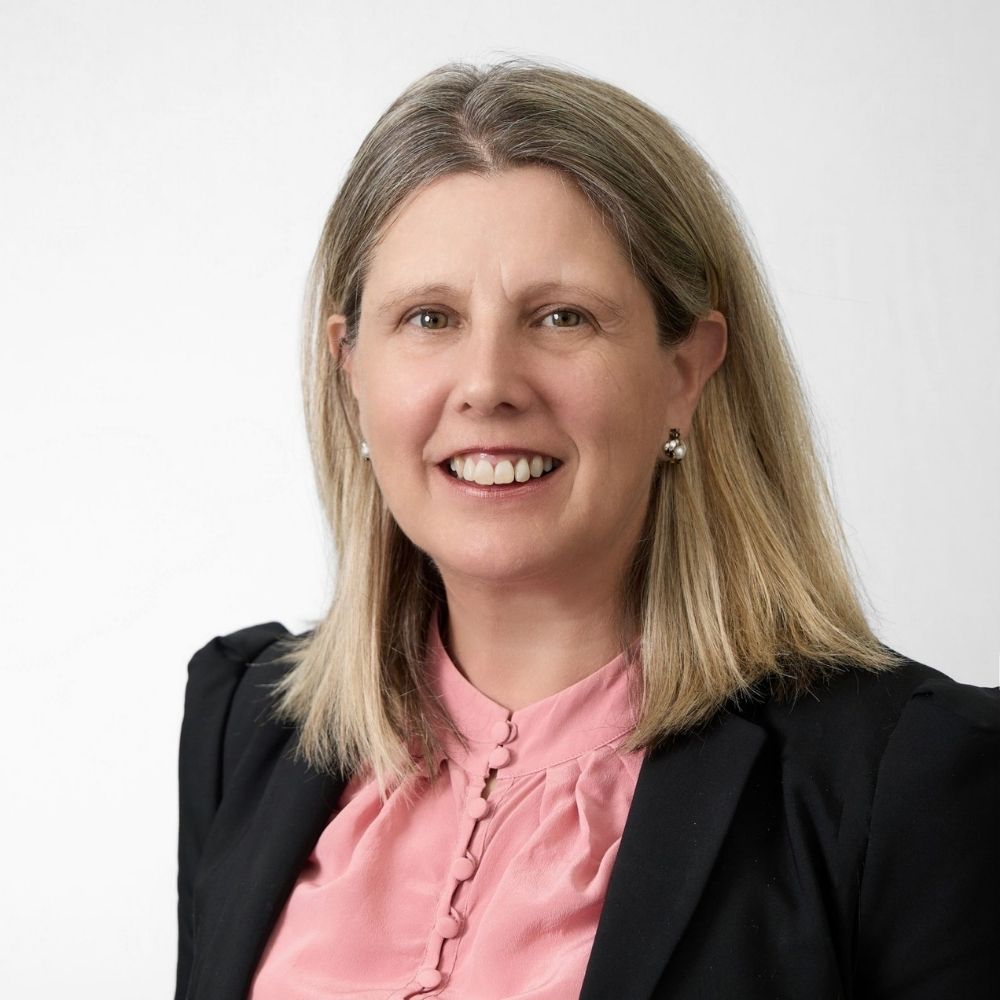
Angela Falkenberg

Angela Falkenberg is President of the Australian Primary Principals Association and a nationally recognised leader in education.

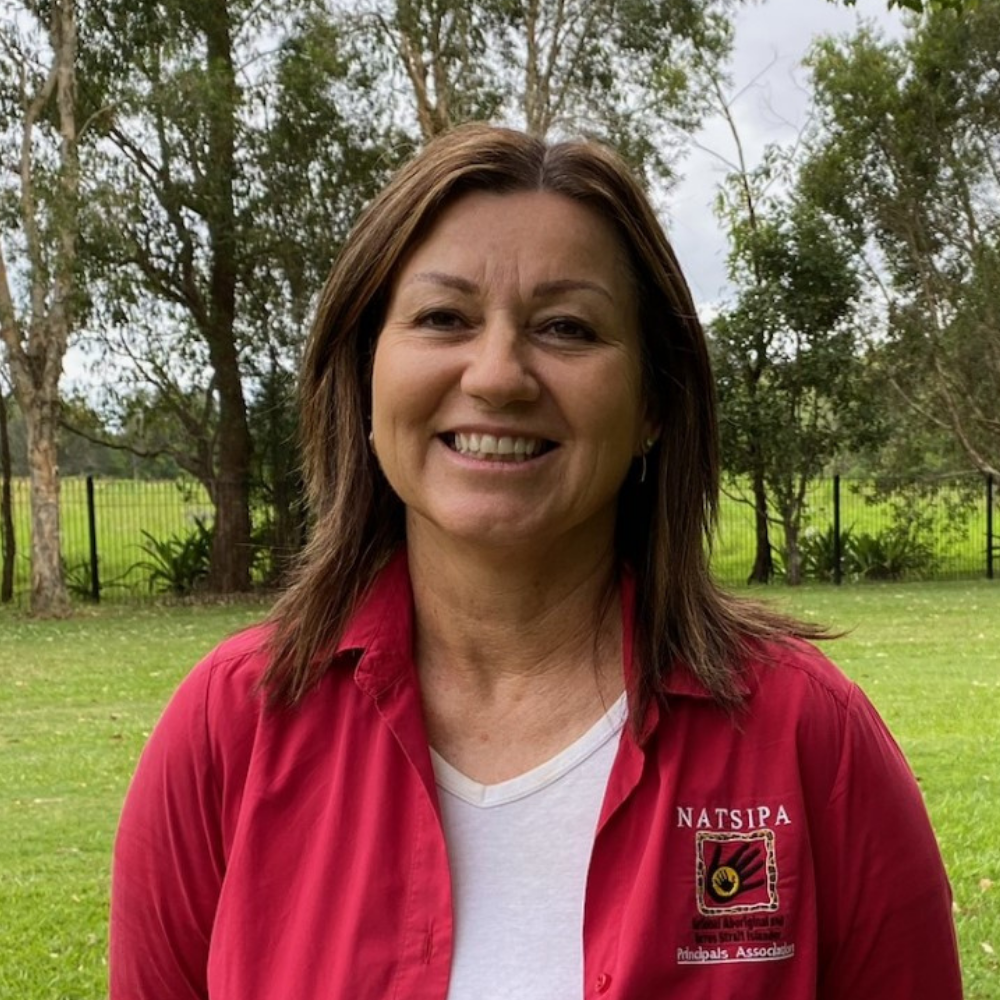
Dyonne Anderson

Dyonne Anderson is a proud Githabal woman with over 30 years experience in the NSW Department of Education. She is the president of the National Aboriginal and Torres Strait Islander Principals’ Association (NATSIPA).

Hayley McQuire

Hayley McQuire is a Darumbal and South Sea Islander woman born and raised in Rockhampton, Central Queensland. She is the co-founder and CEO of the National Indigenous Youth Education Coalition (NIYEC).

Dr Jenny Donovan

Dr Jenny Donovan is the inaugural CEO of the Australian Education Research Organisation (AERO).

Jenny Walker

Jenny has over 42 years with the NSW Department of Education and is the principal at Kellyville Public School on Dharug Country.

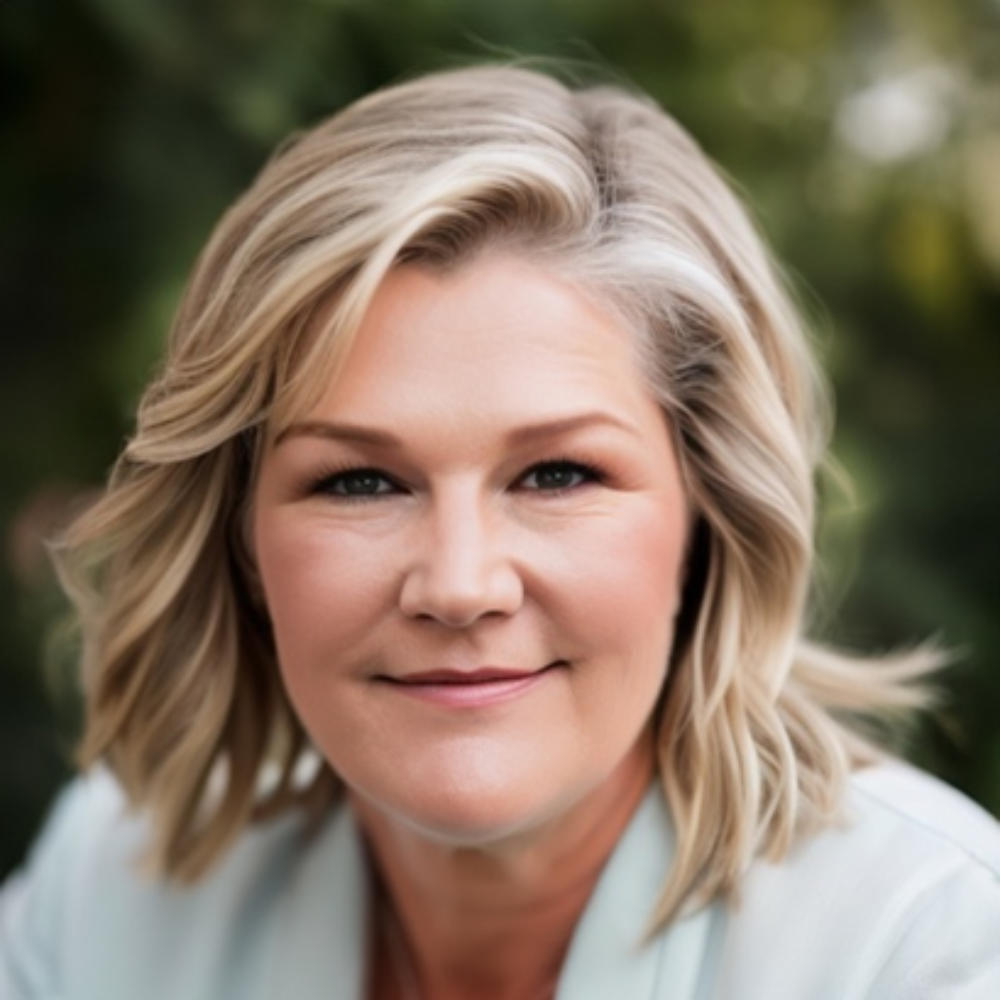
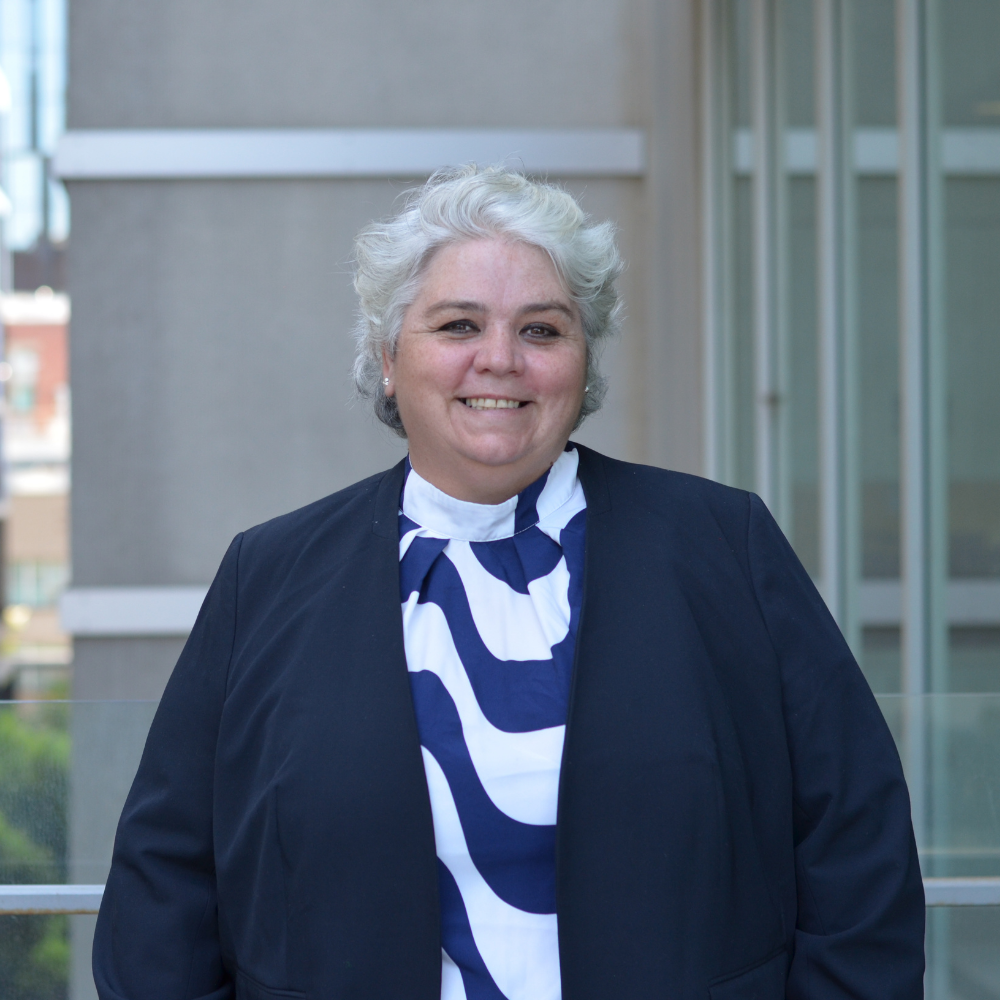
Close up image of woman with white hair and light blue blazer.

Dr Justine Grogan

Dr Justine Grogan is a First Nations Wongaibon descendant and Senior Advisor for Aboriginal and Torres Strait Islander Education at the Australian Institute for Teaching and School Leadership (AITSL).

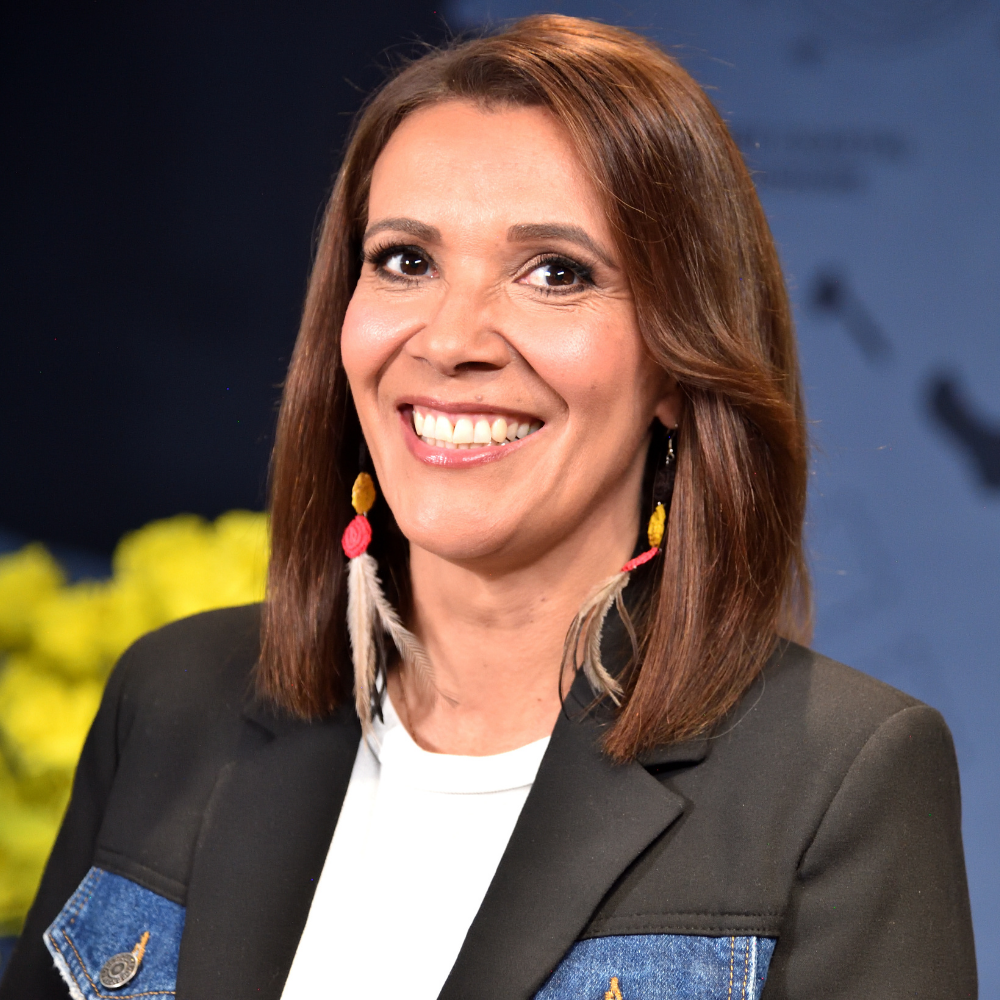
Karen Mundine

Karen Mundine

Ms Karen Mundine is from the Bundjalung Nation of northern NSW. She brings to the role more than 25 years’ experience leading community engagement, public advocacy, communications and social marketing campaigns.

Keely Wrathall

Keely grew up, lives and learns on Whadjuk Noongar boodjar in the Walyalup area. She is an educator at Winterfold Primary School, winner of the Schools category in the Narragunnawali Awards 2023.

Liz Ross

Elizabeth Ross is a proud young Aboriginal woman with connections to Anaiwan and Dunghutti Lands. Liz was part of the NIYEC Dream Design Team and Youth Design Group and has continued as a Convener for the 2025 Youth Design Group Congress.

Luke Allan

Luke Allan is a Gomeroi man from Walhallow NSW, and currently the Acting Manager for the Reconciliation, Aboriginal and/or Torres Strait Islander Workforce Strategy at the NSW Department of Education.

Professor Melitta Hogarth

Professor Melitta Hogarth is a Kamilaroi woman and the Director of Ngarrngga. She is Professor of Indigenous Education and Principal Research Fellow in the Faculty of Education at the University of Melbourne.

Rachel Elphick

A secondary teacher by trade, Rachel is a non-Indigenous woman who has worked in First Nations education contexts for 25 years, and is currently Manager, First Nations Teaching and Learning at the Australian Education Research Organisation.

Sam Page

Sam is the CEO of Early Childhood Australia, a not-for-profit national peak advocating for the rights and wellbeing of young children and the importance of the early years.

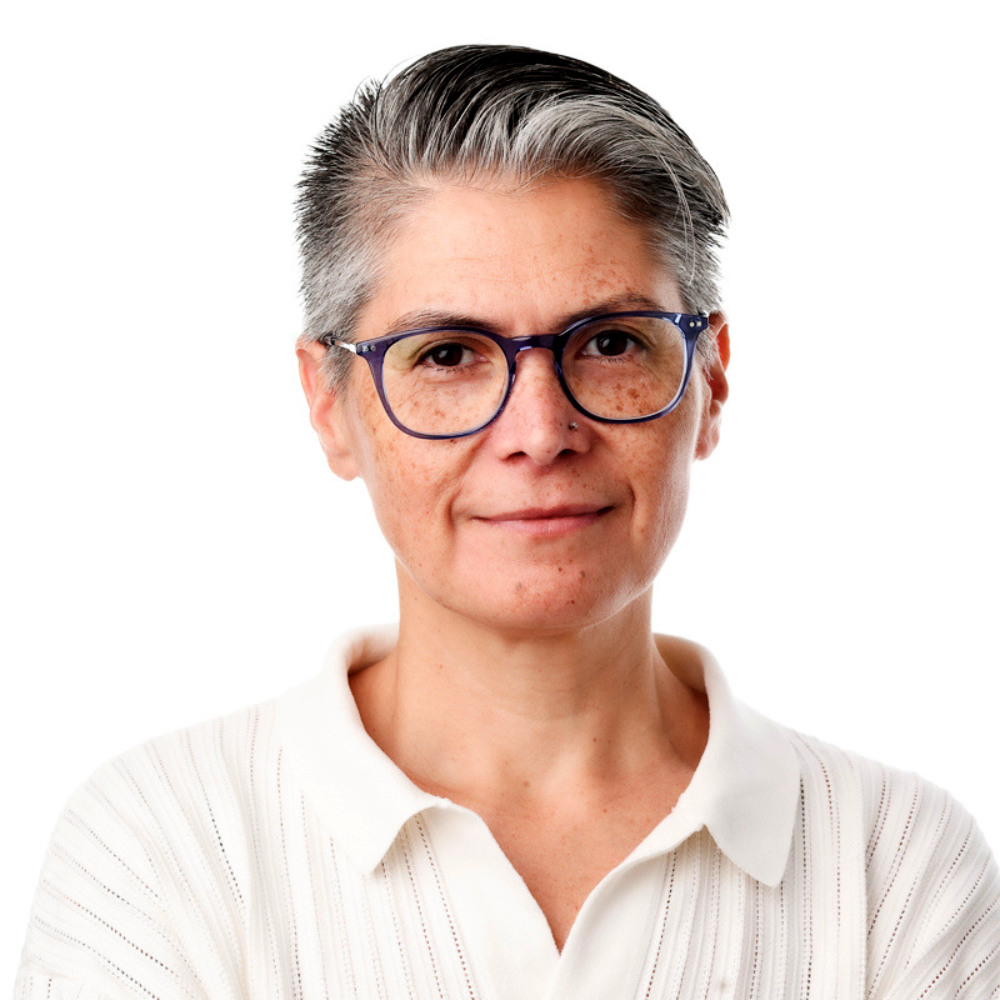
Reconciliation Australia board member Sharon Davis

Sharon Davis

Sharon Davis (pronouns: they/them) is from both Bardi and Kija Peoples of the Kimberley, and is a respected education practitioner and researcher.

Shelley Ware

Shelley Ware is a Yankunytjatjara and Wirangu woman and a teacher, media presenter, and community advocate.

National Commissioner Sue-Anne Hunter

Sue-Anne Hunter is the inaugural National Commissioner for Aboriginal and Torres Strait Islander Children and Young People, and a Wurundjeri and Ngurai Illum Wurrung woman.

Tessa Keenan

Tessa Keenan

Tessa joined Reconciliation Australia in 2015 to design and develop the Narragunnawali: Reconciliation in Education program, and is currently General Manager of that program.

The forum program was shaped with guidance from a reference group of education sector representatives. We extend our sincere thanks to:

  • Sharon Davis: CEO, National Aboriginal and Torres Strait Islander Corporation (NATSIEC)
  • Rhonda Livingstone: National Education Leader, The Australian Children’s Education and Care Quality Authority (ACECQA)
  • Sally Cooper: A/g Senior Manager, Organisational Strategy People and Performance, Australian Education Research Organisation (AERO)
  • Kathryn Martin-Anderson: A/g Principal Advisor, First Nations, AERO
  • Ashleigh O’Reilly: Coordinator Indigenous Data and Governance, AERO
  • Dr Justine Grogan: Senior Advisor Aboriginal and Torres Strait Islander Education, Australian Institute for Teaching and School Leadership (AITSL)
  • Derek Kinchela: Senior Advisor, AITSL
  • Chris Mudford: Assistant Secretary, Australian Government Department of Education
  • Tammy Anderson: Principal, Briar Road Public School (Narragunnawali Awards finalist 2023 and 2025)

Narragunnawali Reconciliation in Education Awards

6pm – 8pm

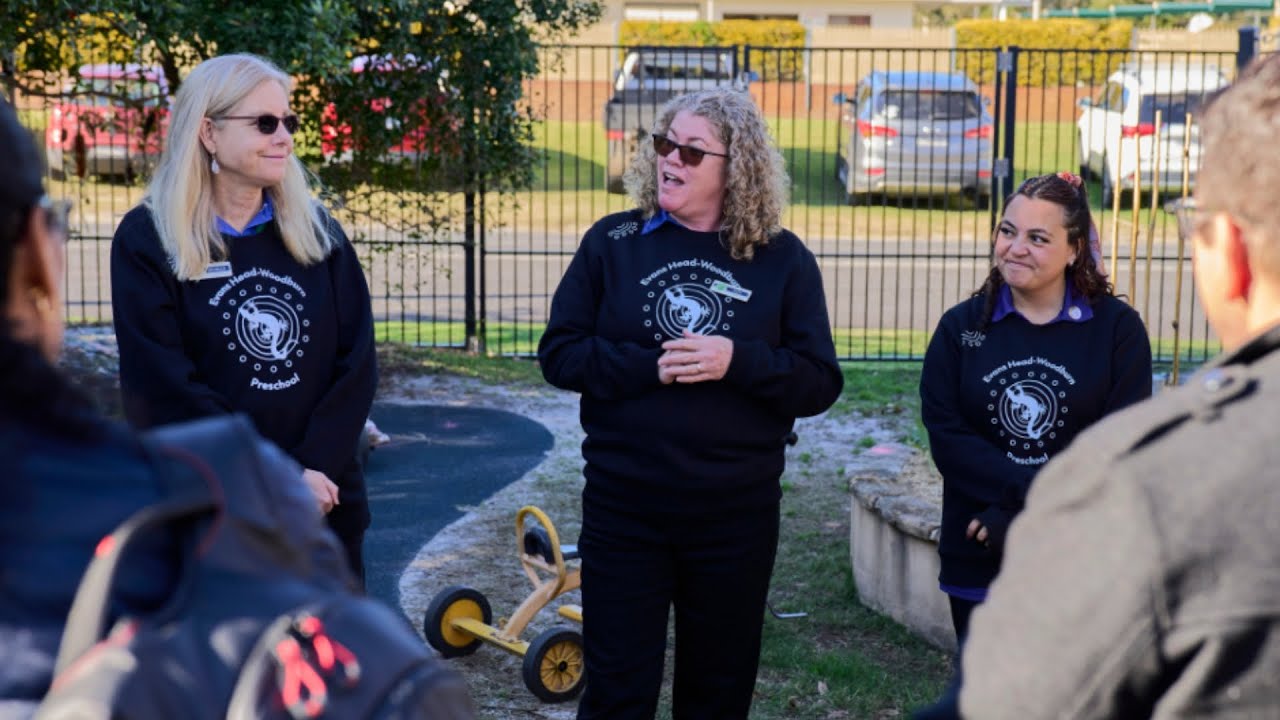
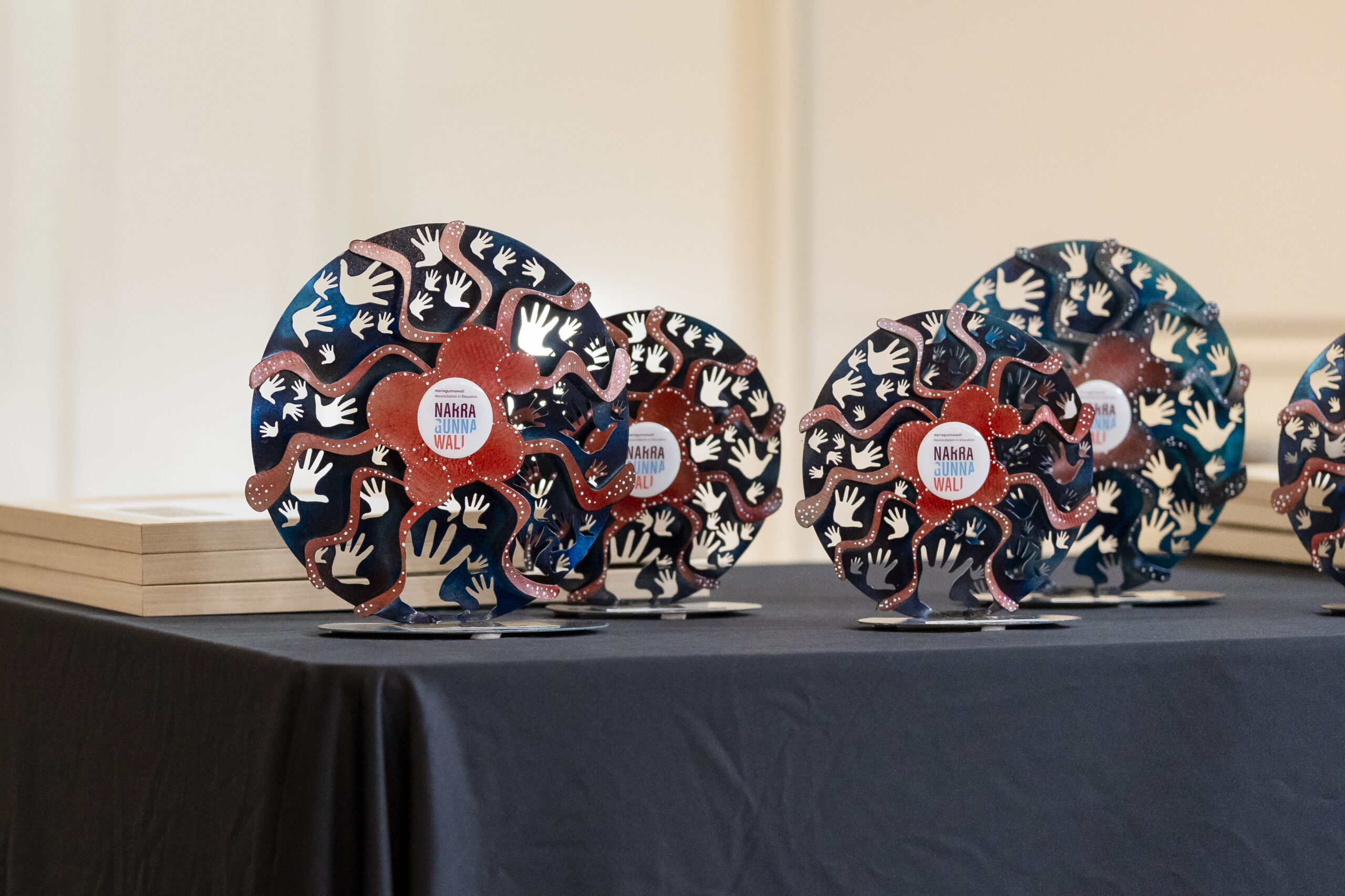
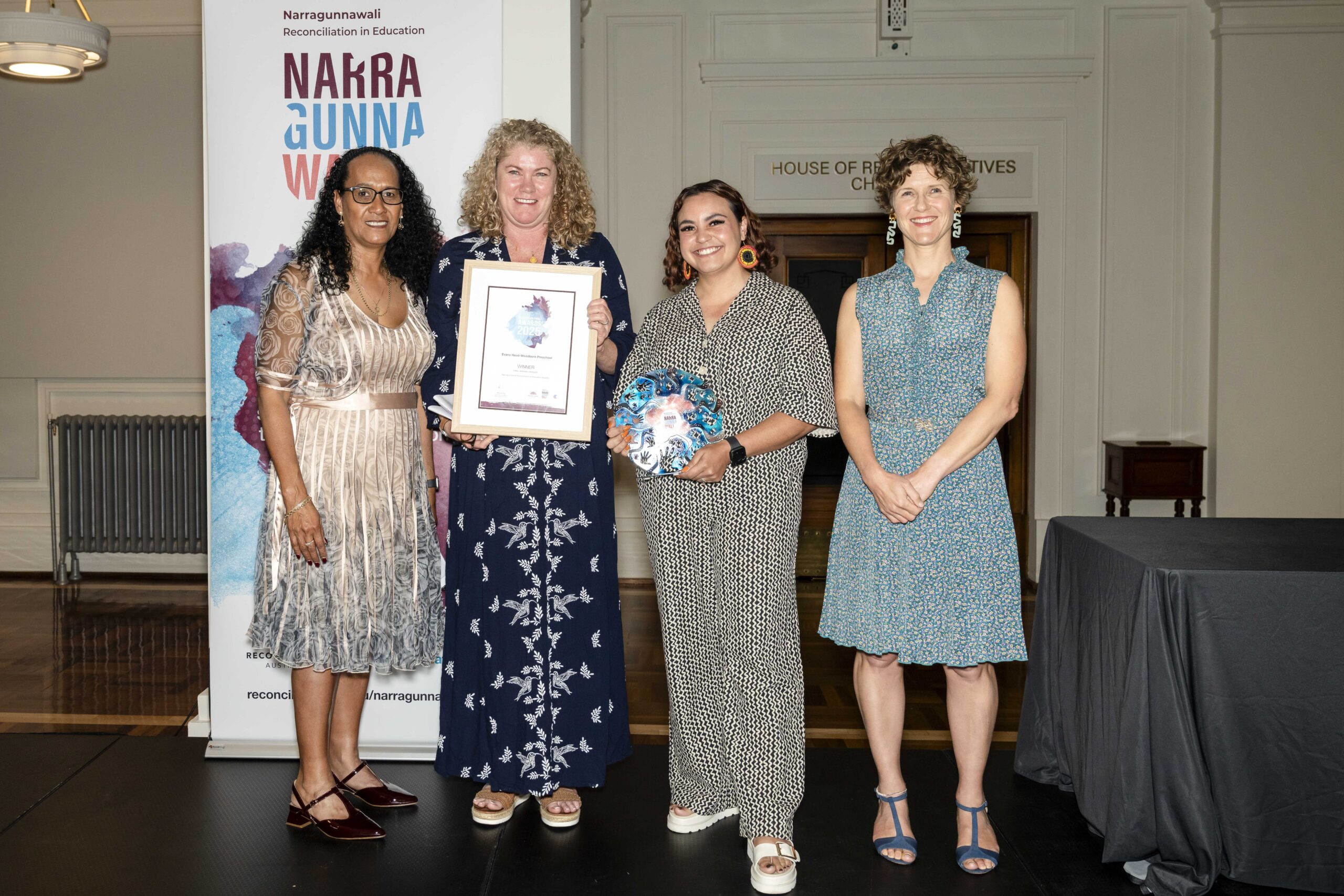
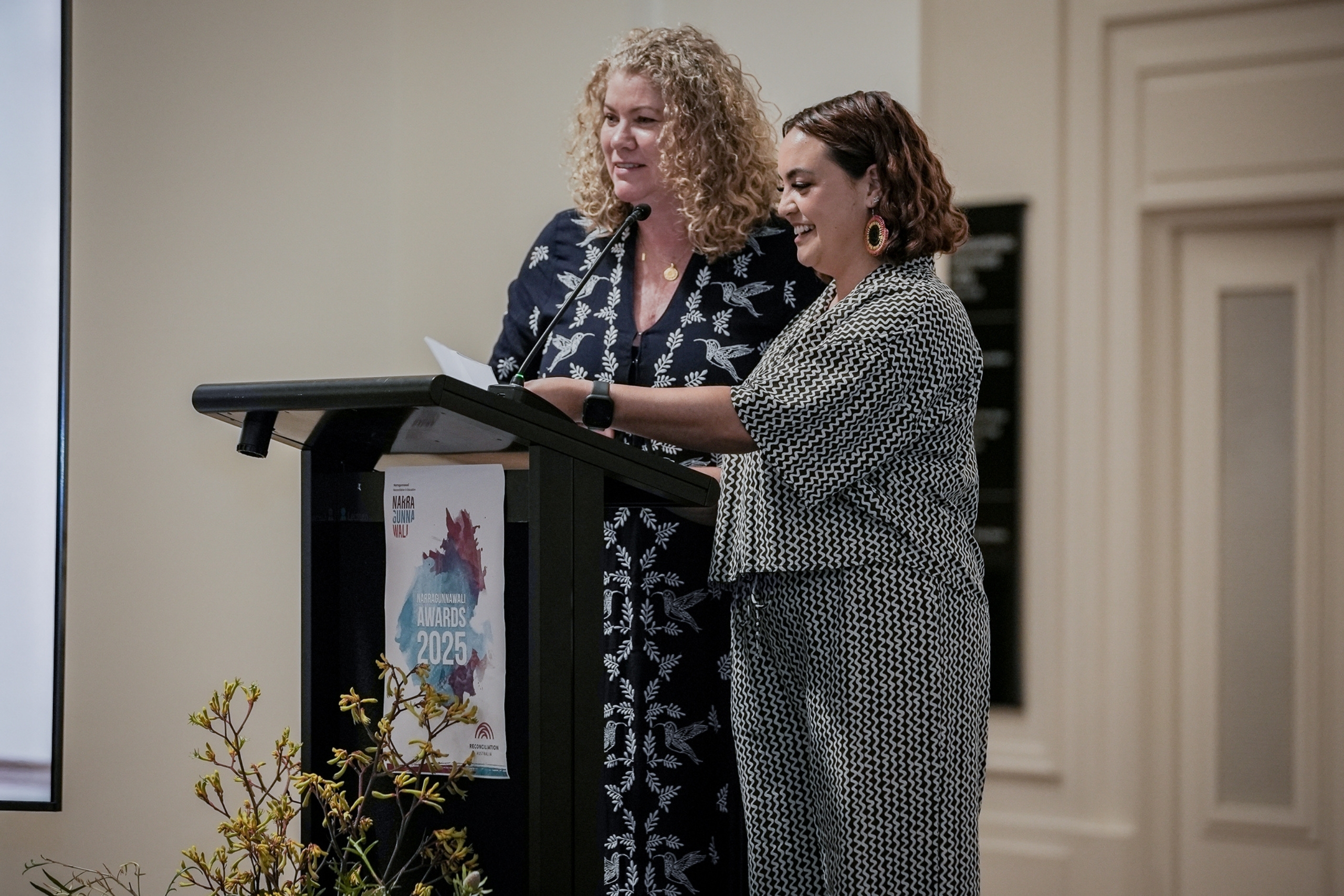
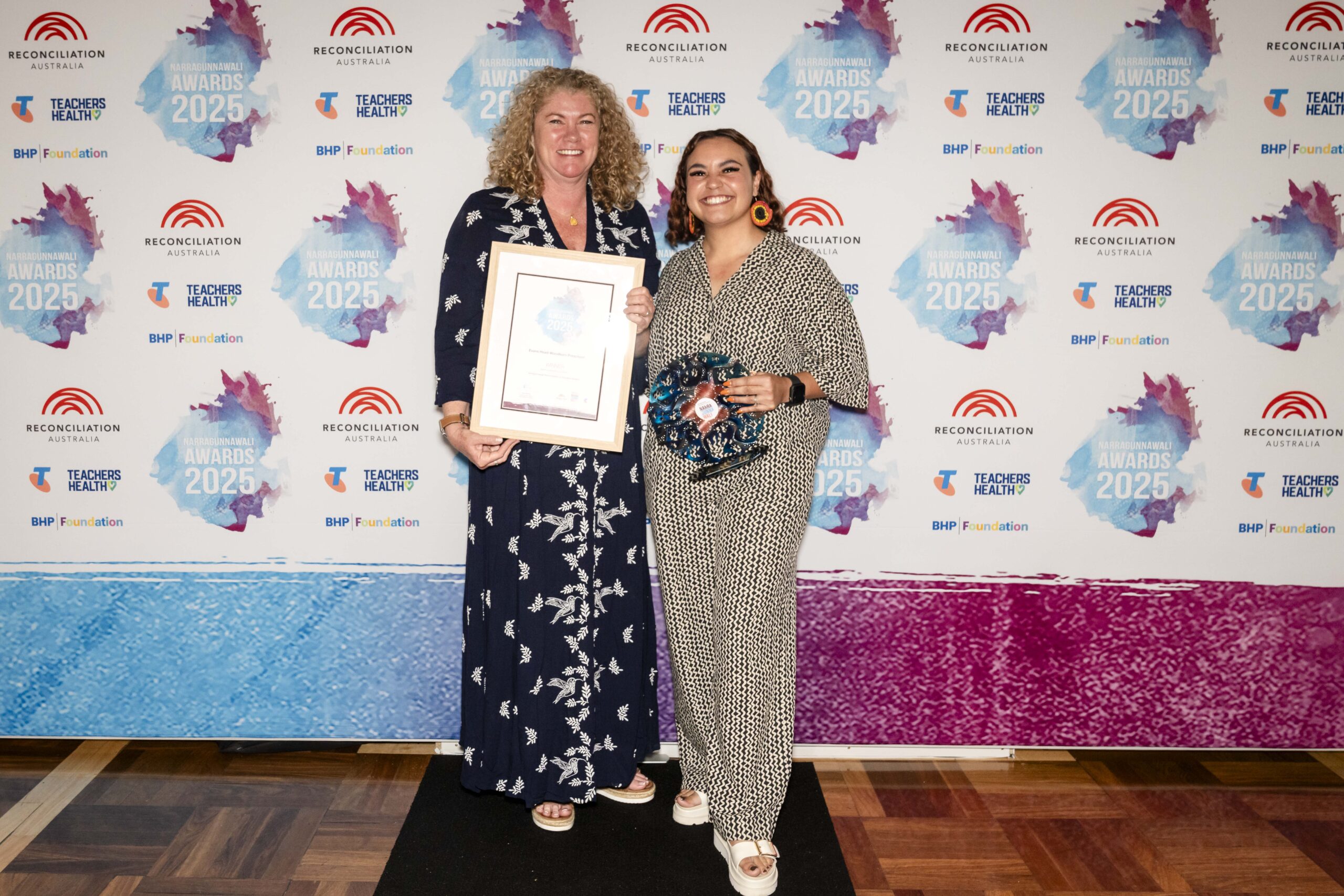
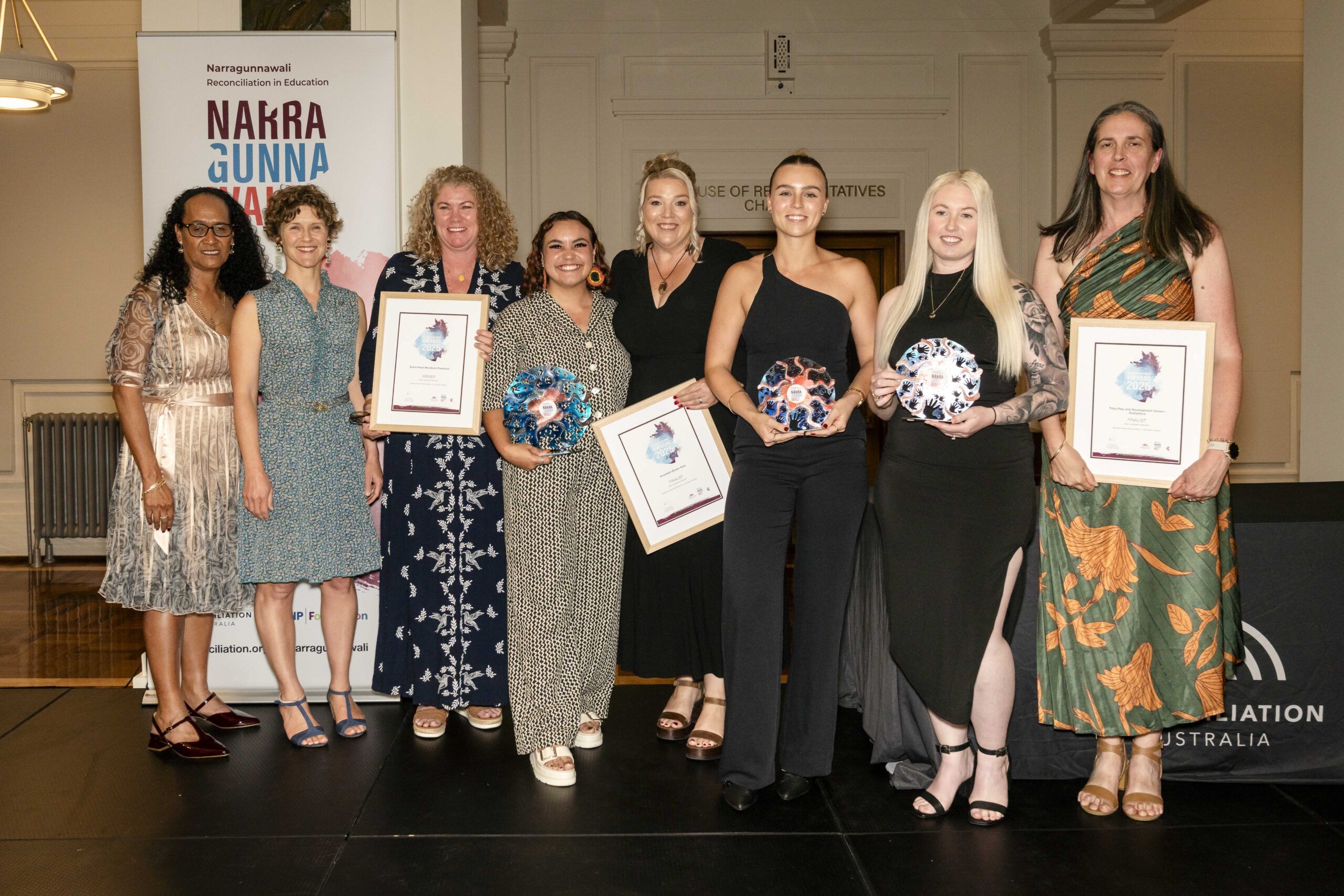
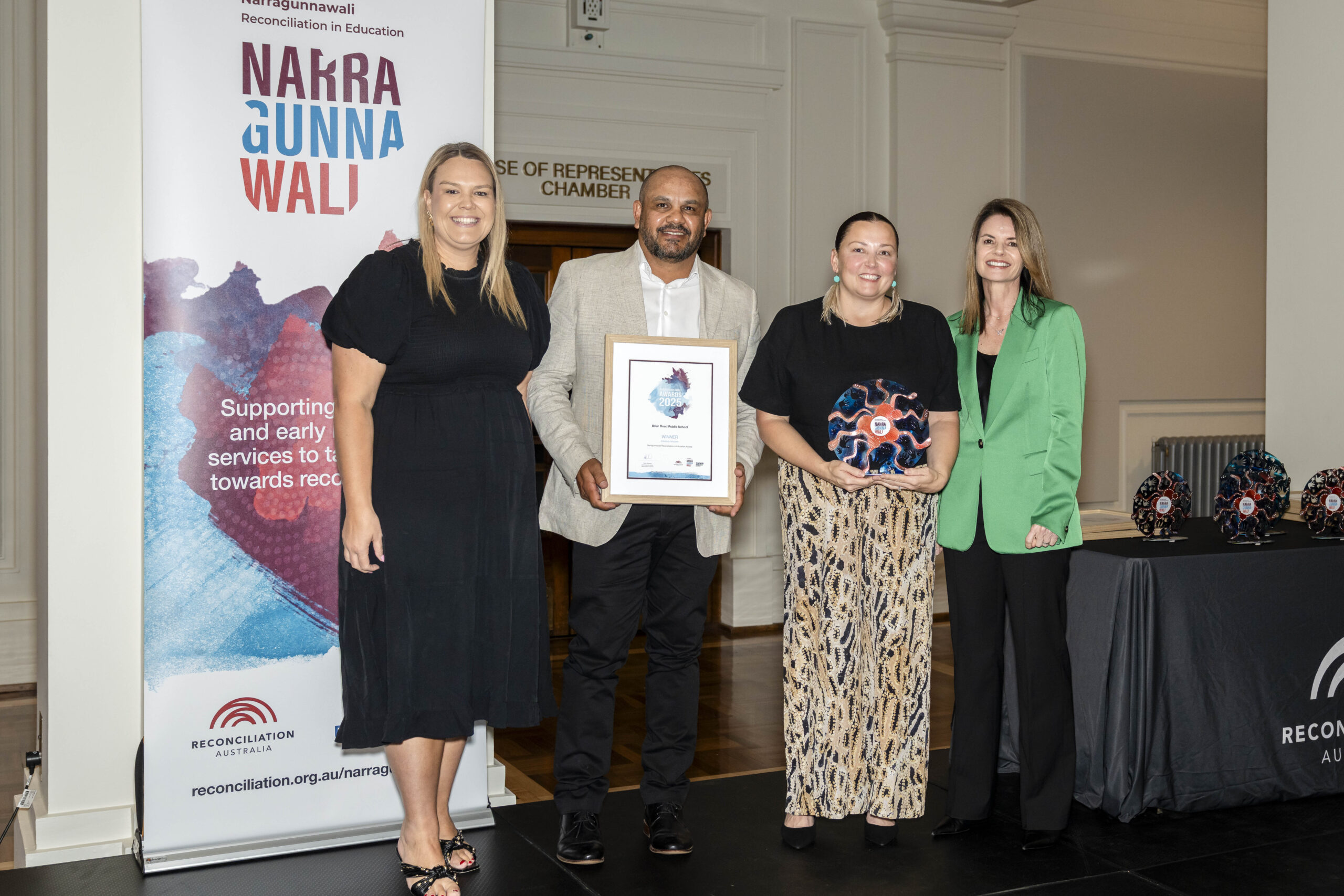
In the evening, we celebrated the 5th Narragunnawali Reconciliation in Education Awards. Congratulations to Briar Road Public School and Evans Head-Woodburn Preschool for winning their respective categories.

This year’s finalists were recognised for their commitments to building strong and respectful relationships with local First Nations Elders and communities, developing a respectful understanding of Aboriginal and Torres Strait Islander cultures and histories, and engaging in truth-telling within their educational communities.

The 2025 awards were proudly sponsored by Teachers Health (Schools Category) and Telstra (Early Learning Category).

2025 Winners and Finalists

Playlist

6 Videos
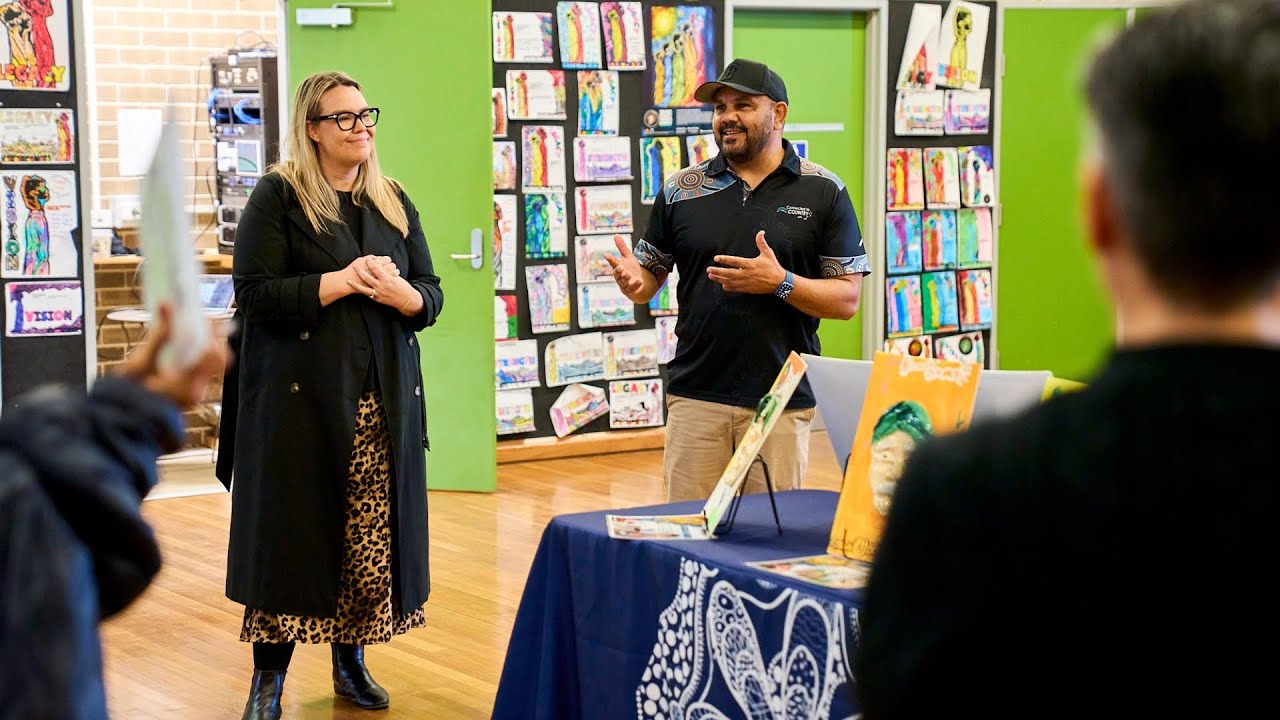
Photos
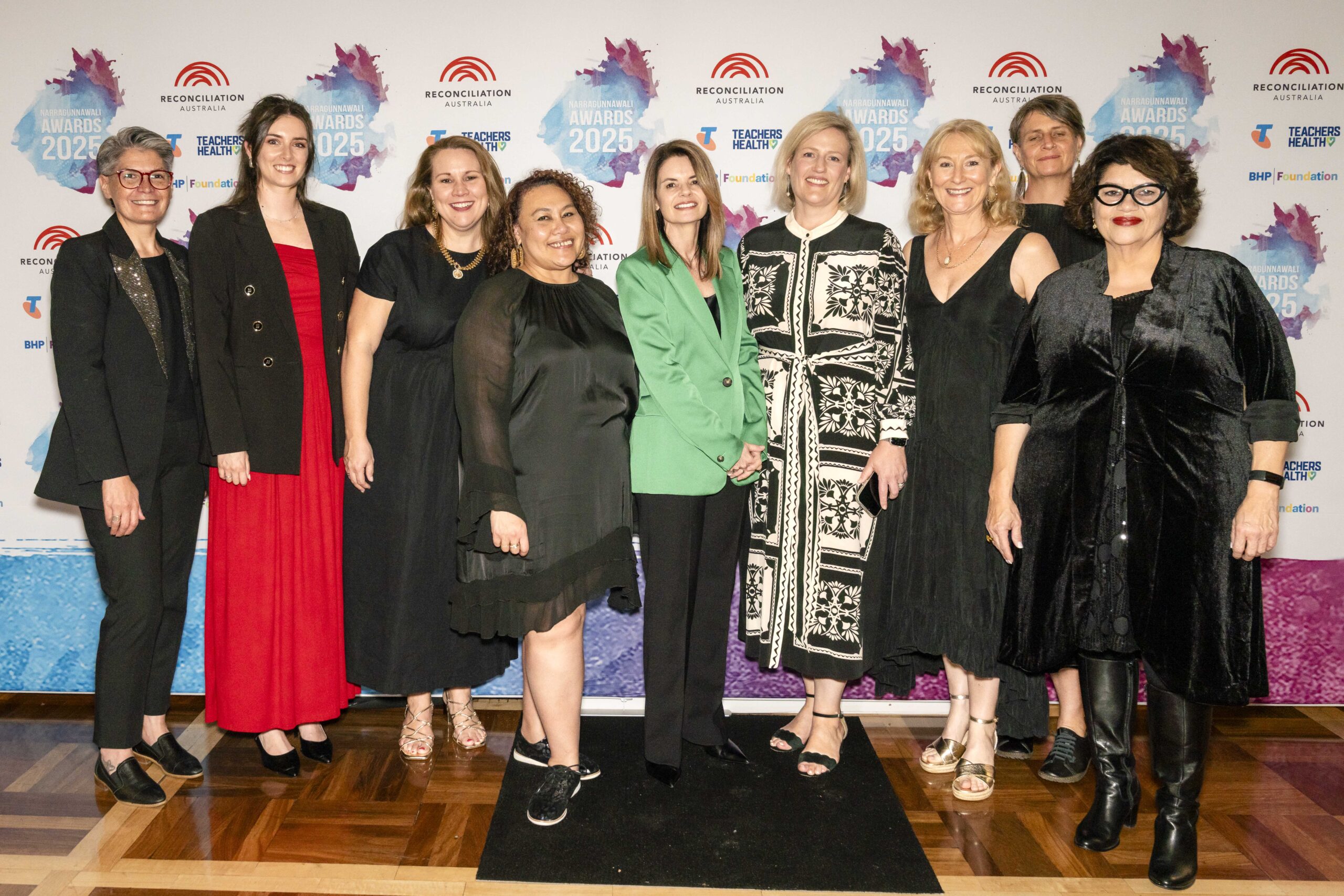
All photos: credit Wirrim Media

National Reconciliation in Education Forum

Narragunnawali Reconciliation in Education Awards
Amy Shine

Amy Shine is a dedicated early educator with over 25 years experience working in rural and remote communities. She is currently the Director of Forbes Preschool, where she leads with a strong commitment to distributed leadership and advocacy, empowering teams and fostering environments where every voice is heard.

Guided by strong values, Amy champions a culture where everyone is welcome, everyone belongs, and inclusion is central to every practice.

A recognised leader in inclusion, Amy was part of the team at Forbes Preschool awarded the Narragunnawali Reconciliation in Education Award (Early Learning category) in 2019. She is passionate about creating opportunities for children of all abilities and advancing equity by embedding respect, cultural understanding and community voice into her work.

Amy’s enduring dedication to early education is driven by a belief in nurturing potential, strengthening communities and making meaningful, lasting impacts in the lives of children, families and colleagues alike.

Angela Falkenberg

Angela Falkenberg is President of the Australian Primary Principals Assocation and a nationally recognised leader in education. She has held principal roles in three primary schools and served in leadership positions across primary, secondary and system levels.

Angela’s career began in First Nations education and expanded to include cross-sector initiatives, such as leading a healthcare-education project at the Women’s and Children’s Hospital.

Known for her strategic insight, advocacy and commitment to equity, Angela has contributed to national policy reform, professional learning frameworks, and initiatives that support principal wellbeing, resilience and leadership development. She actively engages with government, media, universities and international education bodies to strengthen the role of primary education in Australia and abroad.

A sought-after speaker and facilitator, Angela brings clarity, optimism, and a solutions-focused mindset to every conversation, championing the critical role of primary leaders in shaping thriving school communities and a stronger national future.

Dyonne Anderson

Dyonne Anderson is a proud Githabal woman with over 30 years experience in the NSW Department of Education. Throughout her career, she has held various positions across the state, including classroom teacher, curriculum advisor, consultant and principal of Cabbage Tree Island Public School.

She recently completed a two-year term as CEO of the Stronger Smarter Institute, where she championed initiatives for educational equity.

Dyonne currently serves as the president of the National Aboriginal and Torres Strait Islander Principals’ Association (NATSIPA).

In 2022, she was appointed by the expert panel for the National School Reform Agreement (NSRA), where she contributed her insights on educational reform for a better and fairer education system.

Dyonne is passionate about amplifying the voices of First Nations people, advocating for self-determination in education and striving for improved life outcomes for First Nations communities.

Hayley McQuire

Hayley McQuire is a Darumbal and South Sea Islander woman born and raised in Rockhampton, Central Queensland. Her work is centred on community, relationality and convening new collectives to rethink education.

She is the co-founder and CE of the National Indigenous Youth Education Coalition (NIYEC), Co-Chair of Learning Creates Australia and board director for a number of non-profit organisations.

She has over 10 years experience working across Indigenous policy and training and has worked on advocacy campaigns and capacity building initiatives with education coalitions and young people around the world.

Dr Jenny Donovan

Dr Jenny Donovan is the inaugural CEO of the Australian Education Research Organisation (AERO). Prior to this role, she established and led the Centre for Education Statistics and Evaluation (CESE) as Executive Director for 8 years.

Jenny began her career as a high school teacher in Sydney’s western suburbs. She has worked in a number of education roles in operational and policy areas, including some years as Deputy Director of a not-for-profit education assessment agency at the University of New South Wales.

In 2023, she was a member of Professor Mark Scott’s Teacher Education Expert Panel which delivered recommendations for reform to Initial Teacher Education that were accepted by Australia’s education ministers. As a result, an evidence-based core curriculum will be implemented in all initial teacher education.

In 2024, Jenny was appointed an Adjunct Associate Professor at La Trobe University’s School of Education.

Jenny holds a Bachelor of Arts with a Diploma of Education from Macquarie University, an MA (Hons) from UNSW and a PhD in history from the University of Sydney.

Jenny Walker

Jenny has over 42 years with the NSW Department of Education, including 29 years as a principal, and leads Kellyville Public School (Dharug Country). She has worked in rural, city and overseas schools, has chaired the NSW Primary Principals Aboriginal Education Reference group, and has held leadership roles in Aboriginal education and continues to mentor principals.

Under her leadership, Kellyville Public School’s programs in Aboriginal Education, High Potential and Gifted Education, academics, sports and the arts have been recognised by the Department of Education as outstanding. Jenny’s leadership has earned her numerous awards, including the 2023 Executive Director’s Award, (PPA) Aboriginal Education and Communities Award, commendation from the NSW Education Minister and Castle Hill Woman of the Year. The school’s Reconciliation Action Plan received national recognition.

Jenny is a passionate, respectful leader who builds strong community connections, leads by example and promotes growth. She is committed to student success, leadership, equity and teaching the truth about our Indigenous history. Jenny supports school leaders to create fair, inclusive and equitable environments where all students can reach their potential and become confident, lifelong learners, aligned with the Alice Springs (Mparntwe) Education Declaration.

Close up image of woman with white hair and light blue blazer.

Dr Justine Grogan

Dr Justine Grogan is a First Nations Wongaibon descendant and Senior Advisor for Aboriginal and Torres Strait Islander Education at the Australian Institute for Teaching and School Leadership (AITSL).

Prior to working at AITSL she was Indigenous Lead, Course Coordinator and Lecturer in First Nations Education for over 10 years. Her PhD, Honours and research areas focus on embedding Aboriginal and Torres Strait Islander Knowledges and Perspectives in curriculum with key areas in colonisation, anti-racism, white privilege, power and professional responsiveness.

Justine was awarded the prestigious Aurora International Scholarship which gave her the opportunity to study at universities in the United States of America including Berkeley, Stanford, Harvard, Columbia and New York University. She has written and published many journal articles with highly raked publishers such as Cambridge University Press and Higher Education Research and Development.

Karen Mundine

Karen Mundine

Karen Mundine is from the Bundjalung Nation of northern NSW. As the CEO at Reconciliation Australia, Ms Mundine brings to the role more than 25 years’ experience leading community engagement, public advocacy, communications and social marketing campaigns. An architect of the landmark Australian Reconciliation Barometer, Ms Mundine works with governments, the business sector and civil society to advocate for change.

Over the course of her career, she has been instrumental in some of Australia’s watershed national events including the Apology to the Stolen Generations, Centenary of Federation commemorations, Corroboree 2000 and the 1997 and 2021 Australian Reconciliation Conventions.

Ms Mundine holds a Bachelor of Arts in Communication from the University of Technology Sydney (UTS) and was the winner of the 2021 Indigenous Australian UTS Alumni Award. In 2023 she was declared the National Winner of the Australian Awards for Excellence in Women’s Leadership.

She is a member of the Council of the National Museum of Australia, a Company Director of Sydney Festival and Australians for Constitutional Recognition, and is a Member of Chief Executive Women.

Previous roles include: membership of the Australian Government’s Referendum Engagement Group; Director, Mary Mackillop Foundation; Director, Australian Indigenous Leadership Centre; Director, Gondwana Choirs; Deputy Chief Executive and General Manager Communication and Engagement, Reconciliation Australia; Senior Consultant, CPR Communications; and senior public affairs and communications roles with federal government departments including Prime Minister and Cabinet, Communications IT & the Arts, Health and Ageing, and Foreign Affairs and Trade.

Keely Wrathall

Kelly grew up, lives and learns on Whadjuk Noongar boodjar in the Walyalup area. As an educator at Winterfold Primary School, she works closely with students to nurture inclusive, culturally responsive learning environments.

She is an active member of Winterfold’s Reconciliation Committee, collaborating with staff, families and students to embed reconciliation into the everyday life of the school. In 2023, Winterfold’s shared commitment was recognised with a Narragunnawali Award, honouring the grassroots efforts to build strong foundations for reconciliation in education.

Keely believes schools are powerful spaces for change – where Aboriginal and Torres Strait Islander histories, cultures and perspectives must be respected, celebrated and meaningfully woven into teaching and learning. She is passionate about contributing to this transformation both within the classroom and across the broader education system.

Liz Ross

Elizabeth Ross is a proud young Aboriginal woman with connections to Anaiwan and Dunghutti Lands. While her family have been calling Wonnarua Country home for six generations, Liz is currently living on the Traditional Land of the Dharawal People.

Liz is studying a double Bachelor’s Degree in Engineering and Computer Science at the University of Wollongong. She works as a Student Ambassador at Woolyungah Indigenous Centre.

Liz was part of the National Indigenous Youth Education Coalition (NIYEC) Dream Design Team and Youth Design Group, and has continued as a Convener for the 2025 Youth Design Group Congress, acting as a connector between NIYEC and the younger congress members to help reimagine Indigenous education nationwide.

Luke Allan

Luke Allan is a Gomeroi man from Walhallow NSW, near Tamworth, where he now lives and works. With nearly 25 years experience, Luke is a strong leader and advocate for Aboriginal rights, truth-telling and reconciliation.

Luke’s career has included 13 years in health promotion with Hunter New England Local Health District and several roles with Aboriginal Affairs NSW, where he gained valuable experience implementing strategies such as OCHRE, Solutions Brokerage, and the Stolen Generations Reparations Scheme.

Luke is currently the Acting Manager for the Reconciliation, Aboriginal and/or Torres Strait Islander Workforce Strategy at the NSW Department of Education. In this role, he leads initiatives that advance reconciliation across the department – including within schools – and that strengthen the Aboriginal and Torres Strait Islander workforce through the co-design and implementation of strategies that create employment opportunities, promote cultural safety and enhance leadership skills.

A key part of Luke’s work is leading the department’s truth-telling process in collaboration with the Purai Indigenous History Centre at the University of Newcastle. This approach includes the conducting of formal research that collates a diverse range of both published and unpublished sources about the lived experiences of Aboriginal and/or Torres Strait Islander people across NSW public education, to help deepen the understanding of how state government policies have affected Aboriginal and/or Torres Strait Islander people, cultures and educational outcomes.

Professor Melitta Hogarth

Professor Melitta Hogarth is a Kamilaroi woman and the Director of Ngarrngga. She is Professor of Indigenous Education and Principal Research Fellow in the Faculty of Education at the University of Melbourne.

Melitta’s research interests revolve around the intersection of education, equity, and social justice for Indigenous peoples, which draws on her years of experience as a teacher and a researcher.

Prior to entering academia, Professor Hogarth taught for almost 20 years in Queensland, particularly in secondary schools. Her PhD on the rights of Indigenous peoples in education won multiple awards, including the Ray Debus Award for Doctoral Research in Education.

Rachel Elphick

A secondary teacher by trade, Rachel is a non-Indigenous woman who has worked in First Nations education contexts for 25 years, living and working in remote, regional and urban communities.

What she has observed across all those settings in the impact authentic and trust teacher-student relationships have on the engagement of First Nations students, families and communities in education.

In her current role as Manager, First Nations Teaching and Learning at the Australian Education Research Organisation (AERO), Rachel is leading a body of work that provides guidance and resources on how to develop reflexive practice and responsiveness to individuals and teams at AERO.

It is through this understanding of self and the impact that individuals have on each other that culturally responsive practices can be enabled and culturally safe environments can be created.

Sam Page

Sam is the CEO of Early Childhood Australia, a not-for-profit national peak advocating for the rights and wellbeing of young children and the importance of the early years, including the importance of high-quality early childhood services.

She is also a member of the ACT Teacher Quality Institute Board and has previously served on the boards of Perinatal Anxiety & Depression Australia (PANDA), Parentline ACT, the Australian Council of Social Service (ACOSS) and the Australian Institute of Health and Welfare (AIHW).

With over three decades of experience in the human services sector, Sam brings expertise in executive leadership, social and public policy, advocacy and program delivery. She has contributed to major reform and sector-development initiatives working with both federal and state governments and cross-sector collaborations. Sam holds postgraduate qualifications in management and accreditations in governance and leadership.

Reconciliation Australia board member Sharon Davis

Sharon Davis

Sharon Davis (pronouns they/them) is from both Bardi and Kija Peoples of the Kimberley.

Sharon is the the inaugural Chief Executive Officer of The National Aboriginal and Torres Strait Islander Education Corporation (NATSIEC) and is currently a Board Director at Reconciliation Australia. They were previously the Director of Education at the Australian Institute of Aboriginal and Torres Strait Islander Studies.

They have a deep professional and personal commitment to social justice, equity, inclusion, and respect for all.

Sharon holds a Bachelor in Education (K-7) specialising in Aboriginal education, graduating with a number of honours, including the Vice Chancellor’s Medal for the University of Notre Dame’s School of Education. In addition, Sharon graduated from the University of Oxford with a Master of Science in Applied Linguistics and Second Language Acquisition.

Sharon believes that enhancing educational experience for Aboriginal students, families and communities’ benefits all.

Shelley Ware

Shelley Ware is a Yankunytjatjara and Wirangu woman and a teacher, media presenter, and community advocate.

Known for her work on Marngrook Footy Show, Colour of Your Jumper and ABC Radio, she champions First Nations voices, cultural understanding, and inclusion.

Shelley inspires change through storytelling, education, and leadership, making her a respected national voice. 

Sue-Anne Hunter

Sue-Anne Hunter is the inaugural National Commissioner for Aboriginal and Torres Strait Islander Children and Young People, and a Wurundjeri and Ngurai Illum Wurrung woman. She is known for her work as Deputy Chair and Commissioner in Victoria’s Yoorrook Justice Commission, Australia’s first formal First Peoples truth-telling inquiry. Sue-Anne is also a member of the National Centre for Reconciliation, Truth, and Justice Advisory Board, an Adjunct Professor of Global Engagement at Federation University and a PhD candidate at Monash University.  

With a background in child and family services practice, Sue-Anne has over two decades’ clinical experience responding to developmental, transgenerational and community trauma. She is widely recognised for developing rights-based, transformative practice responses that empower Aboriginal people to heal from the continuing effects and processes of colonisation. 

Tessa Keenan

Tessa Keenan

General Manager, Narragunnawali: Reconciliation in Education

Tessa joined Reconciliation Australia in 2015 as part of a team of early learning, primary and secondary teachers brought on board to design and develop Narragunnawali: Reconciliation in Schools and Early Learning.

A qualified secondary teacher, Tessa has over a decade of experience in higher education, teaching and research. Tessa sees the role of teachers and educators as vital to the process of reconciliation in Australia.

As General Manager of Narragunnawali, she leads a team that is passionate about supporting educators to develop teaching and learning environments that promote reconciliation and that are inclusive of Aboriginal and Torres Strait Islander histories, cultures and perspectives.

Tessa holds a Bachelor of Arts (with distinction) in Sociology and Gender Studies, a Master of Indigenous Studies from the University of New South Wales, and Graduate Diploma of Education (Secondary Teaching) from the University of Canberra.

Tessa was born and raised on Ngunnawal and Ngambri Country. She currently lives on Gadigal Country.

Search
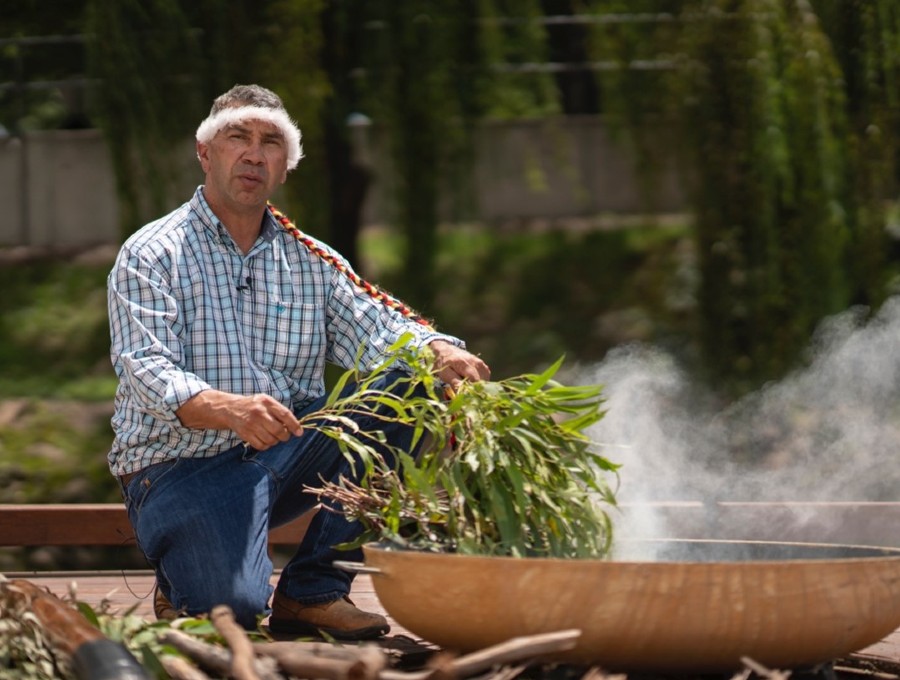
Paul House with gum leaves and smoke
Paul Girrawah House

Paul Girrawah House has multiple First Nation ancestries from the South-East Canberra region, including the Ngambri-Ngurmal (Walgalu), Pajong (Gundungurra), Wallabollooa (Ngunnawal) and Erambie/Brungle (Wiradyuri) family groups.

Paul acknowledges his diverse First Nation history, he particularly identifies as a descendant of Onyong aka Jindoomang from Weereewaa (Lake George) and Henry ‘Black Harry’ Williams from Namadgi who were both multilingual, essentially Walgalu-Ngunnawal-Wiradjuri speaking warriors and Ngunnawal–Wallaballooa man William Lane aka ‘Billy the Bull’ - Murrjinille.

Paul was born at the old Canberra hospital in the centre of his ancestral country and strongly acknowledges his First Nation matriarch ancestors, in particular his mother Dr Aunty Matilda House-Williams and grandmother, Ms Pearl Simpson-Wedge.

Paul completed a Bachelor of Community Management from Macquarie University, and Graduate Certificate in Wiradjuri Language, Culture and Heritage and Management from CSU.

Paul provided the Welcome to Country for the 47th Opening of Federal Parliament in 2022. Paul is Board Director, Ngambri Local Aboriginal Land Council, Member Indigenous Reference Group, National Museum of Australia and Australian Government Voice Referendum Engagement Group.  

Paul works on country with the ANU, First Nations Portfolio as a Senior Community Engagement Officer

Acknowledgement of Country

Reconciliation Australia acknowledges Traditional Owners of Country throughout Australia and recognises the continuing  connection to lands, waters and communities. We pay our respect to Aboriginal and Torres Strait Islander cultures; and to Elders past and present. 

Aboriginal and Torres Strait Islander peoples should be aware that this website contains images or names of people who have passed away.

Skip to content
Copy link
Powered by Social Snap