Winners announced! Indigenous Governance Awards 2026

A community-driven yarning circle, an all-Blak literary festival, and an experienced Traditional Owner corporation: meet Australia’s Indigenous Governance Award winners for 2026.

The Indigenous Governance Awards celebrate and showcase outstanding Aboriginal and Torres Strait Islander organisations whose success is derived from effective and innovative governance models that are built from Aboriginal and Torres Strait Islander culture and ways of doing and being.

Reconciliation Australia and the Australian Indigenous Governance Institute are proud to reveal the winners of the Indigenous Governance Awards 2026, announced at the Indigenous Governance Awards Gala on Thursday 5 November in Tarntanya/Adelaide.

Indigenous Governance Awards 2026 Winners

Category 1: Outstanding examples of governance in Indigenous-led non-incorporated initiatives or projects

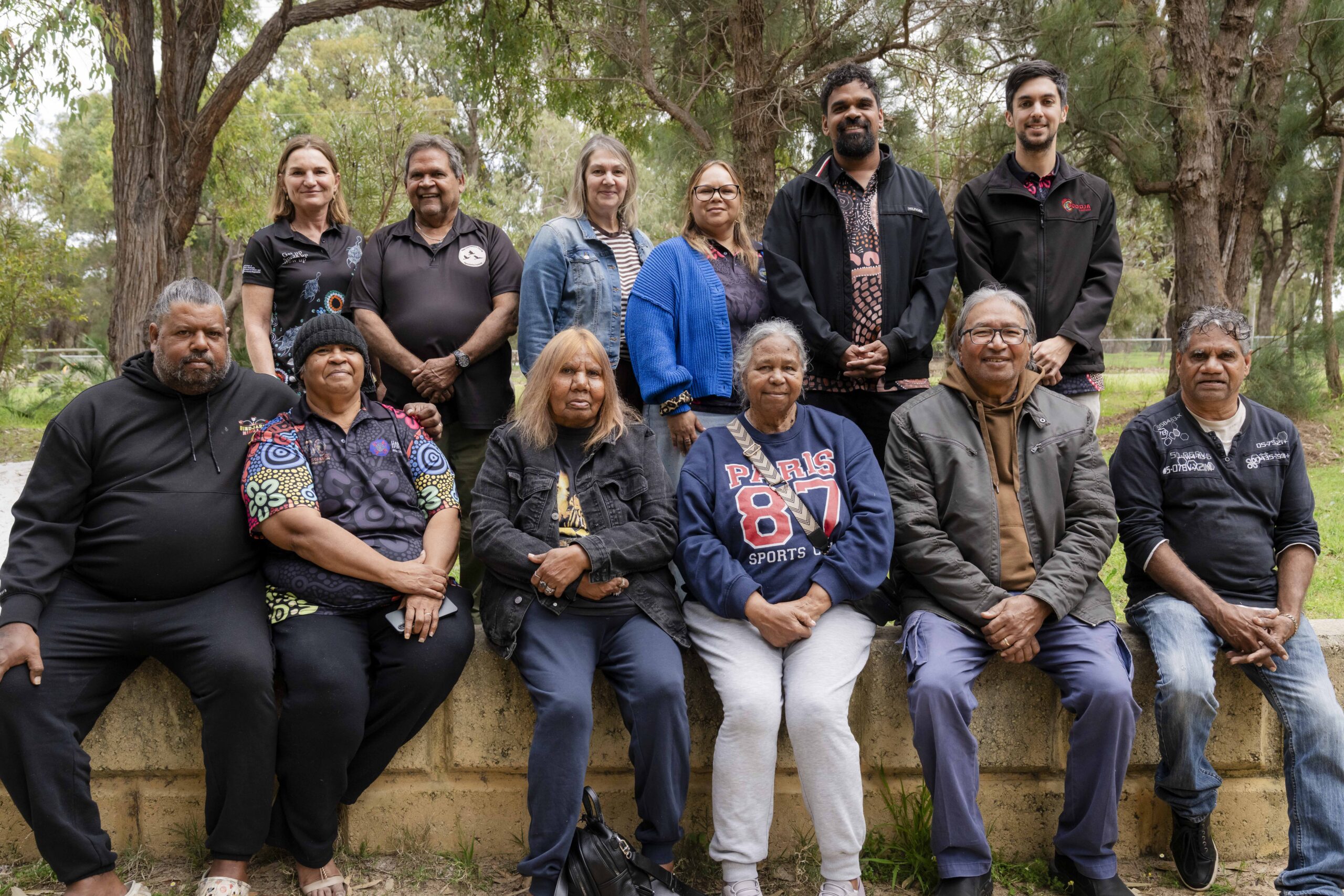
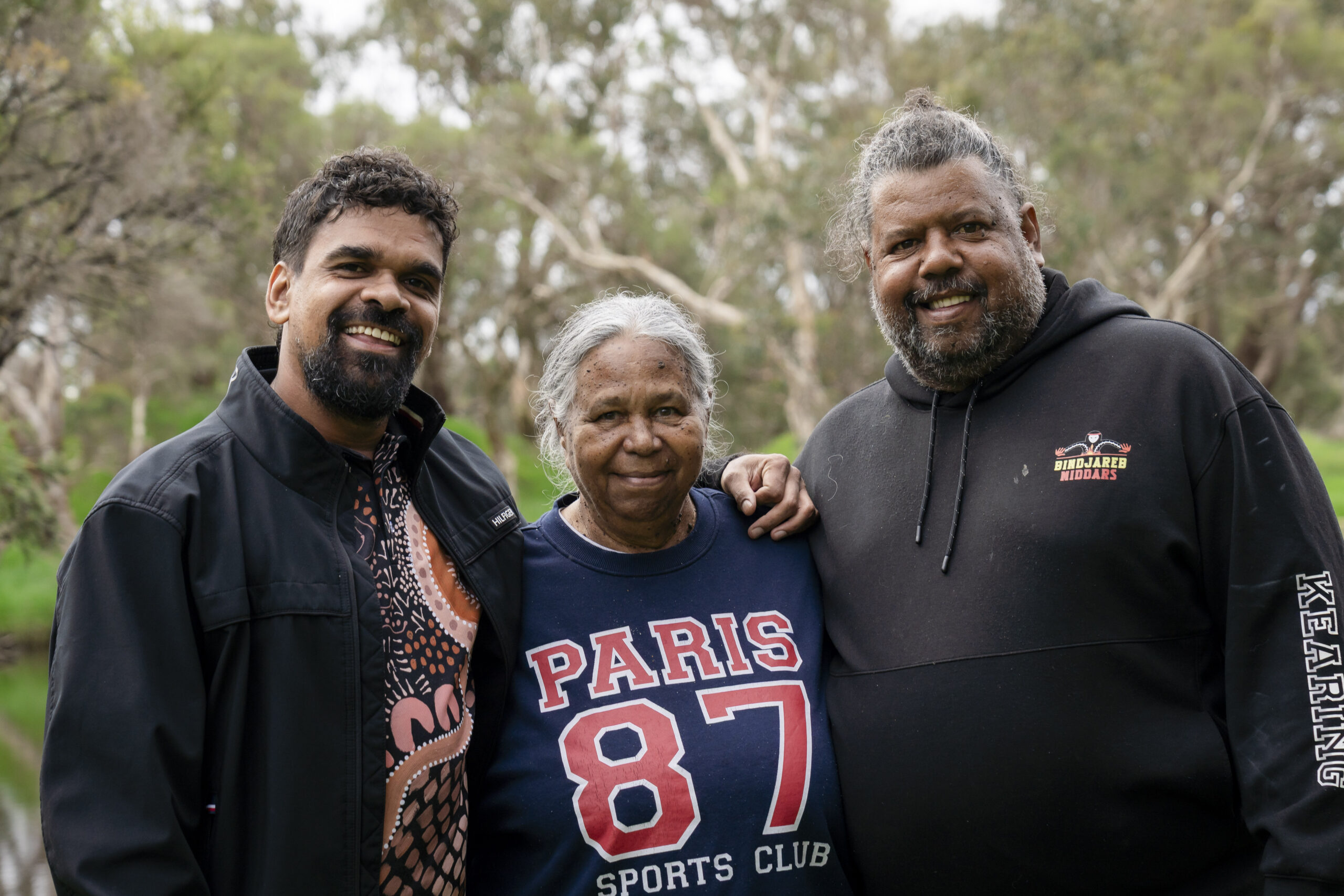
Winner: Bindjareb Djilba Kaadadjan Bidi Yarning Circle (WA)
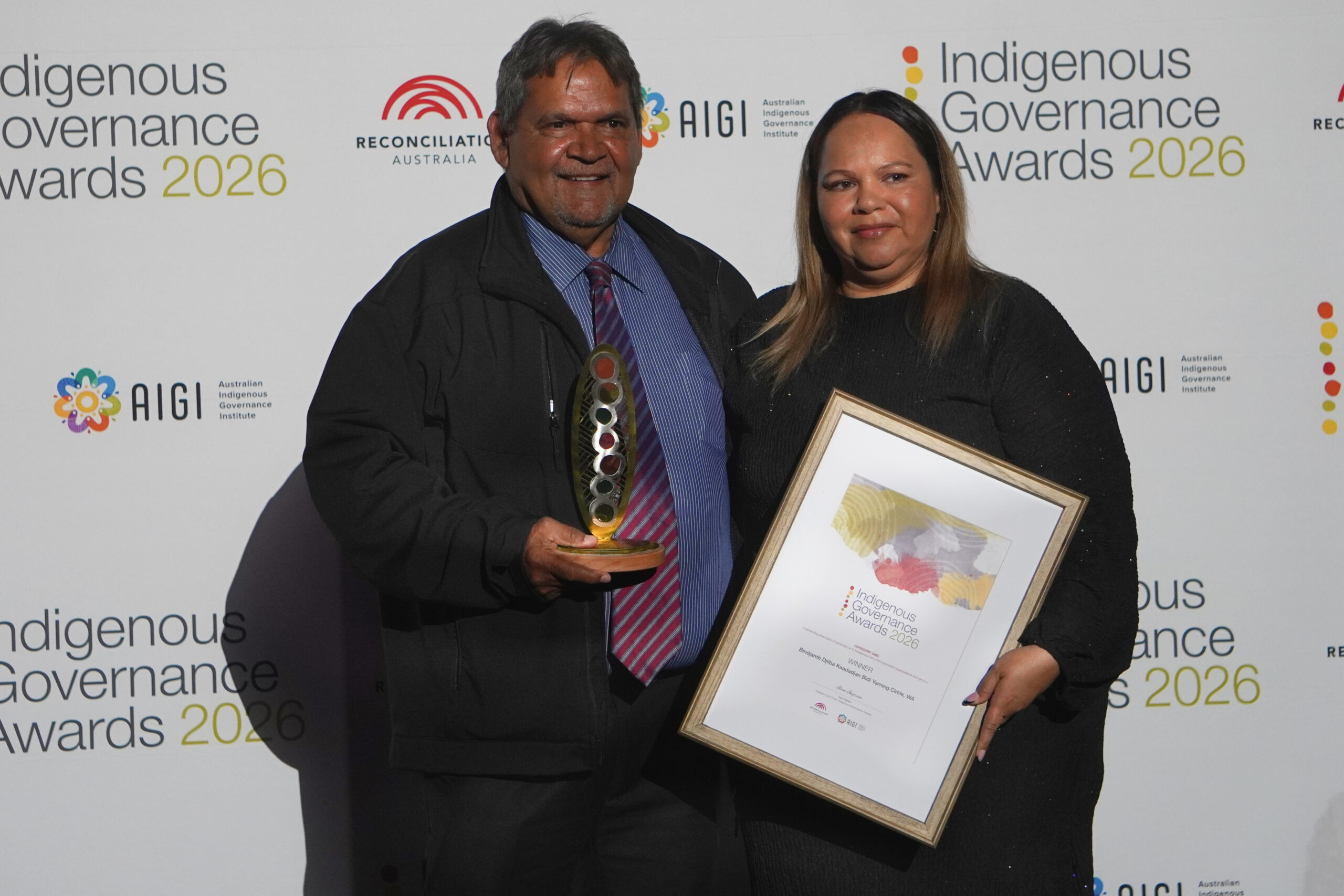
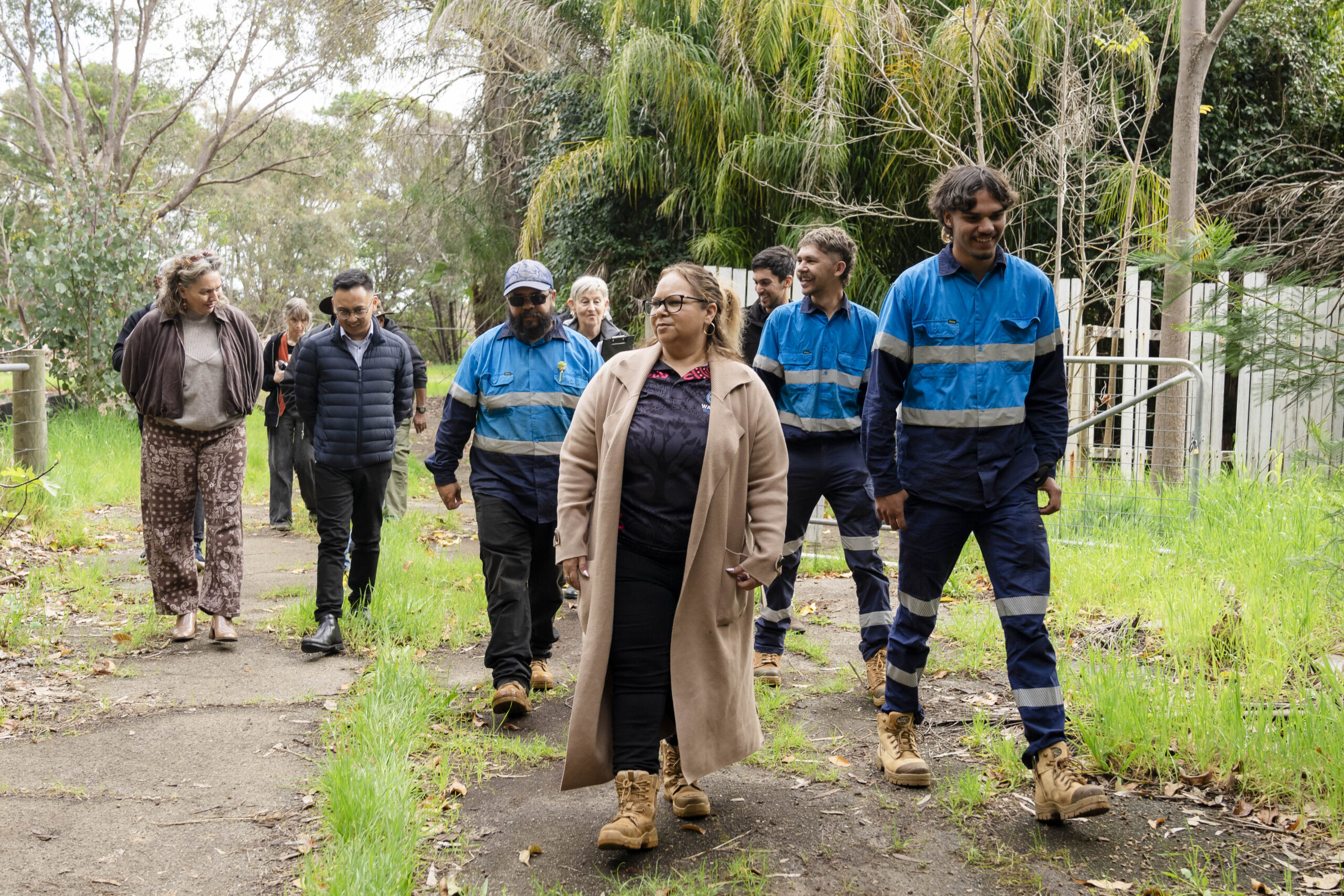
 Formed to address the declining health of the Bindjareb Djilba (Peel-Harvey Estuary), the region’s three Aboriginal Community Controlled Organisations united to form a powerful Bindjareb Noongar voice working closely with the WA government and other local stakeholders in regional governance.

Category 2: Outstanding examples of governance in Indigenous-led non-incorporated initiatives or projects

Winner: Blak & Bright First Nations Literary Festival Limited (Vic)
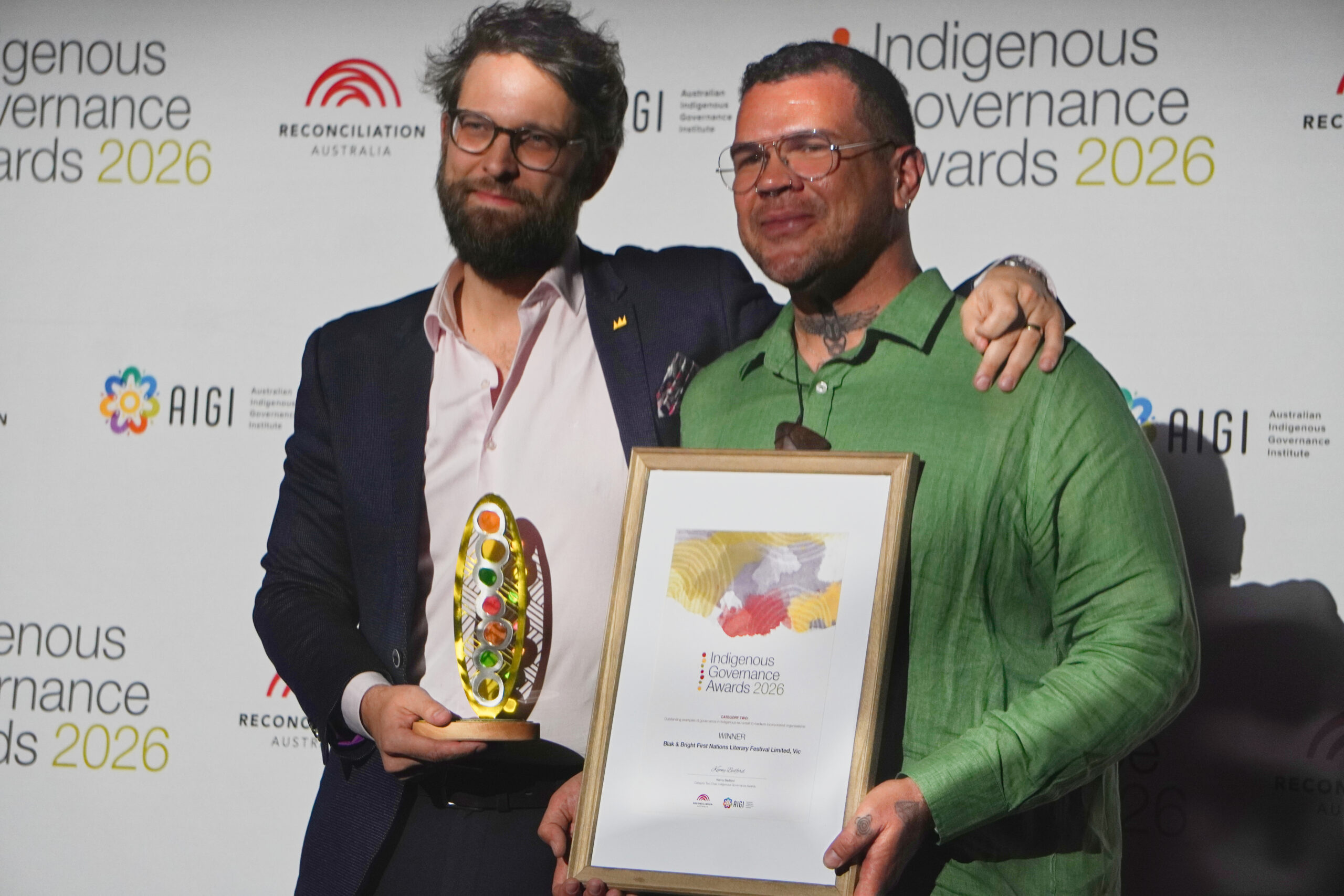
Created to address the absence of a dedicated platform led by and for First Nations writers and storytellers, Blak & Bright has grown into a national First Nations literary organisation delivering programming that deepens industry relationships and creates consistent opportunities for First Nations storytellers and audiences.

Category 2: Outstanding examples of governance in Indigenous-led non-incorporated initiatives or projects

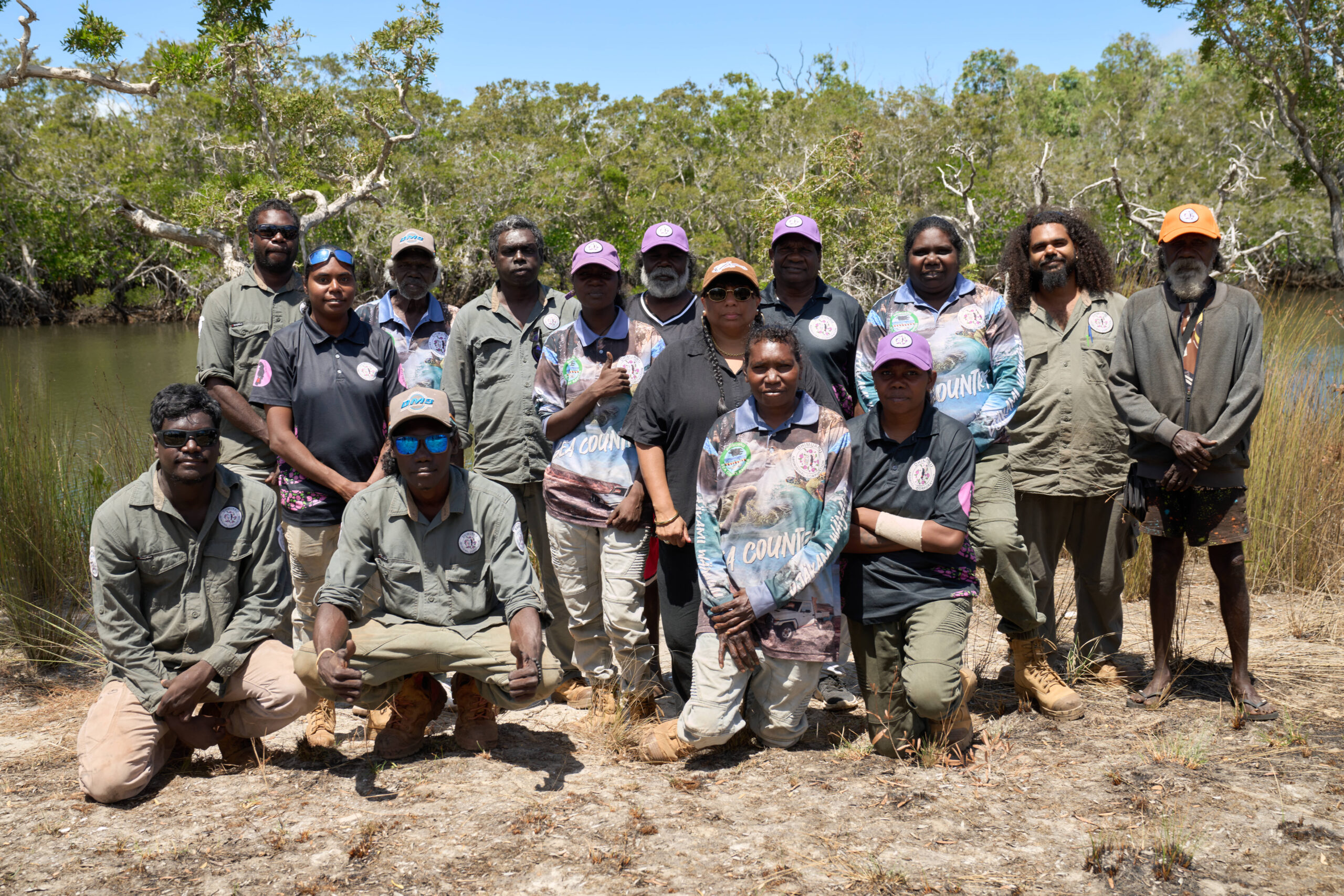
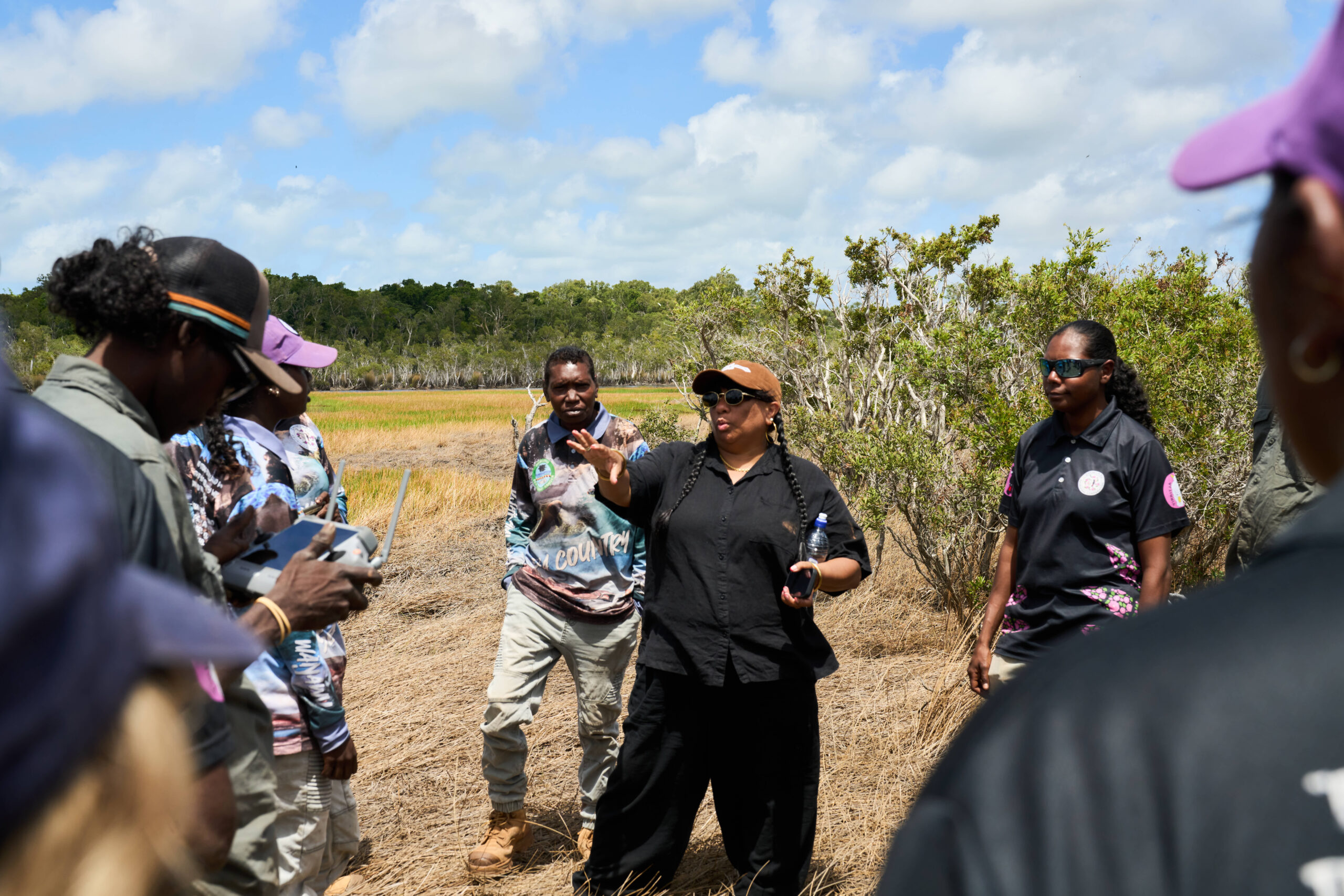
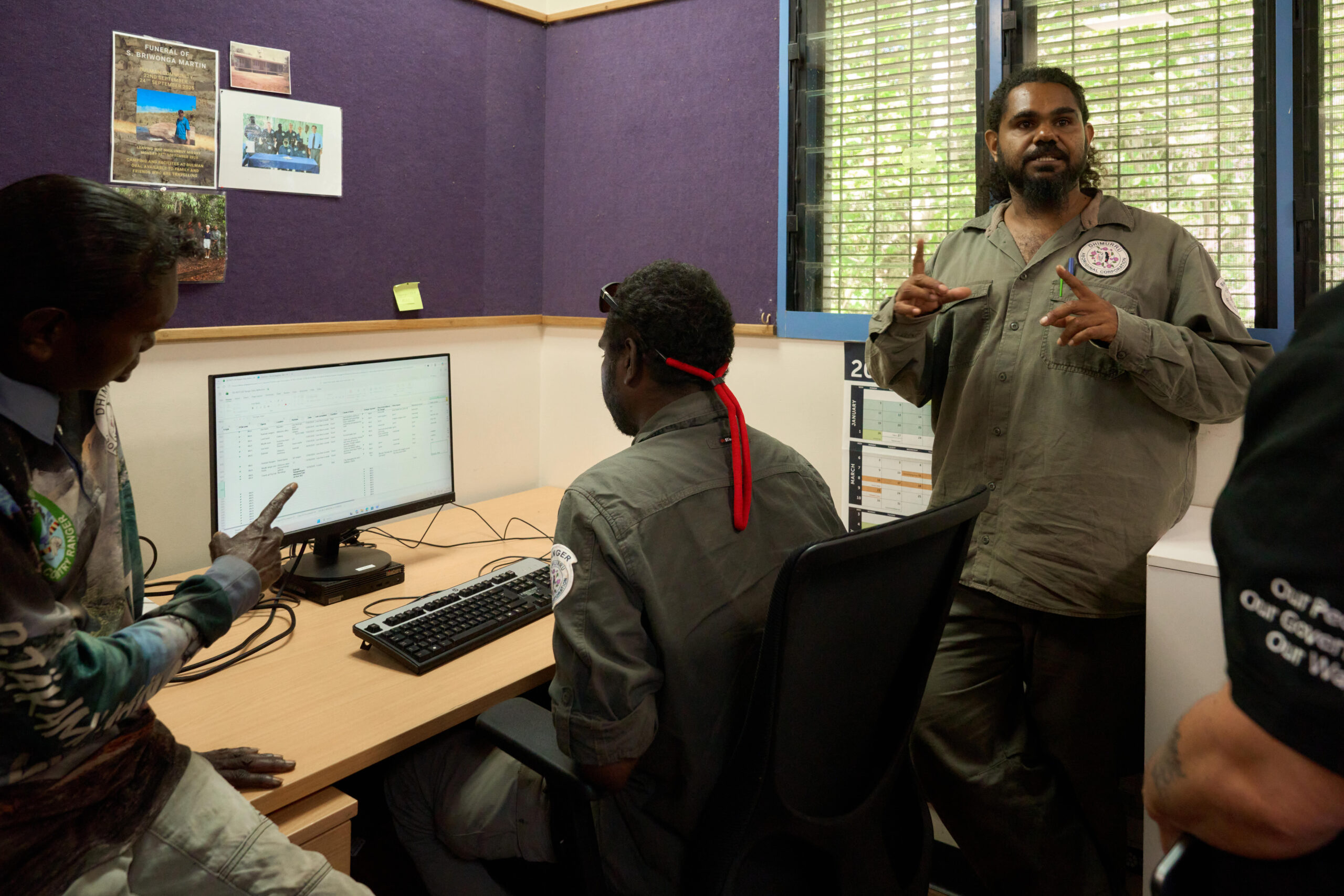
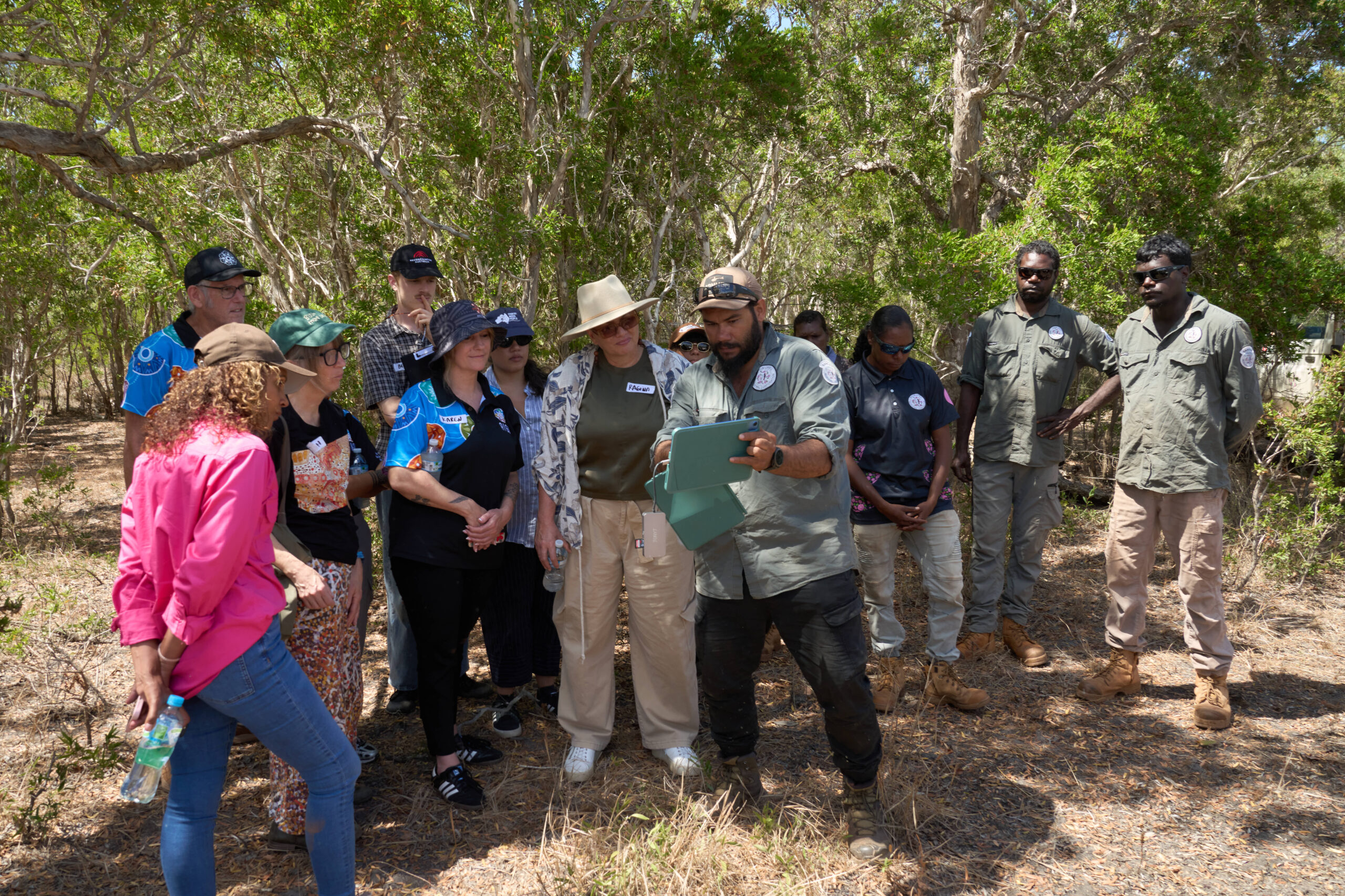
Winner: Dhimurru Aboriginal Corporation (NT)
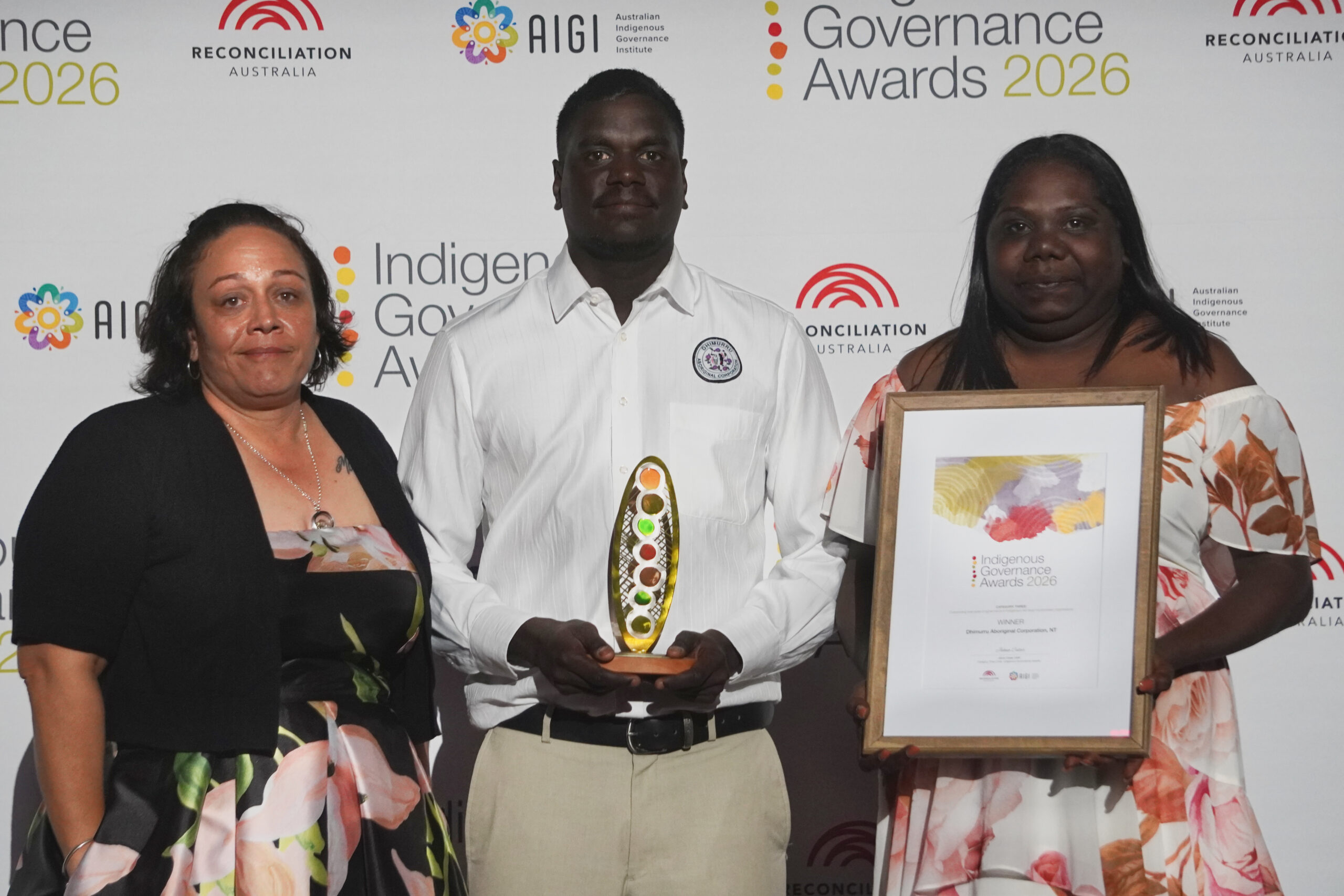
Established in 1992 by Yolŋu Traditional Owners in northeast Arnhem Land in response to increasing external pressure on Country, Dhimurru governs under a kinship-based system grounded in Yolŋu Gurruṯu, where authority and responsibility are determined through relationships to Country and clan.

Other finalist in Category 3

Reconciliation Australia and the Australian Indigenous Governance Institute congratulate all applicants for their extraordinary efforts and for the generous invitation to learn about their work. They also express their sincere appreciation to the judging panel, whose time, expertise, knowledge and guidance has been invaluable throughout the awards judging process.

Australian Indigenous Governance Institute CEO Ragina Rogers said:

‘The Indigenous Governance Awards recognise more than organisational achievement. They celebrate the ways our people bring together culture, community knowledge and contemporary governance practices to make decisions that reflect who they are, what they value and where they want to go.

‘Each finalist demonstrates that strong Indigenous governance is grounded in self-determination, cultural authority and accountability to community. Their achievements are a powerful reminder that when our people lead, our communities thrive.’

‘We celebrate the strength, leadership and determination of Aboriginal and Torres Strait Islander peoples and organisations who are shaping their own futures through strong governance.

Reconciliation Australia CEO Karen Mundine said:

‘Every one of the 60 organisations that applied for this year’s awards are honing unique methods of governance, driven by their Culture and community priorities.

‘Their work shows what is possible when people push through the structural barriers created by racism and unsuitable western structures – to create economic and governance vehicles that do the things that need to be done, in the cultural way they need to be done.

‘Each of the finalists demonstrates an impressive capacity to bridge cultural and bureaucratic worlds without compromising integrity, to create something entirely new that all Australians can learn from.

They are meeting their specific needs in ways that mainstream systems and approaches have struggled to address.’

Search

Established in 2022, the Yarning Circle was formed in response to two interconnected challenges: the declining health of the Bindjareb Djilba (Peel-Harvey Estuary) and the historical fragmentation of the Bindjareb Noongar voice in regional decision making.

The region’s three Aboriginal Community Controlled Organisations – Winjan, Harvey and Waroona Aboriginal Corporations – came together to address these crises and build a new model of governance to ensure Traditional Owners could speak for Country with a united and authoritative voice.

The Yarning Circle serves the Bindjareb Noongar community and the wider Peel-Harvey region, with members decided by Elders based on cultural authority. Together with their communities, they work to actualise the Bindjareb Gabi Wonga (Water Story), a strategic vision authored by Elders to heal the estuary.

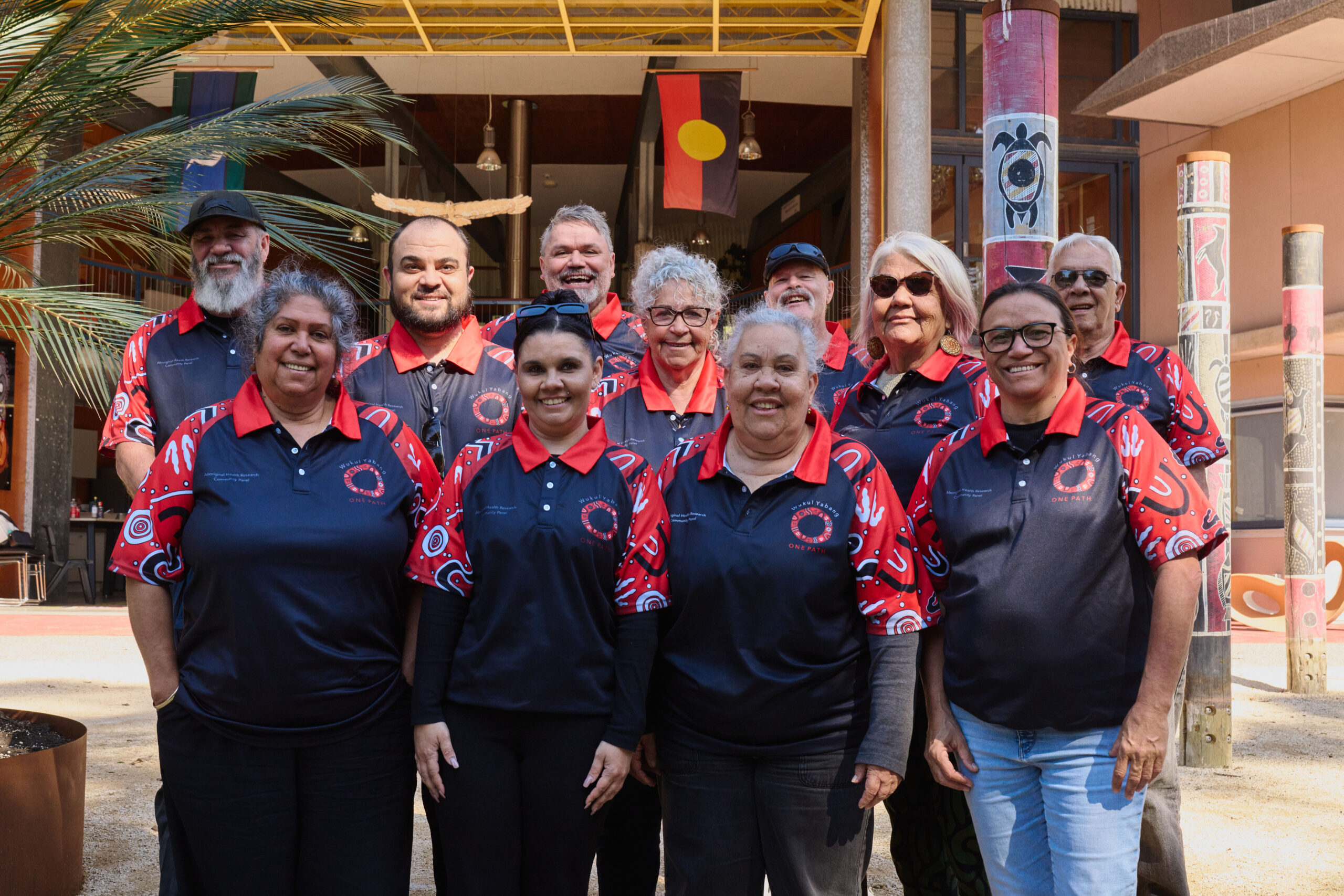
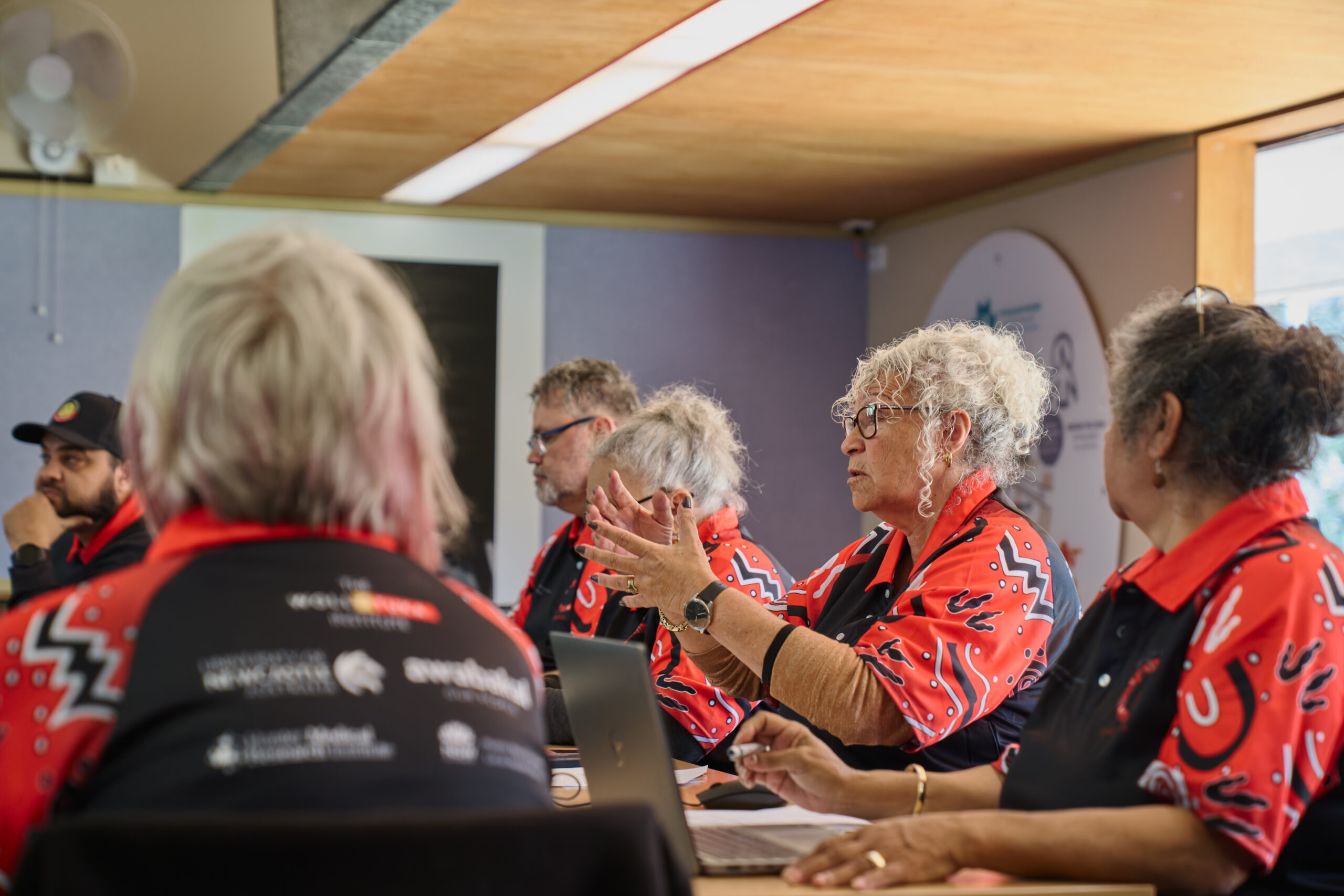
Wukul Yabang, meaning ‘One Path’ in Awabakal language, was established in 2023 to transform how Aboriginal health research is conducted across the Hunter New England region. The panel ensures Aboriginal people hold authority over research that affects their communities and that research delivers meaningful outcomes for First Nations peoples.

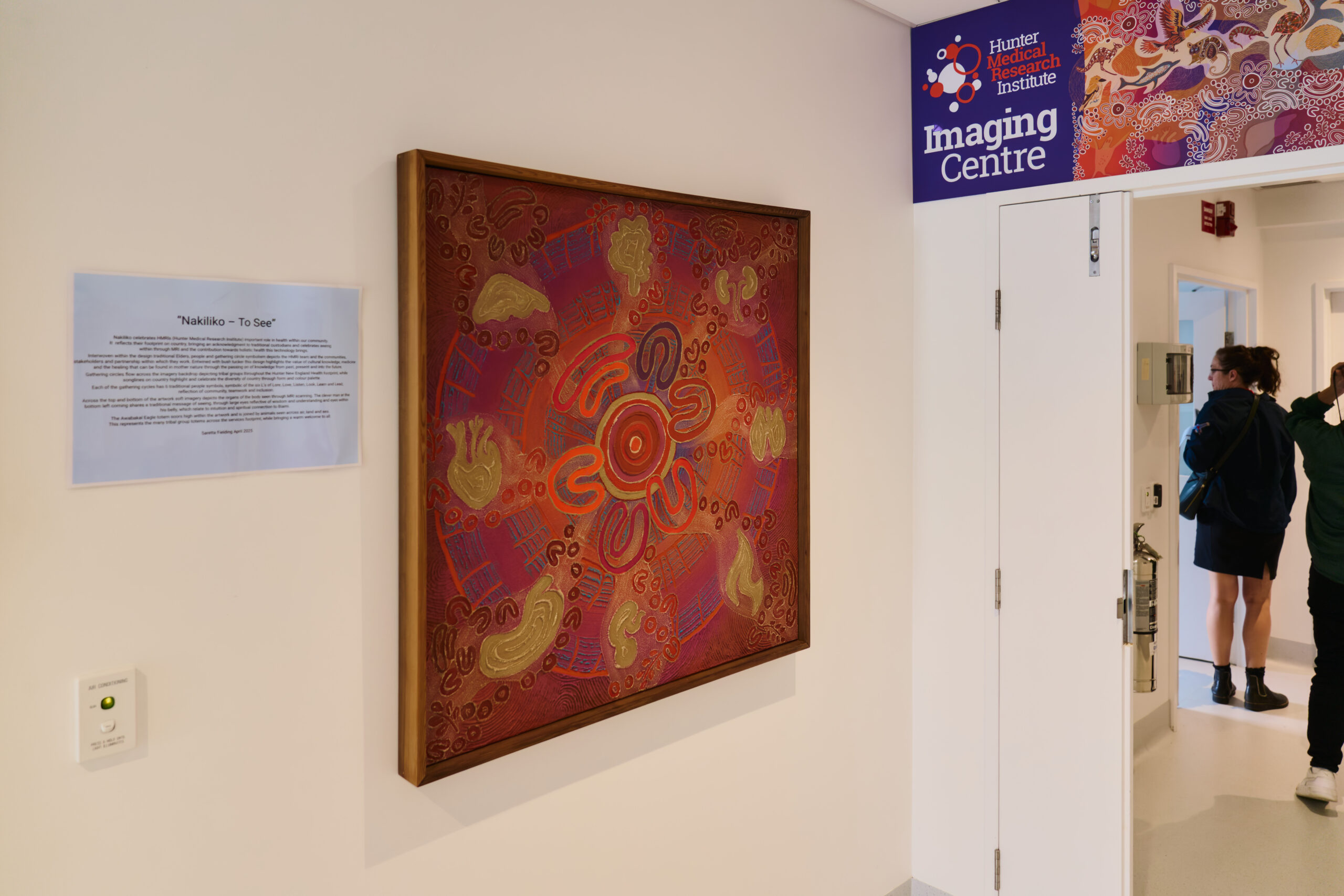
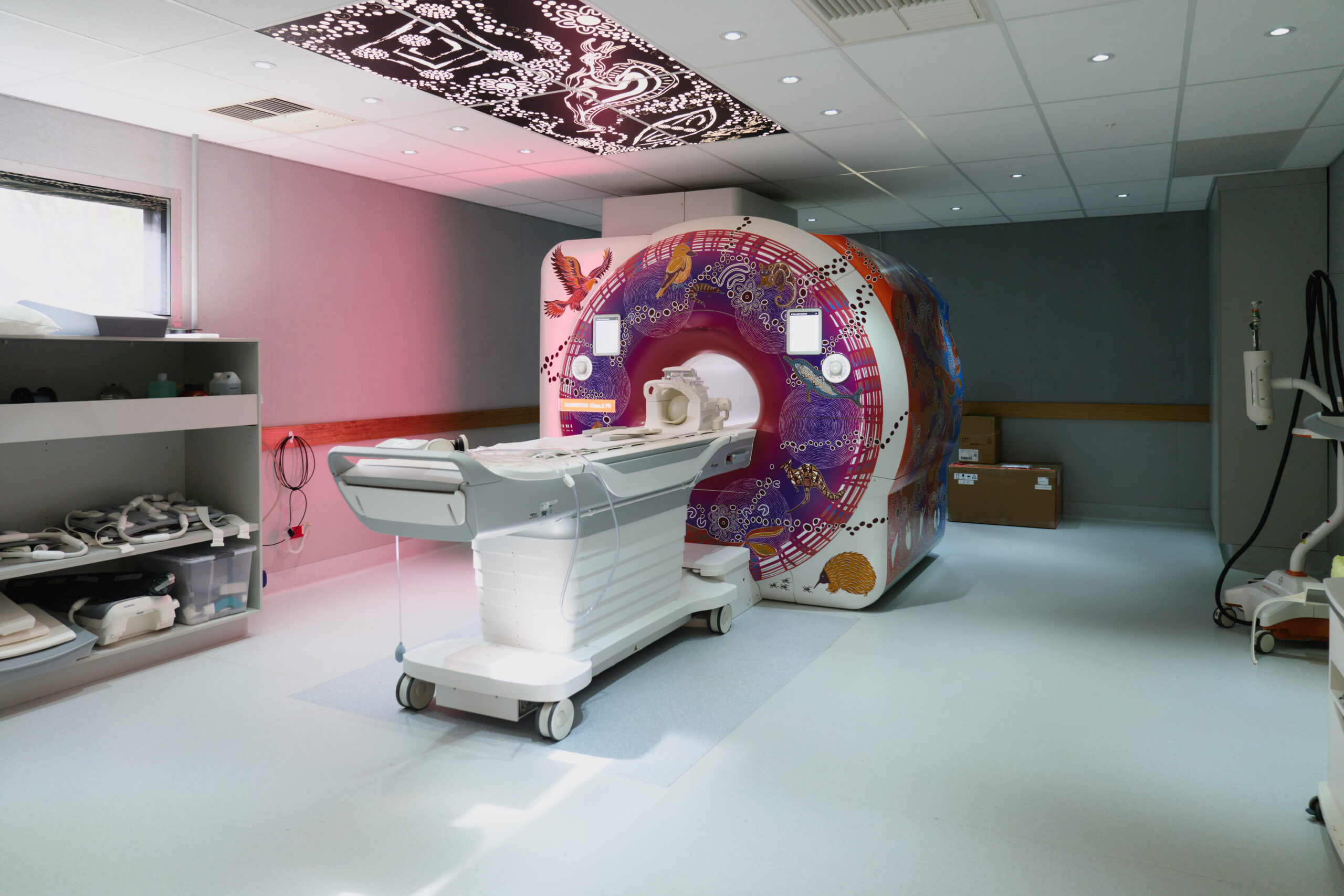
The research panel forms part of the collaborative strategy ‘Research Our Way’ developed in partnership with University of Newcastle, Awabakal Ltd Aboriginal Medical Service, the Hunter Medical Research Institute (HMRI) and Hunter New England Local Health District and is also jointly funded by these entities. This strategy centres sovereignty, cultural governance, and place-based decision-making in research processes.

The Northern Nunga Network was established in 2021 to address the recognised fragmentation of the service system in northern Adelaide by connecting Aboriginal and Torres Strait Islander health and social service providers.

The purpose of the network is to build connections and promote collaboration between organisations, businesses and community members to minimise the gaps in services, improve access to services and strengthen referrals to better meet the needs of the Aboriginal and Torres Strait Islander communities across northern Adelaide.

Membership has grown from just 3 members attending the inaugural meeting in 2021 to over 450 members in 2026.

Blak & Bright was created to address the absence of a dedicated platform led by and for First Nations writers and storytellers.

Founded in 2016 as a First Nations literary festival, it has since grown into a nationally recognised, First Nations literary organisation delivering national programming across multiple cities and communities, deepening industry relationships and creating consistent opportunities for First Nations storytellers and audiences.

Blak & Bright champions intellectual sovereignty, fair remuneration and meaningful pathways for First Nations creatives early into their careers.

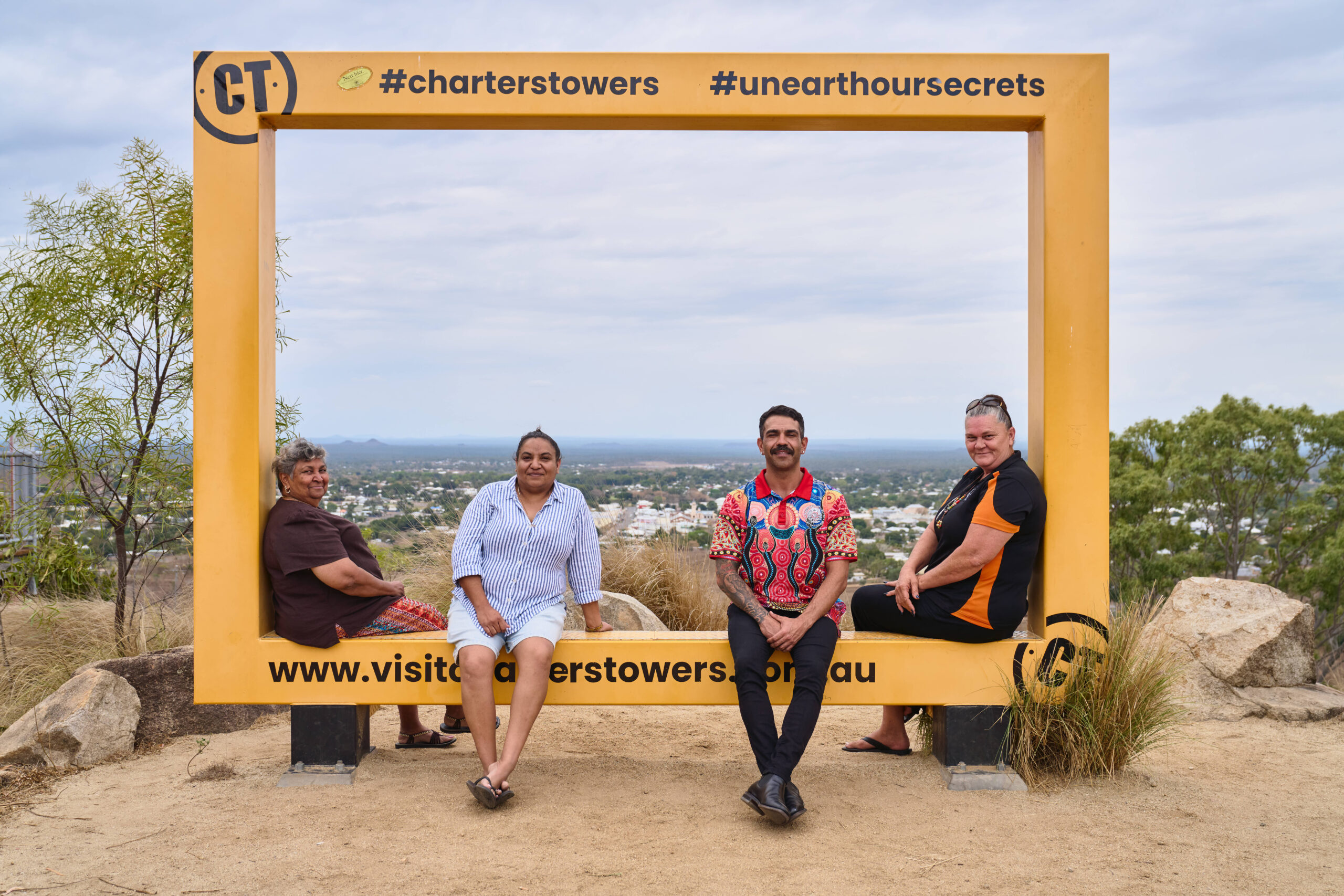
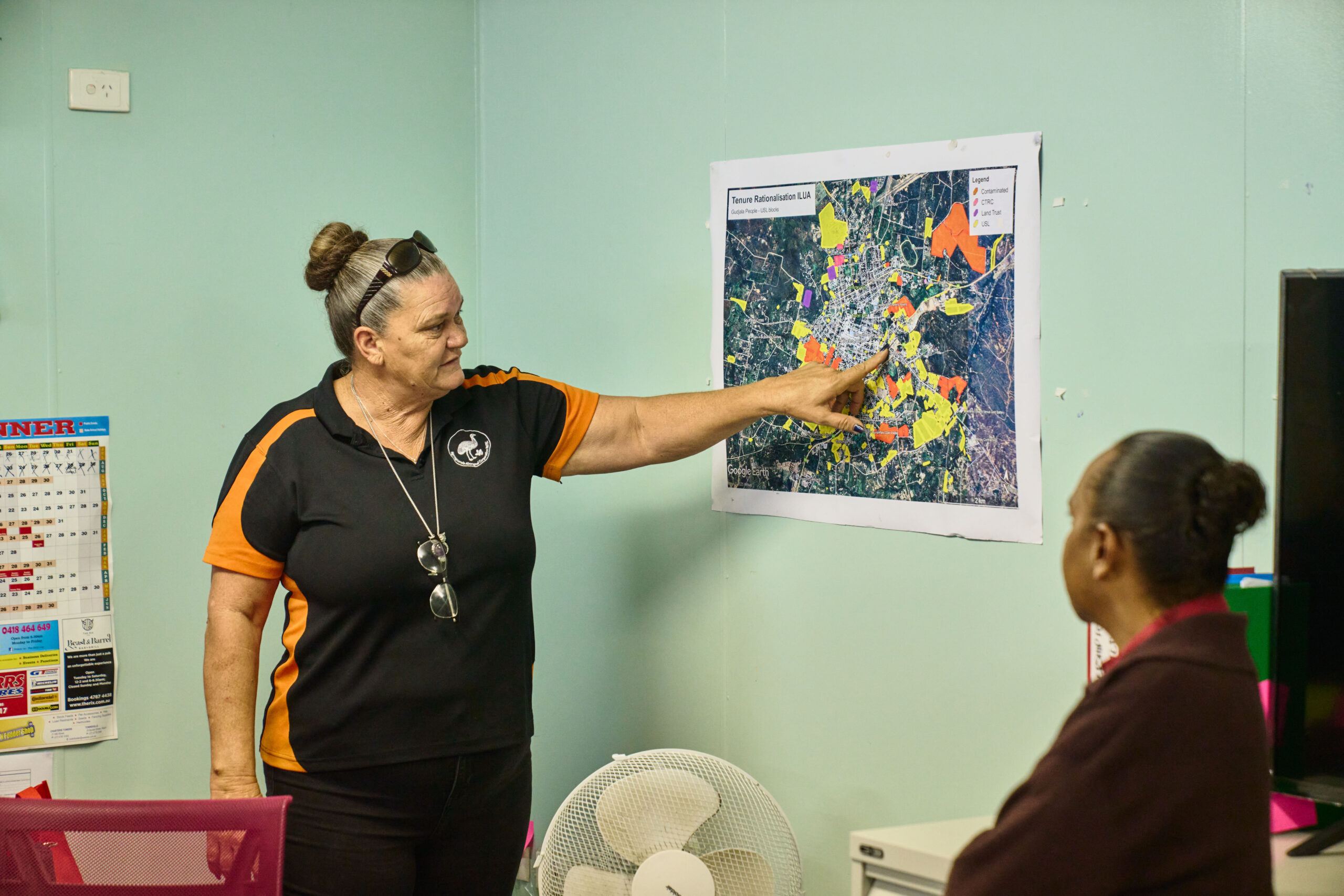
Established in 2014 following the formal recognition of the Gudjala People’s Native Title rights, NAC is the Prescribed Body Corporate for the Gudjala People of north Queensland.

The organisation was created to ensure Gudjala People could exercise decision-making authority over Country through governance that is both culturally grounded and legally robust.

NAC serves Gudjala Common Law Holders and their families, protecting cultural heritage, managing community assets and creating pathways towards economic sovereignty and self-determination.

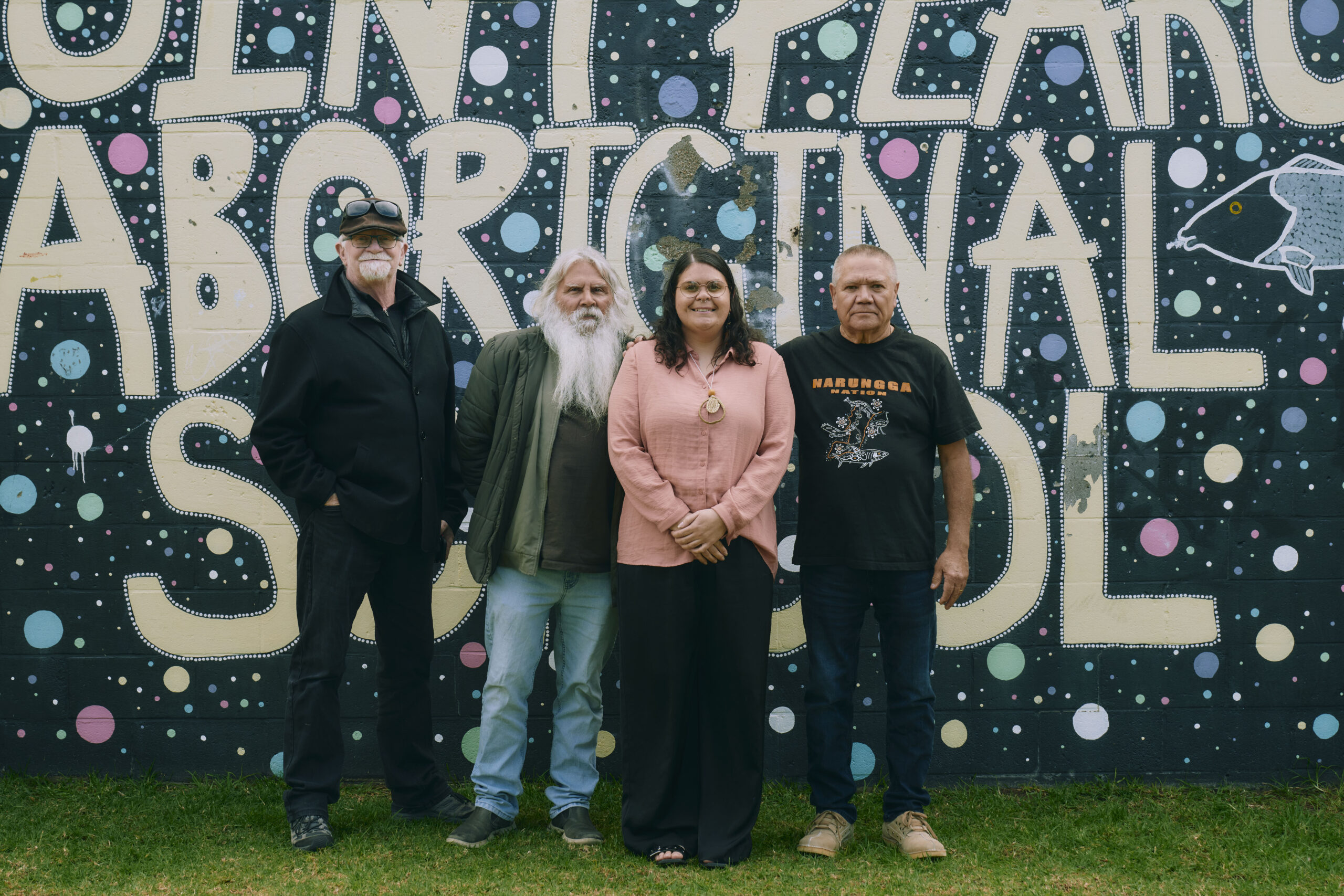
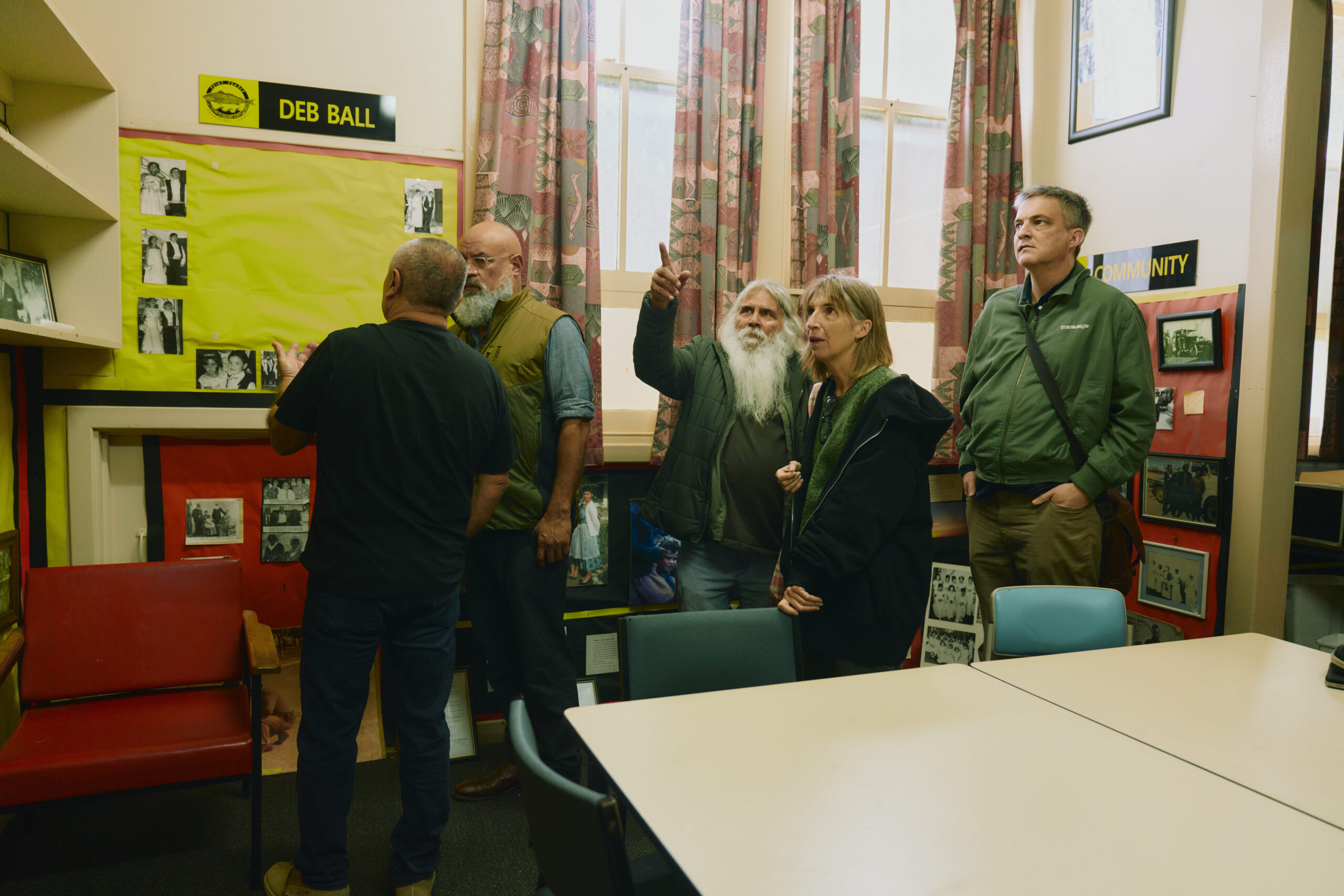
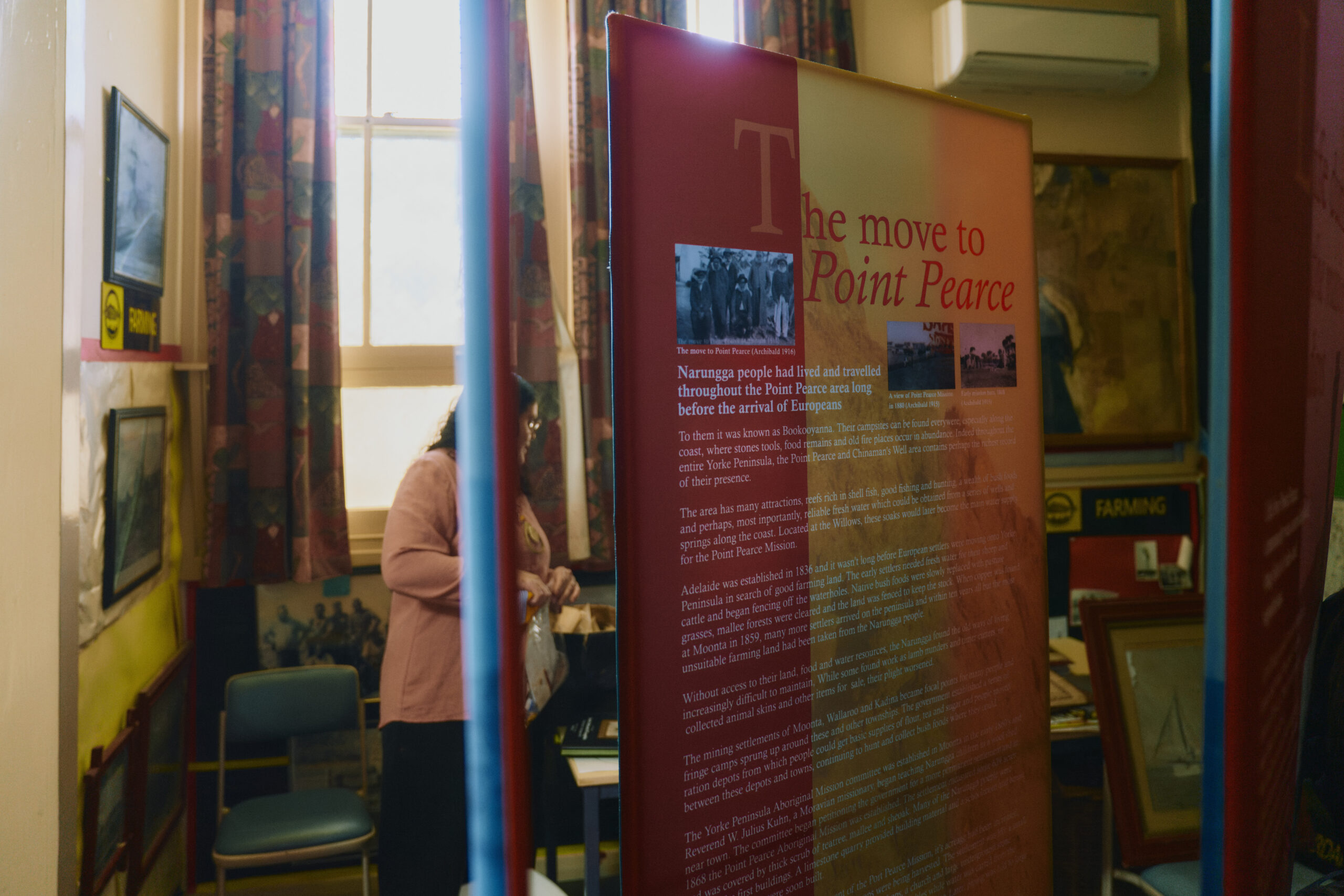
Point Pearce Aboriginal Corporation (PPAC) serves the Narungga community of Point Pearce. It supports community members, families, Elders and young people through governance, land and asset management, youth programs, ranger initiatives, infrastructure projects and cultural activities that strengthen local self-determination and long-term community resilience.

The formation of PPAC created a formal governance body capable of holding leases, managing funding agreements, entering partnerships and advocating directly for community interests.

The organisation was built to ensure that revenue generated from community assets would be directed toward local priorities rather than administered remotely.

Dhimurru Aboriginal Corporation was established in 1992 by Yolŋu Traditional Owners in northeast Arnhem Land in response to increasing pressure on Country from mining, tourism, and external management systems.

Yolŋu Elders determined that land and sea must be managed under rom (law), gurruṯu (kinship), and wäŋa (Country). Dhimurru was created to ensure that decision-making authority remains with Traditional Owners.

Today, Dhimurru manages approximately 550,000 hectares of land and sea Country, delivering large-scale environmental, cultural, and community outcomes under Yolŋu governance.

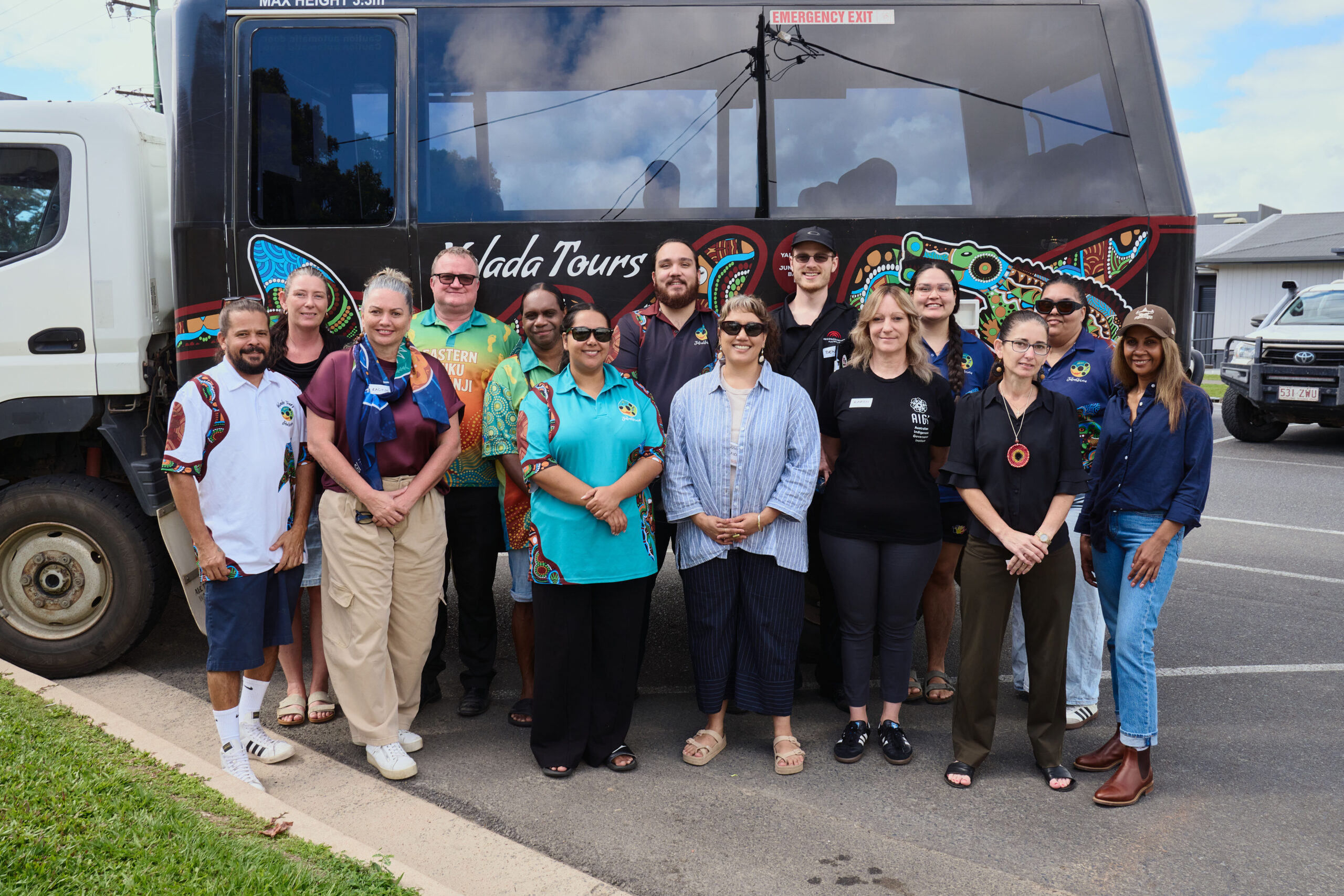
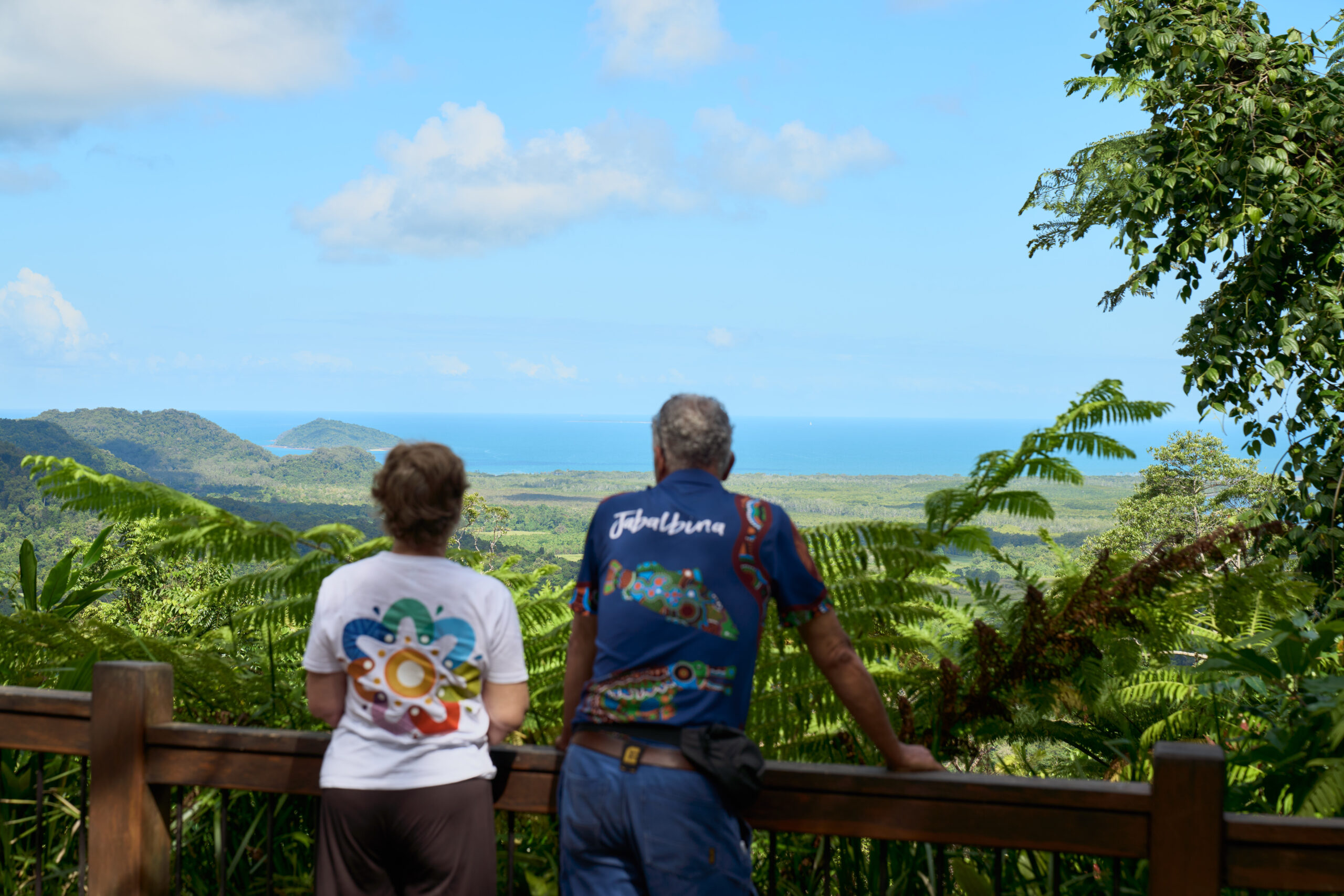
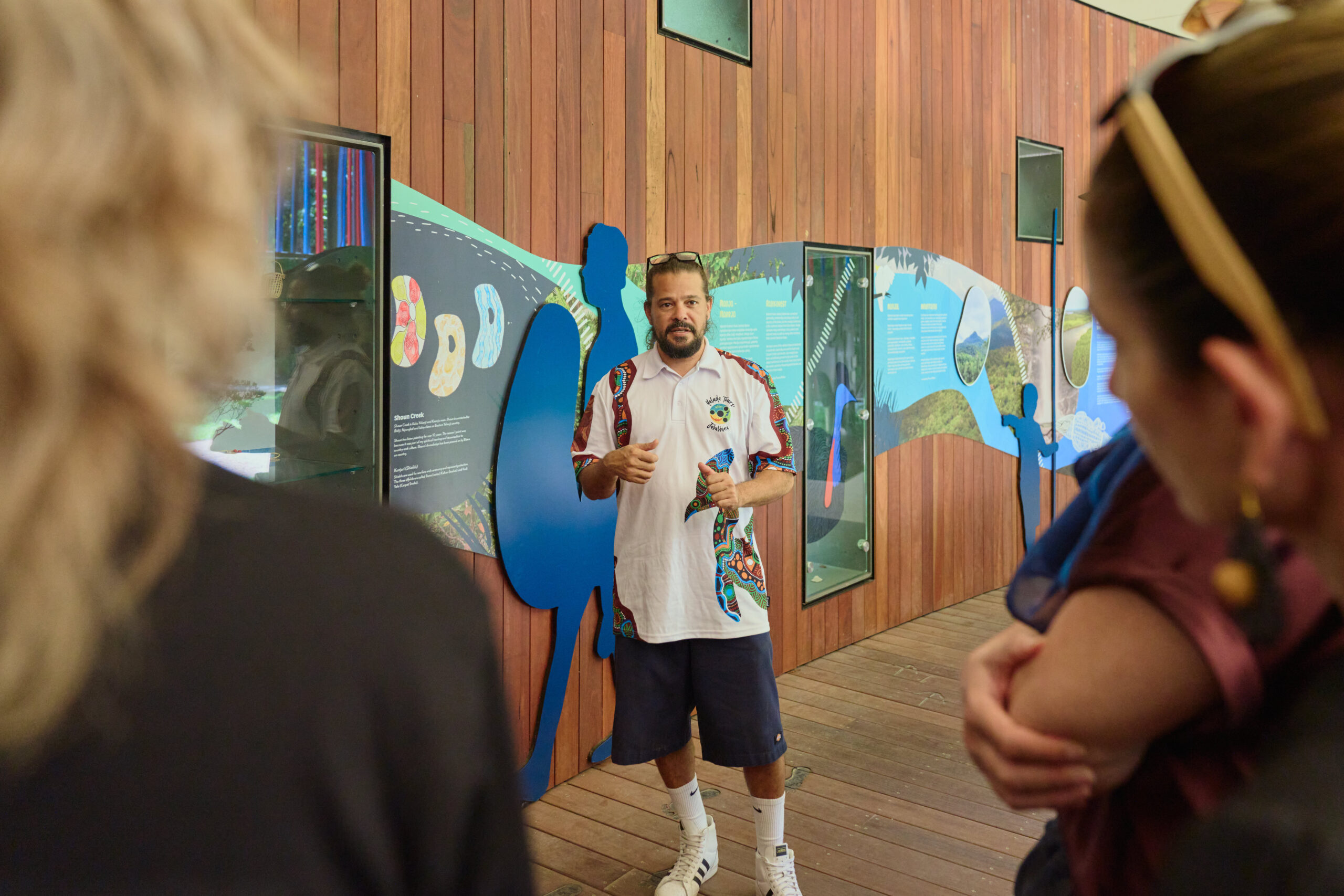
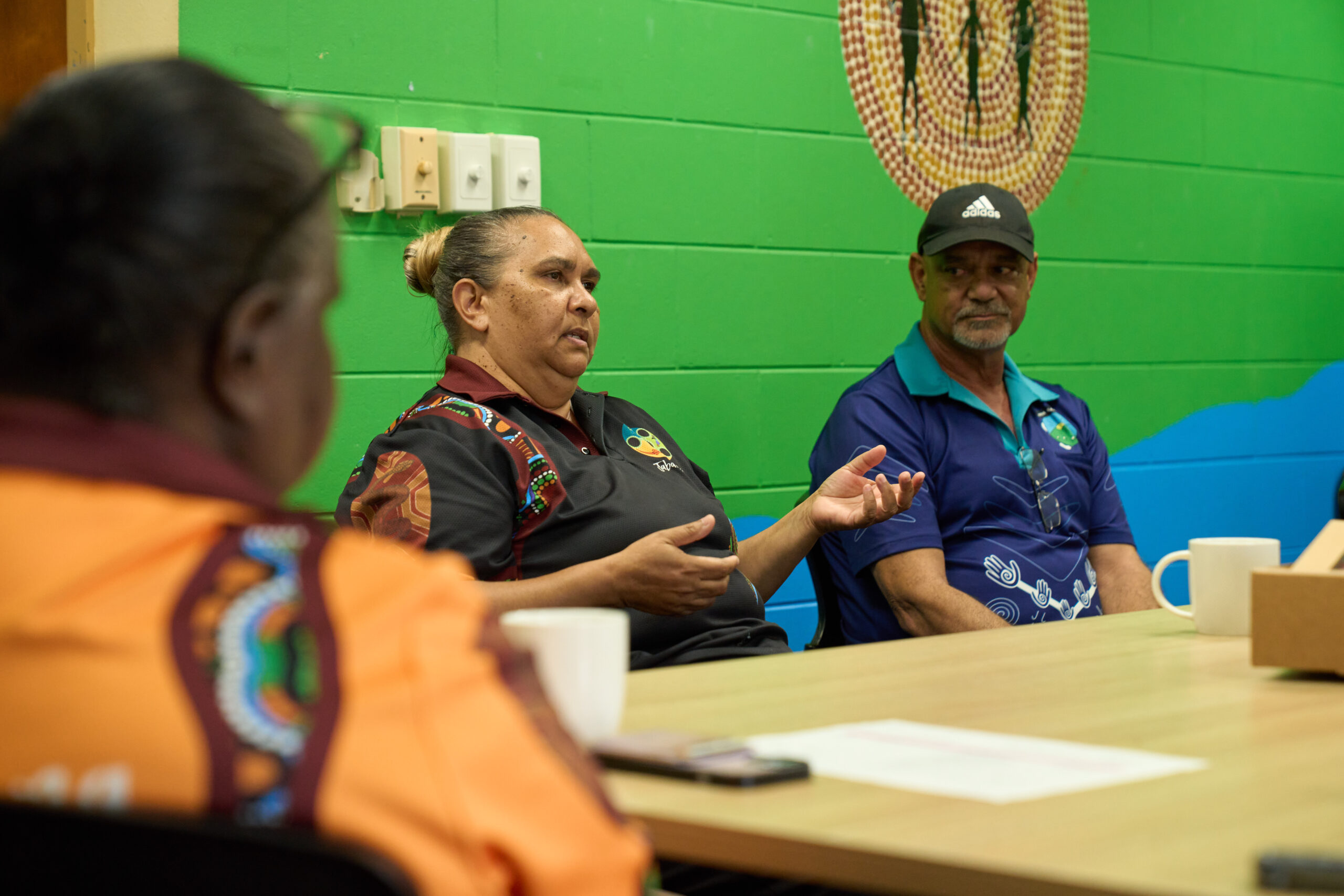
Jabalbina was established in 2007 following the recognition of Native Title and the negotiation of the Eastern Kuku Yalanji Indigenous Land Use Agreements (ILUAs).

With the return of significant areas of land through the ILUAs, there was a clear need for a strong, culturally led organisation capable of coordinating land management, supporting governance structures, and ensuring that decisions affecting Country were made by Traditional Owners in accordance with cultural lore and custom.

Jabalbina meets this need through a culturally governed structure that supports Eastern Kuku Yalanji (EKY) people to exercise their rights and responsibilities for Bubu (Country), including land and sea management, cultural heritage protection, and the implementation of ILUA commitments.

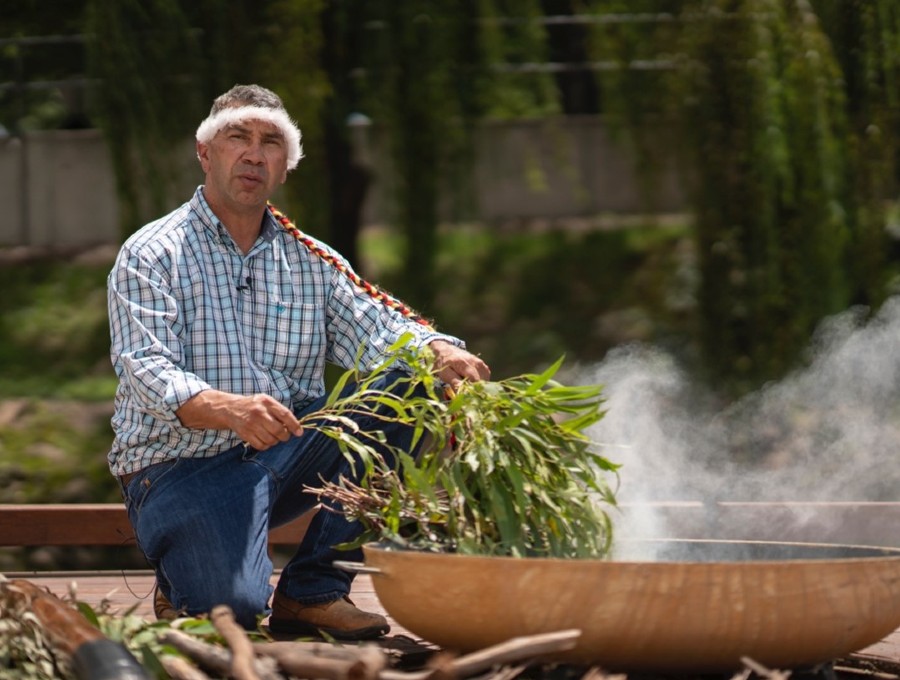
Paul House with gum leaves and smoke
Paul Girrawah House

Paul Girrawah House has multiple First Nation ancestries from the South-East Canberra region, including the Ngambri-Ngurmal (Walgalu), Pajong (Gundungurra), Wallabollooa (Ngunnawal) and Erambie/Brungle (Wiradyuri) family groups.

Paul acknowledges his diverse First Nation history, he particularly identifies as a descendant of Onyong aka Jindoomang from Weereewaa (Lake George) and Henry ‘Black Harry’ Williams from Namadgi who were both multilingual, essentially Walgalu-Ngunnawal-Wiradjuri speaking warriors and Ngunnawal–Wallaballooa man William Lane aka ‘Billy the Bull’ - Murrjinille.

Paul was born at the old Canberra hospital in the centre of his ancestral country and strongly acknowledges his First Nation matriarch ancestors, in particular his mother Dr Aunty Matilda House-Williams and grandmother, Ms Pearl Simpson-Wedge.

Paul completed a Bachelor of Community Management from Macquarie University, and Graduate Certificate in Wiradjuri Language, Culture and Heritage and Management from CSU.

Paul provided the Welcome to Country for the 47th Opening of Federal Parliament in 2022. Paul is Board Director, Ngambri Local Aboriginal Land Council, Member Indigenous Reference Group, National Museum of Australia and Australian Government Voice Referendum Engagement Group.  

Paul works on country with the ANU, First Nations Portfolio as a Senior Community Engagement Officer

Acknowledgement of Country

Reconciliation Australia acknowledges Traditional Owners of Country throughout Australia and recognises the continuing  connection to lands, waters and communities. We pay our respect to Aboriginal and Torres Strait Islander cultures; and to Elders past and present. 

Aboriginal and Torres Strait Islander peoples should be aware that this website contains images or names of people who have passed away.

Skip to content
Copy link
Powered by Social Snap