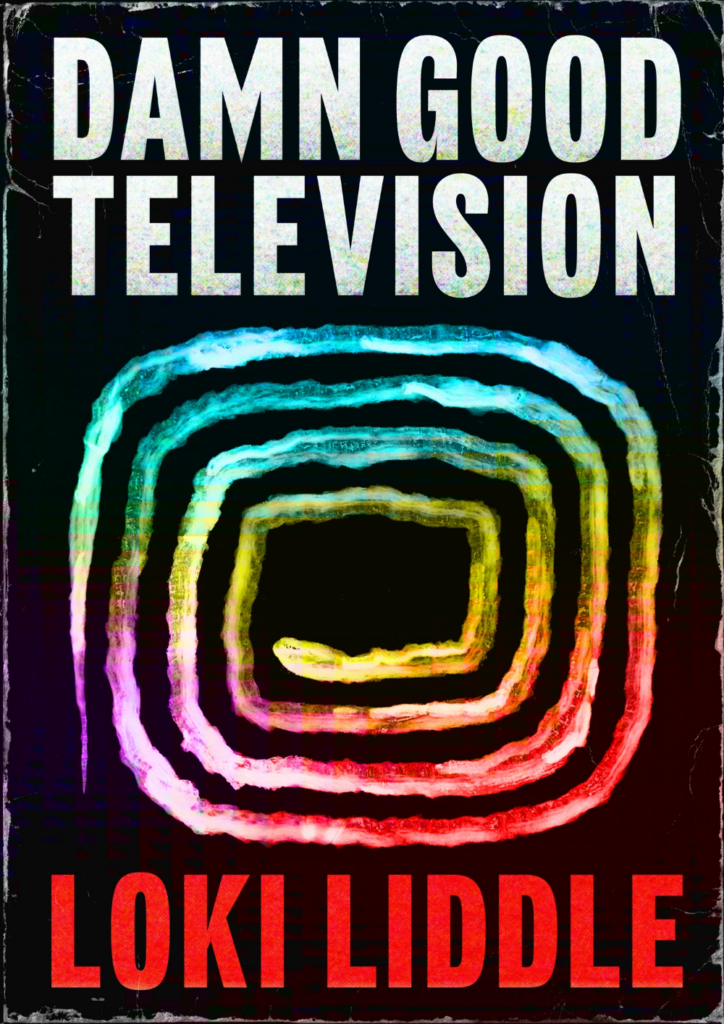
Damn Good Television
Loki Liddle
Magabala Books
‘Plug your brain into these pages and download the whole seven season mini-series directly into your nervous system.’
Damn Good Television is the debut release from proud Jabirr Jabirr poet and musician Loki Liddle.
Each section of the book is set within seven seasons, delivered in raw prose devoid of unnecessary platitudes and feels like you’re being sucked into the silver screen yourself.
It would be fair to say that not many books of prose could successfully interweave pop culture references from Home & Away and The Matrix to Ziggy Stardust, but Liddle manages to paint a visceral experience for the reader. These modern references are set comfortably alongside much older ones, and stories of his ancestors. He creates an intimacy between the prose and the reader thanks to the gritty openness of his skilful poetry.
Just like some of the best television, Liddle’s bingeable poetry keeps you hanging on season after season.
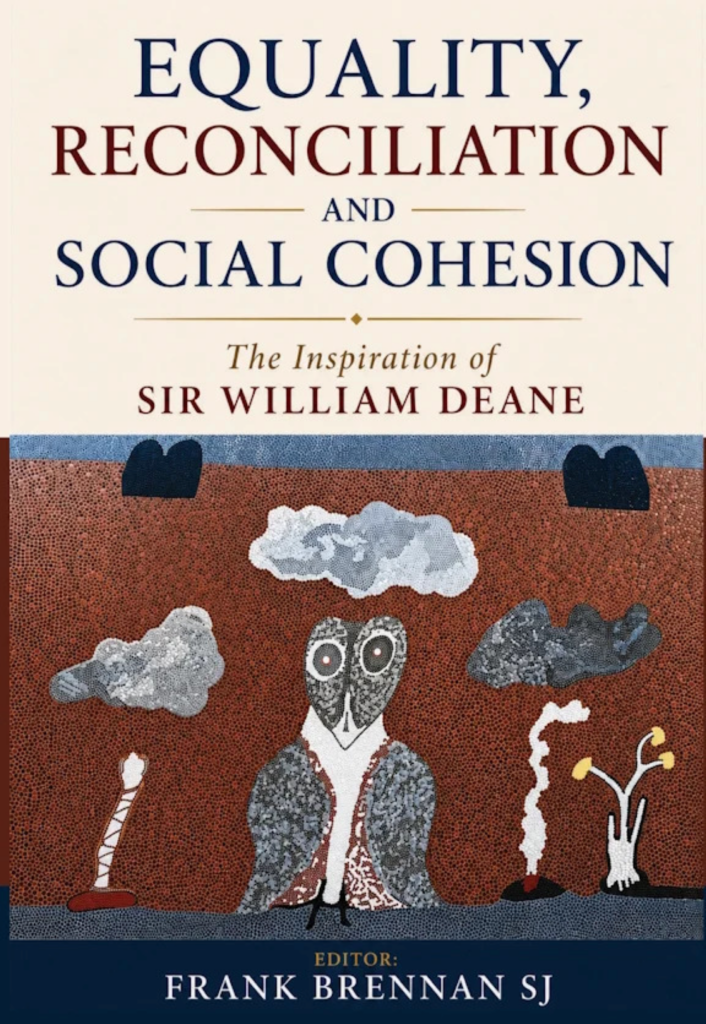
Equality, Reconciliation and Social Cohesion: The Inspiration of Sir William Deane
Edited by Frank Brennan SJ
Connor Court Publishing
Equality, Reconciliation and Social Cohesion brings together significant speeches and writings by Sir William Deane, barrister and former Governor-General of Australia, exploring the values of equality, justice and compassion that shaped his public life.
Edited by Frank Brennan SJ, the collection reflects on Deane’s commitment to reconciliation, alongside his advocacy for cultural and religious diversity. Drawing on his time as a High Court Justice and Australia’s 22nd Governor-General, the book offers readers an opportunity to revisit his vision for a nation grounded in dignity, mutual respect and social inclusion.
Deane’s contribution to reconciliation holds particular significance for Reconciliation Australia as he was one of the organisation’s first patrons. The foreword is written by the current Governor-General of Australia and Reconciliation Australia patron, the Hon Sam Mostyn AC.
At a time when questions of national identity, social cohesion and mutual respect continue to shape public discussion, this collection provides a timely opportunity to reflect on the values that underpin reconciliation and the role each of us can play in building a fairer Australia.
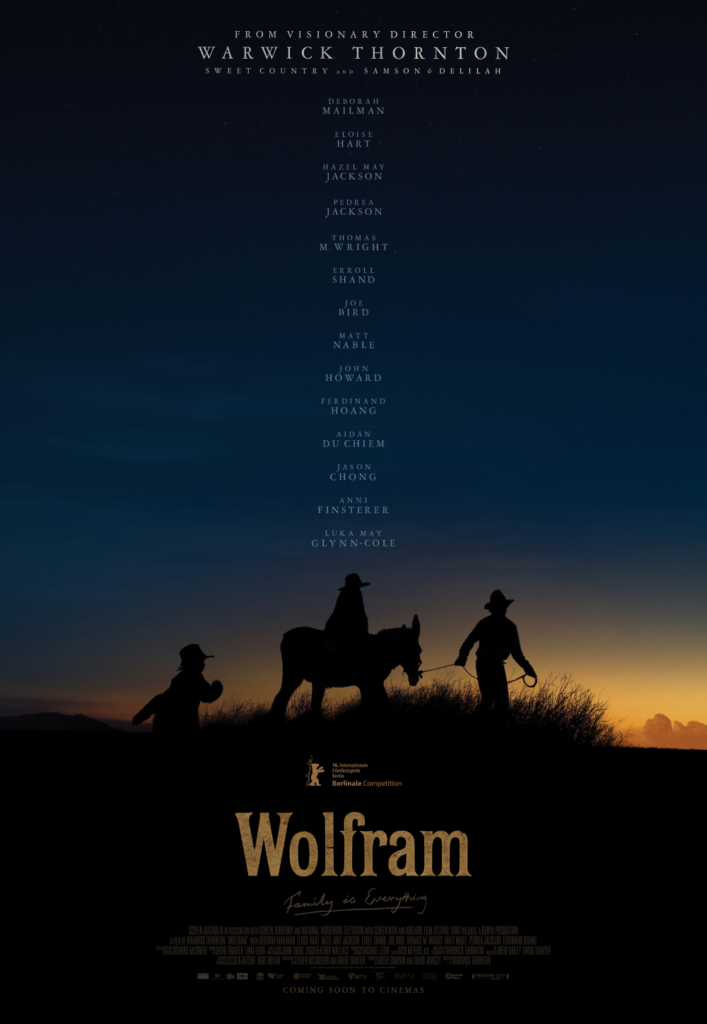
Wolfram (2025)
Bunya Productions | Retroflex Lateral | Wolfram Studios
Dir. Warwick Thornton
Wolfram is the sequel to director Warwick Thornton’s 2017 revisionist “meat pie” Western Sweet Country, and with this follow up, Thornton proves once more that nobody captures this land quite like he does.
Running just under two hours, the film follows two narrative threads. The first picks up on the story of the runaway Philomac, a boy in Sweet Country, a teenager here. The second follows a new mother, played by Deborah Mailman, on a largely wordless outback odyssey in search of her stolen children.
Philomac starts the film in the service of a squatter but is spurred into action by the arrival of two youngsters, fleeing a tungsten mine. The mine, where the children are exploited for labour by a cruel and hapless white prospector, offers a nod to the film’s name, wolfram being an archaic term for tungsten.
As these two journeys unfold Thornton, in his signature style, never hurries his characters. While they are largely Western genre archetypes, they are given plenty of space to breathe by Thornton’s camera and penchant for minimal dialogue. In this space, these familiar shapes gain greater depth, filled in by the land and it’s history, the hurt and heart embedded within it.
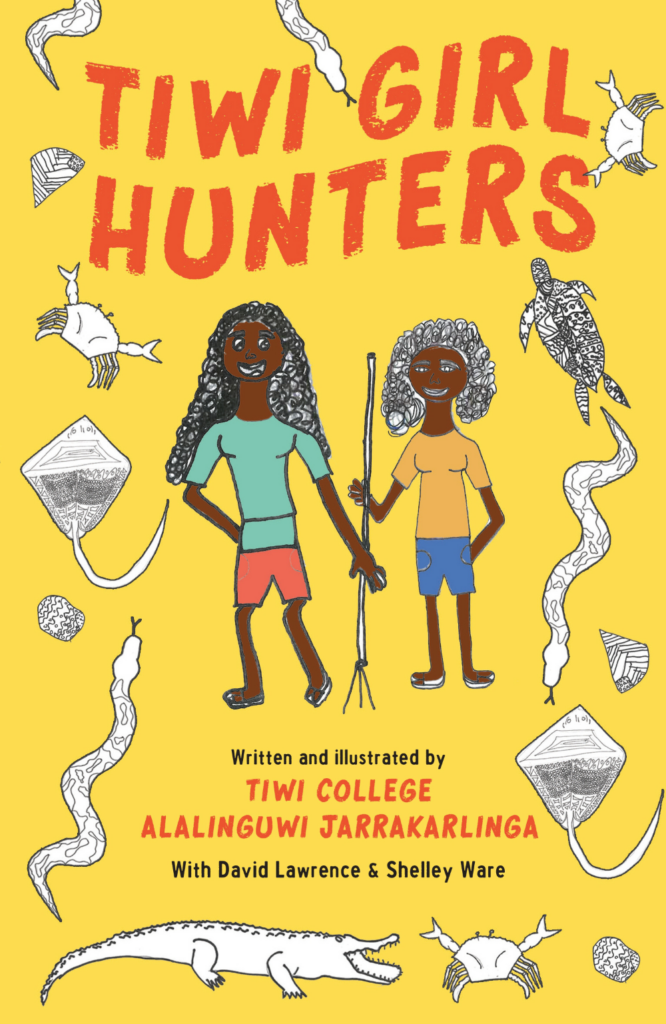
Tiwi Girl Hunters Apikirayiwi
Tiwi College Alalinguwi Jarrar
Hachette Australia
Written by students from Tiwi College on the Tiwi Islands, with the Indigenous Literacy Foundation’s David Lawrence and Shelley Ware, Tiwi Girl Hunters Apikirayiwi follows best friends Lola and Maryanne as they head off camping and hunting with Lola’s mum, Bri, her Nanna Ticky and their dog, Trouble. When the girls are finally given the chance to hunt on their own, things don’t quite go to plan.
Created through the Indigenous Literacy Foundation’s Create initiative, the book celebrates the creativity and storytelling of young Tiwi women. Through its lively characters, humour and references to hunting and life on Country, it offers readers a glimpse into Tiwi Community life while sharing a relatable story about friendship, growing confidence and adventure.
The book has also been selected for the inaugural IBBYUNESCO Collection of Remarkable Books for Young Readers in Indigenous and Endangered Languages, recognising its contribution to celebrating First Nations storytelling and language. It’s an engaging read for younger audiences and a wonderful opportunity to discover a story created by young First Nations writers.
This article is from the 56th edition of Reconciliation News. Read the rest of the issue.