National Sorry Day: From Sorry to Action

On National Sorry Day, we honour the strength, truth and lived experiences of Stolen Generations survivors and their families.

A generation after the 1997 Bringing Them Home report was delivered only five of its 83 recommendations to address the harm caused under these past government policies have been fully implemented.

Many survivors who shared their stories are no longer with us. For those who remain, time is running out to deliver justice within their lifetimes.

Reconciliation Australia stands with The Healing Foundation in amplifying this year’s clear call: From Sorry to Action and plan to act on Bringing them home (2026-2028).

Saying sorry matters. It acknowledges truth and signals compassion.

But sorry without action is not enough.

Sorry Day is a reminder for all Australians to acknowledge the truth of how Aboriginal and Torres Strait Islander children were forcibly removed from their families, communities and Country, and the enduring, intergenerational impacts that continue today.

Real change demands leadership, accountability and urgency.

It means acting now to meet the outstanding needs of Aboriginal and Torres Strait Islander Stolen Generations survivors and their families.

It means delivering on the commitments made nearly three decades ago, and it means recognising that we cannot close the gap without addressing the ongoing impacts of removal, trauma and disconnection that continue to shape health, wellbeing and life outcomes today.

This is part of the unfinished business of reconciliation.

The Healing Foundation’s advocacy makes this responsibility clear. We owe it to the survivors who are still with us, and to the families of those we have lost, to make swift, meaningful change.

Listening to and acknowledging the full history of the Stolen Generations is essential to building understanding, respect and lasting change and turning sorry into action.
Search
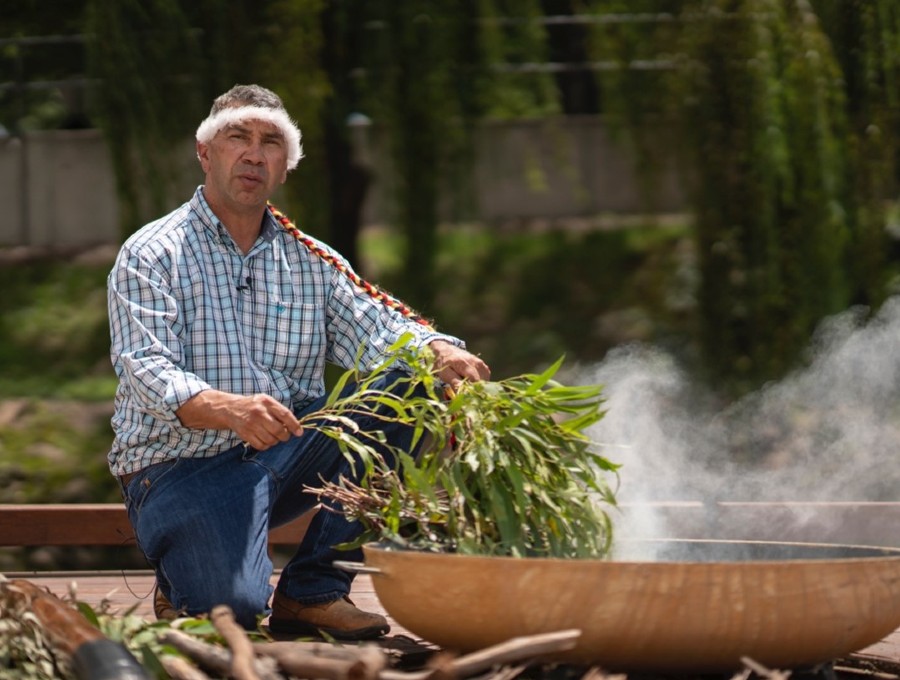
Paul House with gum leaves and smoke
Paul Girrawah House

Paul Girrawah House has multiple First Nation ancestries from the South-East Canberra region, including the Ngambri-Ngurmal (Walgalu), Pajong (Gundungurra), Wallabollooa (Ngunnawal) and Erambie/Brungle (Wiradyuri) family groups.

Paul acknowledges his diverse First Nation history, he particularly identifies as a descendant of Onyong aka Jindoomang from Weereewaa (Lake George) and Henry ‘Black Harry’ Williams from Namadgi who were both multilingual, essentially Walgalu-Ngunnawal-Wiradjuri speaking warriors and Ngunnawal–Wallaballooa man William Lane aka ‘Billy the Bull’ - Murrjinille.

Paul was born at the old Canberra hospital in the centre of his ancestral country and strongly acknowledges his First Nation matriarch ancestors, in particular his mother Dr Aunty Matilda House-Williams and grandmother, Ms Pearl Simpson-Wedge.

Paul completed a Bachelor of Community Management from Macquarie University, and Graduate Certificate in Wiradjuri Language, Culture and Heritage and Management from CSU.

Paul provided the Welcome to Country for the 47th Opening of Federal Parliament in 2022. Paul is Board Director, Ngambri Local Aboriginal Land Council, Member Indigenous Reference Group, National Museum of Australia and Australian Government Voice Referendum Engagement Group.  

Paul works on country with the ANU, First Nations Portfolio as a Senior Community Engagement Officer

Acknowledgement of Country

Reconciliation Australia acknowledges Traditional Owners of Country throughout Australia and recognises the continuing  connection to lands, waters and communities. We pay our respect to Aboriginal and Torres Strait Islander cultures; and to Elders past and present. 

Aboriginal and Torres Strait Islander peoples should be aware that this website contains images or names of people who have passed away.

Skip to content
Copy link
Powered by Social Snap