As part of marking 25 years of Reconciliation Australia, we asked five of our favourite writers – Anita Heiss, Corey Tutt, Jackie Huggins, Kirli Saunders and Shane Howard – for their most iconic reconciliation reads.
The results are diverse, a little surprising and it turns out some of the authors are each other’s favourites too!
Anita Heiss recommends:
Sister Girl: Reflections on Tiddaism, Identity and Reconciliation – Jackie Huggins
‘In this collection of essays, Jackie covers many themes, issues and moments in history that impacted her personally, and the nation at large. She writes that she was schooled by the early reconciliationists and suggests she had reconciliation in her genes.’

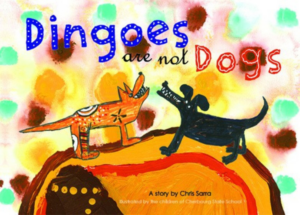
Dingoes Are Not Dogs – Chris Sarra; illustrated by Cherbourg State School
‘A stunning picture book and valuable resource for use in schools but also for family reading with littlies – it’s a great story about reaching out to those who may be different to ourselves.’
Corey Tutt recommends:
Am I Black Enough For You? – Anita Heiss
‘This book challenges the stigma of being too white or too black and the people in between… the challenges that many mob face.’

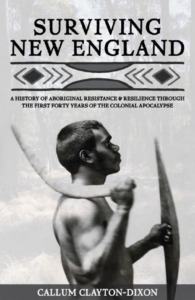
Surviving New England – Callum Clayton-Dixon
‘This book explores survival, identity, and the challenges of racism, poverty, and the justice system, while also showing the strength and resilience found in culture and community.’
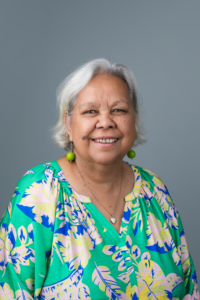
Jackie Huggins recommends:
Defending the Defenceless: Indigenous Self-Determination and Legal Services in Australia – Eddie Cubillo
‘This is the history of the legal service and the grassroots struggle for real community control. It’s well researched and deeply rooted in the realities of Indigenous justice.’
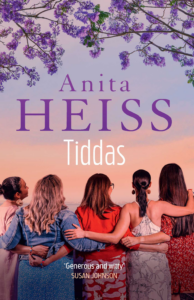
Tiddas – Anita Heiss
‘This book is the best, it embraces the story of sisterhood – not only with Indigenous women but with non‑Indigenous women as well, bringing them together.’

Kirli Saunders recommends:
Words to Sing the World Alive – edited by Jasmin McGaughey and the Poets Voice
‘A beautiful celebration of First Nations languages and the powerful voices of poets from across the continent.’

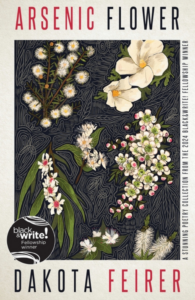
Arsenic Flower – Dakota Fierer
‘This is a powerful and necessary read, opening vital conversations around Aboriginal culture, masculinity, truth‑telling and decolonisation.’

Shane Howard recommends:
Trouwerner – Aunty Patsy Cameron; Martin Flanagan
‘This is a story of early contact and complex intertwining relations, and with those ‘white fellas’ who were also outside the colonial imposition. It challenges previous histories.’

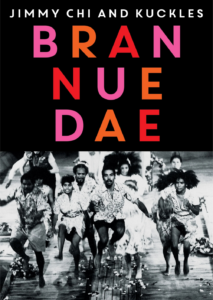
Bran Nue Dae – Jimmy Chi
‘This profound, irreverent script and musical score of the trail-blazing musical is an expression of big-hearted reconciliation. It explores deep emotions and the scars of history interspersed with ‘bust-out’ laughing moments.’
We need to be open to different kinds of messages and genres in our reconciliation learning because at some point in our lives they will truly speak to us about injustice, truth and resilience, but also help keep us thinking about a brighter future for all.
Jackie Huggins
This article is from the 55th edition of Reconciliation News. Read the rest of the issue.