Over the past 25 years of Reconciliation Australia, and the decade of reconciliation before that, Australians have stepped forward at pivotal moments to shape the nation’s reconciliation journey. People have organised, created, and spoken truth to demand a fairer future.
Sometimes this has taken the form of vast crowds moving together on city streets. At other times, it has been quieter but no less powerful: classrooms reshaping curricula, artists shifting thinking and communities sharing their stories.
Reconciliation is not a single event or a straight path. It unfolds through collective action, courage and contest. Progress sits alongside setbacks, yet across generations the pursuit of justice for Aboriginal and Torres Strait Islander peoples has endured.
Read about some of the key moments when Australians have been All In for reconciliation, and the unfinished business that still calls us forward.
ALL IN in record numbers
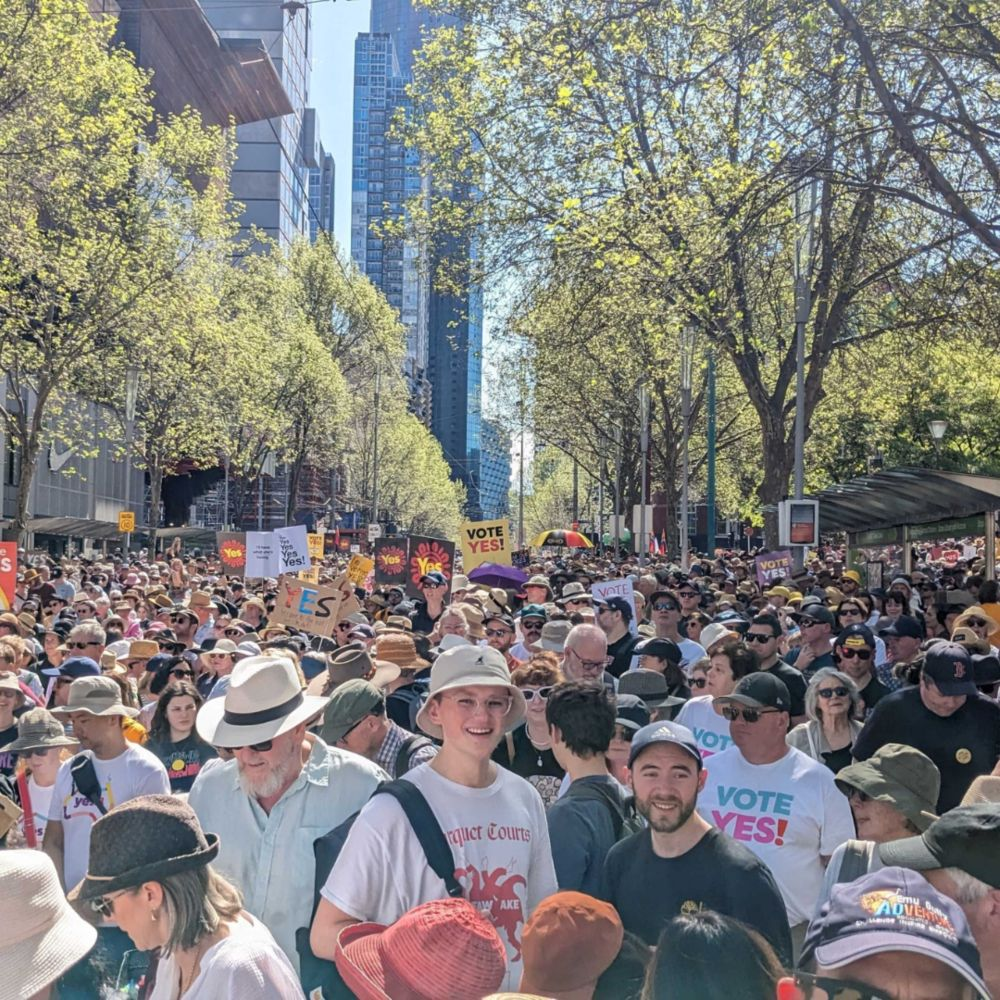
In a historic show of unity, more than 250,000 people walked across the Sydney Harbour Bridge for Corroboree 2000, with close to a million more joining reconciliation walks nationwide in the months that followed. The moment defined a generation, with people still hosting walks inspired by the event to this day.
This collective spirit carried into the Yes23 campaign, the largest grassroots movement in Australian history. More than 60,000 volunteers mobilised communities through everyday conversations, contributing to 6.2 million Australians voting ‘Yes’ in the Voice Referendum. Trade unions played a central role through ‘Unions for Yes’, drawing on a long history of solidarity with First Nations struggles for rights and justice.
Momentum has also been carried through acts of truth-telling on Country. In Victoria, thousands walked alongside Yoorrook Justice Commissioner Travis Lovett from Portland to Parliament in Naarm/Melbourne. The 2026 National Walk for Truth builds on this, continuing to Ngunnawal and Ngambri Country, Canberra, and calling for a national First Nations-led truth-telling process.
ALL IN on saying sorry
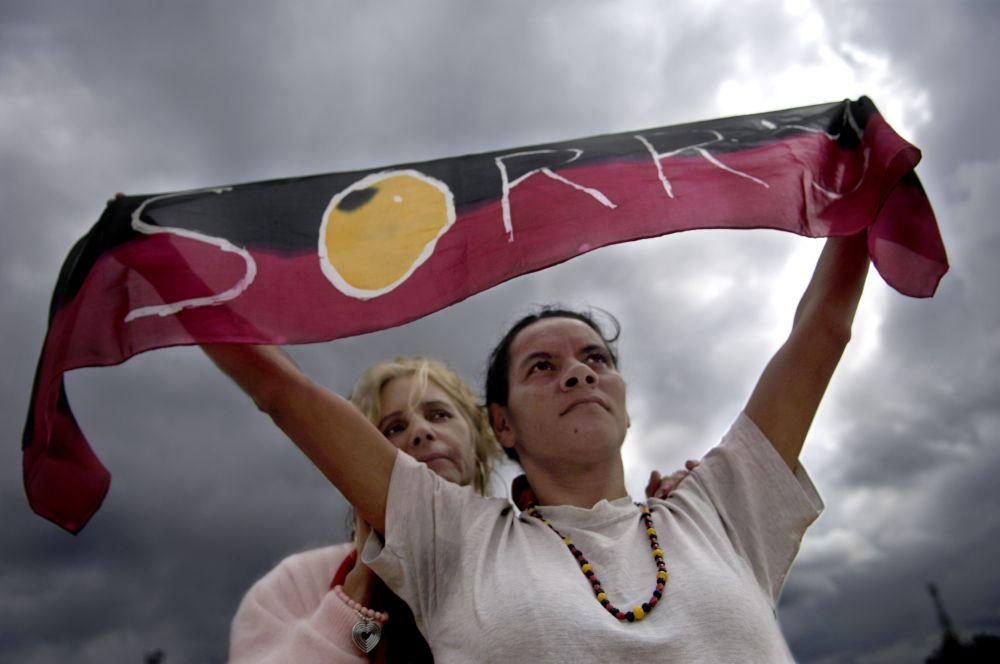
Prime Minister Kevin Rudd’s 2008 Apology to the Stolen Generations marked a defining national moment. It acknowledged profound harm and set a benchmark for accountability.
More recent apologies point to both the importance and the fragility of this work. At Garma 2024, Northern Territory Police Commissioner Michael Murphy delivered an apology for injustice, harm and racism since the force’s inception. His standing down and the absence of subsequent action from the NT Government and police force highlight how tenuous these commitments can be.
In contrast, in December 2025 the Victorian Government apologised to First Peoples following the Yoorrook Justice Commission’s final recommendations, acknowledging systemic injustice, violence and harm caused by state and colonial actions.
Together, these moments underscore a core truth. Apologies are vital and important, but they also test whether governments will follow through with sustained, practical action.
ALL IN the spotlight

Music has long accompanied social justice movements and amplified many voices.
In 2007, Powderfinger and Silverchair set out on the Across the Great Divide tour to mark the 40th anniversary of the 1967 referendum and bring awareness to the work of reconciliation.
In the 2010s, Rock for Recognition concerts supported the campaign for constitutional recognition with artists including Dan Sultan and Leah Flanagan bringing national attention to the issue.
In 2023, Briggs’ Now & Forever concert brought together leading artists including Paul Kelly, Emma Donovan and Jimmy Barnes, speaking to the potential for intergenerational change through recognition.
And each year on 26 January, Yabun Festival brings together First Nations artists and communities in a powerful celebration of survival and sovereignty. Increasingly, Australians are choosing to mark the day with truth-telling, truth-listening and collective action.
ALL IN against racism
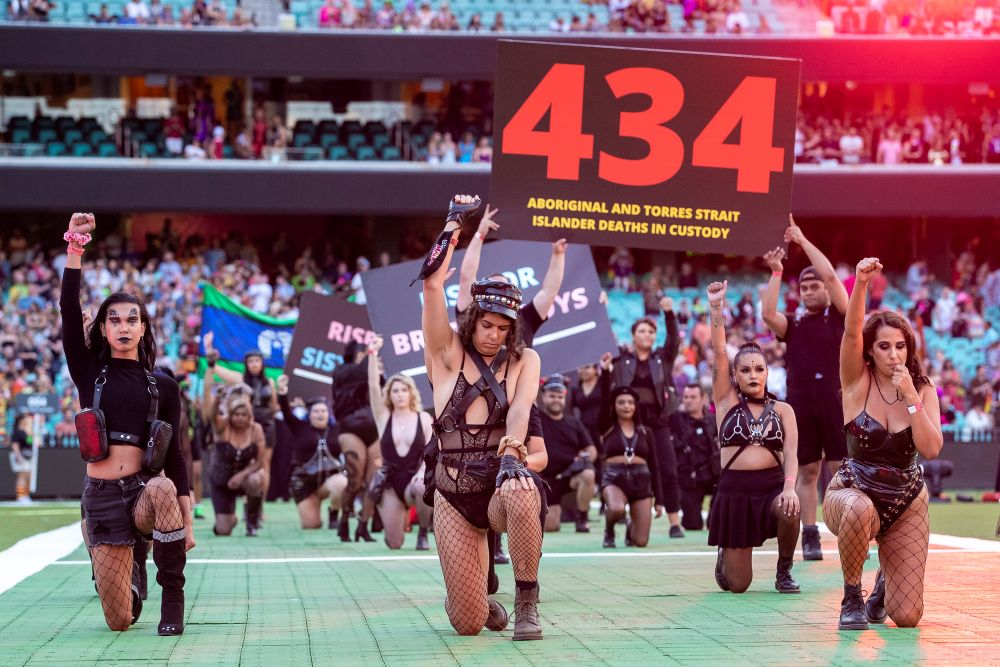
In 2020, Australians joined the global Black Lives Matter movement, which began in the United States following the police killing of African American man George Floyd. Despite the pandemic, hundreds of thousands gathered at rallies to protest systemic racism.
These protests sharpened focus on Australia’s own record, including the unimplemented recommendations of the Royal Commission into Aboriginal Deaths in Custody from 1991, and calls to end over‑incarceration and racist policing.
This moment sits within a longer history of injustice, from the Stolen Generations and the Northern Territory Intervention, to abuses at Don Dale children’s prison and the public vilification of sporting heroes Adam Goodes and Latrell Mitchell. It demonstrated that when Australians confront injustice, many are prepared to step forward.
ALL IN for the future
After 25 years of All In moments, the question is, what comes next?
Momentum is something we create and strengthen together. While it can fade when attention shifts, it’s up to us to refocus and keep moving forward.
That means staying connected beyond defining moments, showing up, continuing to learn, and supporting First Nations self-determination and truth-telling initiatives in and around your community consistently.
Together we’ve taken some big steps forward over the past 25 years and together we can keep going.
This article is from the 55th edition of Reconciliation News. Read the rest of the issue.